Standing Seam Roll Formers Manufacturers & Companies for the Chile Market
A buyer-focused industry whitepaper on concealed-fastener metal roofing, Chile-specific wind and seismic requirements, local application scenarios, global procurement expectations, and the engineering value of China’s roll forming factory ecosystem.
Four Standing Seam & Roof Deck Roll Formers to Start a Chile Project
Chilean buyers rarely purchase a machine in isolation. A roll former must match the roof system, coil supply, wind uplift calculation, seismic connection details, installer skill, and maintenance plan. The four machines below are a practical first shortlist for the Chile market. Each card keeps the original product URL and uses a Chile-specific application headline to help project teams map the machine to real building types.

Mechanical Lock Standing Seam Panel Former for Chile Mining Camps & Industrial Roofs
Suited to large, low-slope roofs where wind uplift, long panel runs, and maintenance access matter. Confirm seam type, panel width, and clip strategy with the project engineer.
Custom Mechanical Lock Standing Seam Panel Former Manufacturers, Company
Nail Strip Standing Seam Machine for Chile Fruit Packhouses & Cold Storage
A clip-free nailing-flange system can speed installation on residential and light commercial roofs. For cold stores and packhouses, verify condensation control and coating compatibility.
China Nail Strip Standing Seam Panel machine Manufacturer, Factory
Snap Lock Standing Seam Machine for Chile Coastal & Commercial Buildings
Snap-lock panels offer concealed fasteners and clean architectural lines. In salt-fog zones, the coil coating and cut-edge protection are as important as the seam geometry.
China Snap lock Standing Seam Panel machine Manufacturers, Factory
Floor Deck Roll Forming Machine for Chile Seismic Steel-Frame Floors
Composite floor deck is central to multi-storey steel construction. Buyers should verify embossing depth, deck profile, frame rigidity, and cutting tolerance before comparing price.
Custom Floor Deck roll forming machine Manufacturer, FactoryWhy Standing Seam Roll Formers Matter in Chile
Chile is not one construction market. It is a 4,300 km chain of climates, seismic zones, ports, mining regions, agricultural valleys, and coastal cities. A standing seam roof in Antofagasta faces dust, UV, and salt; a roof in Puerto Montt faces wind-driven rain; a warehouse near Santiago must satisfy a structural engineer working within Chile’s seismic design culture. For buyers, the search phrase “standing seam roll formers manufacturers” is only the start. The real question is which manufacturer can deliver a machine that matches a specific seam system, coil specification, wind-uplift calculation, installation method, and spare-parts plan.
Standing seam is a concealed-fastener metal roofing system. The panel is roll formed from coated steel or aluminum coil, and the male and female legs are folded into a seam that can be snapped, mechanically seamed, or double-locked. Because fasteners are hidden from the weather, the roof can accommodate thermal movement, reduce leak paths, and provide a clean architectural appearance. In Chile, these benefits are relevant to mining warehouses, fruit packhouses, cold stores, ports, wineries, retail buildings, schools, hospitals, and high-spec industrial facilities.
This whitepaper is written for project owners, roofing contractors, metal building suppliers, importers, and engineering teams comparing local Chilean suppliers with overseas roll forming machine manufacturers. It combines roll forming engineering, export project experience, and Chile-specific application analysis. The strongest procurement decisions compare installed performance, not machine price alone. A line that produces a panel slightly outside tolerance may save money at the factory but cost far more on site through rework, callbacks, coil waste, and delayed handover.
Send Inquiry NowAuthor, evidence & editorial methodology
This article is produced by XC’s engineering and export team, drawing on factory acceptance tests, roll-pass design reviews, export packing records, sample-panel measurements, and buyer feedback from roofing, purlin, floor deck, and light-gauge steel projects. It is designed for commercial and technical orientation.
- Experience: team experience across roofing, standing seam, purlin, floor deck, and light-gauge steel lines.
- Expertise: roll-pass design from drawings, samples, and photos; coil and coating compatibility review.
- Authority: XC operates a 50,000 m² production base and has served 1,000+ cooperative customers worldwide.
- Trust: every line is assembled and test-run before shipment; sample panels and trial-run videos support acceptance.
Limitation: Chile-specific wind uplift, seismic design, fire, and corrosion requirements must be verified by a Chile-registered structural engineer and project consultant. This whitepaper is not a substitute for project-specific structural design.
Chile Market Reality Check: Geography, Codes, Climate & Logistics
Chile’s commercial and industrial construction sector is shaped by mining, energy, agriculture, seafood, logistics, and urban infrastructure. Local metal roofing distributors and fabricators are active, but highly specialized seam systems, custom profiles, and high-throughput lines are often compared against overseas manufacturers. The winning supplier is the one that can translate Chilean project conditions into machine specifications.
Long, narrow market
Chile stretches roughly 4,300 km. A machine delivered to San Antonio may serve Santiago and the Central Valley; another to Iquique or Antofagasta must plan for desert dust, salt air, and limited local machining. Spare parts and commissioning travel should be part of the purchase decision.
Seismic engineering culture
Chilean engineers work with rigorous seismic design references such as NCh 433 and NCh 2369 for industrial structures. Standing seam panels are lightweight, but clips, purlins, bracing, and connection details must be engineered together. The machine must form the seam ordered by the engineer, not force a generic profile.
Wind uplift & weather
Coastal zones, Patagonia, and exposed industrial sites can experience strong wind. In Puerto Montt, Chiloé, and Aysén, wind-driven rain makes seam height, clip spacing, and flashing details critical. Double-lock or mechanical seams may be preferable to simple snap-lock systems, depending on the design.
UV, dust & salt fog
Atacama projects face high UV and abrasive dust; port projects face chloride. Specify metallic coating mass, paint system, cut-edge protection, and cleaning access. The cheapest coil is rarely the lowest-cost roof over a 20-year service life.
Mining, energy & industry
Copper, lithium, solar, ports, and logistics create demand for large warehouses, workshops, camps, and low-slope industrial roofs. Buyers value fast installation, long panel runs, solar-ready roof design, and reliable after-sales support.
Agriculture & cold chain
Fruit packhouses, cold stores, wineries, and food processing plants need roofs that manage condensation, hygiene, and maintenance. Leaks are expensive because they can disrupt export schedules, food safety, and refrigeration performance.
Global Standing Seam Demand: From Architectural Niche to Industrial Standard
Across North America, Europe, the Gulf, Australia, and Latin America, standing seam roofing has moved from a premium architectural choice to a mainstream solution for commercial, industrial, and institutional buildings. The drivers are practical: labor shortages make faster installation valuable; energy codes reward cool roofs and insulation continuity; solar-ready roofs need long, clean panel runs; and building owners want fewer leak paths and lower maintenance.
This global shift changes what buyers expect from roll forming machine manufacturers. A catalogue machine is no longer enough. Buyers ask for profile-specific roll-pass design, sample panels before shipment, seam-system compatibility, coil coating advice, PLC data storage, safety guarding, export packaging, and remote commissioning. In North America, seam profiles and clip systems are highly standardized; in Europe, coating and certification expectations vary by country; in Latin America, buyers often compare US, European, and local profiles in one project. A capable manufacturer must therefore design from drawings, samples, or photos, not only sell a fixed catalogue.
Global procurement teams are also more disciplined. They compare machine layouts, forming-station numbers, roller material, shaft diameter, motor power, hydraulic cutting design, PLC brand, safety devices, spare-parts lists, and commissioning scope. They ask for video inspection, dimensional reports, and packing lists before balance payment. This is good for serious manufacturers because it separates engineering capability from simple price competition.
China Factory Efficiency Advantages Without Sacrificing Engineering
China remains a major source of cold roll forming equipment because of its industrial depth: steel supply, roller machining, shafts, bearings, hydraulic components, PLCs, electrical parts, and skilled assembly teams are available within a mature supplier ecosystem. For Chilean buyers, the advantage is not simply lower cost. It is the ability to iterate quickly on a custom profile, build the line, test it with matching coil, and ship a complete package with spare parts and documentation.
Roll-pass design in-house
XC engineers develop the flower pattern from the buyer’s drawing, sample panel, or photo. This is the step that determines strip tracking, edge wave risk, coating strain, and seam accuracy. Fast design iteration is a genuine efficiency advantage.
Integrated machining & assembly
Frames, rollers, shafts, and assemblies can be controlled under one production system. That reduces handoff delays and makes it easier to inspect critical dimensions before the line reaches final assembly.
Factory acceptance testing
Every line is assembled and test-run before shipment. Sample panels are measured against the drawing, and trial-run videos plus inspection photos support buyer approval before packing.
Export packaging know-how
Long shafts, fragile rollers, electrical cabinets, and hydraulic stations need rust protection, shock absorption, container loading plans, and clear packing lists. Good packing is part of machine quality.
Local voltage & language
Machines can be configured for site voltage and frequency, with HMI language options. Chile buyers should confirm 220V/50Hz or 380V/50Hz requirements, control-panel labeling, and Spanish documentation needs early.
Remote & on-site service
Overseas buyers need installation guidance, electrical diagrams, spare-parts advice, and commissioning support. A clear service plan reduces downtime and protects the investment after the machine arrives in Chile.
Efficiency should never mean cutting engineering corners. A serious China factory efficiency advantage comes from faster engineering feedback, controlled manufacturing, and test-before-ship discipline, not from thinner frames or unverified profiles. XC positions its factory as a full-line engineering partner for roofing, standing seam, purlin, floor deck, and light-gauge steel applications, with the original company details preserved for buyer verification.
Eight Chile Application Scenarios for Standing Seam Roll Formers
The same machine can serve very different building types, but the specification should change with the application. These scenarios help Chilean buyers translate project language into machine requirements.
Mining camps & concentrators
Large low-slope roofs, dust, UV, and long panel runs. Specify robust frames, stable coil feeding, and easy maintenance access. Solar-ready layouts are increasingly valuable.
Fruit packhouses & cold stores
Hygiene, condensation control, and cold-chain reliability matter. Panels must be formed without coating damage, and roof details must support maintenance and cleaning.
Wineries & agribusiness
Central Valley projects often combine architectural appearance with industrial function. Clean seam lines, consistent panel width, and long-life coatings help protect brand value.
Ports & logistics hubs
San Antonio, Valparaíso, Iquique, and Antofagasta expose roofs to salt and wind. Specify coating systems, concealed fasteners, and a service plan for coastal corrosion.
Aquaculture & southern climates
Puerto Montt, Chiloé, and Aysén need rain and wind resilience. Mechanical seams and well-designed flashing details often justify a higher specification than basic snap-lock.
Solar-ready commercial roofs
Chile’s solar resources make PV-ready roofs attractive. Standing seam roofs can support clamps and mounting systems without penetrating the panel, but the roof structure and seam type must be coordinated early.
Seismic steel-frame warehouses
In Biobío, Santiago, and industrial zones, steel frames and floor decks must work as a system. Machine tolerance for deck profile and panel fit helps reduce site adjustment.
Architectural low-slope roofs
Retail, schools, clinics, and residential projects value clean concealed-fastener roofs. Panel width, seam height, and color consistency must be confirmed with the designer.
Compare Standing Seam Roll Forming Machines Before You Request a Quote
Quotes are only comparable when the specifications are. The table below preserves the original machine-range guidance and links each machine family to its category page. The second table adds a Chile-specific risk matrix for buyers who need to discuss wind, seismic action, corrosion, and logistics with their engineer.
| Machine Type | Typical Coil Thickness | Forming Stations | Typical Line Speed | What to Verify in a Quote |
|---|---|---|---|---|
| Trapezoidal / IBR Roofing | 0.3–0.8 mm | 16–22 | 15–30 m/min | Roller material and chrome thickness; shaft diameter |
| Corrugated Roofing | 0.3–0.6 mm | 18–24 | 15–30 m/min | Wave pitch accuracy and edge waviness on thin coil |
| Glazed Step Tile | 0.3–0.7 mm | 12–18 | 3–6 m/min | Press-station cycle and step-depth consistency |
| Standing Seam | 0.4–0.8 mm | 12–20 | 10–20 m/min | Seam system compatibility and panel width adjustment |
| C/Z Purlin | 1.5–3.0 mm | 14–20 | 10–20 m/min | Size-change method (manual or automatic) and punching dies |
| Floor Deck | 0.7–1.5 mm | 20–30 | 10–15 m/min | Embossing pattern and frame rigidity for deck depth |
Ranges reflect typical XC configurations for reference only. Final parameters are engineered to your profile drawing, material yield strength, output target and site power supply.
| Chile Procurement Risk | Why It Matters Locally | What to Specify in the Machine & Proposal |
|---|---|---|
| Wind uplift | Coastal and Patagonian exposure can drive clip spacing, seam type, and panel span. | Seam system, clip layout, uplift calculation reference, and sample-panel fit. |
| Seismic interaction | Industrial structures are engineered under Chile’s seismic culture; roof and frame connections must cooperate. | Purlin bracing, connection details, panel mass, and coordination with the structural engineer. |
| Corrosion | Salt fog, UV, and dust can shorten roof life if coating and cut-edge protection are weak. | Metallic coating mass, paint system, coil supplier, and handling guidance. |
| Thermal movement | Long roofs and temperature swings require controlled fixed and floating points. | Clip type, panel length limits, and installation sequence in the manual. |
| Coil variability | Imported coil may vary in yield strength, width, and coating thickness. | Entry guide adjustment, roll-pass design, and test-run coil specification. |
| Logistics & service | Long distances and port schedules can delay commissioning and spare-parts delivery. | Export packing, spare-parts list, remote support plan, and on-site service option. |
Inside a Standing Seam Roll Forming Line: Six Stages That Decide Roof Quality
A roll former is only as good as its weakest station. Buyers should understand the line architecture because it explains why two machines with similar “forming station counts” can perform very differently.
Decoiler & coil feeding
A manual or hydraulic decoiler feeds coil under controlled tension. Stable unwinding prevents strip wander, which is a leading cause of camber and twisted panels.
Entry guiding
Adjustable entry guides square the strip to the roll centreline before the first pass. Correct alignment here largely decides the straightness of the finished panel.
Progressive forming
Each station bends the strip a few degrees at a time. Roll-pass design spreads strain evenly to protect zinc and paint coatings and to avoid edge waves on thin coils.
Hydraulic post-cutting
An encoder measures strip travel and the PLC triggers a profile-matched blade. The result should be burr-free cuts within ±1 mm without crushing ribs or seams.
PLC & HMI control
A touch-screen HMI stores batch lengths and quantities, monitors faults, and supports multi-language operation. Spanish HMI options should be confirmed for Chilean operators.
Output & stacking
Panel handling after cutting matters as much as forming. A well-planned output table and stacking method protect coatings and reduce handling damage before installation.
What Global Buyers Compare Before Signing a Roll Forming Machine Contract
Technical dossier
Profile drawing, flower pattern, station count, roller material, shaft diameter, motor power, hydraulic system, PLC brand, safety guarding, and electrical drawings should be comparable line by line.
Commercial clarity
Price should be read with Incoterms, lead time, payment terms, warranty, spare-parts scope, packing, and commissioning costs. A low machine price with unclear exclusions is not a real comparison.
Chile logistics
Confirm container loading, port of discharge, import documents, and lifting plan. For inland projects, check road access and unloading equipment before the machine arrives.
Service & training
Ask for manuals, electrical diagrams, operator training, remote video support, and a recommended spare-parts kit. For Chile, Spanish-speaking support and time-zone response matter.
Standing Seam Roll Forming Trends Shaping Chile’s Next Projects
Solar-ready roofs
Chile’s solar resources make PV-ready industrial roofs more attractive. Standing seam profiles that accept clamps without penetration can reduce future installation risk, but the structural engineer must confirm load paths.
High-strength steel & thin gauges
Buyers want lighter, stronger panels, but thinner high-strength coil places more demand on roll-pass design and edge control. Machine stability becomes more important, not less.
Automation & traceability
PLC batch records, length logging, fault alarms, and production counters help factories manage quality and cost. Data can support maintenance planning and operator training.
Digital service support
Remote video commissioning, digital manuals, and spare-parts identification reduce travel delays. For Chile’s long geography, remote support is not a luxury; it is a practical service requirement.
Cool coatings & energy
Cool roofs, insulation continuity, and airtight detailing support energy performance. The roll former must handle the selected coating without surface damage at the bend line.
Prefabrication & circularity
Steel roofing is highly prefabricated and recyclable. As Chile’s builders look for faster, cleaner construction, accurately formed panels and predictable installation become part of the sustainability case.
From Profile Drawing to First Panel: A Transparent Five-Step Process
Overseas buyers should know exactly what happens after an inquiry. This process is designed to reduce misunderstandings and make the acceptance point clear before shipment.
Profile & coil review
Send your drawing, sample, or photo plus coil data. Engineers check whether the profile can be formed and flag risks such as edge wave, coating strain, and seam interference.
Roll-pass design & proposal
You receive the station count, roller material, drive and cutting system, power configuration, and a confirmed schedule. This is where a serious manufacturer shows engineering depth.
Manufacturing & QC
Frames, shafts, and rollers are machined and assembled in-house, with inspection at critical stages. The goal is not only to build the line but to make its dimensions repeatable.
Trial run & acceptance
The line runs with coil matching your specification. Samples are measured, and a video report is shared for approval before packing. This is a key E-E-A-T evidence point for overseas buyers.
Shipping & commissioning
Export packing and documentation are prepared, followed by remote or on-site installation and operator training. Spare parts and technical support continue after handover.
Standing Seam Roll Formers for Chile: Questions Buyers Ask Most
What information do I need to send for an accurate roll forming machine proposal?
Can XC build a roll forming machine for a local or non-standard profile?
How is machine quality verified before shipment?
What is the typical lead time for a roll forming machine?
What after-sales support does XC provide to overseas buyers?
Can machines be configured for my local power supply?
Which standing seam profile is most suitable for Chile?
How should wind uplift and seismic requirements be handled?
What coil coating should Chilean buyers consider?
How do we ship a roll forming line to Chile and what spare parts should we stock?
Can you supply a Spanish HMI and operator training?
How should a Chilean buyer compare a Chinese manufacturer with a local supplier?
Company, Product & Resource Links Preserved for Verification
The original navigation, category, product-family, service, blog, contact, and social links are retained below. This supports buyer verification and preserves the original website information architecture.
Company & Contact
Home Products Contact us Request a Catalog Sitemap Tel / WhatsApp / WeChat: +86 180 3060 6697 [email protected] WhatsAppMachine Categories
Roofing Sheet Roll Forming Machine Trapezoidal Roofing Sheet Machine Corrugated Wave Roof Tile Roll Forming Machine Glazed Tile Roll Forming Machine Double Layer Roofing Sheet Making Machine Standing Seam Roll Formers Purlin Roll Forming Machines Floor Deck Roll Forming Machine Light Gauge Steel Roll Forming Machine Hot ProductsService & Social
Global Service Hot Blog Top Search Keywords Facebook LinkedIn YouTube WhatsApp Chat Send Inquiry NowOriginal Manufacturing, Product & Application Images Preserved
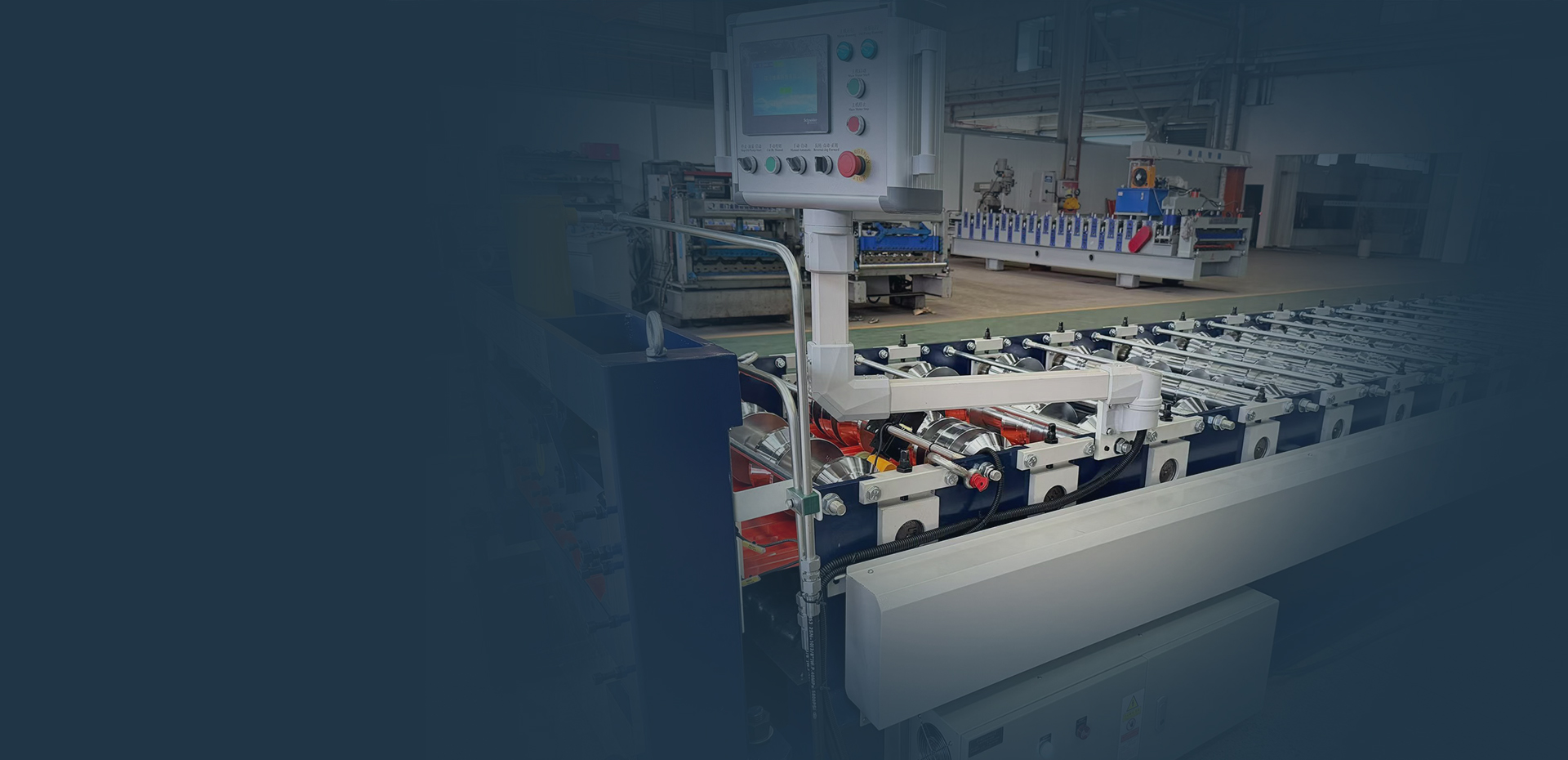
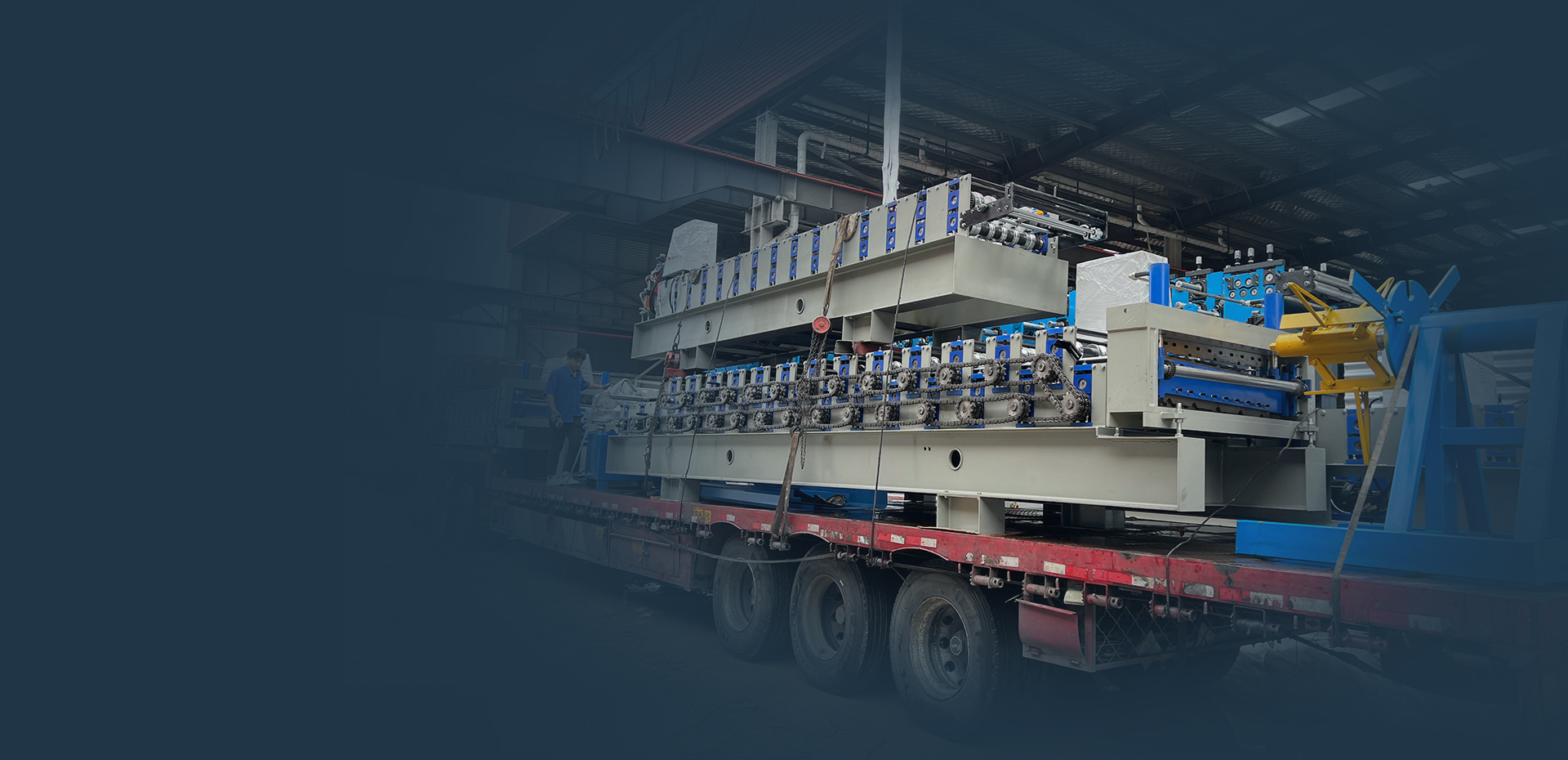
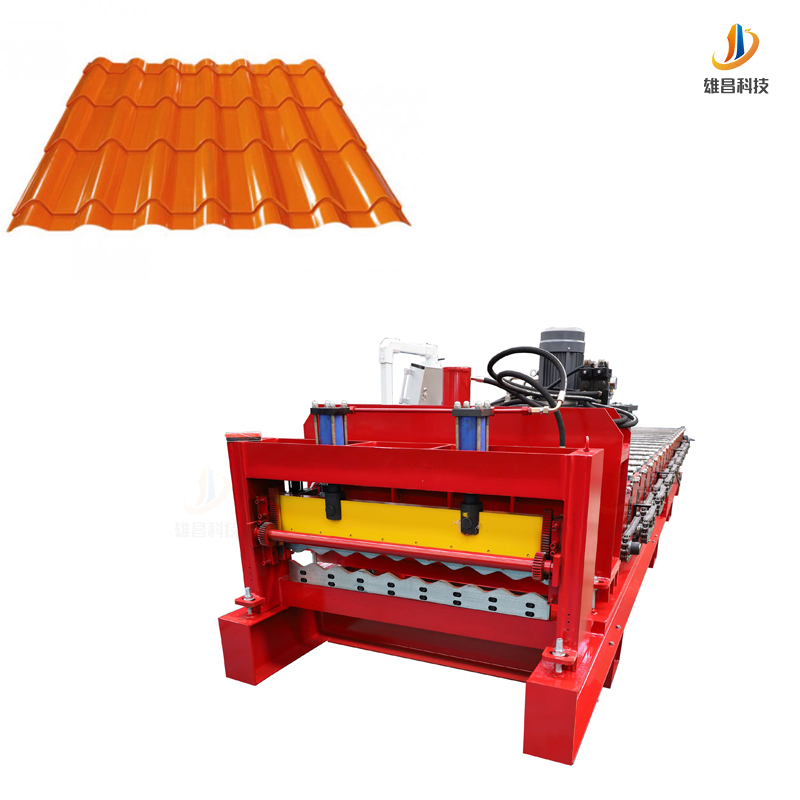
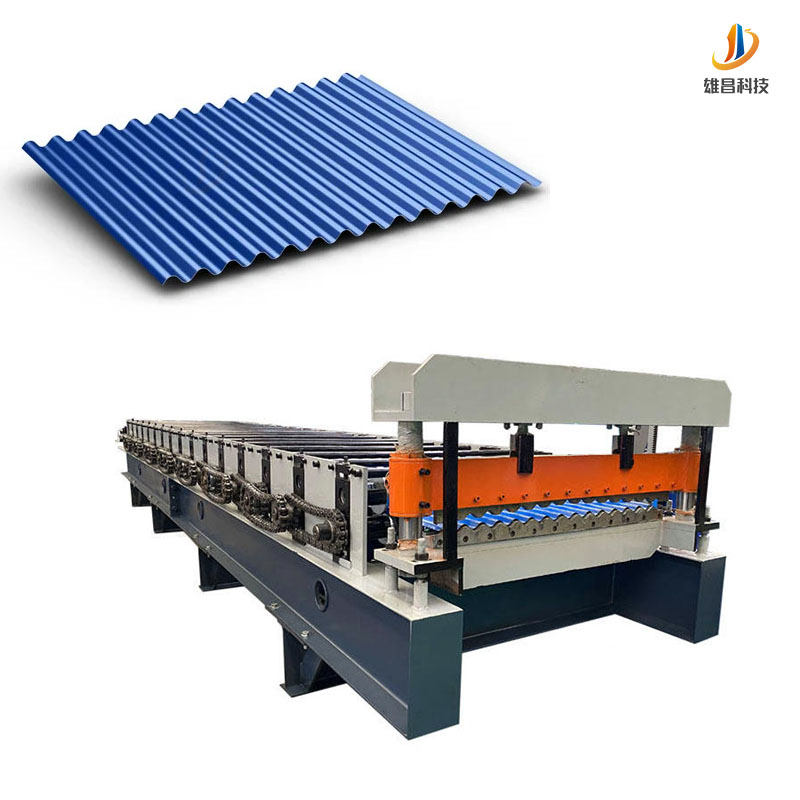
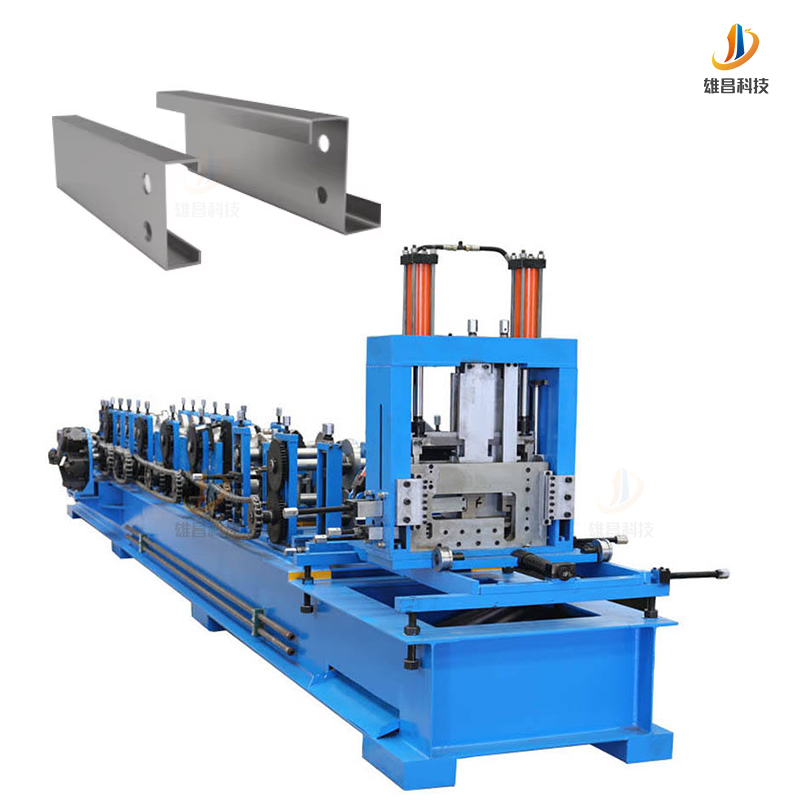
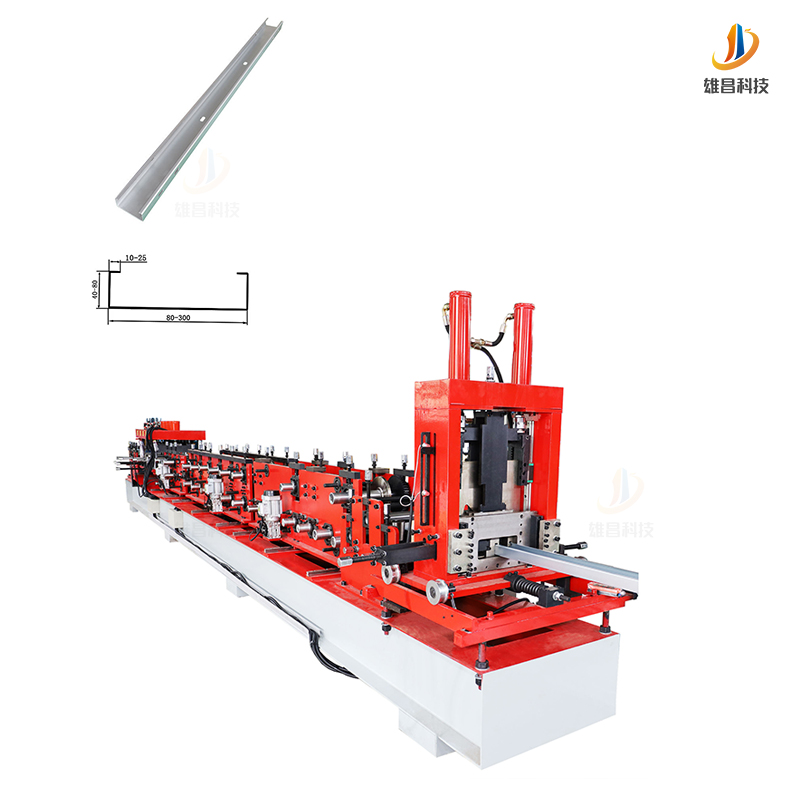
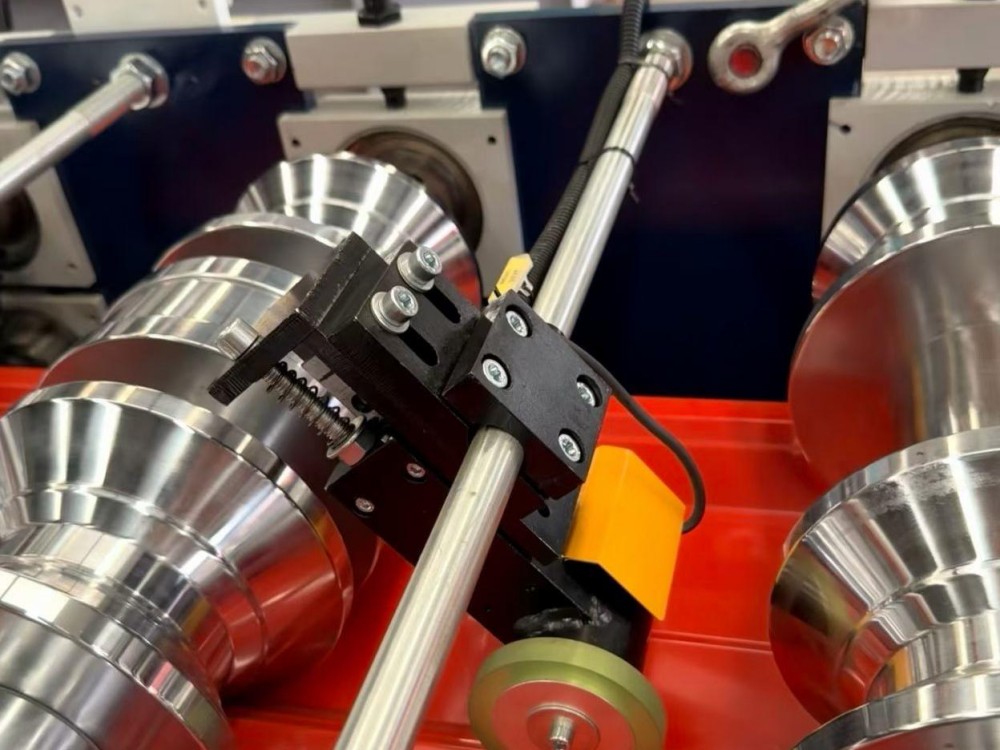
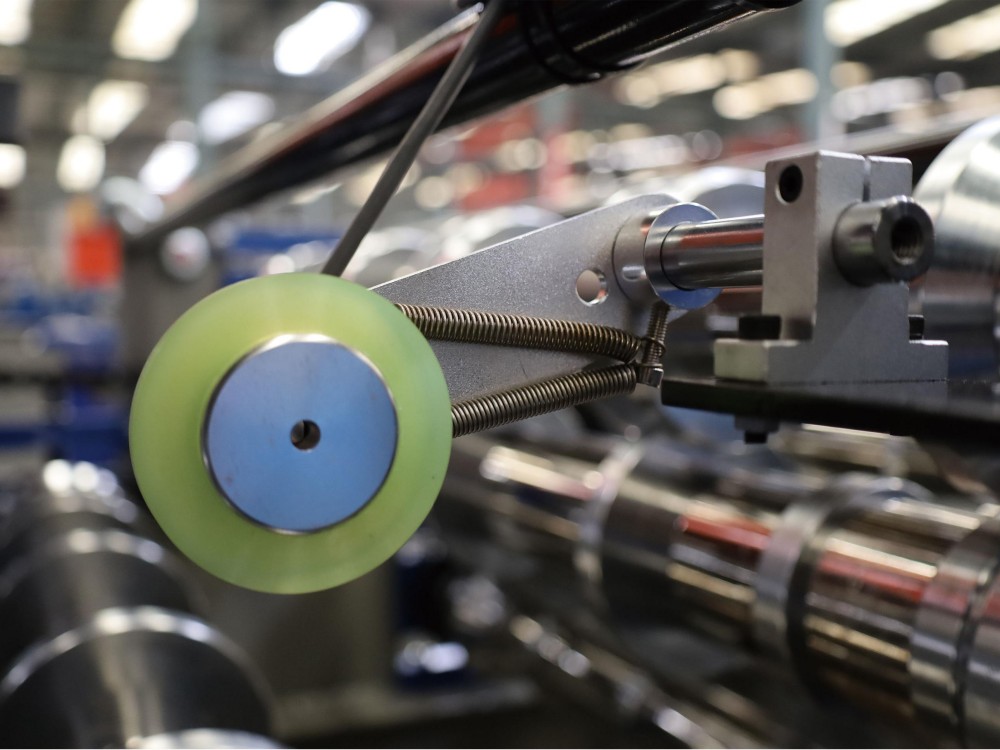
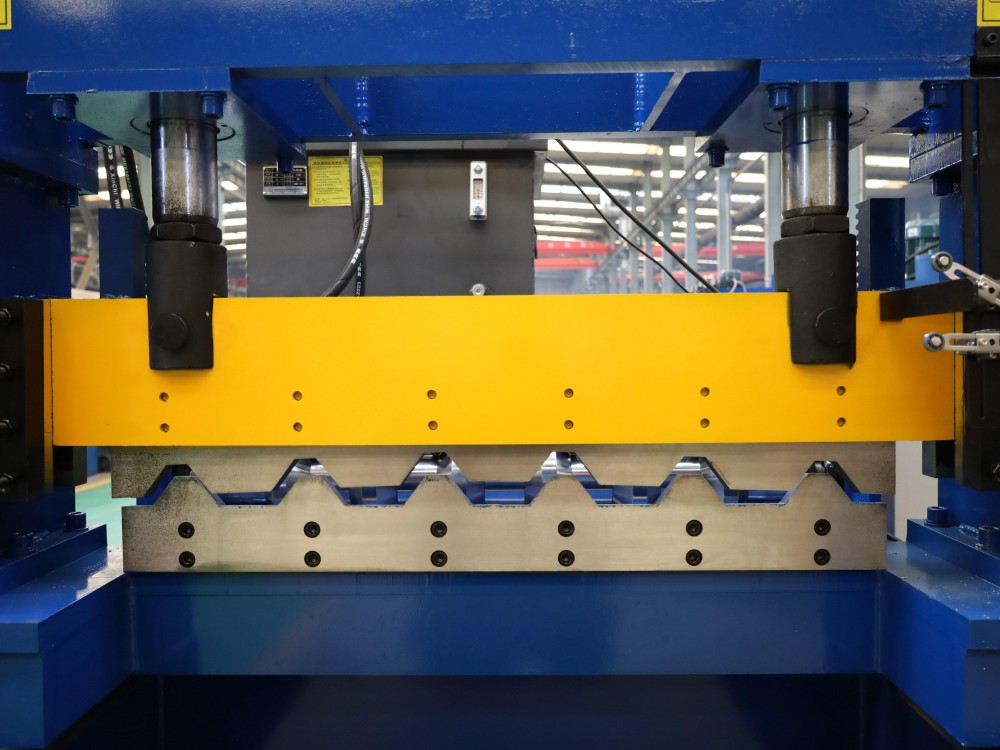
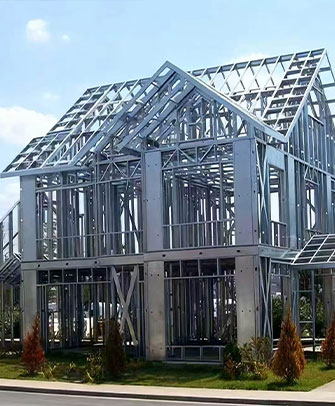
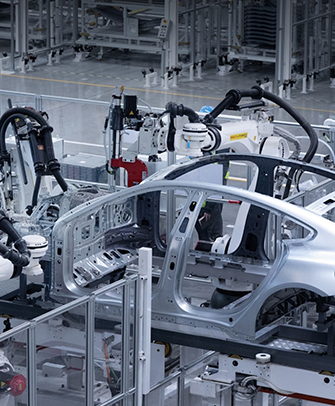
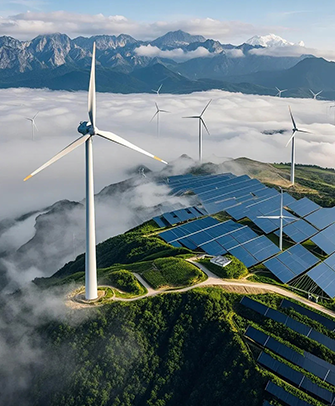
The gallery below retains key original XC images covering factory capability, product families, applications, and engineering insights. Images use a contain-display treatment so they remain complete and are not compressed or cropped.












Eight More Chile-Relevant Roll Forming Machines from the Original Product List
This final product module preserves the remaining original product URLs and images in a two-row desktop grid. The Chile-focused headlines help buyers connect each machine to local steel construction, roofing, agriculture, logistics, and prefabrication applications.
Need a Chile-specific profile review?
Send a drawing, sample photo, coil data, and target output. Our engineers will review the roll-pass risk and respond with a machine configuration.
Sichuan Xiongchang Technology Co., Ltd. (XC) · Sichuan, China · +86 180 3060 6697 · [email protected]
Mechanical Lock Standing Seam Former for Atacama Solar-Ready Warehouses
For high-exposure industrial roofs that may host future PV. Confirm seam clamp compatibility and wind-uplift clip spacing before ordering.
Custom Mechanical Lock Standing Seam Panel Former Manufacturers, Company
Double Layer Roll Forming Machine for Chile Roofing Distributors
Two profiles on one frame can save floor space and capital cost for suppliers serving mixed residential and industrial markets.
China Double Layer Roll Forming Machine Factory, Company
Tuff-Rib / AG Panel Forming Machine for Chile Agricultural Buildings
Rib height, lap fit, and coating protection are key for post-frame, barn, and agricultural roofing suppliers.
ODM Tuff rib panel(AG Panel) forming machine Company, Companies
Z Purlin Cold Roll Forming Machine for Chile Steel Structures
Dedicated Z-section production with lapping capability for long-span roofs, wall girts, and industrial steel buildings.
China Z Purlin Cold Roll Forming Machine Factory, Factories
Metal C Stud Roll Forming Machine for Chile Drywall & Modular Build
Consistent hole pitch, straightness, and cut length help fabricators supply drywall, partition, and modular framing productively.
China Metal C Stud Roll Forming Machine Manufacturer, Companies
Super Series Light Gauge Steel Roll Former for Chile Prefabrication
For stud and track production in light-gauge steel framing. In seismic zones, consistency and traceability support safer assembly.
ODM Super Series Light Gauge Steel Roll Forming Machine (Stud & Track Roll Former) Manufacturers, Company
Industrial IBR Sheet Forming Machine for Chile Metal Roofing
IBR profiles remain a practical choice for warehouses, workshops, and agricultural buildings. Roller quality and shaft rigidity drive profile consistency.
China Industrial IBR Sheet Forming Machine for Metal Roofing Factories, CompaniesSnap Lock Standing Seam Machine for Chile Port & Logistics Roofs
Concealed fasteners and clean lines suit distribution centers and commercial buildings. Coastal projects should upgrade coating and cut-edge protection.
China Snap lock Standing Seam Panel machine Manufacturers, Factory