Buyer FAQ
Questions Mexico City and Overseas Buyers Ask Us Most
Straight answers based on the projects we deliver every year. Need a detail not covered here? Our engineers reply directly.
Contact Our Engineers
Technical Review & E-E-A-T Note
This guide was prepared for Mexico City procurement teams by the XC roll forming engineering team. It draws on more than 20 years of experience in profile development, machine manufacturing, factory acceptance testing and export commissioning. Contact: [email protected] · +86 180 3060 6697.
What information do I need to send for an accurate roll forming machine proposal?
Send your profile drawing or a photo of a sample panel, material type (PPGI, GI, Galvalume or black steel), thickness range, yield strength, coil width, required output per shift, and your local voltage and frequency. With these details our engineers can define the number of forming stations, roller material, cutting system and motor power.
Can XC build a roll forming machine for a local or non-standard profile?
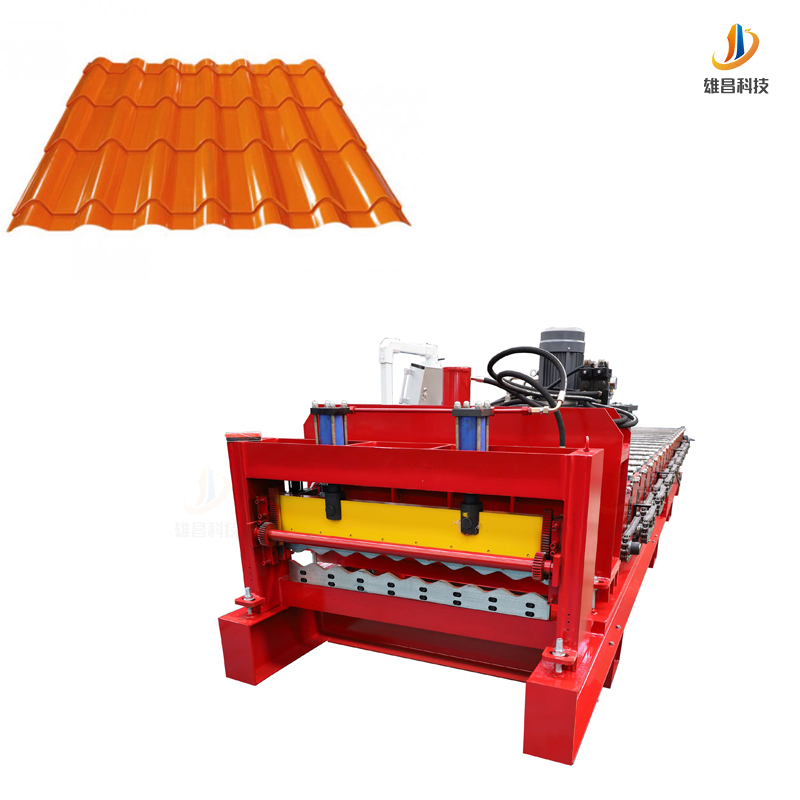
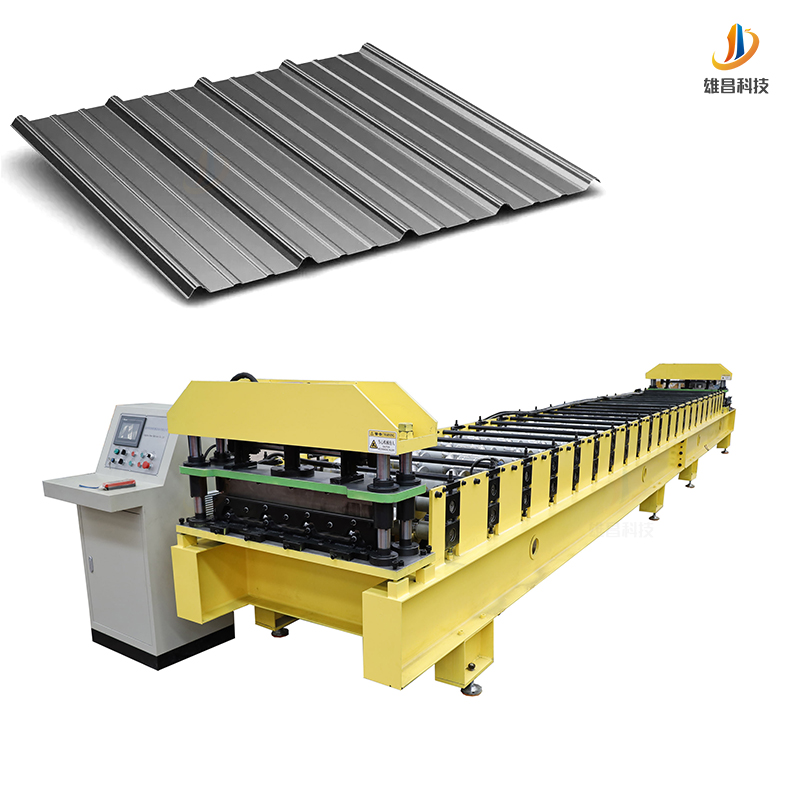
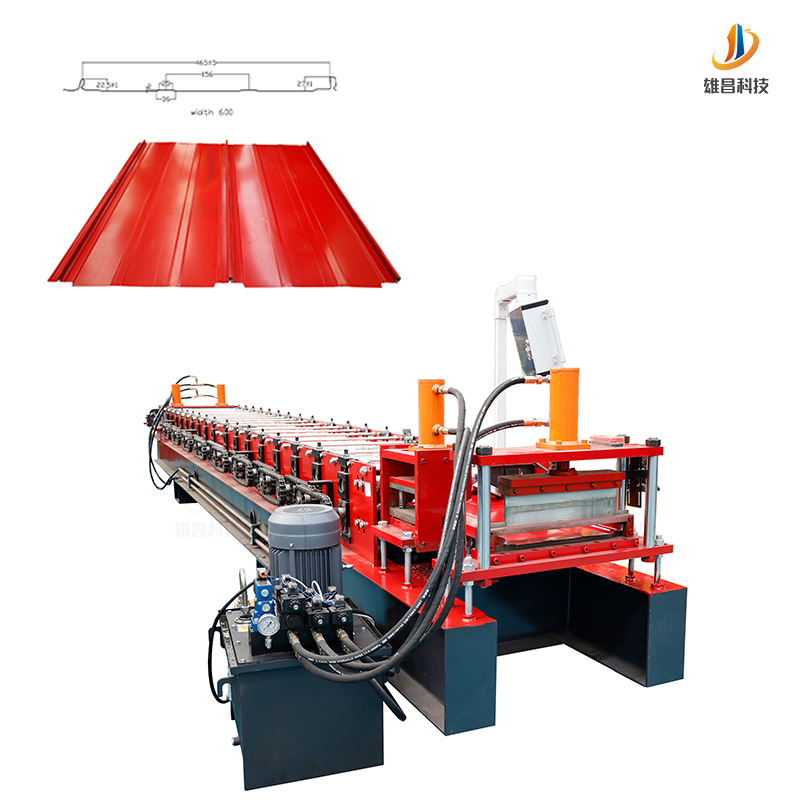
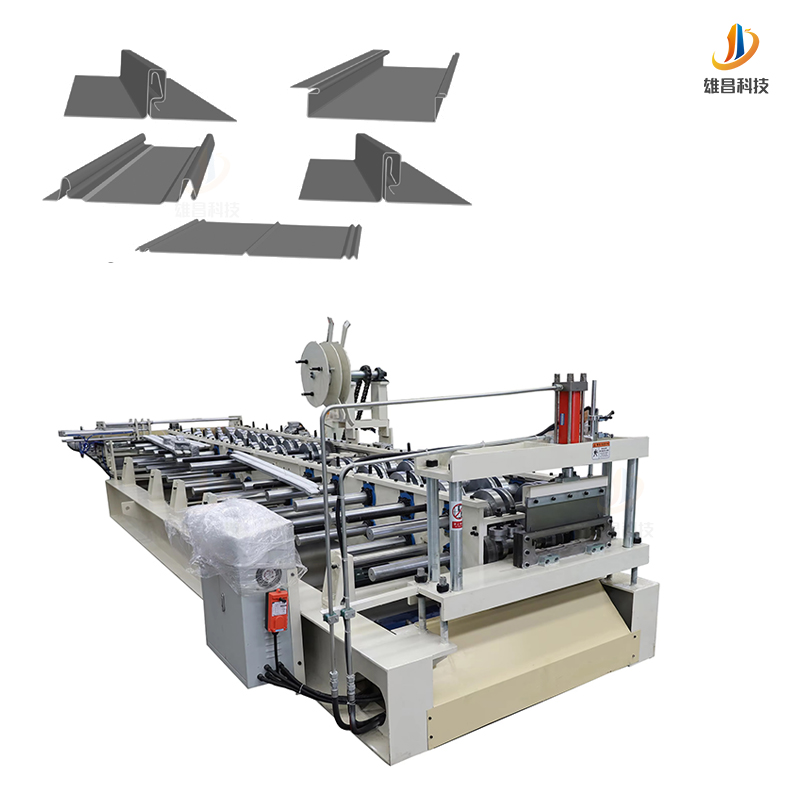
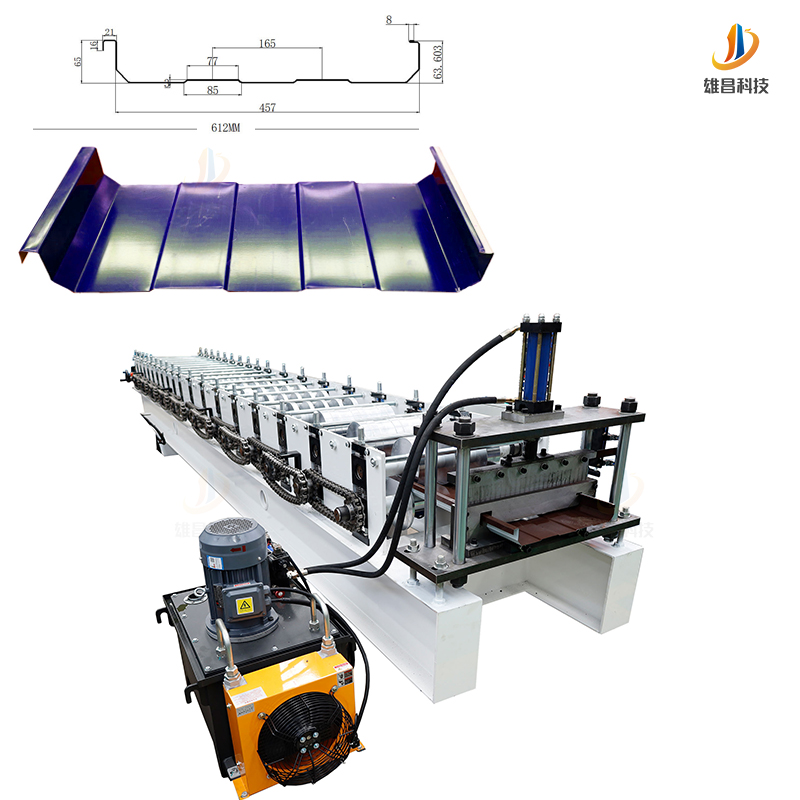
Yes. Most XC machines are built to order. Our engineers develop the roll pass design (flower pattern) from your drawing or sample, so regional profiles such as IBR, Tuff-Rib, Klip-Lok style or Spanish-style tiles can be matched closely.
How is machine quality verified before shipment?
Every line is assembled and test-run in our factory with coil that matches your specification. Sample panels are measured against your drawing, and a trial-run video plus inspection photos are shared for your approval before packing.
What is the typical lead time for a roll forming machine?
Standard roofing sheet lines are commonly ready within 30 to 45 working days after drawing confirmation. Purlin, floor deck, double layer and fully customized lines may take longer. The confirmed schedule is stated in each proposal.
What after-sales support does XC provide to overseas buyers?
XC provides English manuals and electrical diagrams, remote video guidance for installation and commissioning, on-site engineer service on request, and spare parts supply such as blades, bearings and electrical components.
Can machines be configured for my local power supply?
Yes. Motors, hydraulic stations and control cabinets are configured to your site voltage and frequency, for example 220V, 380V, 415V or 440V at 50Hz or 60Hz, with HMI language options for operators. Mexico City projects commonly require 60 Hz power and specific voltage arrangements.
Why is ODM important for Mexico City roofing distributors?
ODM allows the machine to be engineered around your own profile drawing, cover width, rib height, coil thickness, branding, Spanish HMI option and local power supply. This helps distributors differentiate their panels and avoid paying for features they do not sell.
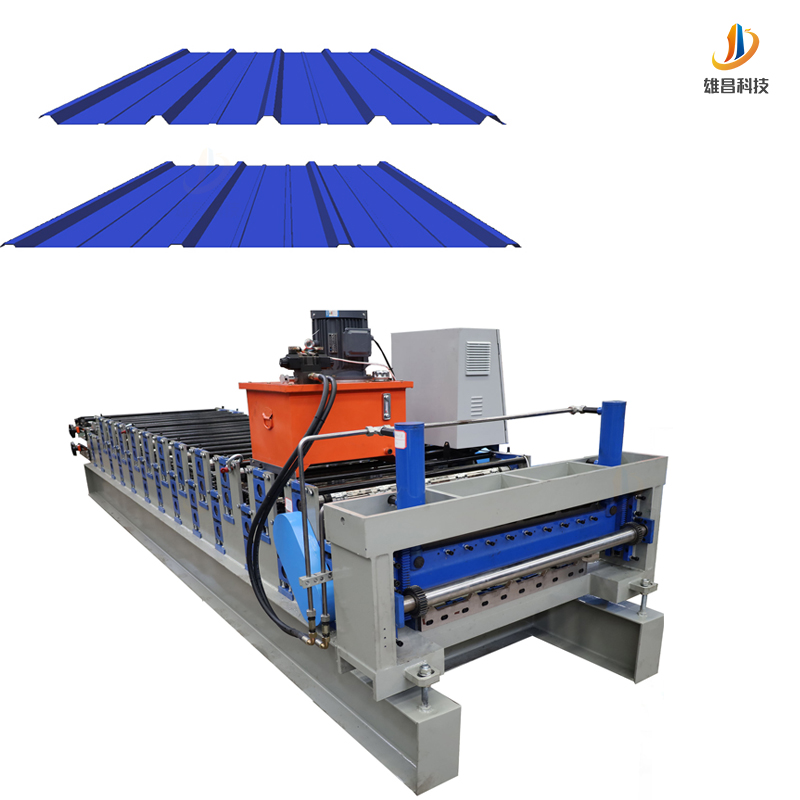
Which trapezoidal profiles are most requested in Mexico City?
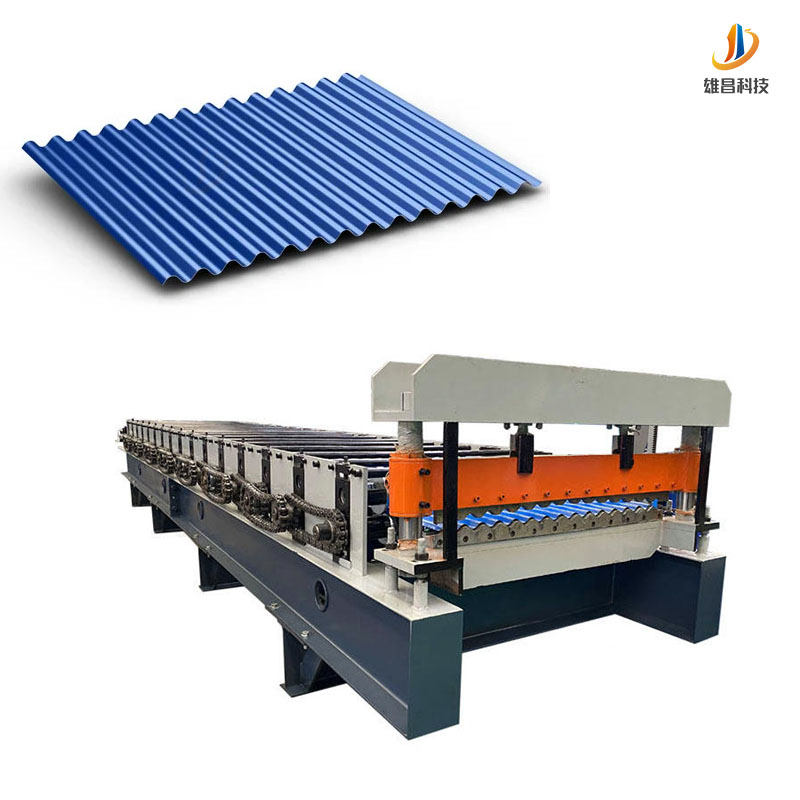
IBR, PBR, U-panel, Tuff-Rib/AG panel and corrugated profiles are commonly discussed. The final choice depends on the building type, roof pitch, fixing pattern, coil strength and local contractor preference. Always confirm the exact drawing before ordering.
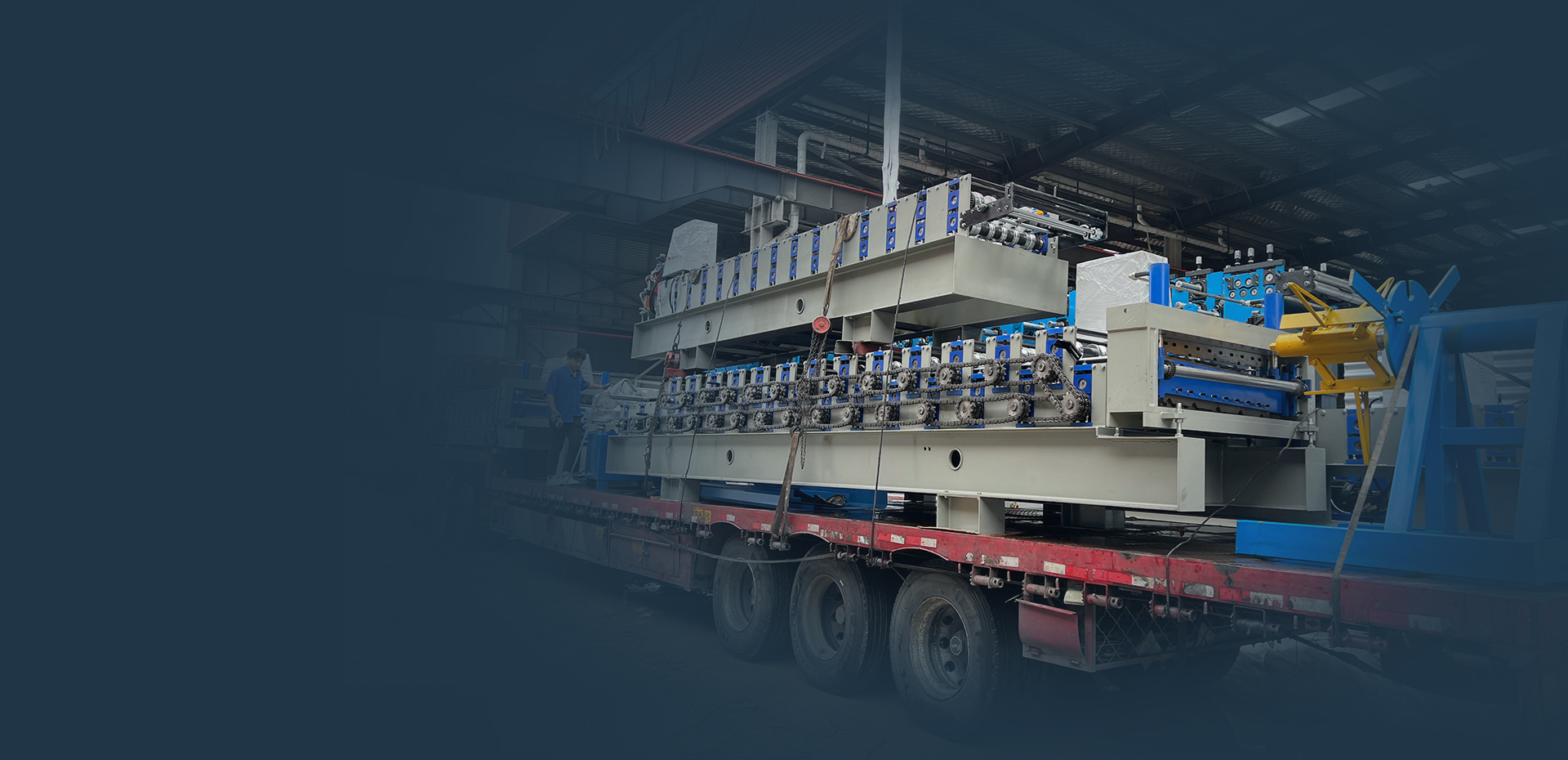
How do you ship a trapezoidal roofing sheet machine to Mexico City?
Machines are normally packed for ocean freight and shipped to a Mexican port such as Manzanillo, Lázaro Cárdenas or Veracruz, then transported by truck to Mexico City. Export documents typically include invoice, packing list, bill of lading and certificate of origin, with electrical diagrams and manuals supplied for installation.
Can you support installation and commissioning in Mexico City?
Yes. XC can provide remote video guidance and, on request, on-site engineer service for installation and commissioning. English manuals and electrical diagrams are supplied, and HMI language options can be configured for local operators.