What information do I need to send for an accurate roll forming machine proposal?
Send your profile drawing or a photo of a sample panel, material type (PPGI, GI, Galvalume or black steel), thickness range, yield strength, coil width, required output per shift, and your local voltage and frequency. With these details our engineers can define the number of forming stations, roller material, cutting system and motor power.
Can XC build a roll forming machine for a local or non-standard profile?
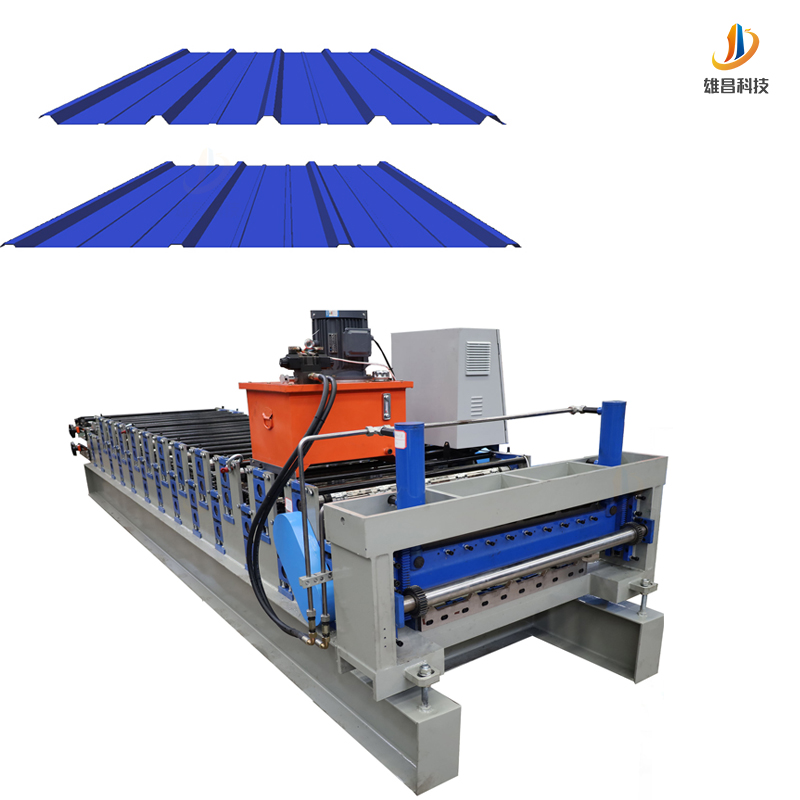
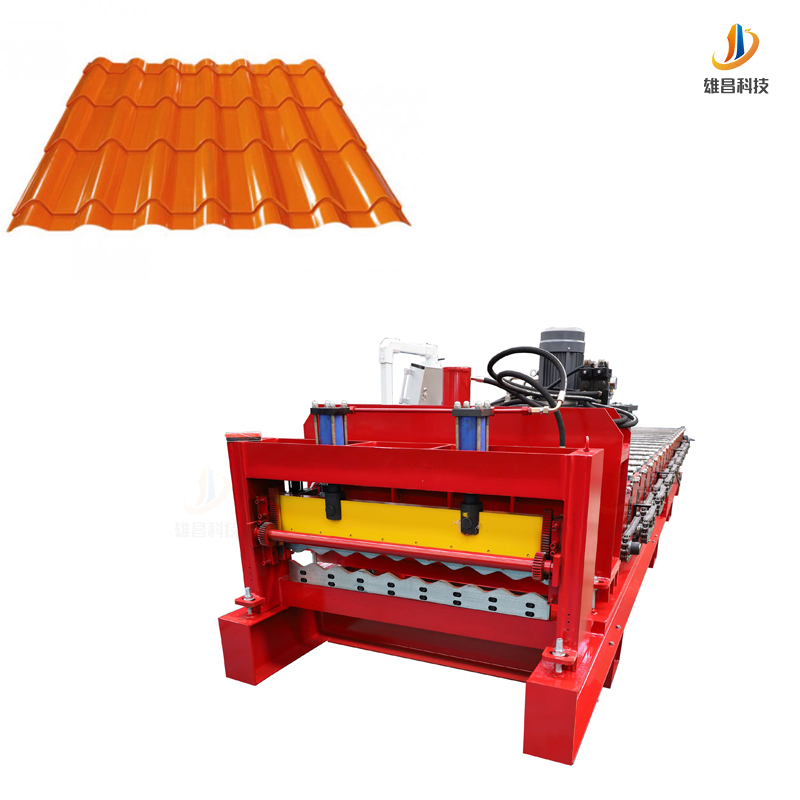
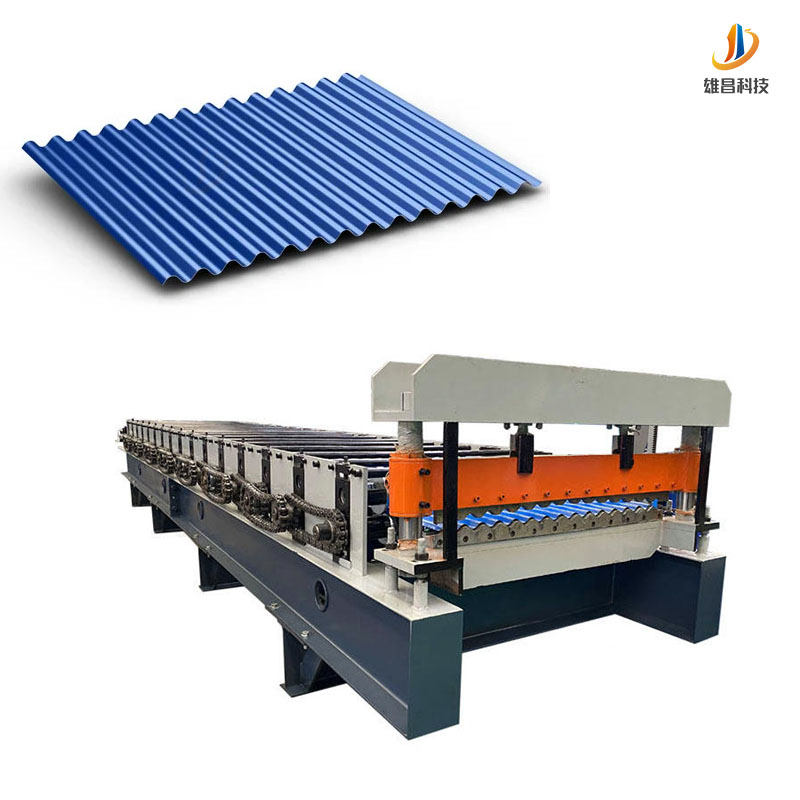
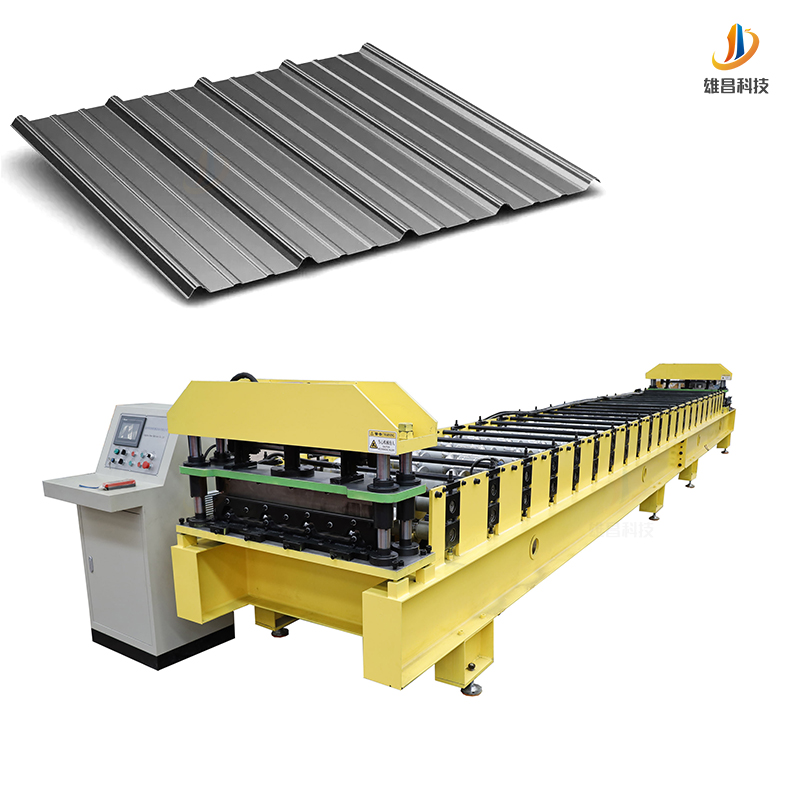
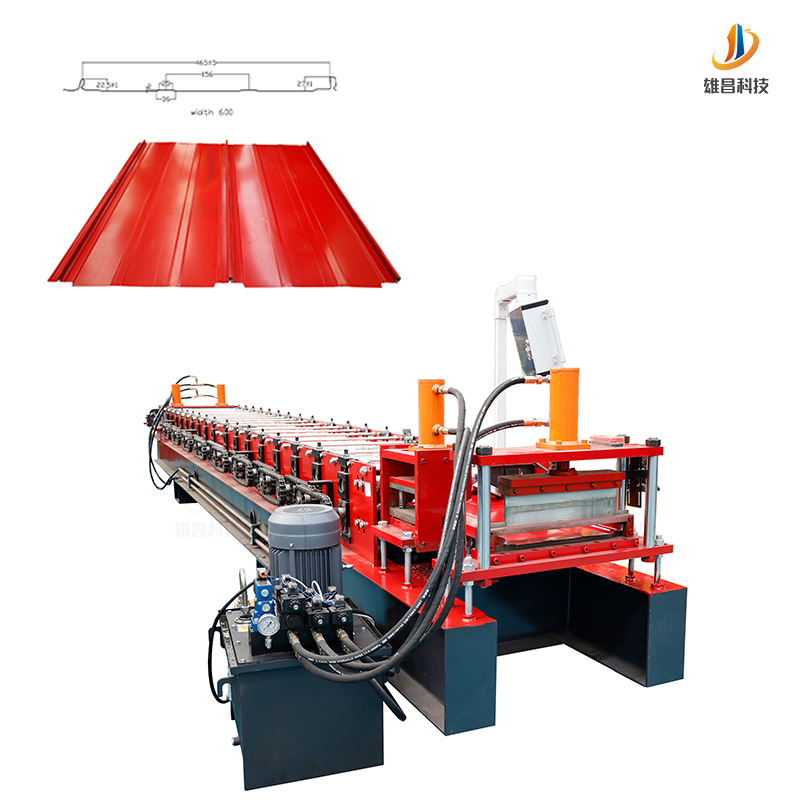
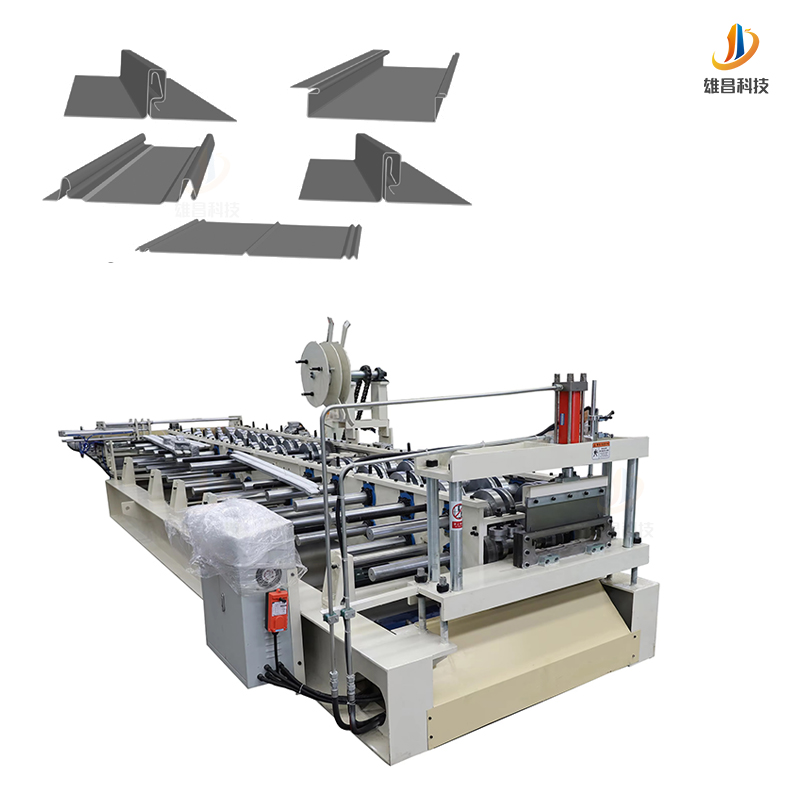
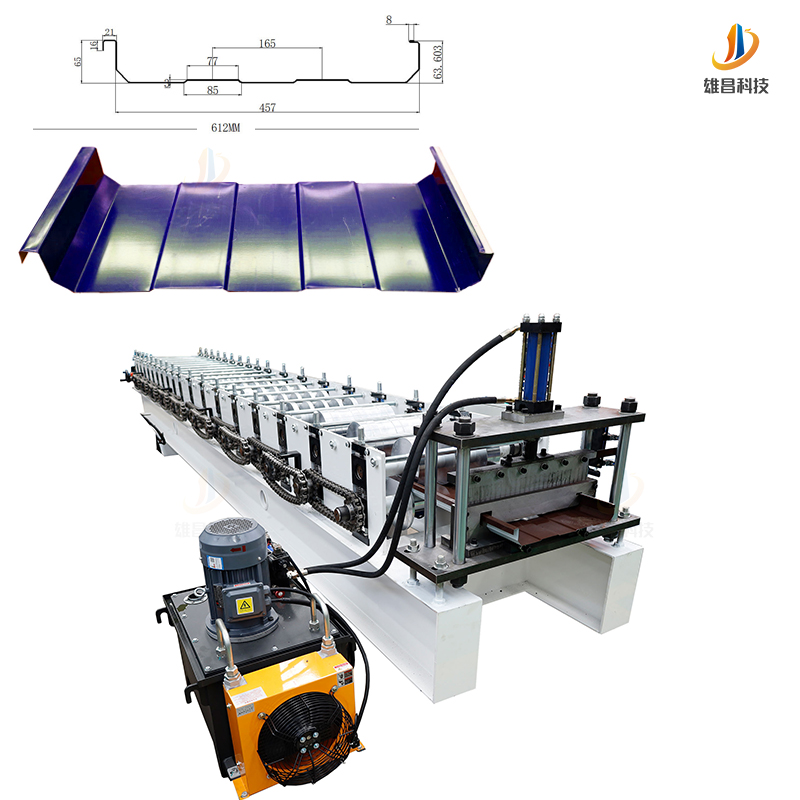
Yes. Most XC machines are built to order. Our engineers develop the roll pass design (flower pattern) from your drawing or sample, so regional profiles such as IBR, Tuff-Rib, Klip-Lok style or Spanish-style tiles can be matched closely.
How is machine quality verified before shipment?
Every line is assembled and test-run in our factory with coil that matches your specification. Sample panels are measured against your drawing, and a trial-run video plus inspection photos are shared for your approval before packing.
What is the typical lead time for a roll forming machine?
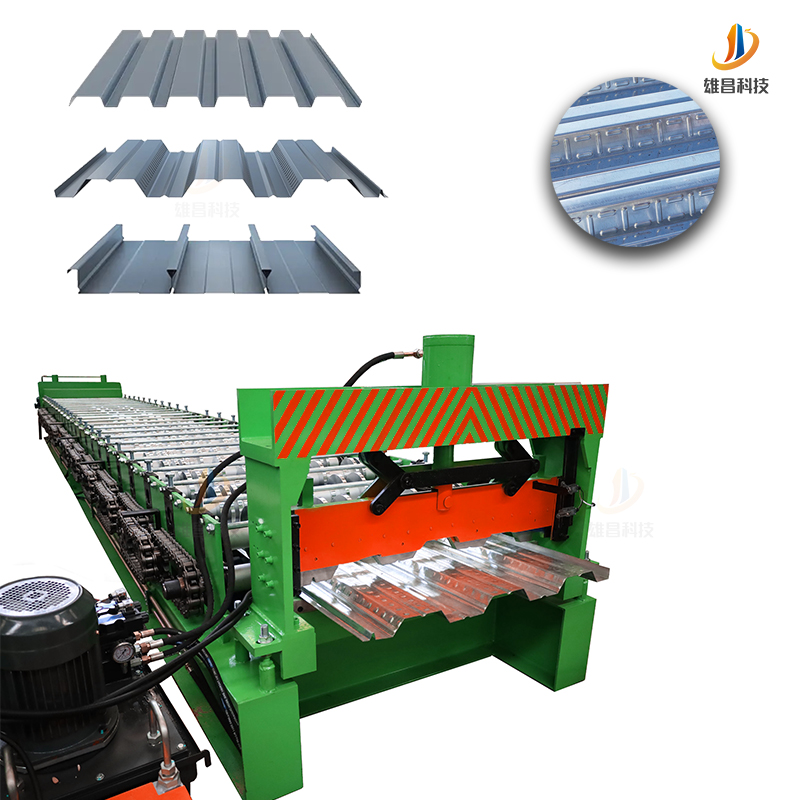
Standard roofing sheet lines are commonly ready within 30 to 45 working days after drawing confirmation. Purlin, floor deck, double layer and fully customized lines may take longer. The confirmed schedule is stated in each proposal.
What after-sales support does XC provide to overseas buyers?
XC provides English manuals and electrical diagrams, remote video guidance for installation and commissioning, on-site engineer service on request, and spare parts supply such as blades, bearings and electrical components.
Can machines be configured for my local power supply?
Yes. Motors, hydraulic stations and control cabinets are configured to your site voltage and frequency, for example 220V, 380V, 415V or 440V at 50Hz or 60Hz, with HMI language options for operators. For Nagoya, we specifically review 200 V three-phase and 60 Hz requirements before confirming the electrical scope.
What does ODM mean for a Nagoya distributor or builder?
ODM means the machine platform can be engineered around your profile, branding, documentation and market requirements instead of being limited to a fixed catalogue model. It is suitable for distributors who want a private-label range or builders who need a production line tuned to their own framing system.
How do you protect JIS-compatible galvanized and prepainted steel during forming?
The roll pass design, roll material, surface finish, entry guiding and strip tension all affect coating protection. We review bend radius, thickness and coating type, then test with matching coil where possible. The acceptance report focuses on edge wave, twist, camber and visible coating damage at the bend zones.
What documentation can be provided for Japanese buyers?
Typical documentation includes machine layout, foundation plan, electrical diagrams, operation manual, maintenance schedule, spare-parts list, inspection records and trial-run reports. Japanese-language documents or local installation support can be discussed as project-specific options through our regional service partners.
How do you support installation and commissioning in Nagoya?
Support can be delivered through remote video guidance, English-language commissioning documentation and, when required, on-site engineer service. For Nagoya projects we also plan critical spare parts, recommend local installation partners and define a response path before shipment.
Why compare total profile cost instead of machine price alone?
The purchase price is only one part of the business case. Profile tolerance, changeover time, coating yield, line uptime, spare-parts cost and commissioning speed determine how much profit the machine generates over its life. A slightly higher machine price can be the lower-cost choice if it reduces rework and downtime.
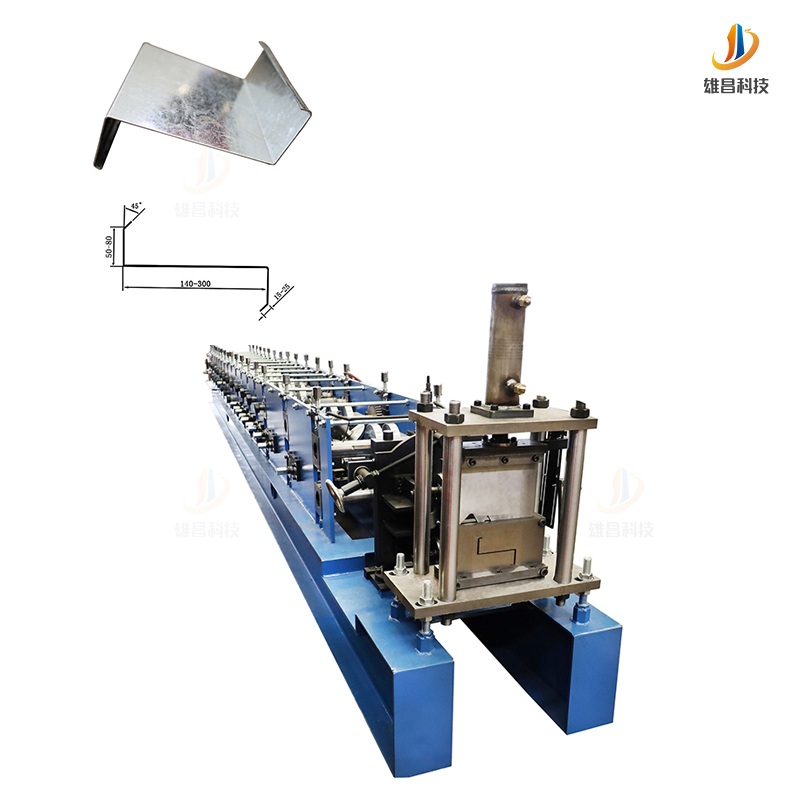
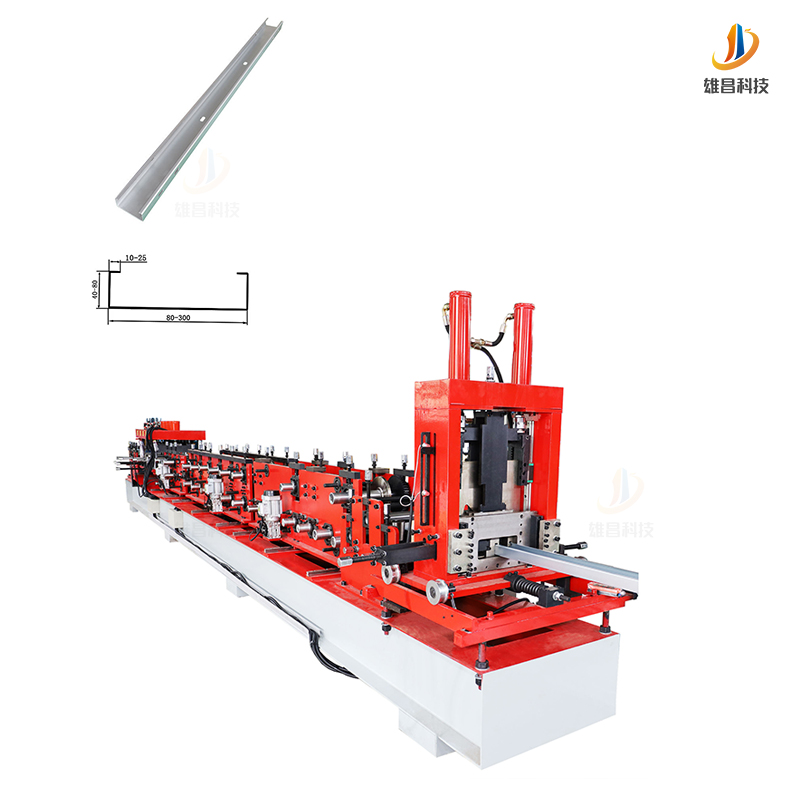
Can one line produce both C studs and U tracks?
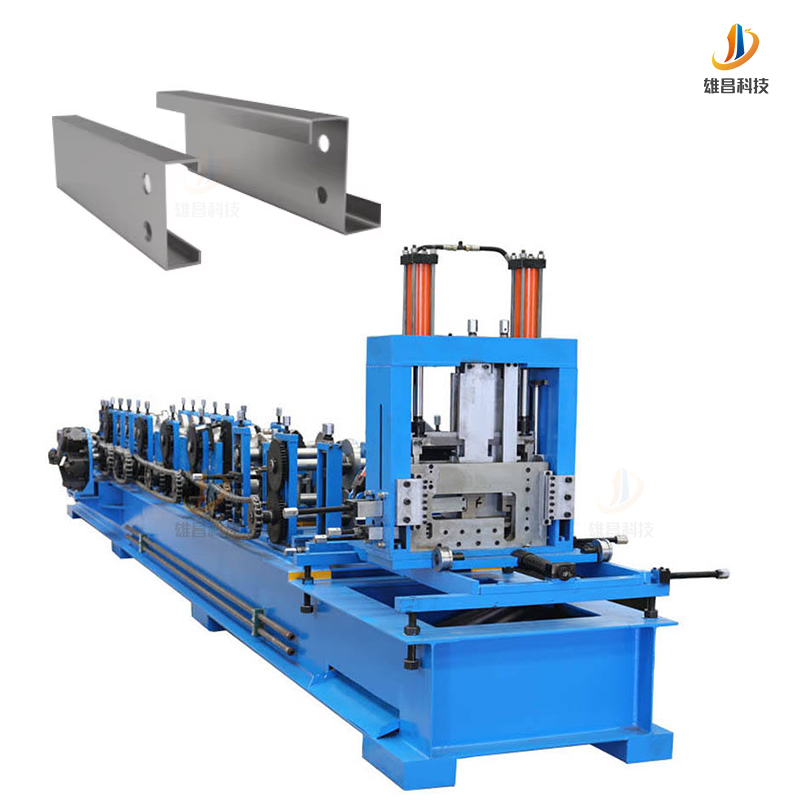
Depending on profile similarity, width range and changeover requirements, a single roll forming platform can be configured for multiple sections. For significantly different profiles, a dedicated line or cassette-based changeover may be more practical. The decision should be based on batch size, changeover frequency and tolerance requirements.