What information do I need to send for an accurate roll forming machine proposal?
Send your profile drawing or a photo of a sample panel, material type (PPGI, GI, Galvalume or black steel), thickness range, yield strength, coil width, required output per shift, and your local voltage and frequency. With these details our engineers can define the number of forming stations, roller material, cutting system and motor power.
Can XC build a roll forming machine for a local or non-standard profile?
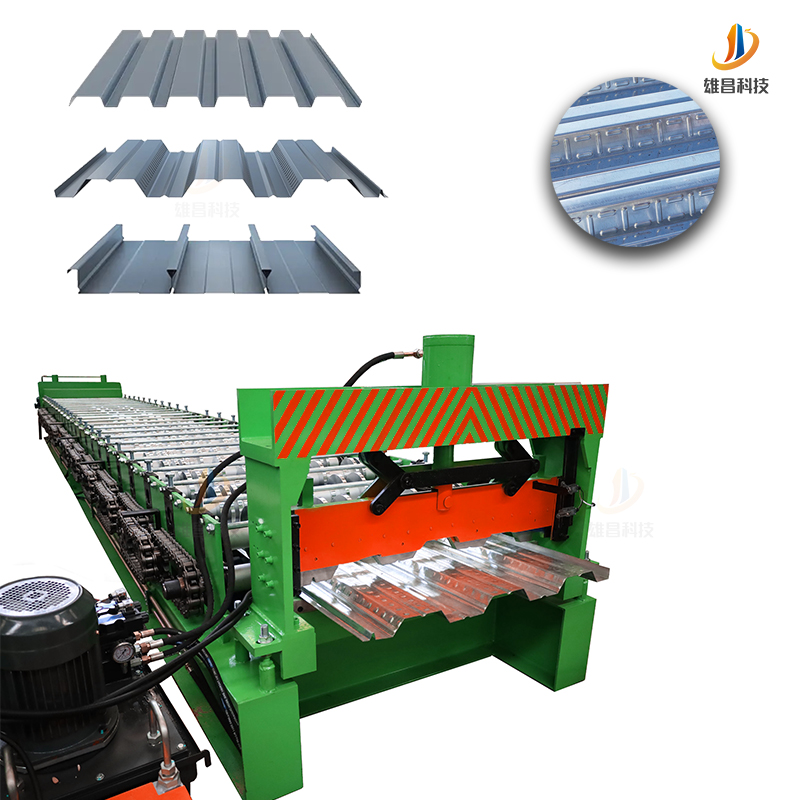
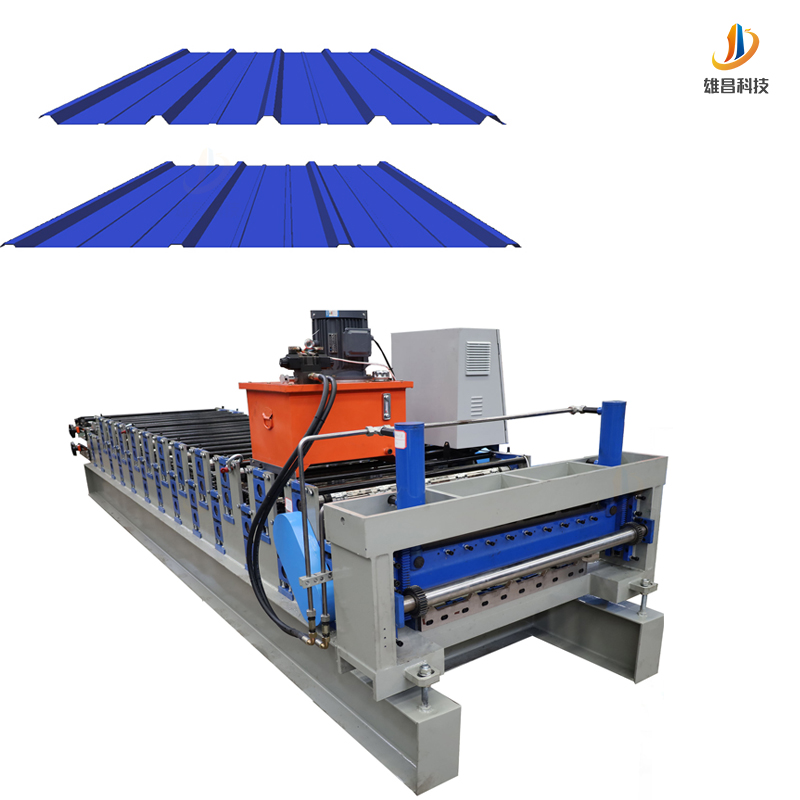
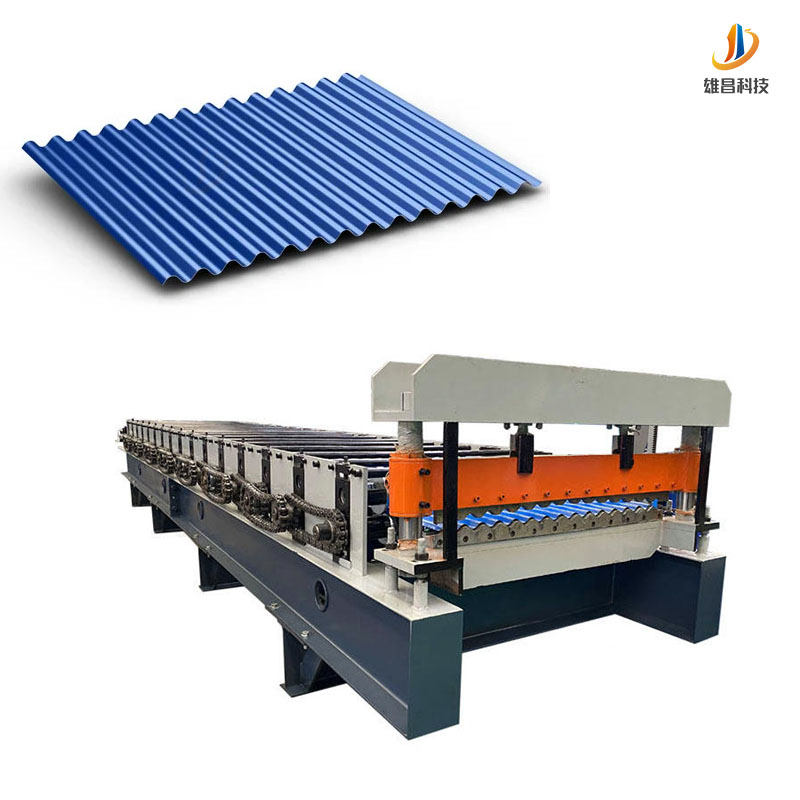
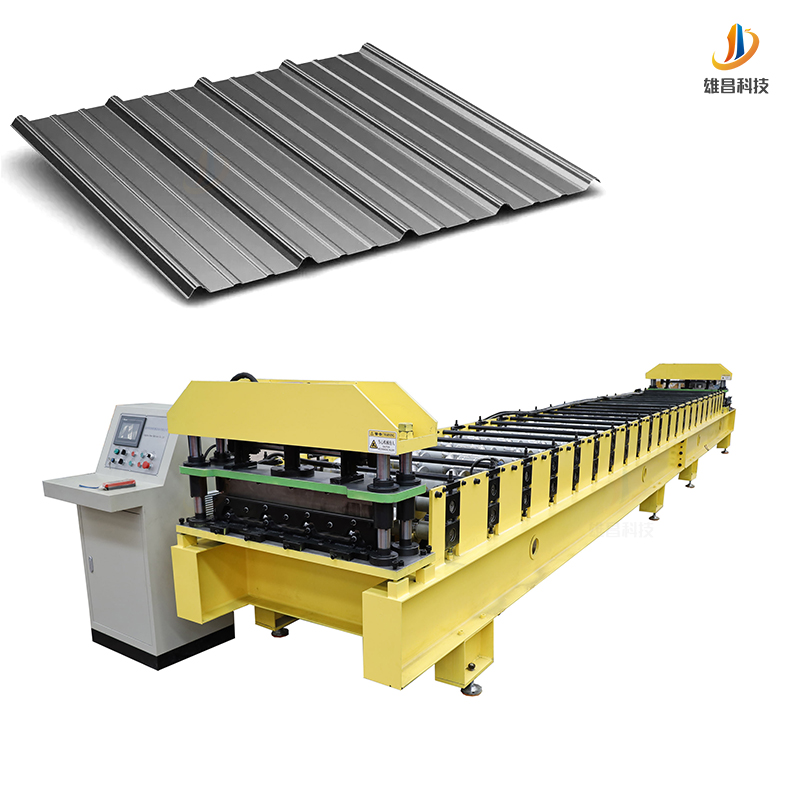
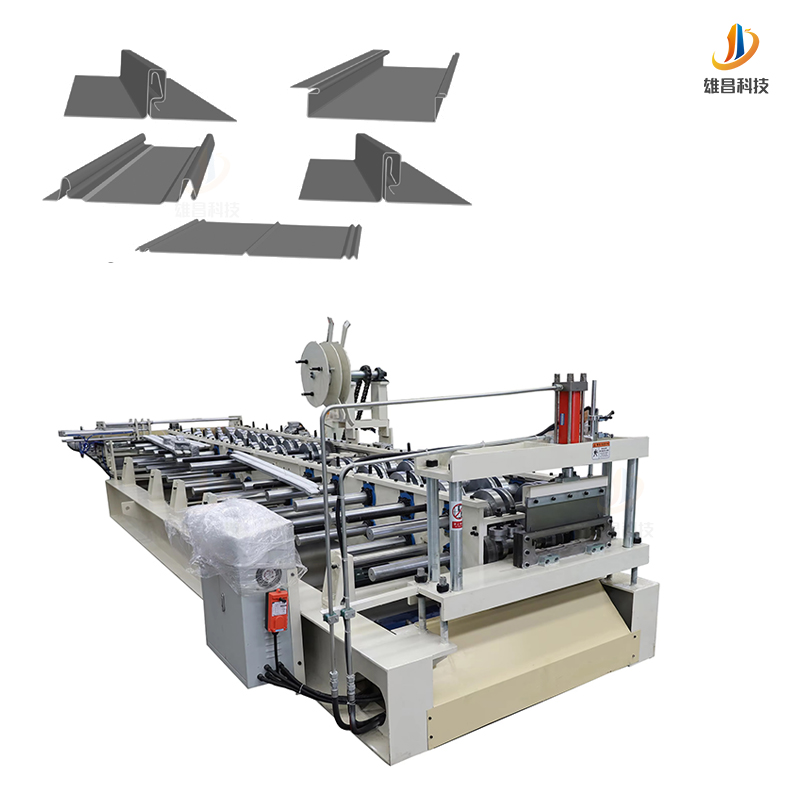
Yes. Most XC machines are built to order. Our engineers develop the roll pass design (flower pattern) from your drawing or sample, so regional profiles such as IBR, Tuff-Rib, Klip-Lok style or Spanish-style tiles can be matched closely.
How is machine quality verified before shipment?
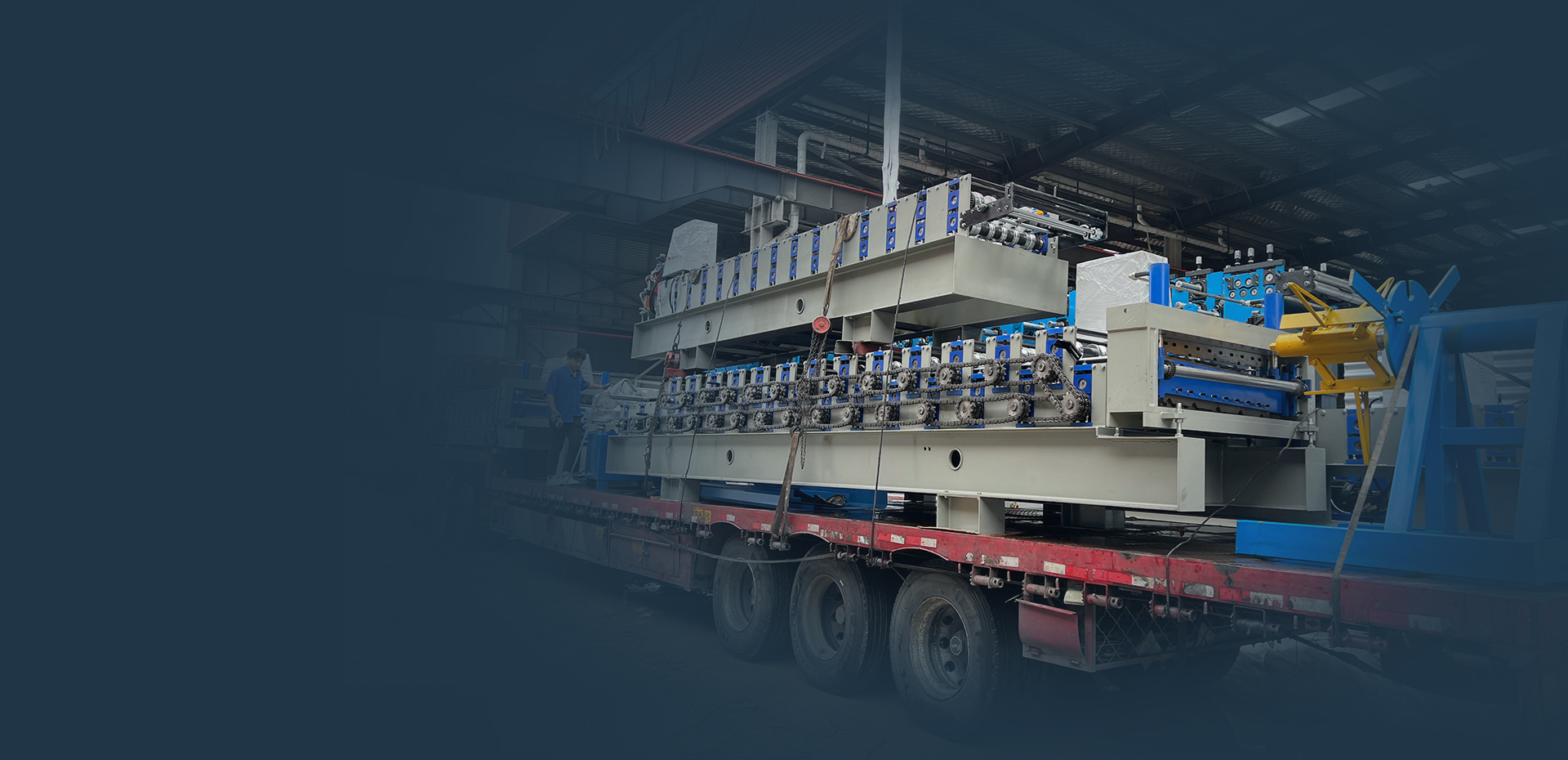
Every line is assembled and test-run in our factory with coil that matches your specification. Sample panels are measured against your drawing, and a trial-run video plus inspection photos are shared for your approval before packing.
What is the typical lead time for a roll forming machine?
Standard roofing sheet lines are commonly ready within 30 to 45 working days after drawing confirmation. Purlin, floor deck, double layer and fully customized lines may take longer. The confirmed schedule is stated in each proposal.
What after-sales support does XC provide to overseas buyers?
XC provides English manuals and electrical diagrams, remote video guidance for installation and commissioning, on-site engineer service on request, and spare parts supply such as blades, bearings and electrical components.
Can machines be configured for my local power supply?
Yes. Motors, hydraulic stations and control cabinets are configured to your site voltage and frequency, for example 220V, 380V, 415V or 440V at 50Hz or 60Hz, with HMI language options for operators.
Is the machine suitable for Egypt’s 380V/50Hz industrial supply and hot, dusty climate?
Yes, when configured correctly. We can specify 380V/50Hz motors and controls, sealed cabinets, heat-resistant wiring, dust filters, phase protection and optional voltage-stabilisation recommendations. For coastal factories, we also review surface protection and electrical enclosure selection. Please provide your plant’s actual voltage, phase and frequency before order confirmation.
Do you provide spare parts and local support in Egypt or the MENA region?
XC supplies spare parts such as blades, bearings, encoder components, hydraulic parts and electrical wear items. Support can be delivered remotely by video, or on-site by arrangement. For Egypt projects, we recommend agreeing a recommended spare-parts kit before shipment so production is not interrupted by a single imported component.
Which Egyptian ports do you use for shipping roll forming machines?
Shipments are commonly arranged to Alexandria, Damietta, Port Said or Suez, depending on the buyer’s location and freight route. We provide export packing, packing list, electrical diagrams, inspection records and shipping documentation to support customs clearance. Final HS code and documentation should be confirmed with the buyer’s freight forwarder and customs broker.
Can the line be used for load-bearing light gauge steel framing in Egypt?
A roll forming machine can produce the profiles, but load-bearing cold-formed steel system design must be engineered and approved by qualified structural engineers under the applicable Egyptian requirements and project specifications. XC supports profile geometry, hole patterns and machine capability; structural compliance, fire performance and site connection design remain the responsibility of the project’s engineer and local authority.