Four roll forming machines to start your Greek production plan
The first four systems below are matched to the Greek market for composite slabs, hotel and villa roofing, steel-framed buildings and purlin fabrication. Original product URLs are preserved and presented as inquiry buttons for procurement teams, fabricators and distributors.
-
 Composite slab focus
Custom Floor Deck Roll Forming Machine for Greece
Original listing: Custom Floor Deck roll forming machine Manufacturer, Factory
For multi-storey concrete-steel composite floors, embossed deck profiles, stable cover width and profile-matched cutting are critical. Configure the line for galvanized coil, 0.7–1.5 mm, and Greek site voltage before shipment.
View product & engineering data -
 Villa & hotel roofing
Glazed Tile Roll Forming Machine for Greek Villas & Hotels
Original listing: China Glazed Tile Roll Forming Machine Factory, Company
Ideal for hospitality, residential and renovation projects where decorative step-tile appearance matters. Hydraulic pressing and PLC control help maintain step depth and clean tile lines across coated steel coils.
View product & engineering data -
 Steel structure supply
ODM Metal C Purlin Line for Greek Steel Buildings
Original listing: ODM Metal C Purlin Roll Forming Machine Manufacturers, Factory
Designed for warehouses, industrial halls, logistics centres and commercial steel frames. Pre-punching and post-cutting options let fabricators deliver ready-to-erect C purlins with repeatable holes and lengths.
View product & engineering data -
 Flexible fabrication
C/Z Interchangeable Purlin Machine for Greek Fabricators
Original listing: Custom C Z Interchangeable Purlin Machine Factories, Companies
One investment for both C and Z purlins, with rapid size changeover for mixed project portfolios. A practical choice for Greek steel contractors serving tourism, logistics and public-building projects.
View product & engineering data
Why floor deck roll forming is a strategic opportunity in Greece
Greece combines a recovering construction market, high tourism investment, port-led logistics, seismic design requirements and coastal climate exposure. These conditions reward roll forming suppliers who can combine profile accuracy, corrosion-aware engineering and documentation discipline.
For Greek builders, the business case for a floor deck roll forming machine is not simply “buying a machine”. It is a production strategy. Composite steel deck is used in multi-storey offices, hotels, apartments, retail spaces, logistics buildings, industrial mezzanines and renovation projects where speed of construction, reduced wet trades and predictable slab weight matter. A locally controlled roll forming line allows a fabricator to shorten lead times, coordinate profile lengths with structural drawings, reduce freight damage on imported panels and respond quickly to contractors working in Attica, Thessaloniki, Crete, Patras and the islands.
The Greek market also has specific technical expectations. A large share of the country is in seismic zones, so floor deck design is rarely separated from the overall structural system. Engineers expect deck profiles to work with shear studs, reinforcement, concrete topping and diaphragm assumptions. Coastal humidity and salt exposure increase the importance of galvanized coating quality, stacking practice and surface protection during storage. Fire resistance, acoustic performance and slab serviceability are frequently reviewed alongside cost. For these reasons, the best roll forming partner is one that can discuss profile geometry, yield strength and coil coating — not only motor power and line speed.
Greek steel fabricators often work across multiple building types rather than one single product. A company may need floor deck for a hotel extension, purlins for a warehouse, standing seam for an architectural roof and corrugated or IBR sheets for industrial buildings. This creates value in a modular equipment strategy: purchase a core machine first, then expand with additional profiles, decoilers, stackers and automation as order volume grows. XC supports this roadmap with machine families for roofing, decking, purlins and light-gauge steel framing, all engineered from the same quality and testing philosophy.
Construction recovery and tourism investment
Hotel refurbishment, residential upgrades, logistics facilities and public infrastructure create recurring demand for fast, accurate metal building products. Roll forming supports short project cycles and local customisation.
Seismic engineering discipline
Composite deck must integrate with diaphragm design, shear connectors, edge details and concrete placement. Machine consistency protects the geometry assumptions made by structural engineers.
Import, freight and project speed
Greek buyers often compare delivered cost, not only machine price. A well-packed line shipped through Piraeus or Thessaloniki, with clear manuals and remote commissioning, reduces installation risk and starts production faster.
Macro industry solution: from single machine to a Greece-focused production cell
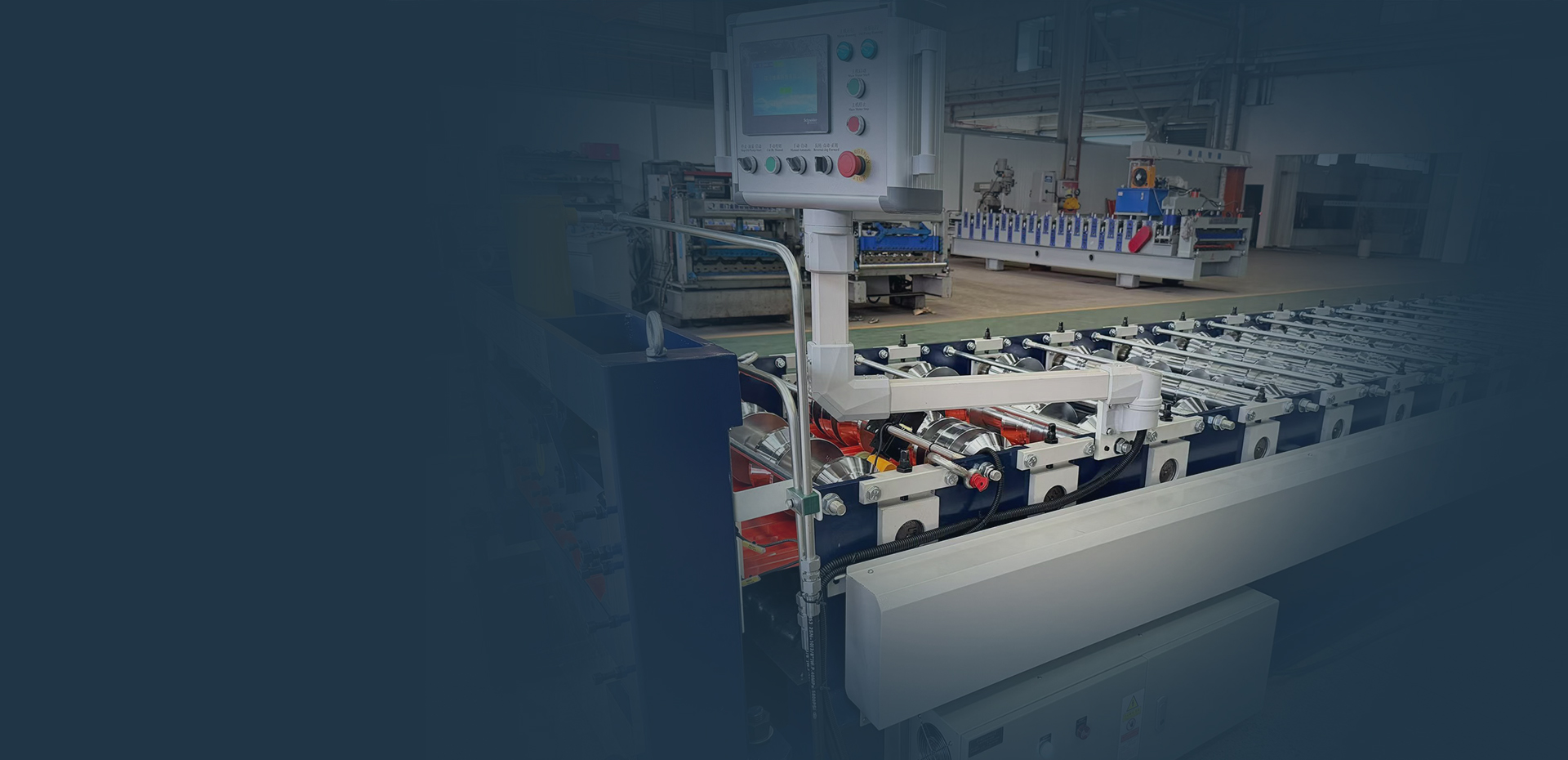
A practical Greek roll forming production cell normally starts with a decoiler, entry guide, forming mill, hydraulic cutter, output table and PLC/HMI control. For floor deck, an embossing station is often needed to improve mechanical bond with concrete. For purlins, pre-punching and length optimisation are common. For standing seam, seam geometry and panel width control are decisive. XC engineers review the finished assembly route — lifting, stacking, transport and installation — because a machine that produces accurate panels but slows down site handling has not solved the real business problem.
Our recommended decision framework for Greek buyers is three-stage. First, define the profile and material: coil type, thickness range, yield strength, zinc coating and paint system. Second, define the commercial target: daily output, average order length, changeover frequency, labour availability and power supply. Third, define the risk controls: import documentation, CE-related requirements, spare parts plan, operator training and remote support. This approach produces a specification that procurement teams can compare fairly across suppliers, including XC.
What a Greece-ready floor deck line must solve
The Greek market is not a generic export destination. Design coordination, corrosion exposure and site support determine whether a line becomes a profitable asset or a maintenance burden.
Composite slab geometry
Deck depth, rib shape, embossing pattern and cover width must match structural drawings. Stable roll passes protect dimensional consistency over long runs.
Coating and corrosion protection
Coastal projects require careful handling of galvanized and pre-painted coil. Roller finish, pass design and stacking guidance help avoid scratches, zinc cracking and edge damage.
Seismic and fire coordination
Deck panels interact with shear studs, reinforcement, fire protection and concrete topping. Accurate forming supports the assumptions used by structural and fire engineers.
Site power and operator usability
Machines can be configured for Greek 400V/50Hz supply, with HMI language options and clear electrical documentation for local electricians and maintenance teams.
Global commercial and industrial status of roll forming
Cold roll forming continues to expand because it aligns with industrialised construction, lightweight steel design, renewable energy mounting systems and high-volume metal building products.
Globally, roll forming is moving from a general fabrication method to a data-enabled production system. Buyers increasingly ask for repeatable quality, traceable material batches, quick changeover, lower energy consumption and remote support. In Europe, the transition is shaped by CE marking, machinery safety expectations, Eurocodes and project-specific quality documentation. In the Balkans and Eastern Mediterranean, port access, currency planning and spare parts availability often influence the final equipment decision as much as initial price.
Greece sits at the intersection of European standards and Mediterranean project logistics. A machine supplied to Greece may also serve projects in Bulgaria, North Macedonia, Albania, Serbia, Romania or Cyprus. This makes flexible profile capability and reliable technical documentation valuable beyond the first installation. For floor deck producers, the same line may run different deck depths or cover widths by changing roll sets, cutting blades and PLC recipes. For roof and wall producers, double-layer, IBR, corrugated and standing seam capability can open multiple market segments.
Industrial buyers are also watching material trends. Higher-strength steels can reduce weight, but they demand more careful roll pass design, drive sizing and springback compensation. Pre-painted and metallic-coated coils require coating-safe forming. Solar mounting, energy infrastructure, warehouse mezzanines and modular construction add new profile families. A manufacturer that can connect forming engineering with end-use performance has a clear information advantage.


Localised support and compliance assurance for Greek buyers
Compliance is a process, not a sticker. XC supports Greek customers with technical files, machine configuration, documentation, packaging and commissioning planning aligned with the project reality.
CE-related machinery documentation
Electrical diagrams, operating manuals, safety-related information and inspection records can be prepared to support the equipment documentation package required by the buyer and local integrator.
EN 1090 / Eurocode coordination
For steel building projects, profile geometry and purlin or deck tolerances may need to align with execution class and Eurocode design assumptions. Our engineers can review drawings with your structural team.
400V/50Hz and local power
Motors, hydraulic stations and control cabinets can be configured for Greek 400V/50Hz supply, with appropriate protection and clear documentation for local commissioning electricians.
Piraeus shipping and spares plan
Export packing, component labelling and a recommended spare parts list help Greek buyers reduce downtime. Remote video support and on-site engineer service are available on request.
A practical Greek compliance checklist includes: confirmed coil standards and mill certificates; voltage and frequency; operator language; guarding and emergency-stop logic; electrical component brand and spare availability; CE-related file expectations from the end client; lifting and foundation drawings; and a commissioning plan that covers local electricians, operators and maintenance staff. For projects involving public buildings, hospitality or industrial facilities, we recommend documenting the machine acceptance test with measured sample panels and a trial-run video before balance payment.
Localised application scenarios for roll formed profiles
Greek demand is diverse: tourism, urban renewal, logistics, port infrastructure, agriculture and public works. Each application places a different priority on finish, tolerance, speed and corrosion protection.
Architecture & building materials
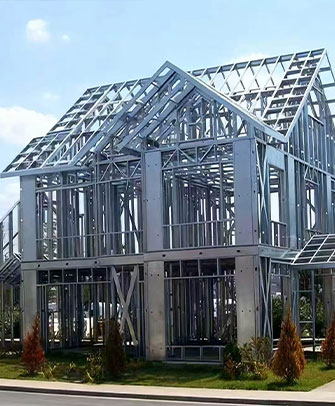
Floor deck, roofing sheets, standing seam and purlins for hotels, apartments, commercial buildings and mixed-use developments. The priority is dimensional consistency and predictable site fit.
Industrial and logistics buildings
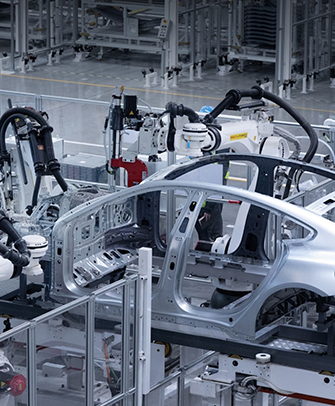
Purlin lines, floor deck, IBR and corrugated sheets for warehouses and distribution centres near Athens, Thessaloniki and port areas. High output and repeatability reduce project cycle time.

Hospitality refurbishment
Decorative glazed tile, standing seam and light-gauge framing for hotel upgrades. Coastal projects need careful surface protection and coating handling during forming and storage.

Transport and port infrastructure
Long, heavy-gauge profiles for industrial structures, transport equipment, guardrails and port facilities. Rigid stands and accurate cut-off are critical for long components.

Solar and new energy
Mounting rails, strut channels and support brackets for solar projects. Inline punching, consistent hole pitch and fast changeover help suppliers meet renewable-energy demand.
Furniture, racking and office systems
Shelving uprights, racking beams and partition studs benefit from consistent straightness and hole position. These small profiles can create steady revenue alongside building products.
Technology roadmap and future outlook for cold roll forming
Roll forming machines are becoming more digital, more efficient and more adaptable. Greek producers can use this transition to compete on service and engineering responsiveness rather than only price.
Digital twin and roll pass simulation
Simulation of strip deformation helps predict edge waves, springback and coating strain before cutting steel. The result is faster profile development and fewer trial iterations.
Servo and automation integration
Servo-driven adjustments, automated cut-length recipes, inline punching and stacking reduce changeover time and dependence on operator experience, supporting flexible batch production.
IoT monitoring and predictive maintenance
Machine data can track motor load, cycle counts, hydraulic pressure and fault patterns. For remote Greek operations, connected diagnostics can shorten response time and guide spare-part planning.
Green steel and energy efficiency
Lower-energy drives, optimized motor sizing and coating-safe forming support sustainability goals. Higher-strength and low-carbon steels will require updated pass designs and quality records.
For Greek manufacturers, the most practical roadmap is phased. Start with a reliable line and a well-defined profile. Add automated length control, stacking and data logging as labour costs and order complexity increase. Use remote diagnostics to connect the machine with XC engineers. Then expand into adjacent profiles such as standing seam, purlin or light-gauge framing. This phased approach reduces capital risk while building operational know-how.
Inside a cold roll forming line: five engineering stages that decide quality
A roll former is only as good as its weakest station. These five stages explain how XC engineers control geometry, coating protection and production reliability.
Decoiler & coil feeding
A manual or hydraulic decoiler feeds coil under controlled tension. Stable unwinding prevents strip wander, the first cause of camber and twisted panels.
Entry guiding
Adjustable entry guides square the strip to the roll centreline before the first pass. Correct alignment here largely decides the straightness of the finished panel.
Progressive forming
Each station bends the strip a few degrees at a time. Roll pass design spreads strain evenly to protect zinc and paint coatings and to avoid edge waves on thin coils.
Hydraulic post-cutting
An encoder measures strip travel and the PLC triggers a profile-matched blade. The result is burr-free cuts within ±1 mm, without crushing ribs or seams.
PLC & HMI control
A touch-screen HMI stores batch lengths and quantities, monitors faults and supports multi-language operation, so new operators get up to speed quickly.
Equipment supply, commissioning and after-sales support
XC supplies more than a machine. We deliver integrated production lines and the technical support needed to keep them productive after installation.

Industry solution: turnkey cold roll forming
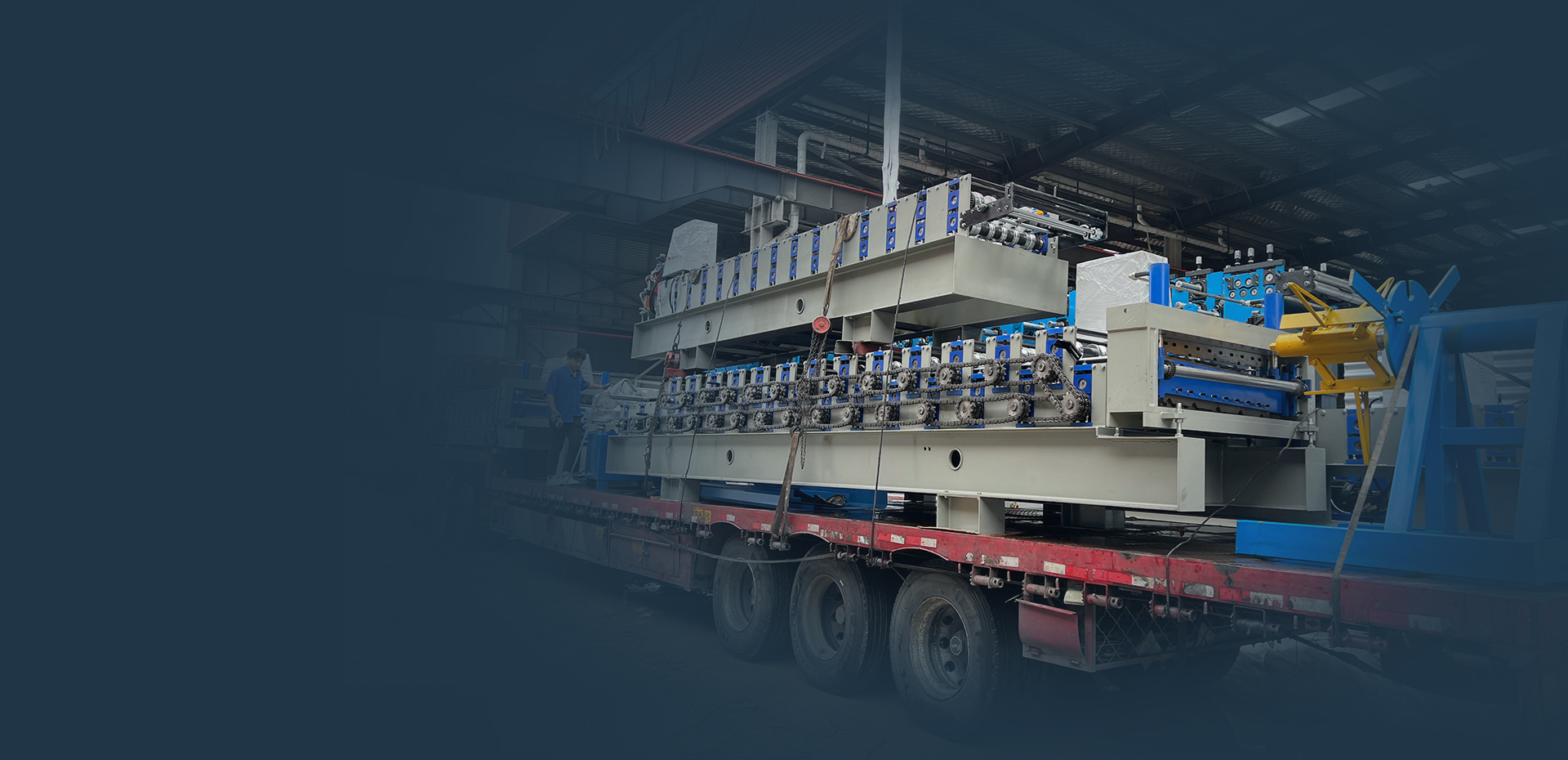
XC delivers complete production lines, including the decoiler, forming mill, punching, cutting, stacking and control system, engineered as one integrated unit so your output starts on schedule. For Greek projects, we review layout, power supply, lifting method and operator workflow before shipment.

Equipment supply & after-sales support
Our customers range from residential roofing suppliers to large industrial and infrastructure contractors. Each line ships with English manuals, electrical diagrams, spare parts recommendations and remote or on-site commissioning, which supports long-term operational reliability.
An integrated roll forming specialist for Greece and global markets
Sichuan Xiongchang Technology Co., Ltd. (XC) designs and manufactures cold roll forming equipment for roofing, flooring, door and structural components, together with the auxiliary line equipment each system needs to run efficiently.
Our team brings more than 20 years of hands-on roll forming experience. That experience shows in the details buyers notice after installation: rollers that hold tolerance, coatings that do not crack at the bend, and panels that fit on the roof the first time.
- Design from drawing, sample or photo
- In-house machining and assembly
- Video acceptance before payment balance
- Lifetime technical support


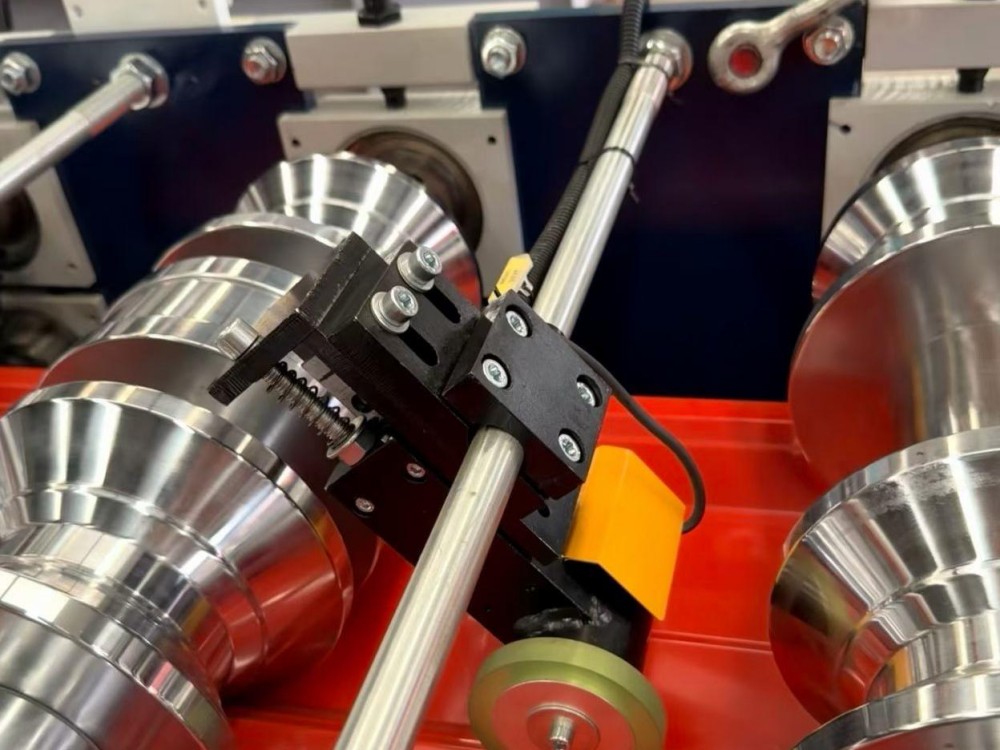 01
Proven expertise & innovation
Two decades of profile development across roofing, structural and decking applications. We have solved the edge waves, flare and coating cracks that cheaper machines leave to the buyer.
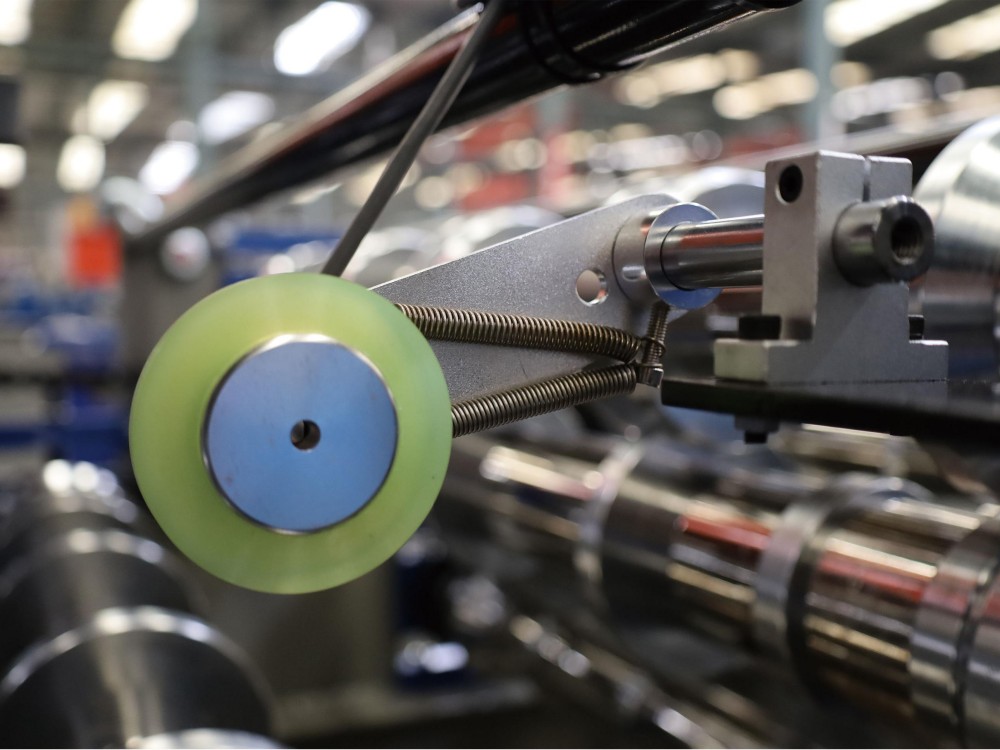 02
Built for performance & longevity
Rigid frames, precision-machined shafts and hard-chrome plated rollers keep profiles within tolerance shift after shift. That protects your margin and your reputation with contractors.
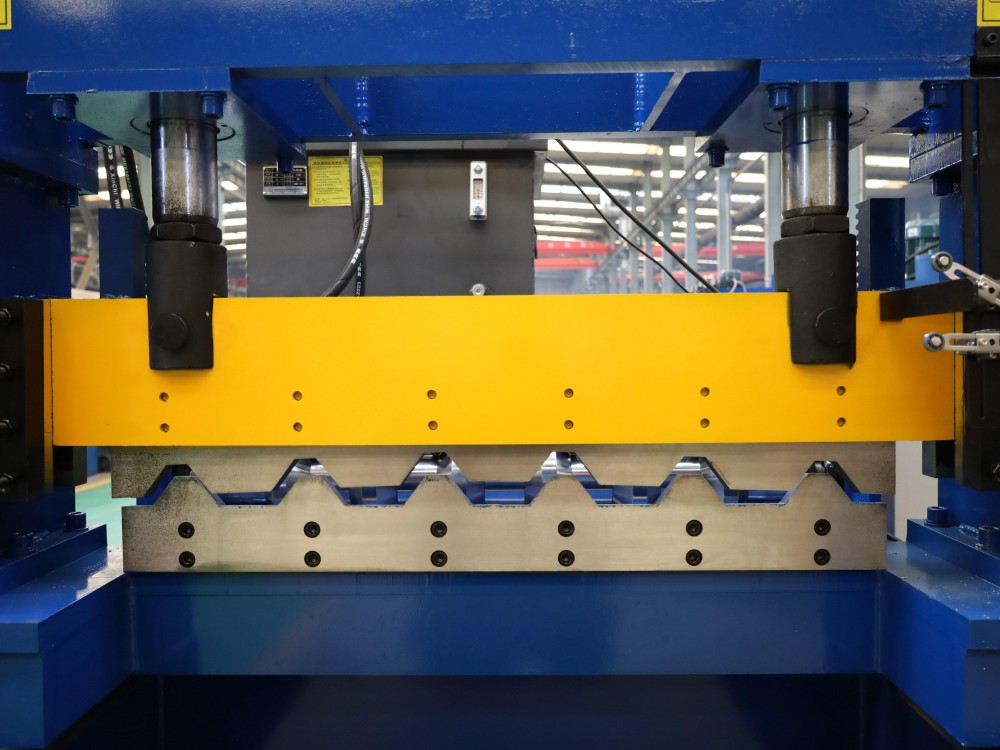 03
Commitment to customer success
Engineers answer technical questions directly, from pre-sale profile review to commissioning and spare parts. You get one accountable team for the full life of the machine.
Compare roll forming machines before you request a quote
Quotes are only comparable when the specifications are. Use these indicative ranges and the key check for each machine type to judge any supplier’s offer, including ours.
| Machine Type | Typical Coil Thickness | Forming Stations | Typical Line Speed | What to Verify in a Quote |
|---|---|---|---|---|
| Trapezoidal / IBR Roofing | 0.3–0.8 mm | 16–22 | 15–30 m/min | Roller material and chrome thickness; shaft diameter |
| Corrugated Roofing | 0.3–0.6 mm | 18–24 | 15–30 m/min | Wave pitch accuracy and edge waviness on thin coil |
| Glazed Step Tile | 0.3–0.7 mm | 12–18 | 3–6 m/min | Press-station cycle and step-depth consistency |
| Standing Seam | 0.4–0.8 mm | 12–20 | 10–20 m/min | Seam system compatibility and panel width adjustment |
| C/Z Purlin | 1.5–3.0 mm | 14–20 | 10–20 m/min | Size-change method and punching dies |
| Floor Deck | 0.7–1.5 mm | 20–30 | 10–15 m/min | Embossing pattern and frame rigidity for deck depth |
Ranges reflect typical XC configurations for reference only. Final parameters are engineered to your profile drawing, material yield strength, output target and site power supply.
From profile drawing to first panel
A transparent five-step process, so overseas buyers know exactly what happens and when.
Profile & coil review
Send your drawing, sample or photo plus coil data. Engineers check that the profile can be formed and flag any risks.
Roll pass design & proposal
You receive the station count, roller material, drive and cutting system, power configuration and a confirmed schedule.
Manufacturing & QC
Frames, shafts and rollers are machined and assembled in-house, with inspection at each critical stage.
Trial run & acceptance
The line runs with coil matching your specification. Samples are measured, and a video report is shared for approval.
Shipping & commissioning
Export packing, documentation, then remote or on-site installation and operator training.
Field knowledge from our engineers

Roll forming advantages and applications
Why continuous roll forming beats press braking for long, consistent profiles, and which industries gain the most from it.

Bearing damage in multi-stand roll forming stations
Six root causes of bearing failure, the diagnostic checks to run first, and how they show up as strip tracking loss and coating defects.

Zinc & colour coating cracking at bending zones
From bend radius to roll pass design, this article explains what makes coatings crack at the bend line and how coating-safe forming prevents it.
Original XC product range and navigation
Every original product category and resource link is preserved below for buyers who want to compare adjacent machine families, request a catalog or review global service information.
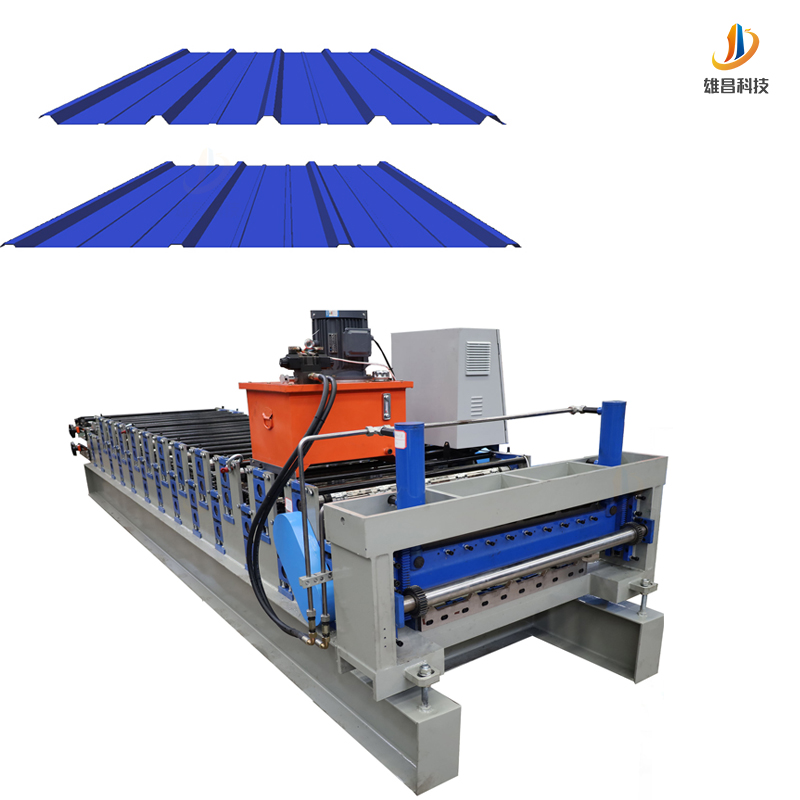
Double layer roll forming machine
Two roofing profiles on one frame, such as trapezoidal and corrugated. This cuts floor space and capital cost for suppliers serving mixed markets.
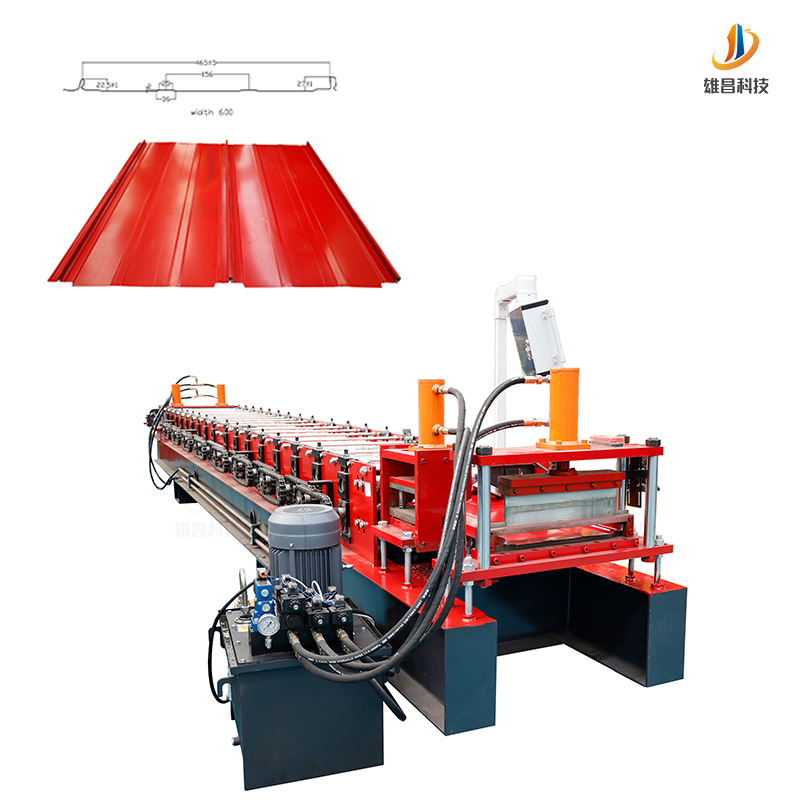
Nail strip standing seam panel machine
Snap-lock panels with an integrated nailing flange. No separate clips are needed, which makes it ideal for residential and light commercial roofs.
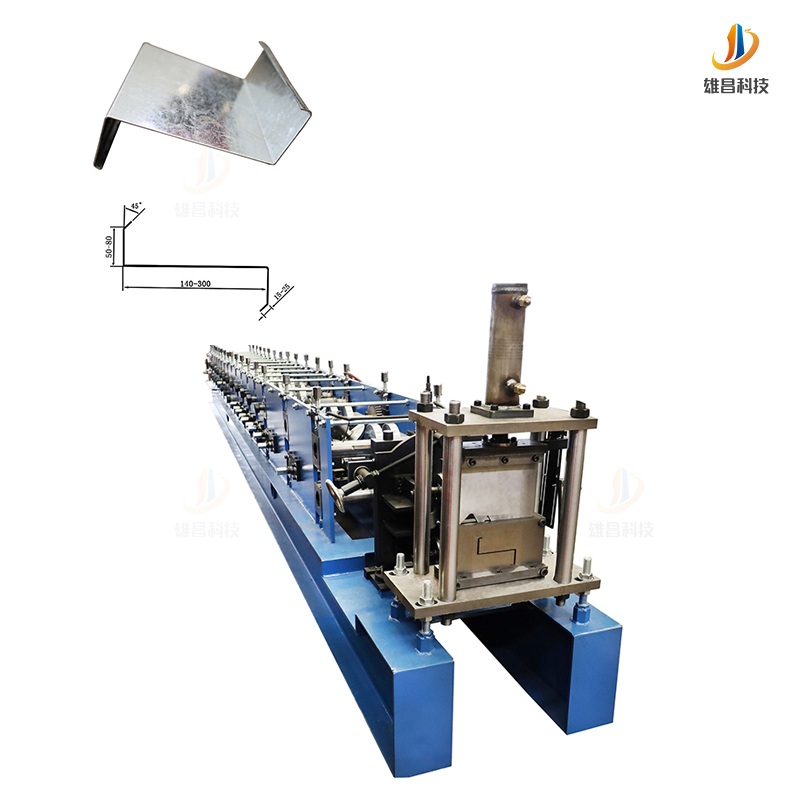
Z purlin cold roll forming machine
A dedicated Z-section line with lapping capability for continuous purlin runs on long-span roofs and wall girts.
Full XC machine portfolio
ProductsRoofing sheet roll forming machine
Roofing Sheet Roll Forming MachineTrapezoidal roofing sheet machine
Trapezoidal Roofing Sheet MachineCorrugated wave roof tile machine
Corrugated Wave Roof Tile Roll Forming MachineGlazed tile roll forming machine
Glazed Tile Roll Forming MachineDouble layer roofing sheet making machine
Double Layer Roofing Sheet Making MachineStanding seam roll formers
Standing Seam Roll FormersPurlin roll forming machines
Purlin Roll Forming MachinesFloor deck roll forming machine
Floor Deck Roll Forming MachineLight gauge steel roll forming machine
Light Gauge Steel Roll Forming MachineHot products and fast-moving machines
Hot ProductsGlobal service and commissioning
Global ServiceTechnical articles and field knowledge
Hot BlogSearch demand and buyer keywords
Top Search KeywordsRequest the full machine catalog
Request a CatalogQuestions overseas buyers ask us most
Straight answers based on the projects we deliver every year. Need a detail not covered here? Our engineers reply directly.
What information do I need to send for an accurate roll forming machine proposal?
Can XC build a roll forming machine for a local or non-standard profile?
How is machine quality verified before shipment?
What is the typical lead time for a roll forming machine?
What after-sales support does XC provide to overseas buyers?
Can machines be configured for my local power supply?
Is a floor deck roll forming machine suitable for Greek seismic and coastal projects?
Can you support delivery through Piraeus or Thessaloniki?
How do you handle CE-related requirements for Greek buyers?
What should Greek fabricators compare when evaluating suppliers?
 Sichuan Xiongchang Technology Co., Ltd. (XC)
Planning a floor deck or metal building production line for Greece?
Send your profile drawing, coil specification and target output. Our engineers will review the forming route, propose a Greece-ready configuration and clarify documentation, power supply and commissioning options.
Eight more factory-ready roll forming machines for Greece
The second group of original XC products completes the 12-item range. Each card keeps the original product URL and adds a button for fast inquiry, so Greek buyers can compare roofing, standing seam, framing, purlin and agricultural panel systems in one view.
-
 Architectural roofing
Snap-Lock Standing Seam Line for Greek Architectural Roofs
Original listing: China Snap lock Standing Seam Panel machine Manufacturers, Factory
Forms male and female seam legs that snap together by hand. The fit tolerance is controlled for watertight, field-friendly installation on hotels, villas and public buildings.
View product & engineering data -
 Drywall & framing
Metal C Stud Roll Forming Machine for Greek Drywall & Framing
Original listing: China Metal C Stud Roll Forming Machine Manufacturer, Companies
For light-gauge steel framing, partitions and ceiling systems. Stable dimensions and hole pattern control support fast assembly on hospitality, office and residential fit-out projects.
View product & engineering data -
 Light steel framing
LGS Framing U Track Machine for Greek Light Steel Projects
Original listing: China LGS framing U track Roll Forming machine Company, Companies
U track lines complement C stud production for light-gauge steel framing. Ideal for modular construction, drywall systems and rapid interior build-outs in urban projects.
View product & engineering data -
 Island & farm roofing
Corrugated Steel Roofing Machine for Greek Islands & Farms
Original listing: Custom Corrugated Steel Roofing Roll Forming Machine Manufacturer, Company
Rolls sinusoidal corrugated sheets for agricultural, residential and warehouse roofs and walls. An economical, high-volume profile for distributors serving island and rural demand.
View product & engineering data -
 IBR production
Industrial IBR Sheet Forming Machine for Greek Roofing Factories
Original listing: China Industrial IBR Sheet Forming Machine for Metal Roofing Factories, Companies
For trapezoidal IBR profiles used across industrial and commercial buildings. Configure roll tooling, cutter and line speed around your local coil supply and order sizes.
View product & engineering data -
 Large-span roofing
Mechanical Lock Standing Seam Former for Greek Large-Span Roofs
Original listing: Custom Mechanical Lock Standing Seam Panel Former Manufacturers, Company
High-strength panels for field-seamed single or double lock systems. Wind-uplift resistance makes it suitable for large-span industrial and commercial roofs.
View product & engineering data -
 Contractor favourite
PBR Panel Metal Roofing Machine for Greek Contractors
Original listing: China PBR Panel Metal Roofing forming machine Manufacturers, Company
PBR panel capability supports wall and roof projects with familiar lap details. A practical addition for distributors and contractors serving both new-build and renovation work.
View product & engineering data -
 Agricultural panels
Tuff-Rib / AG Panel Machine for Greek Agricultural Buildings
Original listing: ODM Tuff rib panel(AG Panel) forming machine Company, Companies
Produces AG and Tuff-Rib panels with consistent rib height and lap fit. Built for post-frame, agricultural and rural building suppliers requiring durable coated panels.
View product & engineering data