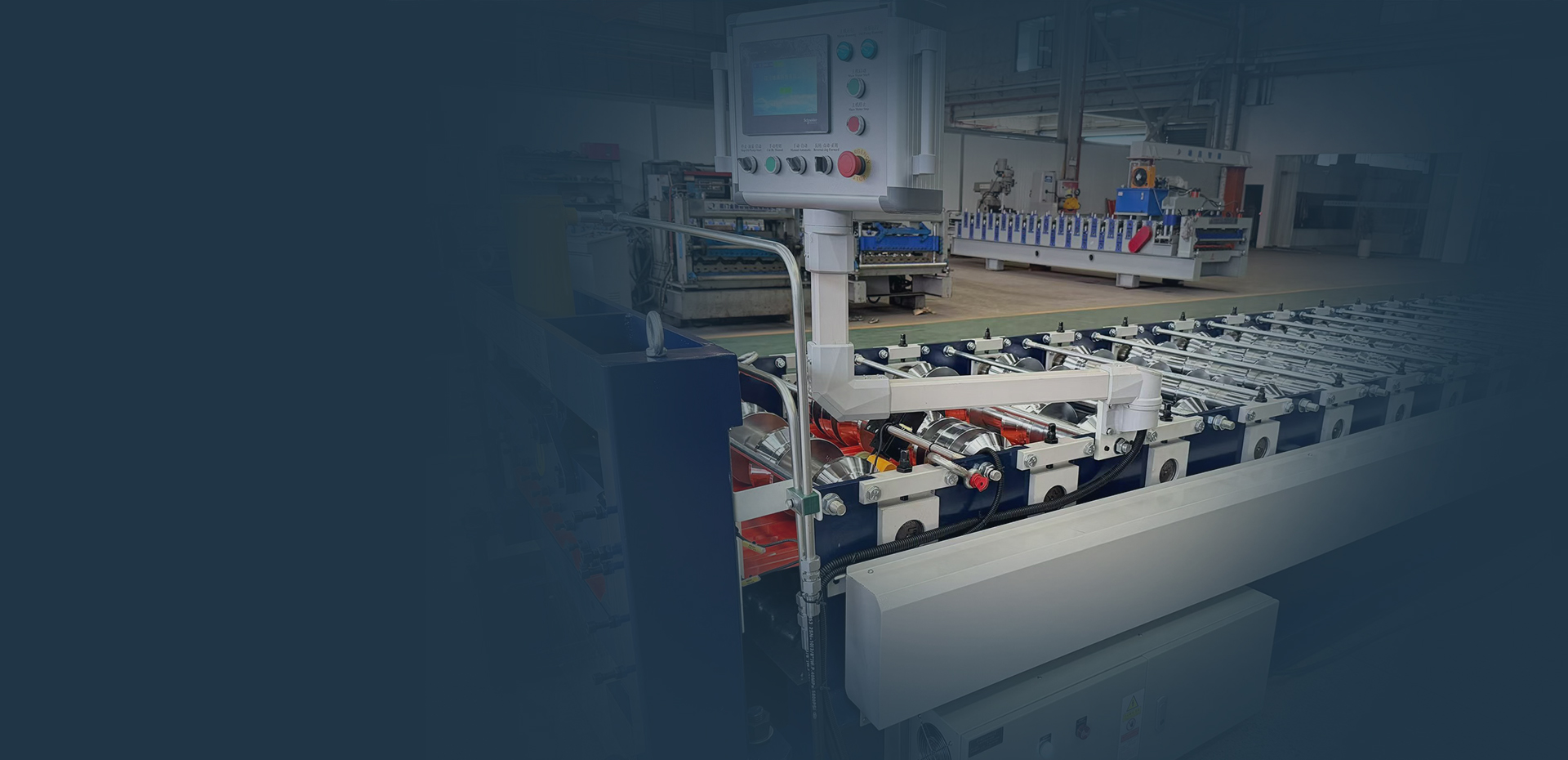
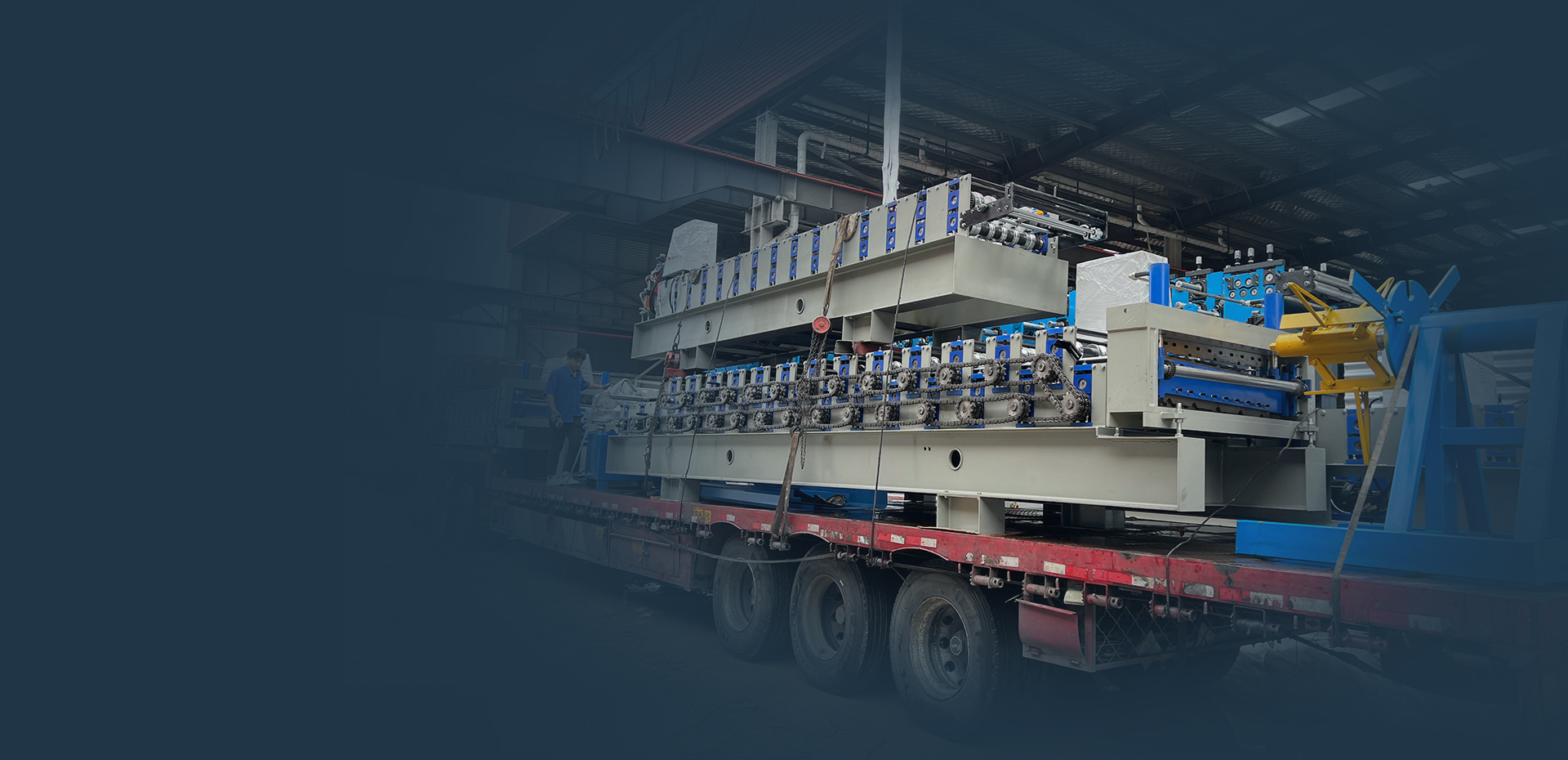
Four Core Configurations

Uruguay-Ready Roofing & Double-Layer Machine Starting Points

The first four configurations below are the most direct entry points for buyers searching for a double layer roofing sheet making machine factory or company in Uruguay. Each product URL, image and original equipment title is retained. Final engineering is matched to your profile drawing, coil specification, voltage and target output.

Executive Summary

Why Uruguay Rewards a Double-Layer Strategy, Not Simply a Lower Price

Uruguay is a compact market with a demanding specification environment. Its population is small, but its construction, agricultural, logistics and hospitality sectors still require a wide mix of roofing profiles. For independent distributors and fabricators, that mix can be expensive when every profile needs its own line.

A double layer roofing sheet making machine combines two profile sets on one frame. In the right configuration, it reduces floor-space demand, shares the decoiler and cut-off system, and gives a Uruguayan supplier the flexibility to serve residential, agricultural and commercial customers without duplicating the entire plant. The commercial value is strongest when buyers think in terms of total cost of ownership, not only the FOB machine price.

The real sourcing question is whether the line can hold rib geometry, protect painted and metallic coatings, switch recipes without excessive scrap, and remain supported after arrival at Montevideo. That is why this white paper covers not only machine components but also climate adaptation, import planning, Spanish-language training, spare-parts strategy, factory acceptance testing and the future technical roadmap for Uruguay.

20+

Years of roll forming industry experience represented by XC engineering and manufacturing teams.

50,000m²

Factory area for machining, assembly, testing and quality control of custom roll forming lines.

1,000+

Cooperative customers worldwide, supported through remote and on-site commissioning.

2,000+

Team members across engineering, production, quality, sales and global service functions.

Uruguay Market Reality

The Local Commercial and Industrial Context Behind the Search Query

A buyer searching for a double layer roofing sheet making machine factory or company in Uruguay is usually solving a local business problem: how to supply many roof types without tying up too much capital, floor space or working inventory.

A Concentrated but Diverse Construction Market

Uruguay’s construction demand is concentrated around Montevideo and the coastal corridor toward Maldonado and Punta del Este, with additional activity in Salto, Paysandú, Rivera and the agricultural interior. Roofing distributors therefore serve a mix of urban residential refurbishment, tourism-related hospitality, logistics warehouses, agro-industrial sheds and smaller commercial projects.

That mix does not support a one-profile factory in every city. It supports a flexible fabricator or dealer that can produce chapa trapezoidal, chapa acanalada, PBR-style panels, U-panel cladding and selected standing seam profiles with short changeover and reliable quality.

Climate Raises the Specification Bar

Uruguay’s humid subtropical climate, Atlantic coastal winds and salt-laden air make corrosion protection a commercial issue, not a technical footnote. Coastal projects in Punta del Este, Rocha and Maldonado can punish under-specified coatings, exposed cut edges and poor fastener selection. Inland humidity and wind-driven rain also demand disciplined forming quality.

For a double-layer machine, the implication is clear: the roll pass design must protect paint and metallic coatings during bending. The machine specification should be tied to the coil specification, not separated from it. Galvalume AZ150, zinc Z275 and high-build paint systems may be more relevant than headline line speed.

An Import-Led Supply Chain Rewards Planning

Uruguayan manufacturers rely on regionally and globally sourced steel coils and equipment. Import planning therefore influences project economics: freight, insurance, customs clearance, port handling, inland transport and currency timing can change the total landed cost of a roll forming line.

Montevideo is the main gate for containerized equipment, with onward road transport to industrial and agricultural regions. A supplier that understands export packing, ISPM 15 wooden packaging, lifting points, container loading plans and spare-parts consolidation reduces friction before the machine reaches the plant.

Power, Labor and Operational Readiness

Uruguay operates on 50 Hz and commonly 220–230 V supply, with industrial configurations varying by site. Motors, hydraulic stations, control cabinets, labels and HMI language must be confirmed before production. A machine configured for another grid can create expensive delays.

Operators and maintenance staff are often multi-skilled rather than deeply specialized. Spanish-language manuals, intuitive PLC recipes, accessible lubrication points and remote video support matter as much as the number of forming stations. The winning line is the one that a local team can run confidently.

Purchase-intent insight: Uruguayan buyers frequently compare factories on price, but their post-purchase risk is dominated by coating damage, profile mismatch, electrical configuration, spare-part lead time and operator training. A supplier proposal should answer those risks directly.
Technical Route

What a Double-Layer Roofing Sheet Making Machine Actually Does

A double-layer machine is not simply two lines bolted together. It is an engineering compromise designed to put two roof profiles into one compact production cell, with shared handling, control and often shared cutting equipment.

Profile Selection

Most double-layer lines are designed so the coil can be fed into an upper or lower forming bank. The machine usually produces one selected profile at a time. If you need two profiles simultaneously, specify a dual-lane system with independent decoilers, drives and cut-off systems.

Shared Footprint

The two forming banks share the same structural frame and often the same decoiler, hydraulic station and PLC. This can reduce floor-space demand compared with two separate lines, an important advantage in rented or congested industrial units.

Coating-Safe Forming

Progressive bending and hard-chrome rollers help protect paint and zinc coatings. The flower pattern must be developed for your exact material thickness and yield strength, especially when using thin Galvalume for coastal markets.

Typical double-layer roofing line reference — final parameters depend on profile and material
ParameterIndicative RangeUruguay Engineering Note
MaterialPPGI, GI, Galvalume, 0.3–0.8 mmConfirm coating class for coastal humidity and salt exposure.
ProfilesTrapezoidal, corrugated, PBR, U-panel or selected tile profileTwo profiles on one frame; combinations depend on panel width and roll space.
Forming stations16–22 per layer for common roofing profilesMore stations can improve surface quality but increase length and cost.
Cutting tolerance±1 mm with encoder-controlled hydraulic cut-offVerify blade design and cut quality on thin and pre-painted coil.
Line speed10–30 m/min depending on profileFocus on stable quality, not maximum speed on paper.
Power220–230 V / 50 Hz or site-specific industrial supplyConfirm motors, hydraulic station, control transformer and HMI language.
ControlPLC + touch HMI, batch length and quantity recipesSpanish/English interface and remote diagnostic readiness are valuable.
FootprintCommonly less than two independent linesCheck crane access, coil storage and finished-panel handling.

What to verify before signing

  • Roller material, shaft diameter, chrome thickness and bearing specification.
  • Flower pattern developed from your drawing, sample panel or measured profile.
  • Cut-off blade design that will not crush ribs, seams or edges.
  • Clear statement of whether the line can produce one profile at a time or two simultaneously.
  • Electrical configuration, safety guarding, emergency stop and control-language requirements.
  • Spare parts list with lead times and recommended first-year stock.

Commercial risk to control

A low-cost double-layer machine can become expensive if changeover is slow, if the second profile is difficult to sell, or if the line cannot hold profile dimensions when coil thickness changes. Uruguayan distributors should test the business case with a realistic product mix: one high-volume commodity profile plus one higher-margin or project-specific profile.

The machine should also be specified for future coil supply variability. If Brazilian, Argentine, Asian or other coils enter the plant with different yield strengths and coating weights, the operator needs a stable setup and clear pass-line controls.

Global Procurement Demand

How Serious Buyers Compare Roll Forming Factories Before They Send an Inquiry

The query “double layer roofing sheet making machine factories & company in Uruguay” mixes transactional and commercial-investigation intent. The buyer may want a direct manufacturer, but they also need evidence that the machine will fit the Uruguayan operating environment.

Supplier Verification

Buyers look for factory capability, export experience, machine photos and videos, company data, spare-parts support and a clear engineering contact. Generic catalogs are less persuasive than profile-specific proposals.

Profile Proof

A drawing, sample panel or photograph is not enough on its own. The supplier should explain the flower pattern, station count, material range and how the finished panel will be measured.

Total Cost

Freight, customs, installation, training, spare parts, scrap, downtime and currency movement can outweigh a low FOB quotation. A 10% price advantage is irrelevant if the line is difficult to maintain.

Profile flexibility and revenue potentialHigh influence
Spare parts, training and after-sales supportHigh influence
Coating-safe quality and dimensional repeatabilityHigh influence
Purchase price aloneLower long-term influence
Indicative procurement weighting model for a Uruguayan double-layer line
Decision FactorPlanning WeightQuestion to Ask Every Supplier
Machine capability20%Can you form my exact profile and material thickness with consistent quality?
Quality and durability20%What rollers, shafts, bearings, chrome and frame rigidity are specified?
Uruguay localization15%Will you provide Spanish HMI, correct voltage, manuals and remote training?
Landed cost15%What is included in packing, freight, insurance and documentation?
After-sales response15%How fast can blades, bearings, sensors or hydraulic parts reach Montevideo?
FAT evidence10%Will you run my coil and share measured samples and video before shipment?
Future upgrade path5%Can the line add servo adjustment, IoT monitoring or extra tooling later?
Localization & Compliance

Uruguayan Site Conditions Mapped to Machine Specifications

Localization is more than translating a manual. It is the process of matching the machine to the power supply, climate, import process, language, maintenance culture and business model of the buyer.

Electrical and Control Readiness
  • Confirm the actual site voltage and frequency; Uruguay commonly operates on 50 Hz, with 220–230 V distribution and industrial supply arrangements varying by facility.
  • Specify Spanish-language HMI labels and manuals while retaining English electrical diagrams for maintenance.
  • Require safety guards, emergency stops, clear lockout points and IEC-style components where applicable.
  • Plan a stable compressed-air or hydraulic service area and check foundation and cable routing before arrival.
Customs, Logistics and Documentation
  • Use an experienced Uruguayan customs broker and confirm the product classification and Mercosur import treatment before purchase.
  • Prepare commercial invoice, packing list, bill of lading, certificate of origin and any required conformity documents.
  • Use ISPM 15 heat-treated wood packaging where wooden crates are used.
  • Plan port handling at Montevideo, inland trucking, crane capacity, container unloading and temporary storage.
Corrosion and Weather Adaptation
  • For coastal projects, discuss Galvalume AZ150, zinc Z275 or project-specific coating systems with your coil supplier.
  • Require coating-safe roll pass design and clean, burr-controlled cutting to protect exposed edges.
  • Specify fasteners, washers and sealants as part of the roof system, not as unrelated accessories.
  • Verify rib height, panel width and seam geometry where wind uplift and driving rain are concerns.
Training and After-Sales Continuity
  • Schedule remote commissioning sessions considering Uruguay’s UTC−3 business hours.
  • Record startup videos for threading, recipe selection, cut-length setting and daily inspection.
  • Stock a first-year spare kit: blades, bearings, seals, proximity sensors, relays, encoder and hydraulic filter.
  • Assign a local maintenance owner and keep a digital log of profile changes, coil batches and quality measurements.
Uruguay RequirementEngineering ResponseBuyer Action
Coastal humidity and salt exposureCoating-safe roll design, hard-chrome rollers, correct clearances and protection against surface marking.Confirm coil coating class and project exposure with the roof designer.
Wind-driven rainAccurate rib geometry, consistent panel width and profile-specific cut-off blades.Validate the roof system, fasteners and seam details, not only the machine.
50 Hz power supplyMotors, hydraulic power unit and control transformer configured before shipment.Send a site power photo or electrical drawing during inquiry.
Spanish-speaking operatorsSpanish HMI, manuals and video walkthroughs; English diagrams retained for service.Nominate two operators and one maintenance owner for training.
Import through MontevideoExport packing, lifting marks, container loading plan and spare-parts consolidation.Appoint a customs broker before the machine is ready.
Small but mixed production batchesRecipe storage, clear setup points and dual-profile flexibility.Model your real monthly profile mix before choosing the second profile.
Macro Industry Solutions

Where a Double-Layer Line Fits Inside Uruguay’s Industrial Map

A roll forming line becomes commercially powerful when it is attached to a realistic sales channel. These application blueprints show how Uruguayan buyers can align machine configuration with the sectors they already serve.

Residential Roofing Distributors

Profiles: trapezoidal plus corrugated, or PBR plus U-panel.

Uruguay driver: steady repair and renovation demand, plus new homes in expanding urban and coastal areas. A compact dual-profile line supports dealers that cannot justify two separate factories.

Agricultural and Agro-Industrial Sheds

Profiles: corrugated, U-panel and PBR-type panels.

Uruguay driver: livestock, grain, dairy, cold storage, machinery sheds and rural workshops require long, economical roof and wall sheets. Long panel handling and reliable cut length matter.

Logistics Warehouses and Free Zones

Profiles: PBR/trapezoidal, standing seam and heavy structural accessories.

Uruguay driver: logistics hubs, free trade zones and near-shoring activity increase demand for durable envelopes. Accuracy and consistent panel fit reduce installation time.

Coastal Hospitality and Residential

Profiles: standing seam, glazed tile and architectural panels.

Uruguay driver: Punta del Este and coastal Maldonado/Rocha projects value visual quality and leak resistance. Concealed fasteners and clean seam lines can support premium positioning.

Cold Storage and Sandwich Panels

Profiles: U-panel, PBR and flat/liner profiles for insulated envelopes.

Uruguay driver: food processing, logistics and agricultural cold chain need durable cladding. Consistent rib geometry helps panel assembly and sealing.

Light Gauge Steel Framing

Profiles: C-stud, U-track, stud and track systems.

Uruguay driver: dry construction, mezzanines, modular buildings and commercial fit-outs can use LGS framing. A framing line complements a roofing business and diversifies revenue.

Project Workflow

From Profile Drawing to First Saleable Panel in Uruguay

A transparent engineering and acceptance process reduces the risk that a machine arrives with unverified tooling, unclear electrical requirements or an operator team that has never run a coil.

01

Profile & Coil Review

Share the drawing, sample or photo plus coil type, thickness, yield strength and target profile width. The engineering team checks feasibility.

02

Roll Pass Design

Station count, flower pattern, roller material, drive, cutting method, voltage and control language are defined in a proposal.

03

Manufacturing & QC

Frames, shafts, rollers and hydraulic systems are machined and assembled with inspection at critical stages.

04

Factory Acceptance Test

The line is run with matching coil. Panel dimensions, cut length, surface quality and safety functions are recorded.

05

Ship, Install, Train

Export packing, documentation, remote or on-site commissioning, operator training and spare-parts handover.

Multiple metal roofing and structural profiles produced by XC roll formers for global buyers
Profile capability matters in Uruguay: trapezoidal, corrugated, glazed tile, standing seam, purlin and framing profiles can serve different customer segments.
XC roll forming machines prepared for global export and Uruguay shipping
Export readiness is part of the product: lifting points, protection, packing list, spare-parts consolidation and container loading planning.
Factory acceptance test checklist: record coil batch, material thickness, profile drawing revision, forming speed, cut-length accuracy, panel width, rib height, visual coating condition, hydraulic pressure, safety guard function and HMI language. Keep the signed report with the machine documentation for future maintenance.
Technical Roadmap

Future Outlook for Roofing Roll Forming in Uruguay, 2026–2032

The next competitive advantage in roll forming will not come from adding more stations blindly. It will come from faster changeover, better quality data, lower scrap, energy-efficient drives and machines that can adapt as the Uruguayan product mix shifts.

Now

Recipe-Driven Flexibility

PLC recipes, dual-profile frames, hydraulic cut-off, Spanish HMI and robust mechanical construction remain the practical core for most Uruguayan buyers.

2027–2028

Servo and Remote Diagnostics

Servo-assisted size change, IoT-ready control panels, remote troubleshooting and digital maintenance logs can reduce downtime and support multi-profile production.

2029–2030

Digital Quality Feedback

Digital twins, automatic length and profile measurement, and predictive maintenance based on drive and bearing data become more accessible for mid-sized plants.

2031+

Low-Carbon and Circular Production

Low-carbon steel, recycled content, thinner high-strength coatings, solar-ready profiles and modular micro-factories may reshape how distributors plan capacity.

Future-proofing questions for today’s purchase

  • Can the PLC store many profile recipes and export production data?
  • Are the electrical and control architecture open enough for future monitoring?
  • Can the second layer be changed or upgraded without replacing the whole frame?
  • Are spare parts and roller drawings documented for long-term ownership?
  • Does the supplier offer Spanish-language training and remote support?
  • Can the line handle the next likely coil grade or coating without major modification?

Macro trend to watch in Uruguay

Near-shoring, logistics investment, tourism-related construction, agricultural modernization and tighter energy productivity all point toward more distributed, flexible manufacturing. A Uruguayan fabricator that can switch between profiles and supply short runs profitably is better positioned than a plant built for one commodity panel only.

The winning technical route is likely to combine a dependable double-layer roofing line with a focused product strategy, disciplined coil sourcing, coating knowledge and a service plan that keeps the machine running through busy construction seasons.

XC XiongChang roll forming machine manufacturing facility in Sichuan China
About XC · E-E-A-T

An Integrated Roll Forming Specialist Behind the Uruguay Proposal

Sichuan Xiongchang Technology Co., Ltd. (XC) designs and manufactures cold roll forming equipment for roofing, flooring, door and structural components, together with the auxiliary line equipment each system needs to run efficiently.

The company’s experience is built on more than 20 years of roll forming engineering and a 50,000 m² production base. XC supplies more than a machine: it supports profile development, machine configuration, factory acceptance testing, export packing and remote or on-site commissioning. This is the practical experience that matters when a buyer in Uruguay is comparing factories and companies.

  • Design from drawing, sample or photo, including regional profiles such as IBR, Tuff-Rib, Klip-Lok style and Spanish-style tiles.
  • In-house machining and assembly with video acceptance before balance payment.
  • English manuals and electrical diagrams, with Spanish HMI options for Uruguay.
  • Lifetime technical support, spare-parts supply and remote commissioning guidance.
Send Inquiry Now
Buyer Q&A

Uruguay-Focused Questions Buyers Ask Before Ordering

These answers combine the original XC buyer FAQ with additional Uruguay-specific sourcing, installation and compliance questions.

What information do I need to send for an accurate roll forming machine proposal?

Send your profile drawing or a photo of a sample panel, material type such as PPGI, GI, Galvalume or black steel, thickness range, yield strength, coil width, required output per shift, and your local voltage and frequency. With these details our engineers can define the number of forming stations, roller material, cutting system and motor power.

Can XC build a roll forming machine for a local or non-standard profile?

Yes. Most XC machines are built to order. Our engineers develop the roll pass design, or flower pattern, from your drawing or sample, so regional profiles such as IBR, Tuff-Rib, Klip-Lok style or Spanish-style tiles can be matched closely.

How is machine quality verified before shipment?

Every line is assembled and test-run in our factory with coil that matches your specification. Sample panels are measured against your drawing, and a trial-run video plus inspection photos are shared for your approval before packing.

What is the typical lead time for a roll forming machine?

Standard roofing sheet lines are commonly ready within 30 to 45 working days after drawing confirmation. Purlin, floor deck, double layer and fully customized lines may take longer. The confirmed schedule is stated in each proposal.

What after-sales support does XC provide to overseas buyers?

XC provides English manuals and electrical diagrams, remote video guidance for installation and commissioning, on-site engineer service on request, and spare parts supply such as blades, bearings and electrical components. Spanish-language HMI and manual options can be discussed for Uruguay.

Can machines be configured for my local power supply?

Yes. Motors, hydraulic stations and control cabinets are configured to your site voltage and frequency, for example 220 V, 380 V, 415 V or 440 V at 50 Hz or 60 Hz, with HMI language options for operators. Uruguay buyers should confirm the actual plant supply before production.

Which double-layer profiles should a Uruguayan distributor prioritise?

Most distributors should start with a high-volume commodity profile and a complementary profile with better margin. A common combination is trapezoidal plus corrugated, or PBR plus U-panel for roof and wall cladding. Coastal and architectural projects may justify standing seam or glazed tile capability, but the second profile should be supported by a real sales channel rather than a catalog wish list.

How much floor space and capital can a double-layer line save?

A double-layer line can reduce floor-space demand compared with two independent lines because the two forming banks share a frame and often a decoiler, hydraulic station and control system. Savings vary by profile width, station count and line layout. Buyers should request a dimensioned layout and compare total installed footprint, including coil storage and finished-panel handling.

Can a double-layer machine produce two profiles at the same time?

Most double-layer machines produce one selected profile at a time, switching between upper and lower forming banks. If your business needs simultaneous output of two different panels, specify a dual-lane line with independent coil feeding, drives and cut-off systems. This is a critical capacity-planning question that should be answered in writing.

What corrosion specification is appropriate for coastal Uruguay?

The machine and the roof system must be considered together. For coastal or high-humidity projects, discuss Galvalume AZ150, zinc Z275 or project-specific coating systems with your coil supplier and roof designer. The forming line should use coating-safe roll passes, correct clearances and clean cutting. Fasteners, sealants and maintenance also affect long-term performance.

How do we import a roll forming machine into Uruguay?

Engage an experienced Uruguayan customs broker early. Confirm product classification, Mercosur import treatment, applicable duties and documentation before purchase. Typical documents include commercial invoice, packing list, bill of lading, certificate of origin and any required conformity or insurance documents. Use ISPM 15 heat-treated wood packaging where applicable. This article is commercial guidance, not legal or customs advice.

How do we train Spanish-speaking operators and maintain the line?

Request a Spanish HMI and Spanish operator manual, retain English electrical diagrams for maintenance, and record startup videos for threading, recipe selection, cut-length setting and daily inspection. Remote sessions can be scheduled for Uruguay’s UTC−3 time zone. Nominate at least two operators and one maintenance owner so knowledge is not concentrated in one person.

What spare parts should we stock for the first year?

A practical first-year kit often includes cutting blades, bearings, hydraulic seals, hydraulic filters, proximity sensors, encoder components, relays, fuses and selected electrical components. The exact list depends on the machine configuration and production intensity. Ask the supplier to quote a recommended kit with the machine, not after the first breakdown.

What should the factory acceptance test include?

The FAT should record the coil batch, material thickness, profile drawing revision, line speed, cut-length accuracy, panel width, rib height, visual coating condition, hydraulic pressure, safety functions and HMI language. Run the machine with coil that matches your planned Uruguayan supply as closely as possible, and keep signed samples with the machine documentation.


Engineering Insights

Field Knowledge That Supports Better Uruguayan Buying Decisions

These engineering themes matter after installation, when the machine must hold quality across coil batches, operator shifts and changing profiles.

Roll forming advantages and applications for metal roofing
Guide

Roll Forming Advantages and Applications

Why continuous roll forming is often more consistent than press braking for long roofing and cladding profiles, and how that consistency affects installation speed.

Bearing damage in multi stand roll forming stations
Maintenance

Bearing Damage and Roll Runout

Bearing failure can appear as strip tracking loss, edge wave or coating marks. Early vibration and lubrication checks protect profile quality.

Zinc and color coating cracking at bending zones in roll forming
Quality

Coating Cracking at Bending Zones

From bend radius to flower pattern, coating damage is usually a system problem. Uruguay’s coastal market makes this a high-priority quality topic.

Project Review · Uruguay

Planning a Double-Layer Roofing Line for Uruguay?

Send your profile drawing, coil data, target output and site voltage. XC can review the double-layer configuration, recommend the second profile, confirm Spanish HMI options and prepare a factory acceptance test plan before you commit capital.

CompanySichuan Xiongchang Technology Co., Ltd.
Sichuan, China
Phone / WhatsApp / WeChat+86 180 3060 6697
More Uruguay-Relevant Machines

Eight Additional Roll Forming Configurations for Uruguayan Buyers

The eight original product links below complete XC’s product series. They support standing seam, light gauge steel framing, C/Z purlin, U-panel and glazed tile opportunities that can extend a Uruguayan roofing business beyond commodity sheets.

Send Inquiry Now