What information do I need to send for an accurate roll forming machine proposal?
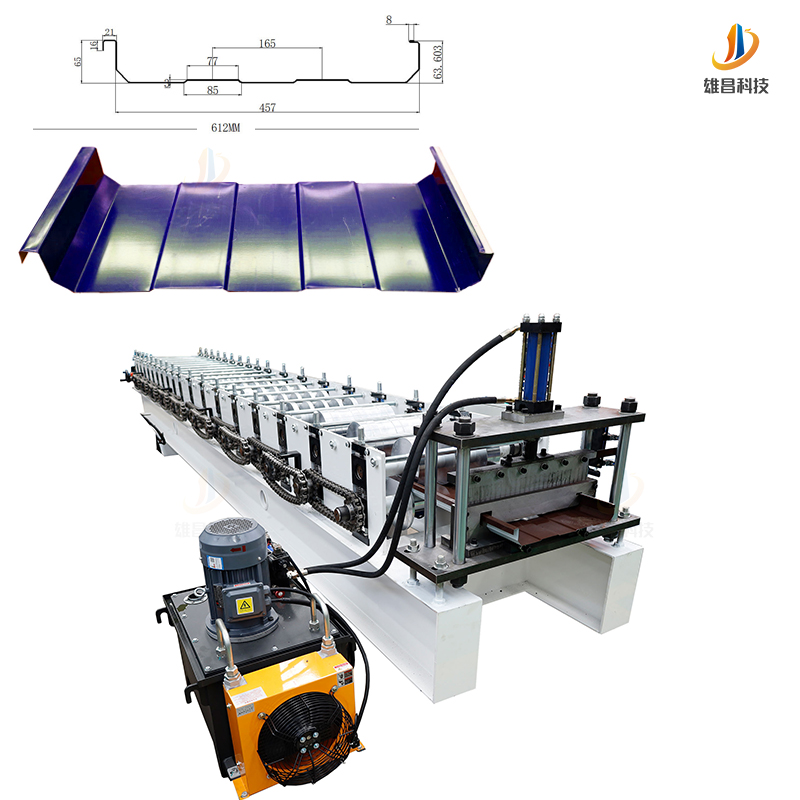
Send your profile drawing or a photo of a sample panel, material type (PPGI, GI, Galvalume or black steel), thickness range, yield strength, coil width, required output per shift, and your local voltage and frequency. With these details our engineers can define the number of forming stations, roller material, cutting system and motor power.
Can XC build a roll forming machine for a local or non-standard profile?
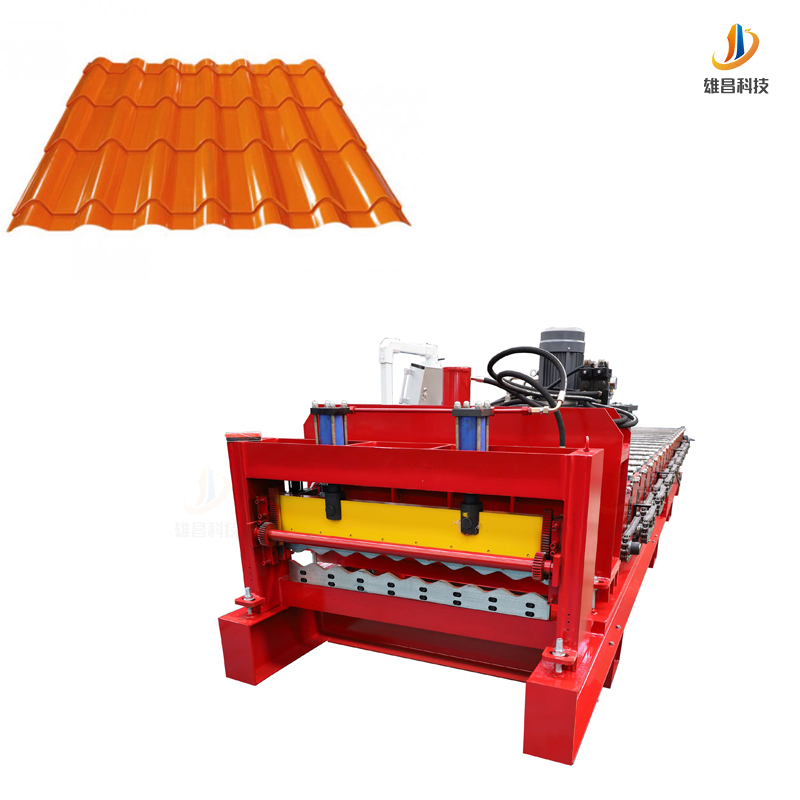
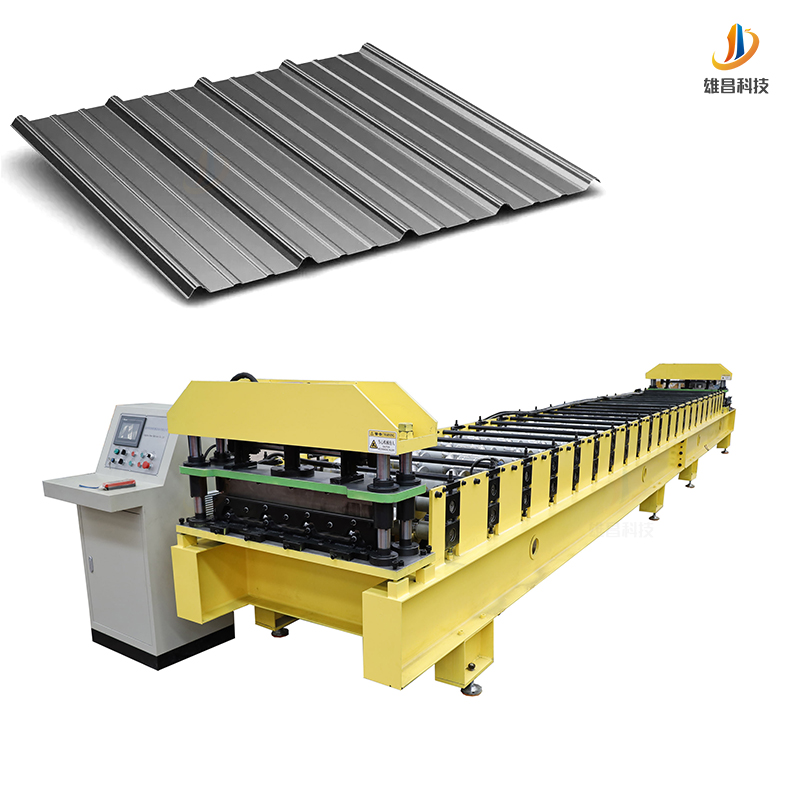
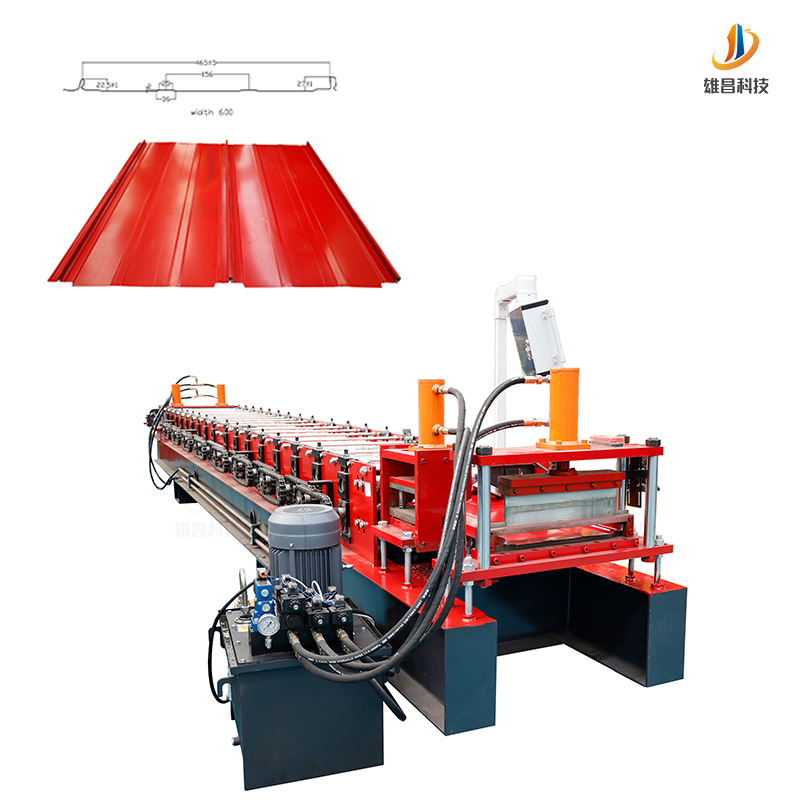
Yes. Most XC machines are built to order. Our engineers develop the roll pass design (flower pattern) from your drawing or sample, so regional profiles such as IBR, Tuff-Rib, Klip-Lok style or Spanish-style tiles can be matched closely.
How is machine quality verified before shipment?
Every line is assembled and test-run in our factory with coil that matches your specification. Sample panels are measured against your drawing, and a trial-run video plus inspection photos are shared for your approval before packing.
What is the typical lead time for a roll forming machine?
Standard roofing sheet lines are commonly ready within 30 to 45 working days after drawing confirmation. Purlin, floor deck, double layer and fully customized lines may take longer. The confirmed schedule is stated in each proposal.
What after-sales support does XC provide to overseas buyers?
XC provides English manuals and electrical diagrams, remote video guidance for installation and commissioning, on-site engineer service on request, and spare parts supply such as blades, bearings and electrical components.
Can machines be configured for my local power supply?
Yes. Motors, hydraulic stations and control cabinets are configured to your site voltage and frequency, for example 220V, 380V, 415V or 440V at 50Hz or 60Hz, with HMI language options for operators.
What local compliance documentation should a London buyer expect?
Ask for a technical file, risk assessment information, electrical drawings, operation and maintenance manual, test records and a Declaration of Conformity aligned with the applicable UK regulations. For building products, verify the project-specific standards, wind-uplift calculations and fire performance requirements with the responsible engineer. The supplier should support verification with clear documentation rather than general claims.
How do you handle delivery into London congestion and limited site access?
Discuss the delivery plan early. Export packing, port of entry, haulage, offloading equipment, storage space and site induction requirements should be confirmed before shipment. For constrained London sites, phased delivery, remote commissioning support or a nominated installer can reduce disruption. The machine should not be shipped until the receiving plan is practical.
Can the line be set up for 415V/50Hz and English HMI screens?
Yes. Machines can be configured for 415V/50Hz three-phase supply where required, with English HMI screens, English warning labels and documentation. Final electrical design should be checked against the site supply, isolation arrangements and your maintenance team’s preferences.
What spare parts should a London roofing manufacturer stock?
A sensible starting list includes cutting blades, bearings, sensors, hydraulic seals, relay and fuse kits, proximity switches and recommended electrical modules. The exact list depends on the machine configuration and production intensity. XC can provide a recommended critical spares package with the quotation.
Can you support a mixed-profile portfolio for London distributors?
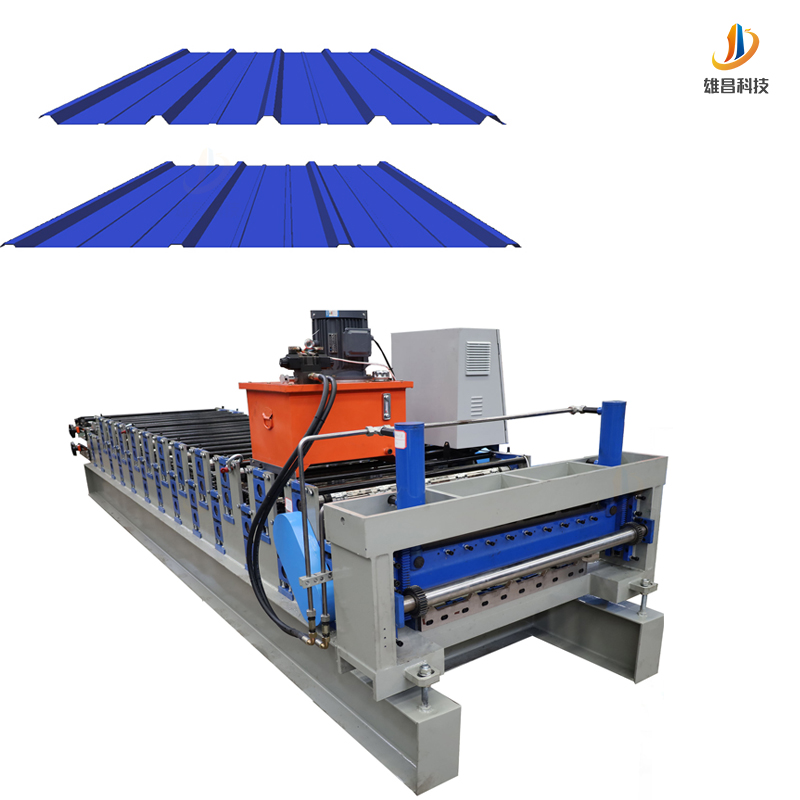
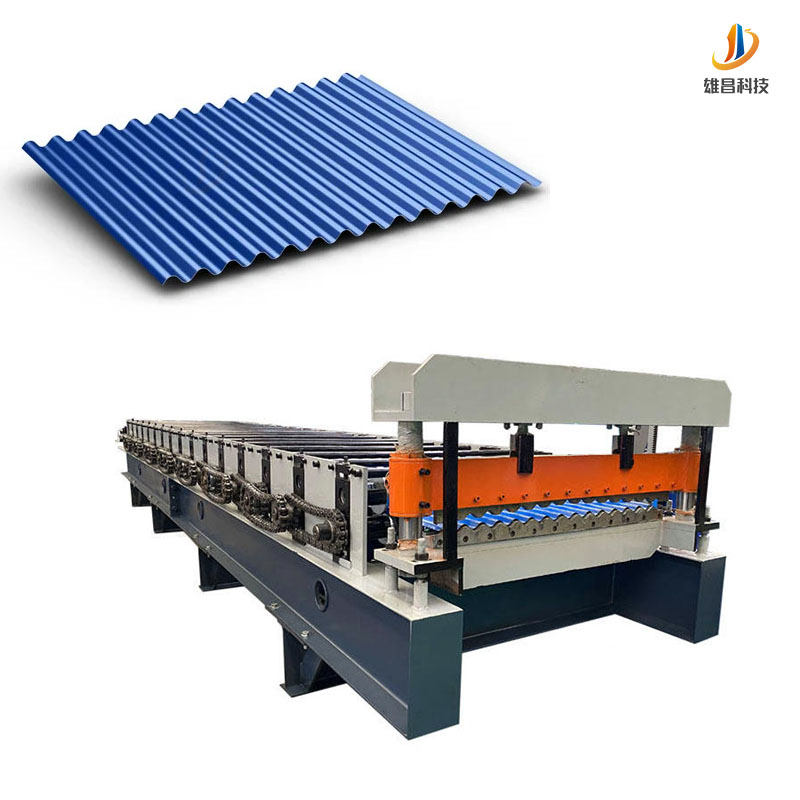
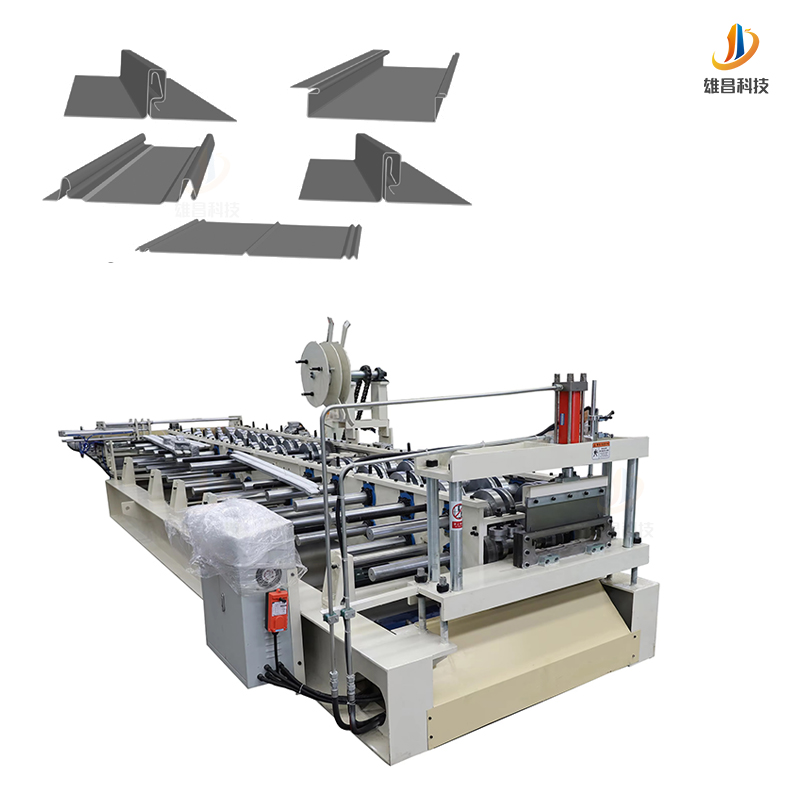
Yes. Many buyers serve several customer groups and require IBR, U-panel, corrugated, standing seam or purlin products. A double-layer or multi-profile strategy may reduce floor space and capital cost, but the final choice should be based on order mix, changeover frequency, coil range and available labour.
How do I compare a low-cost quote with a better-specified machine?
Compare roller material, shaft diameter, frame rigidity, drive power, PLC and electrical component brands, cutting system, guarding, documentation, test-run evidence, warranty and spare-parts support. A London buyer should calculate the cost of scrap, downtime and site rework, not only the FOB price.