Glazed Tile and Roofing Machine Shortlist for Kuala Lumpur
The four items below are taken directly from XC’s product range and are commonly specified by buyers in Kuala Lumpur, Selangor and the wider Klang Valley. Each link opens the original product page. Compare the profile, material thickness, line speed, voltage and after-sales scope before requesting a quotation.

China Glazed Tile Roll Forming Machine Factory, Company
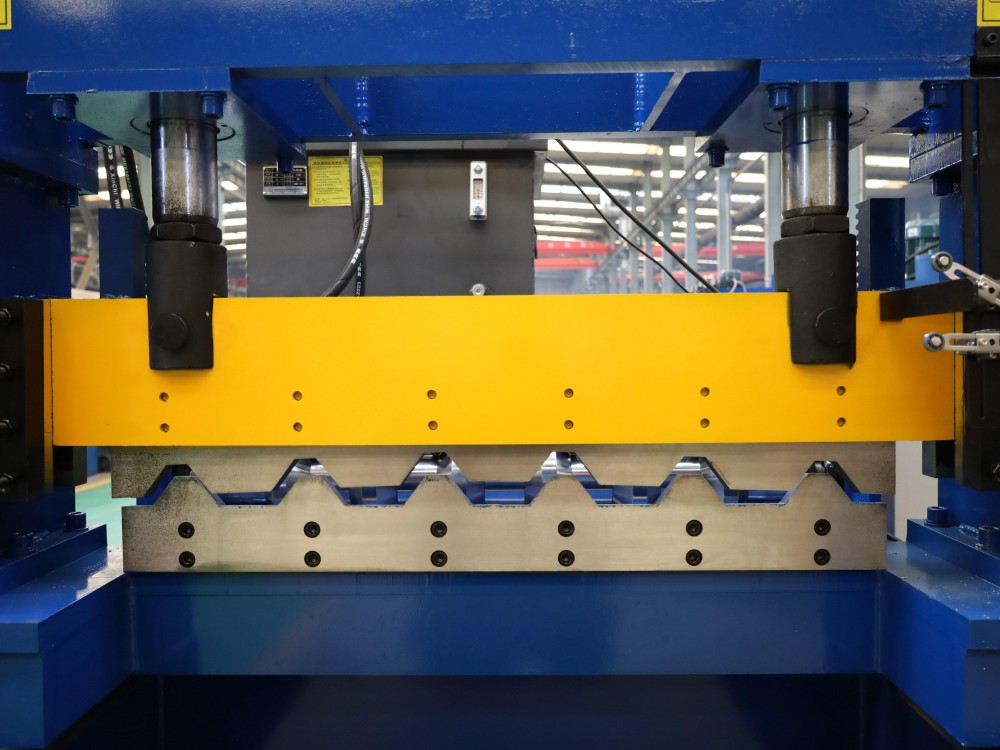
Hydraulic step-press station synchronized with PLC control for decorative metal tile panels used in residential, resort and commercial roofing.
View Product
Custom Mechanical Lock Standing Seam Panel Former Manufacturers, Company
For concealed-fixer standing seam roofs where wind uplift, long-span performance and clean architectural lines matter.
View ProductChina Glazed Tile Roll Forming Machine Factory, Company
Also retained from the original list for buyers comparing multiple glazed tile configurations, tooling options and output targets.
View Product
ODM U panel roofing roll former Factories, Company
A practical roofing profile for industrial buildings, warehouses and commercial envelopes requiring fast installation.
View ProductKuala Lumpur’s Commercial and Industrial Reality: Demand for Faster, Better Roofing
Kuala Lumpur and the Greater Klang Valley are not a single market. They combine high-density commercial towers, transit-oriented developments, hospitality, healthcare, education, data-centre growth around Cyberjaya, logistics and manufacturing in Shah Alam, Klang and Port Klang, and residential expansion toward Kajang, Putrajaya and Seremban. That diversity changes the roll forming specification.
A glazed tile line for a villa developer is not the same as a heavy-gauge purlin line for a warehouse, or a floor deck line for a multi-storey car park. Malaysia’s tropical climate adds another layer: high humidity, intense UV, monsoon rain, coastal salt exposure and condensation risk. The building envelope must manage rain penetration, wind uplift, thermal movement and corrosion while still delivering the architectural finish owners expect.
Labour availability and installation speed also shape machine choice. Prefabrication and near-site roll forming reduce site waste, improve panel consistency and shorten construction programmes. For factories and distributors, the machine must be easy to operate, quick to change over and supported by spare parts that can reach Kuala Lumpur without long downtime.
- Architectural roofing: glazed tile and standing seam for residential, resort, retail and commercial projects where appearance and weather performance both matter.
- Industrial envelopes: IBR, PBR, U-panel, corrugated and purlin lines for factories, warehouses, logistics hubs and data-centre shells.
- Structural decking: composite floor deck for high-rise, industrial mezzanine and commercial slab construction.
- Compliance context: project teams typically align with local authority approvals, CIDB-registered contractors, DOSH machinery safety expectations, Energy Commission electrical requirements and project specifications for coated steel and cold-formed steel design.
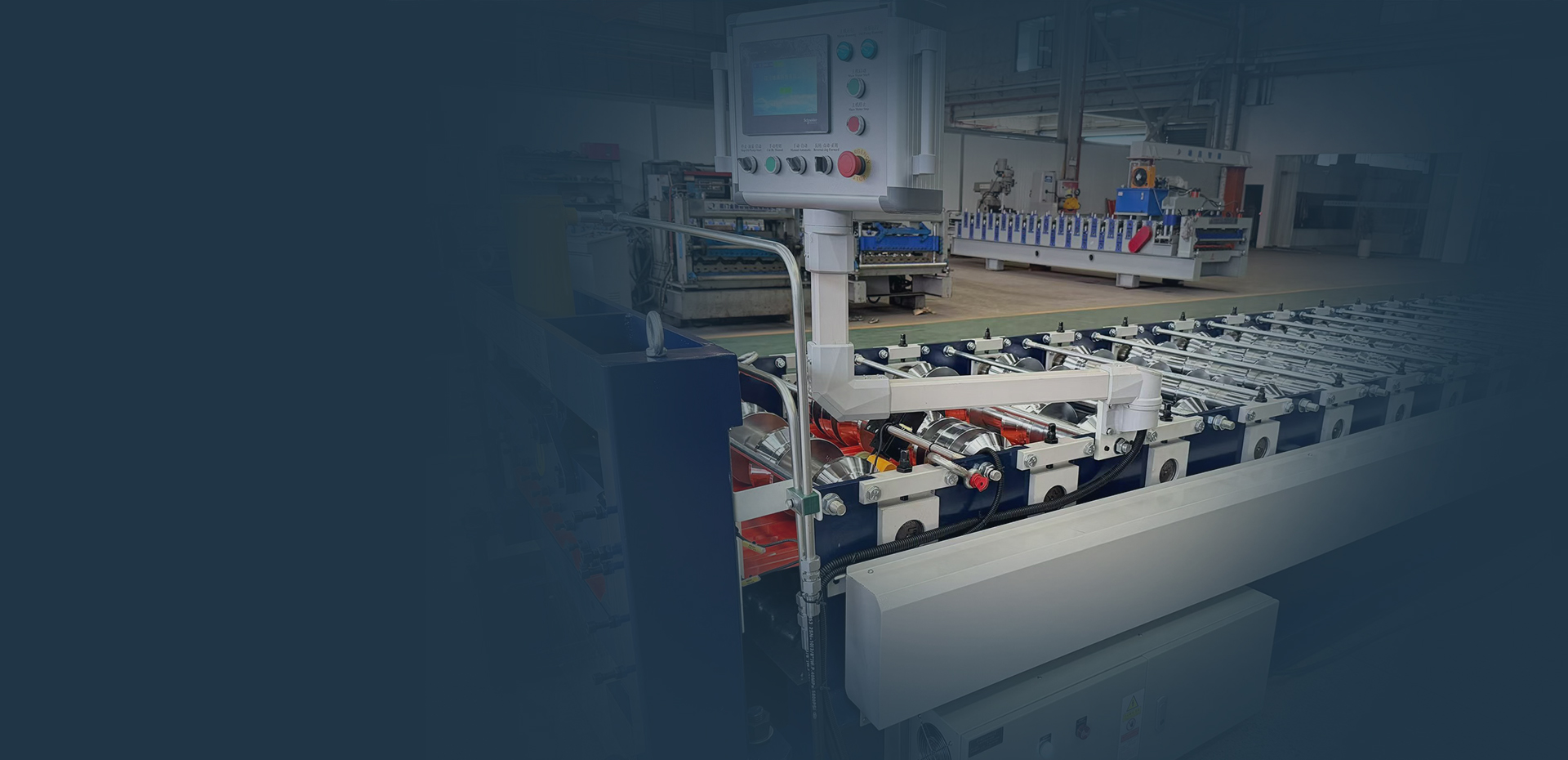
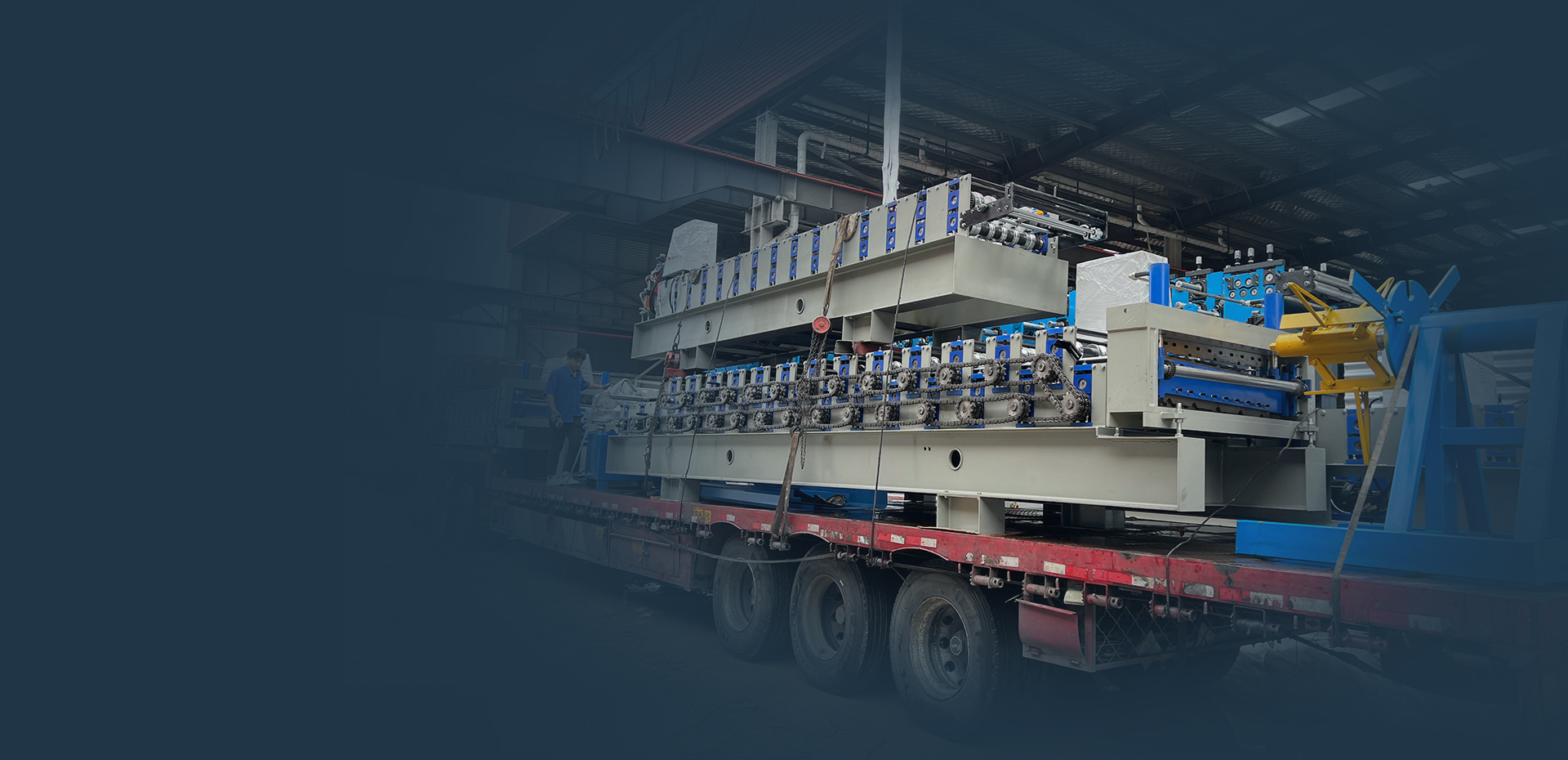
Profile flexibility and export-ready preparation: from decorative tile profiles to structural and industrial panel systems.
Technical Roadmap: From Mechanical Roll Forming to Data-Connected Production
A glazed tile roll forming machine is only competitive when the roll pass design, hydraulic step press, cut-to-length control and coating protection work together. The roadmap below reflects the direction XC engineers apply when configuring lines for humid, high-UV markets such as Kuala Lumpur.
Coating-Safe Roll Pass Design
Progressive bending spreads strain across stations to protect zinc, paint and Zn-Al-Mg coatings. For glazed tile profiles, step depth, side-lap geometry and tile-line consistency are validated before manufacture.
Servo and PLC Cut-to-Length
Encoder feedback and PLC batch memory support repeatable cut lengths, commonly within ±1 mm on properly specified lines. Operators can store lengths and quantities for recurring Kuala Lumpur projects.
Modular and Quick-Change Stations
Double-layer and multi-profile concepts can reduce floor space and capital cost. Quick-change cassettes, marked adjustment points and readable scales help distributors switch between profiles with less downtime.
IIoT and Remote Diagnostics
Future-ready control architecture can support fault logging, production counters and remote video diagnosis. This is especially useful for Kuala Lumpur factories that need fast engineering support without waiting for a site visit.
Predictive Maintenance
Bearing condition, drive load, hydraulic pressure and roll runout are the practical indicators to watch. Structured maintenance schedules reduce edge waves, tracking loss and coating defects before they become scrap.
Material and Energy Efficiency
Higher-strength steel, thinner galvanized coil, optimized coil width and lower scrap improve total cost. For green-building projects, line configuration can be documented to support material traceability and waste-reduction goals.
| Horizon | Technical Direction | What It Means for Kuala Lumpur Buyers |
|---|---|---|
| Near term | Profile-specific roll pass design, hydraulic step press tuning and coating-safe bending | Cleaner glazed tile panels, fewer surface defects and better first-pass yield |
| Next upgrade | PLC batch memory, servo-assisted length control and quick-change adjustment | Faster changeover for mixed orders from contractors and distributors |
| Digital factory | Remote diagnostics, production data logging and preventive maintenance planning | Less downtime and faster technical response across the same UTC+8 working day |
| Long-term outlook | Modular production cells, automated stacking and vision-based inspection | Scalable capacity for data centres, logistics parks, housing and transit-oriented developments |
Macro Industry Solutions: From a Single Machine to a Roofing Ecosystem
XC supplies more than a machine. We deliver complete production lines, including decoiler, forming mill, punching, cutting, stacking and control system, engineered as one integrated unit. This matters in Kuala Lumpur, where buyers often need one partner accountable for profile validation, factory testing, documentation and commissioning.
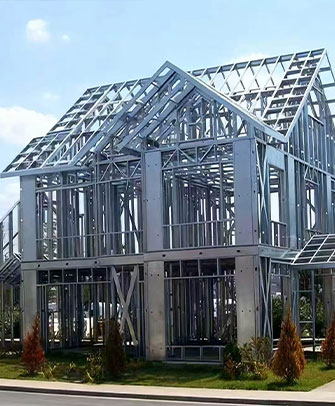
Architecture & Building Materials
Roofing sheets, wall cladding, standing seam panels, floor decking and C/Z purlins for steel buildings, warehouses and residential projects.
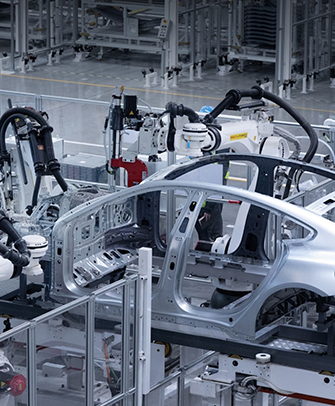
Automobile Manufacturing
Roll formed structural rails, door frame sections and reinforcement beams where repeatable cross-sections and tight length tolerances matter.
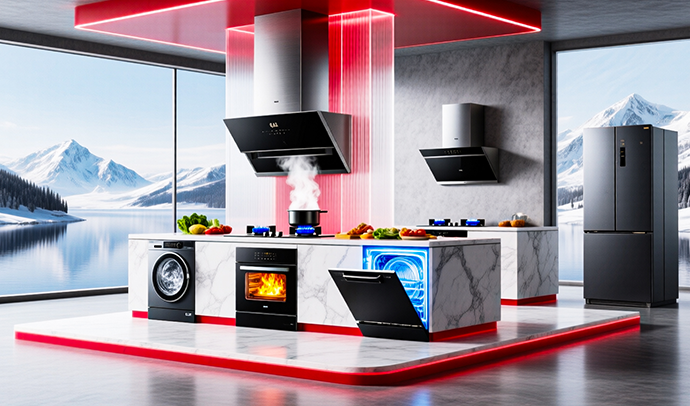
Home Appliances, Kitchen & Bath
Appliance side panels, cabinet frames and trim profiles formed from pre-painted or stainless coil, with surface protection during forming.

Transportation
Container panels, truck body sections, railway car profiles and highway guardrails requiring long, heavy-gauge parts and accurate cut-off.

New Energy
Solar PV mounting rails, strut channels and support brackets benefit from inline punching, fast changeover and repeatable hole pitch.
Furniture & Office Equipment
Shelving uprights, racking beams, cabinet frames and partition studs with consistent straightness for fast, safe on-site assembly.

Industry Solution: Turnkey Cold Roll Forming
XC supplies complete production lines engineered as one integrated unit so output starts on schedule: decoiler, forming mill, hydraulic or servo cutting, punching where required, output table and control system.

Equipment Supply & After-Sales Support
Customers range from residential roofing suppliers to industrial and infrastructure contractors. Lines ship with English manuals, electrical diagrams, spare parts recommendation and remote or on-site commissioning support.
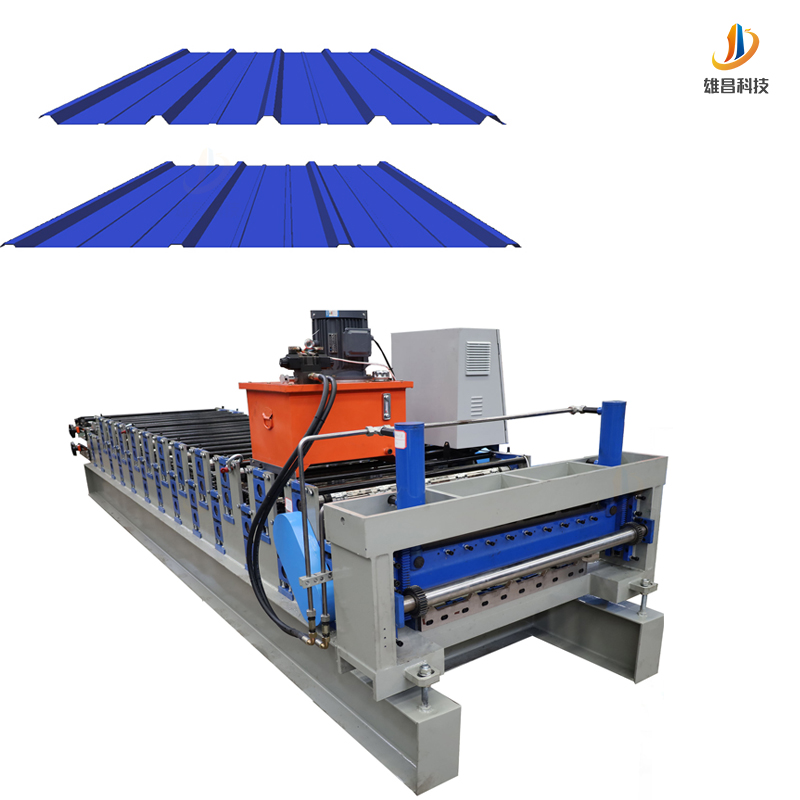
Double Layer Roll Forming Machine
Two roofing profiles on one frame with shared cutter and PLC switching—space-saving for mixed-profile suppliers.
View Details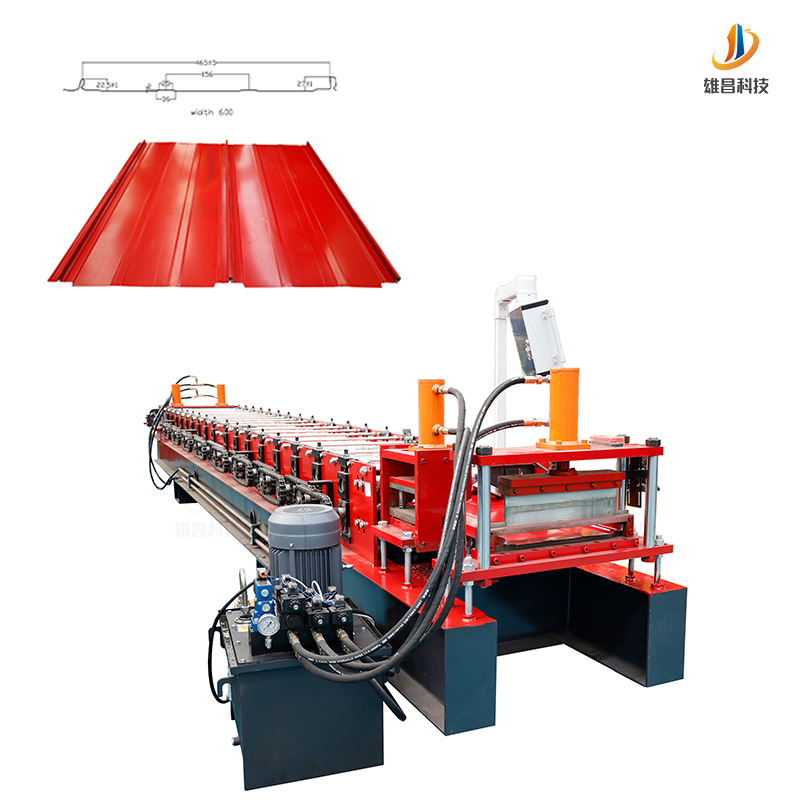
Nail Strip Standing Seam Panel Machine
Snap-lock panels with an integrated nailing flange for residential and light commercial roofs.
View Details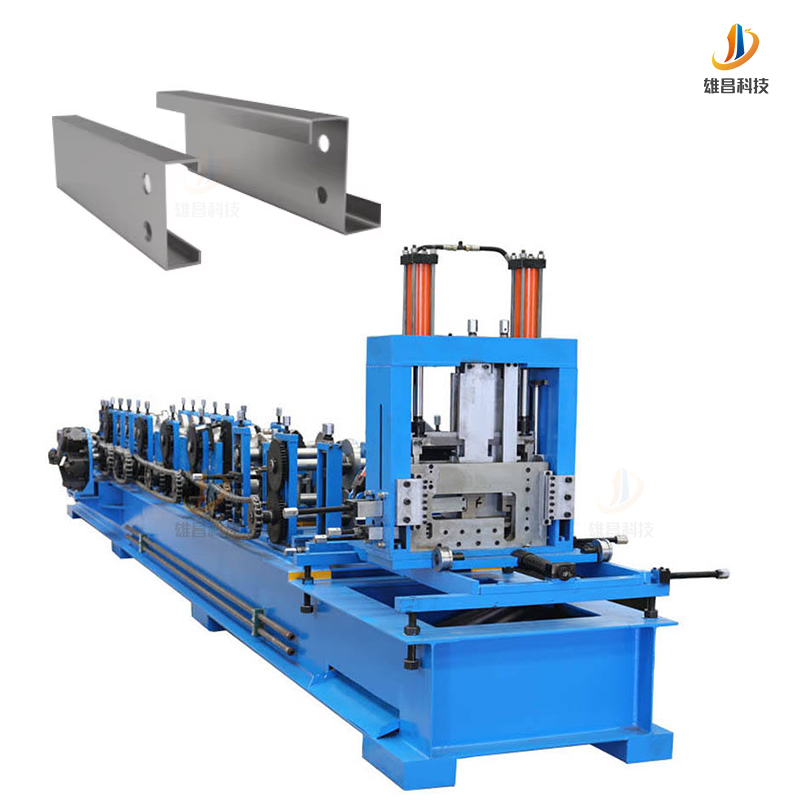
C/Z Interchangeable Purlin Machine
Produces both C and Z purlins on one line with fast size changeover and pre-punching options.
View Details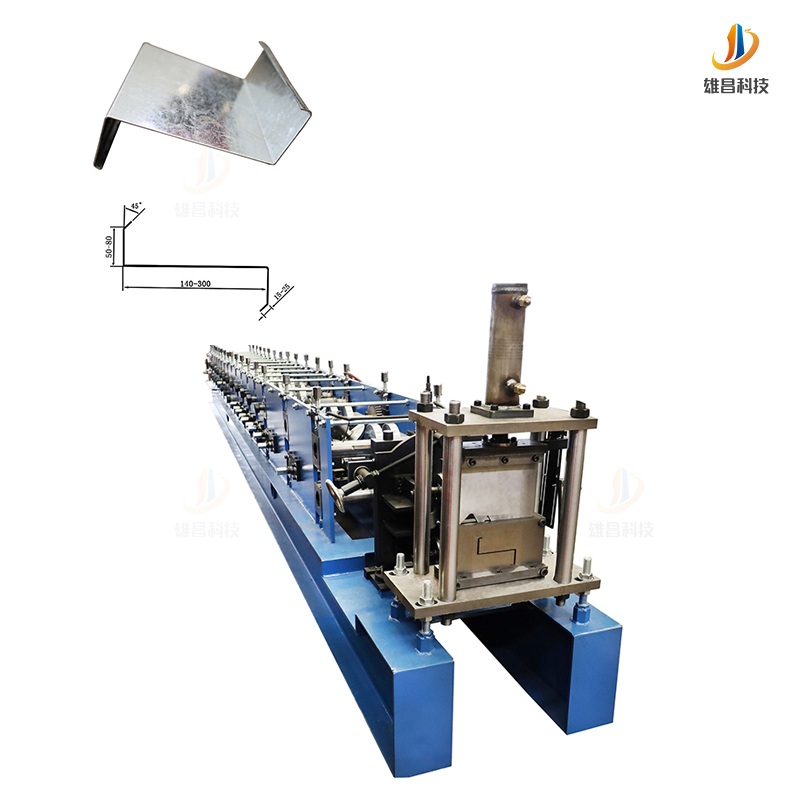
Z Purlin Cold Roll Forming Machine
A dedicated Z-section line with lapping capability for continuous purlin runs on long-span roofs.
View DetailsLocalized Support and Compliance Assurance for Kuala Lumpur Projects
Shipping a machine is only one part of the project. The real deliverable is a line that produces saleable panels in Kuala Lumpur, with documentation, electrical configuration, spare parts and training that match local expectations. Sichuan and Kuala Lumpur share UTC+8, which supports same-day technical communication during normal working hours.
Electrical Configuration
Motors, hydraulic stations and control cabinets can be configured for Malaysian site power, typically 415V/50Hz three-phase with 220–240V control circuits. IEC/BS-style enclosures and component options can be specified.
Documentation Package
English operation manuals, electrical diagrams, installation guidance, trial-run video, inspection photos, spare-parts list and export packing list support smooth customs and site handover.
Commissioning & Training
Remote video guidance is available for installation and commissioning, with on-site engineer service on request. Operator training covers safety, changeover, lubrication, roll inspection and fault diagnosis.
Approval-Support Documentation
XC can prepare technical documentation to support local project submissions and machinery-safety reviews. Final approvals for buildings, electrical installations and site safety remain with the relevant local authorities and registered professionals.
Spare Parts & Logistics
Blades, bearings, rollers, encoders, hydraulic components and PLC modules can be packed for air freight to KLIA or sea freight to Port Klang. Critical wear parts should be identified at the quotation stage.
Safety & Compliance Mindset
Guarding, emergency stop, lockout points, hydraulic pressure safety and clear warning labels are part of the design conversation. This helps factories address DOSH expectations and internal EHS audits more confidently.
| Kuala Lumpur Requirement | Typical XC Configuration | What Buyers Should Confirm |
|---|---|---|
| Site power | 415V/50Hz three-phase; control voltage to project standard | Motor nameplate, control transformer, plugs and cable schedule |
| Glazed tile profile | Profile drawing or sample-based roll pass design; hydraulic step press | Step depth, tile pitch, cover width, side lap and material thickness |
| Tropical humidity | Protective packing, rust-prevention treatment, moisture protection for electricals | Container desiccant, wrapping specification and storage instructions |
| Factory acceptance | Trial run with matching coil; sample panel measurement; video report | Measured dimensions, surface quality, line speed and cut length record |
| After-sales | Remote video support, spare-parts list, on-site service on request | Response time, spare-part lead time and commissioning scope |
China Factory 4.0: Supply-Chain Resilience and Efficiency Advantages
XC’s manufacturing model applies the practical principles of Factory 4.0: digital engineering, process control, modular production and traceability from profile drawing to packing. For Kuala Lumpur buyers, this should translate into fewer surprises, shorter recovery time when a component is needed and clearer accountability.
In-House Roll Pass Design and Machining
Profile review, flower-pattern development, roller machining, frame assembly and test running are controlled under one roof. This is important for non-standard Kuala Lumpur profiles such as IBR, Tuff-Rib, Klip-Lok-style seams or Spanish-style metal tiles.
Supplier Redundancy
Multi-source planning for steel, bearings, electricals and hydraulic components reduces the risk of a single-supplier delay. International brands can be specified for PLC, inverter, contactor and sensor packages where the project requires it.
Traceable Quality Control
Inspection points cover incoming material, shaft runout, roller profile, assembly alignment, hydraulic pressure, electrical wiring and no-load running. Records and photos support remote buyer verification.
Factory Acceptance Before Shipment
Every line is assembled and test-run with coil matching the buyer’s specification. Sample panels are measured against the drawing, and a trial-run video plus inspection photos are shared before packing.
Export Logistics to Port Klang
Machines are packed for container or break-bulk shipment with rust prevention, moisture control and clear lifting points. Shipping documents, packing lists and loading photos support smooth clearance into Malaysia.
One Accountable Technical Team
Sales engineers, mechanical designers, electrical engineers and after-sales technicians work from the same project file. That continuity matters when a Kuala Lumpur operator needs a drawing confirmation, a spare-part reference or a fault diagnosis.

Standard roofing sheet lines are commonly ready within 30 to 45 working days after drawing confirmation. Purlin, floor deck, double layer and fully customised lines may take longer. The confirmed schedule is stated in each proposal. For buyers, the efficiency advantage is not simply a lower machine price; it is a shorter path from profile approval to repeatable production, with fewer late-stage modifications.
What Global Enterprises Require Before They Buy a Glazed Tile Roll Forming Machine
Global procurement teams compare total cost of ownership, not only machine price. A technically correct proposal should state the profile basis, material range, forming station count, roller material, drive power, cutting method, control platform, safety scope, documentation, test procedure, packing and after-sales terms.
Comparable Technical Specification
Coil thickness, yield strength, cover width, line speed, cut tolerance, hydraulic pressure, roller material and shaft diameter should be stated in the same format for every supplier.
Profile and Sample Validation
Send a drawing or sample panel. Buyers should ask for a roll pass design review and, before shipment, a measured sample produced from the agreed coil specification.
Documentation and Training
English manuals, electrical diagrams, safety instructions, maintenance schedule, spare-parts list and operator training should be included in the commercial scope.
Logistics and Packaging
Container loading plan, rust prevention, moisture protection, lifting marks and packing photos reduce the risk of transit damage between China and Port Klang or KLIA.
Lifecycle Support
Spare-part availability, response time, remote support capability and on-site commissioning options matter more after the warranty period than during the sales process.
Compliance Evidence
Electrical drawings, guarding details, Lockout/Tagout points and material certificates should be available for internal EHS, procurement and project-approval reviews.
| Machine Type | Typical Coil Thickness | Forming Stations | Typical Line Speed | What to Verify in a Quote |
|---|---|---|---|---|
| Trapezoidal / IBR Roofing | 0.3–0.8 mm | 16–22 | 15–30 m/min | Roller material and chrome thickness; shaft diameter |
| Corrugated Roofing | 0.3–0.6 mm | 18–24 | 15–30 m/min | Wave pitch accuracy and edge waviness on thin coil |
| Glazed Step Tile | 0.3–0.7 mm | 12–18 | 3–6 m/min | Press-station cycle and step-depth consistency |
| Standing Seam | 0.4–0.8 mm | 12–20 | 10–20 m/min | Seam system compatibility and panel width adjustment |
| C/Z Purlin | 1.5–3.0 mm | 14–20 | 10–20 m/min | Size-change method and punching dies |
| Floor Deck | 0.7–1.5 mm | 20–30 | 10–15 m/min | Embossing pattern and frame rigidity for deck depth |
Ranges reflect typical XC configurations for reference only. Final parameters are engineered to your profile drawing, material yield strength, output target and site power supply.
From Profile Drawing to First Panel in Kuala Lumpur
A transparent five-step process, so overseas buyers know exactly what happens and when. Each step is designed to reduce technical ambiguity before money is committed to manufacturing.
Profile & Coil Review
Send your drawing, sample or photo plus coil data. Engineers check whether the profile can be formed and flag risks.
Roll Pass Design & Proposal
You receive station count, roller material, drive, cutting system, power configuration and confirmed schedule.
Manufacturing & QC
Frames, shafts and rollers are machined and assembled in-house, with inspection at each critical stage.
Trial Run & Acceptance
The line runs with coil matching your specification. Samples are measured, and a video report is shared for approval.
Shipping & Commissioning
Export packing, documentation, then remote or on-site installation and operator training.
An Integrated Roll Forming Specialist
Sichuan Xiongchang Technology Co., Ltd. (XC) designs and manufactures cold roll forming equipment for roofing, flooring, door and structural components, together with the auxiliary line equipment each system needs to run efficiently.
Our team brings more than 20 years of hands-on roll forming experience. That experience shows in the details buyers notice after installation: rollers that hold tolerance, coatings that do not crack at the bend, and panels that fit on the roof the first time. XC’s 50,000 m² production base supports in-house machining, assembly and factory testing, while an extensive supplier network helps protect delivery schedules.
- Design from drawing, sample or photo
- In-house machining and assembly
- Video acceptance before balance payment, where agreed
- Lifetime technical support with spare parts supply

Proven Expertise & Innovation
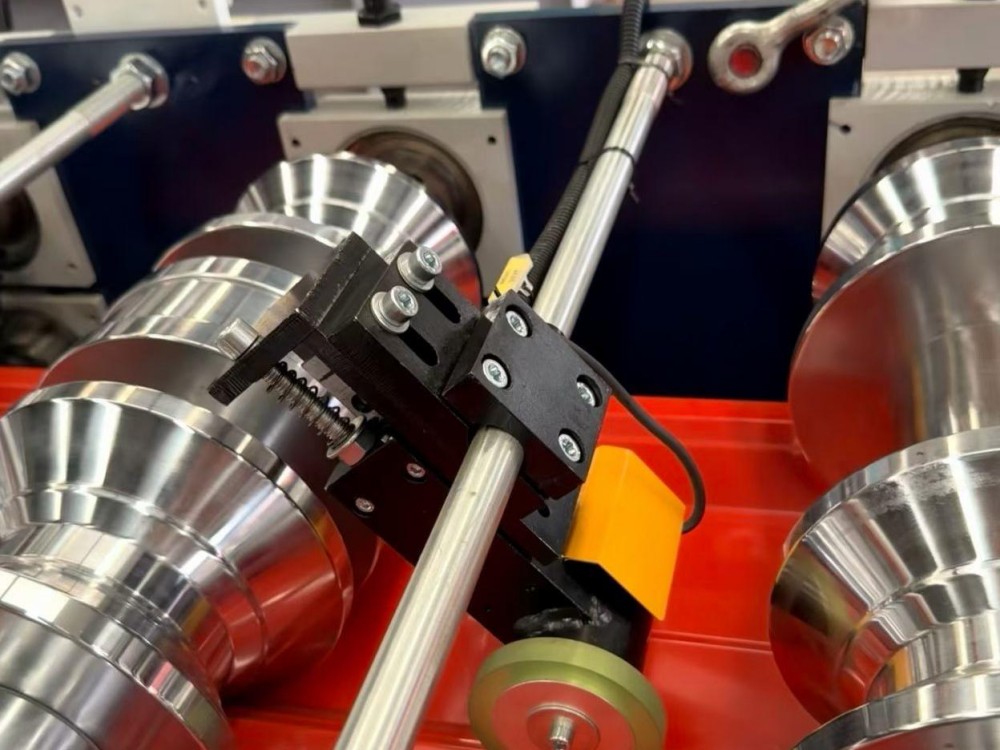
Two decades of profile development across roofing, structural and decking applications.
Built for Performance & Longevity
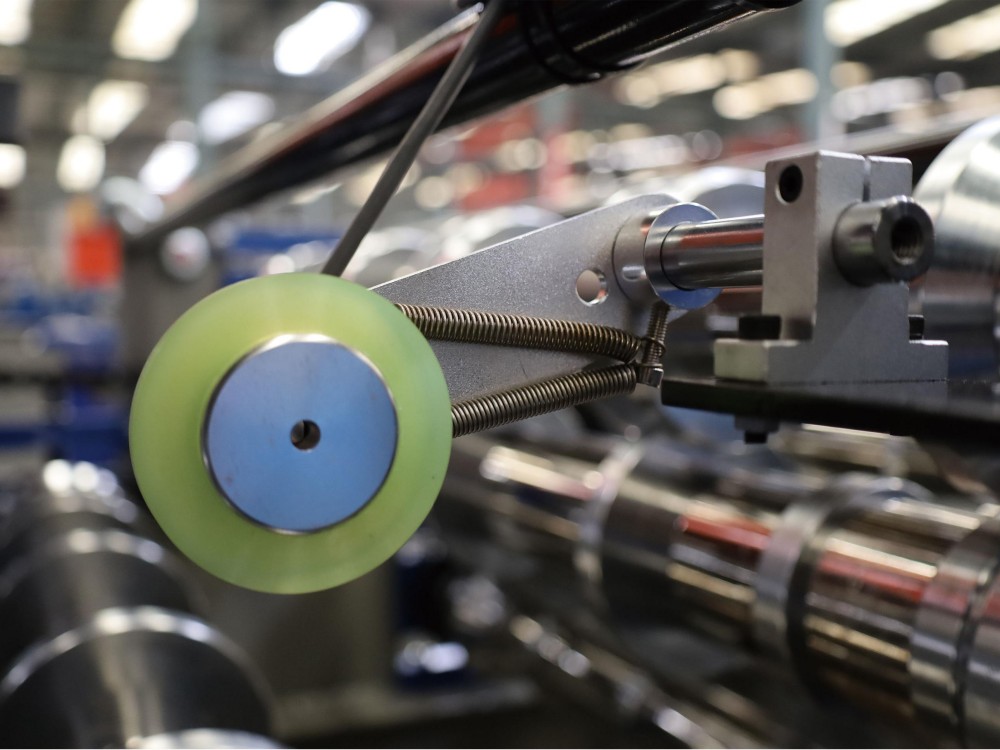
Rigid frames, precision-machined shafts and hard-chrome plated rollers support stable profiles.
Commitment to Customer Success
Engineers answer technical questions directly, from pre-sale review to commissioning and spare parts.
Field Knowledge from Our Engineers

Roll Forming Advantages and Applications
Why continuous roll forming beats press braking for long, consistent profiles, and which industries gain the most from it.

Bearing Damage in Multi-Stand Roll Forming Stations: The Hidden Cause of Roll Runout
Six root causes of bearing failure, the diagnostic checks to run first, and how they show up as strip tracking loss and coating defects.

Zinc & Color Coating Cracking at Bending Zones: Root Causes and Fixes
From bend radius to roll pass design, this article explains what makes coatings crack at the bend line and how coating-safe forming prevents it.
Questions Overseas Buyers Ask Us Most
Straight answers based on the projects we deliver every year. Need a detail not covered here? Our engineers reply directly and can review a profile drawing, sample photo or existing coil specification.
What information do I need to send for an accurate roll forming machine proposal?
Can XC build a roll forming machine for a local or non-standard profile?
How is machine quality verified before shipment?
What is the typical lead time for a roll forming machine?
What after-sales support does XC provide to overseas buyers?
Can machines be configured for my local power supply?
How do you protect a roll forming machine for Malaysia’s humidity and monsoon climate?
Can you support installation and commissioning in Kuala Lumpur?
How should we plan spare parts for a glazed tile line?
Complete Roll Forming Machine Range for Kuala Lumpur Factories
The eight product families below complete the original product list. They are arranged in two full rows on desktop so buyers can compare standing seam, floor deck, purlin, IBR, corrugated, Tuff-Rib, light gauge steel and PBR panel solutions without losing the original product URLs.

China Snap lock Standing Seam Panel machine Manufacturers, Factory
Forms male and female seam legs that snap together by hand, with fit tolerance controlled for watertight installation.
View Product
Custom Floor Deck roll forming machine Manufacturer, Factory
Converts galvanized coil into composite floor decking, with embossing rolls for mechanical bond with concrete.
View Product
ODM Metal C Purlin Roll Forming Machine Manufacturers, Factory
Continuous, fully automatic C-section production with PLC length control and hydraulic punching for bolt holes.
View Product
China Industrial IBR Sheet Forming Machine for Metal Roofing Factories, Companies
A high-demand roofing profile for industrial buildings, warehouses, factories and commercial envelopes.
View Product
Custom Corrugated Steel Roofing Roll Forming Machine Manufacturer, Company
Rolls sinusoidal corrugated sheets for agricultural, residential, warehouse roofs and wall applications.
View Product
ODM Tuff rib panel(AG Panel) forming machine Company, Companies
Produces AG and Tuff-Rib panels with consistent rib height and lap fit for post-frame and agricultural buildings.
View Product
ODM Super Series Light Gauge Steel Roll Forming Machine (Stud & Track Roll Former) Manufacturers, Company
For light gauge steel framing, stud and track production, prefabrication and internal partition systems.
View Product
China PBR Panel Metal Roofing forming machine Manufacturers, Company
A familiar metal roofing profile for commercial, industrial and agricultural buildings requiring efficient coverage.
View ProductPlanning Your Next Forming Line for Kuala Lumpur?
Share your profile drawing, sample photo, coil specification, required output and site voltage. Our engineers will review the glazed tile, standing seam, IBR/PBR, purlin, floor deck or light gauge steel requirement and respond with a practical machine configuration.