Paris · Glazed Tile · Custom Roll Forming

Custom Glazed Tile Roll Forming Machine Factory & Companies in Paris

A Paris-focused engineering and procurement guide for buyers comparing custom glazed tile roll forming machines, local suppliers, and China Factory 4.0 production.

Priority Lines for Paris

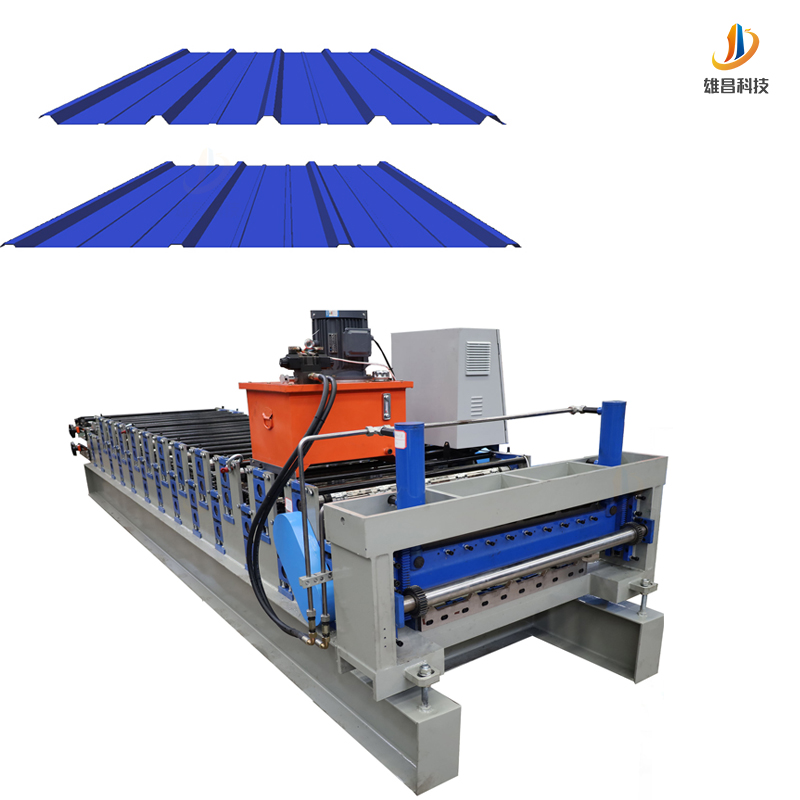
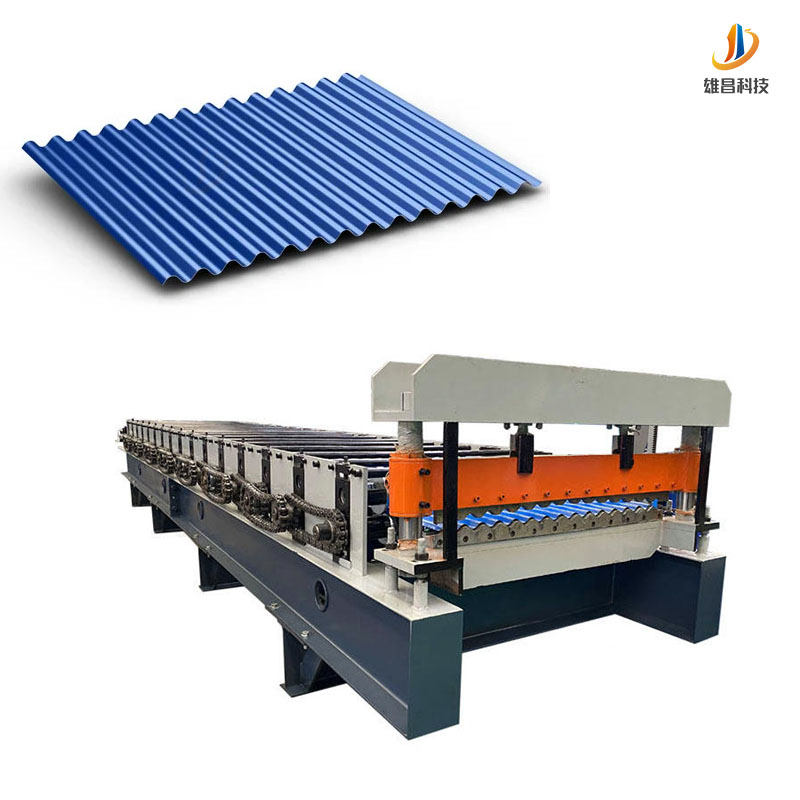
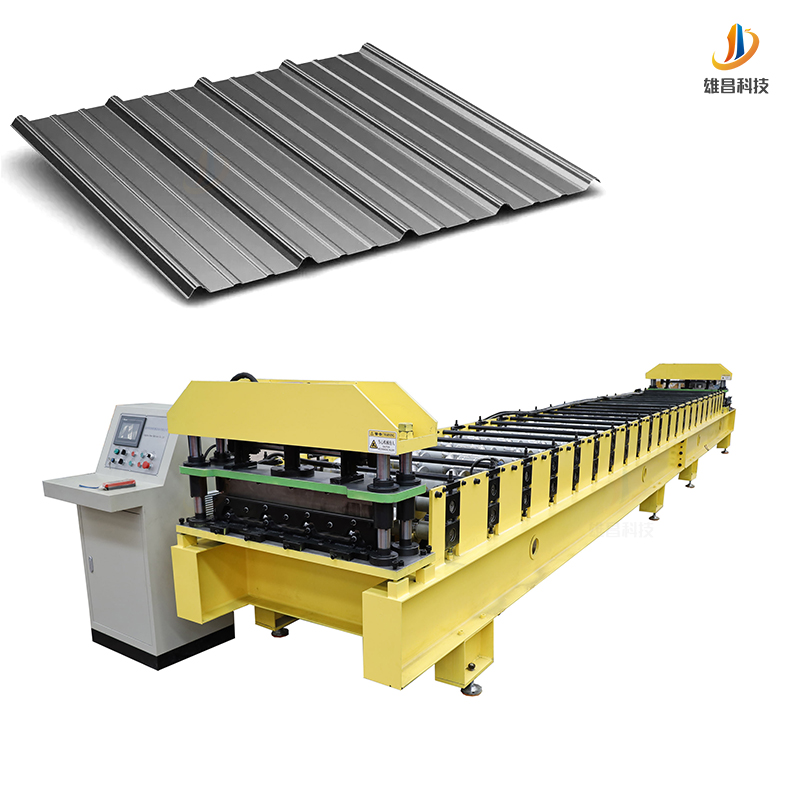
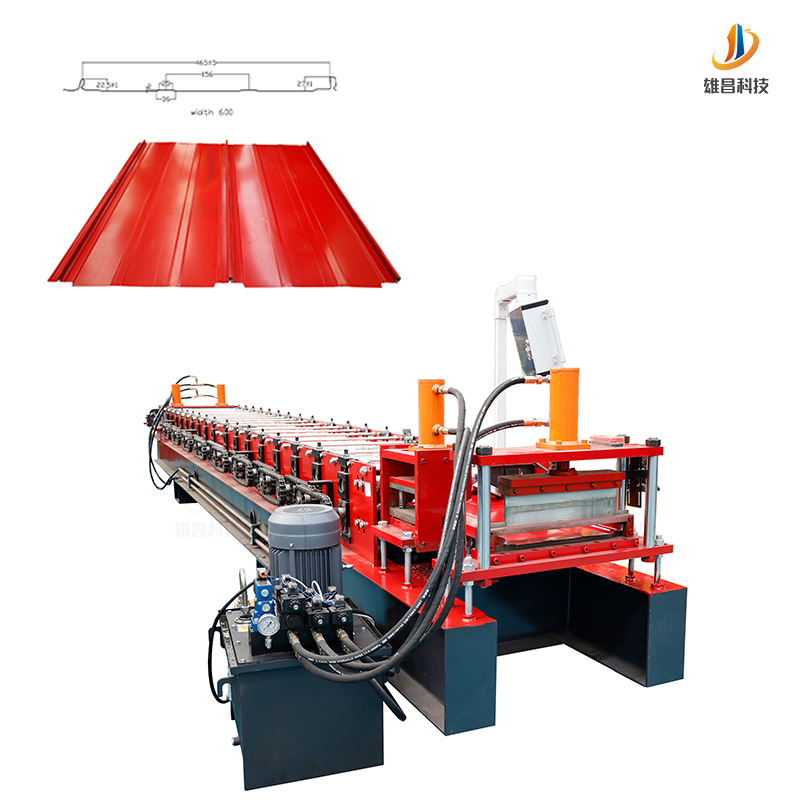
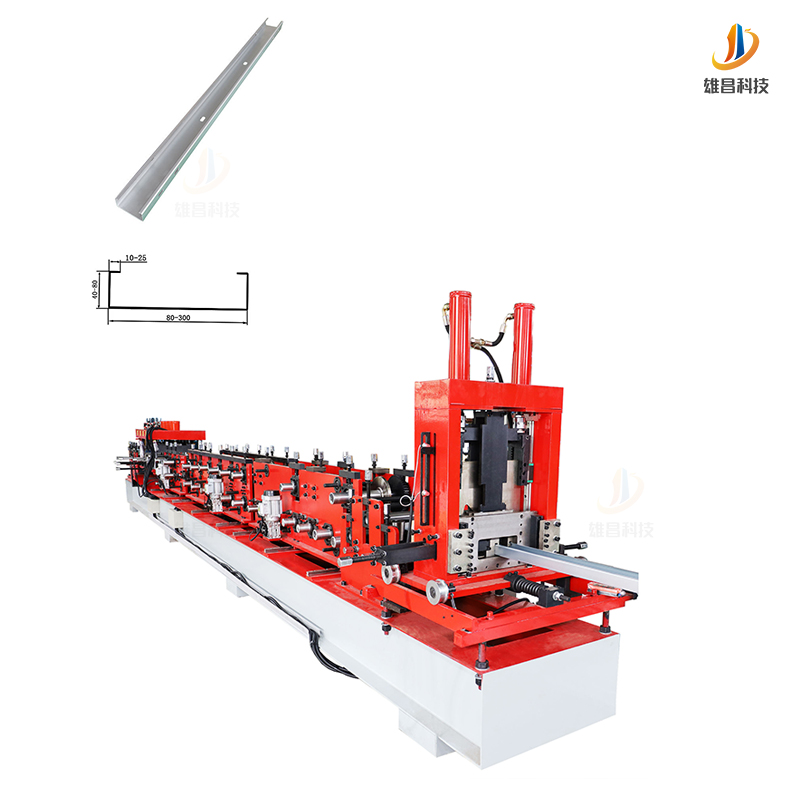
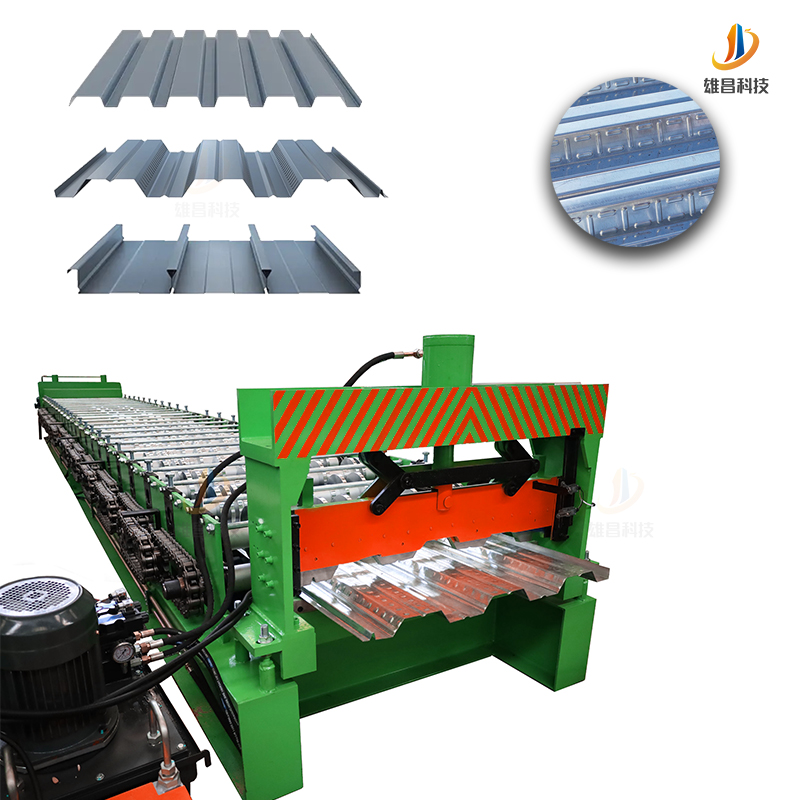
Four Original Product Lines for Paris Buyers

Paris is a difficult city for generic roofing equipment. Roofscapes are controlled by planning rules, building footprints are tight, logistics are expensive, and project teams expect a machine to produce small batches of exact-length panels with repeatable colour and finish. The four product lines below are the practical starting point for a Paris-focused feasibility study. Every original product URL is preserved so buyers can move from market analysis to technical specification without losing traceability.

Paris Market Signal

Why Glazed Tile Roll Forming Is a Local Growth Topic in Paris

The commercial opportunity in Paris is not simply “more metal roofing.” It is the intersection of architectural approval, lightweight retrofit, small-batch manufacturing and service speed. A glazed tile roll forming machine is therefore evaluated as a production asset, not a catalogue item.

Aesthetic approval is a technical input

Paris and its inner suburbs have sensitive roofscapes. Historic areas, listed buildings and many visible façades require careful colour, gloss, profile and sample approval. A steel glazed tile panel can be a lightweight alternative in some non-listed projects, but it is not an automatic substitute for zinc, slate or terracotta in protected areas. The machine supplier must be able to support sample panels, batch consistency and repeatable coating quality so architects and contractors can evaluate the system honestly.

The retrofit economy rewards compact lines

Île-de-France is an active renovation, infrastructure and commercial fit-out market. Grand Paris transport works, public building upgrades, logistics consolidation and housing infill all create demand for shorter production runs, custom lengths and fast replacement panels. A compact roll forming line in a suburban industrial unit can serve contractors just in time, reducing transport damage and finished-goods inventory in an expensive urban market.

Heat, solar and rain management drive profile choice

Paris summers now include longer heat episodes and stronger urban heat-island effects. Buyers increasingly ask about reflective coatings, ventilation gaps, solar-ready roof details and condensation control. Glazed tile panels, standing seam and U-panel systems can all support these goals when the profile, fixing detail and coating system are coordinated. The roll forming machine must form the panel without cracking paint or damaging zinc at the bend line.

Local supply is a service question, not only a price question

A Paris roofing contractor is rarely buying a machine for one standard warehouse. The work mix may include a school roof, a retail canopy, a residential extension, a logistics dock and a design-and-build office refurbishment. That mix explains why quick changeover, French-language operator documentation, local spare-parts access and remote diagnostics matter as much as the price per tonne of steel. A machine that produces a perfect sample but cannot support a maintenance response in the Île-de-France operating window is not a low-risk purchase.

For buyers comparing “companies in Paris,” it is useful to separate three roles: the machine factory, the local distributor or fabricator, and the commissioning partner. The best structure is transparent. The factory should provide roll pass design, bill of materials, factory acceptance test evidence and packing details. The local partner should clarify site access, unloading, electrical connection, training and spare-parts handling. A Paris buyer should never have to guess which party owns which risk.

Send Inquiry Now
Multiple metal roofing and structural profiles for Paris construction projects
Factory Evidence

Factory 4.0 Evidence, Not Empty Claims

For high-value capital equipment, E-E-A-T is not a writing style. It is evidence of experience, engineering authority and reliable delivery. XC’s production system is organised around in-house design, machining, assembly, test-run and export support.

20+Years of roll forming industry experience
50,000m²Factory area for machining and assembly
1,000+Cooperative customers worldwide
2,000+Team members across engineering and production

Sichuan Xiongchang Technology Co., Ltd. (XC) designs and manufactures cold roll forming equipment for roofing, flooring, door and structural components, together with auxiliary line equipment. Every line is configured to the buyer’s profile drawing, coil specification, output target and site power supply.

Global Procurement Demand

What Global Buyers Now Expect from a Roll Forming Machine Factory

Global procurement has shifted from buying a single machine to buying a repeatable production capability. Buyers in Paris, Europe, the Middle East, Africa, Southeast Asia and the Americas still compare price, but they increasingly rank profile accuracy, commissioning support, safety compliance and spare-parts continuity ahead of the lowest initial quotation.

The reason is simple: a roll forming line is embedded in a revenue system. If the first panel is late, the roofing contractor loses a crane slot. If the panel width drifts, the installer loses a day. If a bearing fails and the spare is six weeks away, the factory owner loses credibility with distributors. This is why serious buyers ask for a factory acceptance test, sample measurements, electrical drawings, a spare-parts list and a clear commissioning plan before they release the balance payment.

Profile accuracy and repeatability92%
After-sales response and spare parts86%
Lead time and shipment readiness78%
Safety compliance and local voltage74%
Energy efficiency and quick changeover69%

Illustrative procurement priority index drawn from common XC buyer questions; it is not a market statistic.

Profile drawing, sample panel or photo review before quotation.
Coil type, thickness range, yield strength and coating specification confirmed in writing.
400V/50Hz or other site voltage, HMI language and safety guarding specified for the destination.
Factory acceptance test with matching coil, measured samples and video report.
Explore Global Service
China Factory 4.0

Supply Chain Resilience and Efficiency Advantages

The phrase “Factory 4.0” should be visible in production control, not only in marketing copy. For roll forming machines, the real advantages come from in-house roll pass design, controlled machining, modular assembly, documented inspection and a repeatable test-run protocol.

Supply chain resilience

XC keeps critical engineering and assembly steps under direct control. Rollers, shafts, frames, hydraulic stations and control cabinets are planned as modules, reducing dependence on a single process step. Standard electrical components and bearing sizes are selected with export support in mind, so a Paris buyer can source replacement parts without redesigning the machine.

Efficiency by design

Efficiency is not only line speed. It is the number of good panels produced per shift. Roll pass design spreads strain across stations to protect coating and zinc, while encoder-controlled cutting and PLC batch storage reduce waste. Quick-change and double-layer options can reduce floor-space and capital intensity for suppliers serving mixed Paris profiles.

Quality that is inspectable

Every line is assembled and test-run in the factory with coil that matches the buyer’s specification. Sample panels are measured against the drawing, and a trial-run video plus inspection photos are shared for approval before packing. This is the reliability layer that matters when the machine is shipped to Le Havre and commissioned in France.

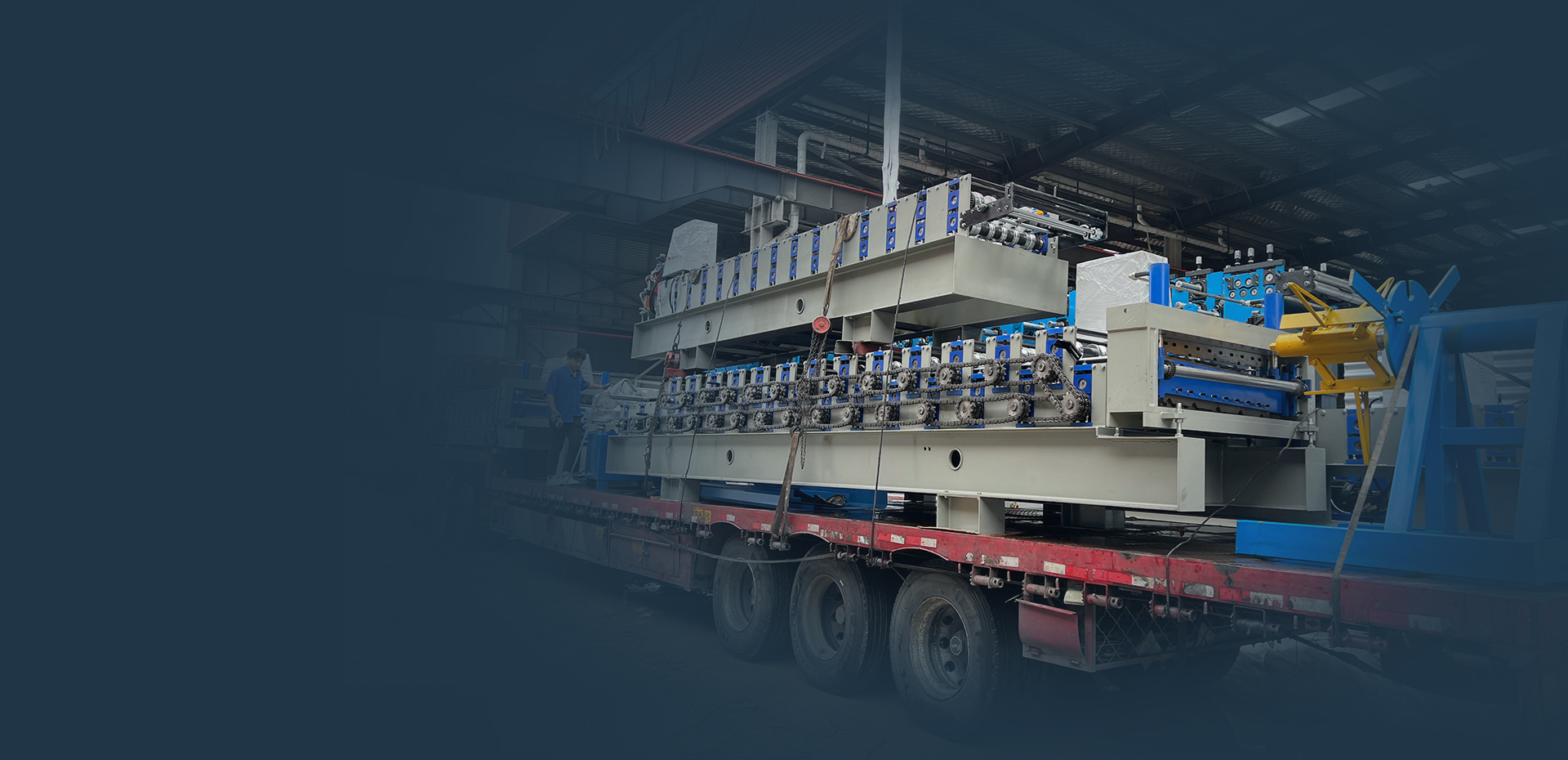
Roll forming machines prepared for global export to Paris and France XC XiongChang roll forming machine manufacturing facility
Complete Range

Beyond Glazed Tile: A Full Roll Forming Range for Paris Projects

A Paris buyer may start with glazed tile, then discover that the same supply chain needs standing seam, purlin, floor deck or light-gauge steel framing. The additional machine families below use original product images and link to the relevant XC product categories.

Localized Applications

Localized Application Scenarios in Paris

The same glazed tile roll forming machine can serve different Paris applications when the line is specified around the real work mix. The scenarios below are not marketing labels. They are operational use cases that change machine configuration, tooling and service requirements.

Approval-sensitive roof renovation

For visible roofs, rear extensions and non-listed buildings where the architect will review a sample, the machine must produce consistent colour, gloss, step depth and panel length. Plan for sample panels before final approval and keep a project-specific profile record.

Commercial roof and rooftop plant screening

Offices, retail, hotels and mixed-use buildings often need roof screens, canopies and architectural roof panels. Mechanical-lock standing seam and glazed tile profiles can be specified with concealed fasteners and clean sight lines where the roof is visible.

Logistics and last-mile hubs

Warehouses and urban logistics facilities in Île-de-France need purlins, roof sheets, wall cladding and sometimes floor deck. A compact line that can switch between profiles helps fabricators serve fast-track projects without importing every finished panel.

Residential extension and infill housing

Small building sites in and around Paris cannot always accept large panel deliveries. Producing exact lengths locally reduces waste, traffic disruption and crane time. Batch control and quick changeover are more valuable than maximum line speed.

Retail, hotel and public realm canopies

Canopies and covered walkways need flat, straight panels with predictable visual rhythm. Coating protection during forming is central. A small dent or cracked coating at a visible edge can become a project acceptance issue.

Solar-ready roofs and energy retrofit

Roof-mounted PV changes the structural and serviceability requirements. Standing seam and concealed-fixer roofs are easier to detail for mounting. Purlin and mounting-rail production can be added to the local supply chain for a more complete offer.

Inside the Line

Inside a Cold Roll Forming Line

A roll former is only as good as its weakest station. For a glazed tile line, the critical interactions are coil feeding, strip guidance, progressive forming, step pressing and cut-off. If one stage is unstable, the finished panel may show edge wave, camber, coating damage or inconsistent tile rhythm.

01

Decoiler & Coil Feeding

A manual or hydraulic decoiler feeds coil under controlled tension. Stable unwinding prevents strip wander, a common cause of camber and twisted panels.

02

Entry Guiding

Adjustable guides square the strip to the roll centreline before the first pass. Correct alignment here largely decides the straightness of the finished panel.

03

Progressive Forming

Each station bends the strip a few degrees at a time. Roll pass design spreads strain evenly to protect zinc and paint coatings and to avoid edge waves on thin coil.

04

Hydraulic Post-Cutting

An encoder measures strip travel and the PLC triggers a profile-matched blade. The result should be a clean cut within the agreed length tolerance without crushing ribs or seams.

05

PLC & HMI Control

A touch-screen HMI stores batch lengths and quantities, monitors faults and supports multi-language operation, so new operators get up to speed quickly.

XC engineers assembling a custom roll forming machine for Paris buyers

Industry Solution: Turnkey Cold Roll Forming

XC supplies more than a machine. We deliver complete production lines, including the decoiler, forming mill, punching, cutting, stacking and control system, engineered as one integrated unit so your output starts on schedule.

Roll forming machines prepared for delivery and after-sales support for Paris projects

Equipment Supply & After-Sales Support

Our customers range from residential roofing suppliers to large industrial and infrastructure contractors. Each line ships with English manuals, electrical diagrams, spare parts and remote or on-site commissioning, which supports long-term operational reliability.

Buyer's Guide

Paris Buyer's Specification Guide

Quotes are only comparable when the specifications are. Use these indicative ranges and the key check for each machine type to judge any supplier's offer, including ours. Final parameters must be engineered to your profile drawing, material yield strength, output target and site power supply.

Machine TypeTypical Coil ThicknessForming StationsTypical Line SpeedWhat to Verify for Paris
Glazed Step Tile0.3–0.7 mm12–183–6 m/minPress-station cycle, step-depth consistency, sample panel colour and gloss
Trapezoidal / IBR Roofing0.3–0.8 mm16–2215–30 m/minRoller material, chrome thickness, shaft diameter and coating protection
Corrugated Roofing0.3–0.6 mm18–2415–30 m/minWave pitch accuracy and edge waviness on thin coil
Standing Seam0.4–0.8 mm12–2010–20 m/minSeam system compatibility, panel width adjustment and contractor tooling
C/Z Purlin1.5–3.0 mm14–2010–20 m/minSize-change method, punching dies, hole pitch and lapping accuracy
Floor Deck0.7–1.5 mm20–3010–15 m/minEmbossing pattern and frame rigidity for deck depth over long runs
Light Gauge Steel Framing0.6–1.6 mm10–2415–35 m/minStud/track changeover, pre-punching, software compatibility and length accuracy

For Paris and France, confirm 400V/50Hz power, CE-oriented safety features where required, French or English operator documentation, and a spare-parts list before shipment. If the machine will serve protected heritage areas, obtain project approval for the proposed panel system before committing to tooling.

Send Inquiry Now
About XC

An Integrated Roll Forming Specialist

Sichuan Xiongchang Technology Co., Ltd. (XC) designs and manufactures cold roll forming equipment for roofing, flooring, door and structural components, together with the auxiliary line equipment each system needs to run efficiently.

Our team brings more than 20 years of hands-on roll forming experience. That experience shows in the details buyers notice after installation: rollers that hold tolerance, coatings that do not crack at the bend, and panels that fit on the roof the first time. For Paris buyers, this matters because a machine may serve several small projects per month rather than one continuous industrial run.

Design from drawing, sample or photo
In-house machining and assembly
Video acceptance before payment balance
Lifetime technical support
Our Global Service
XC XiongChang cold roll forming systems logo XC XiongChang roll forming machine manufacturing facility for global buyers
Roll forming machine engineering and innovation for Paris projects
01

Proven Expertise & Innovation

Two decades of profile development across roofing, structural and decking applications. We have solved the edge waves, flare and coating cracks that cheaper machines leave to the buyer.

Durable metal building roll former for French and Paris buyers
02

Built for Performance & Longevity

Rigid frames, precision-machined shafts and hard-chrome plated rollers keep profiles within tolerance shift after shift. That protects your margin and your reputation with contractors.

IBR panel former delivered to international customers including Paris
03

Commitment to Customer Success

Engineers answer technical questions directly, from pre-sale profile review to commissioning and spare parts. You get one accountable team for the full life of the machine.

Applications

Six Industries, One Forming Expertise

Roll forming is not limited to roofing. The same engineering discipline supports building materials, transport, appliances, energy and furniture. For a Paris buyer, this breadth matters because it opens additional revenue streams beyond the first glazed tile line.

Roll formed profiles for architecture and building materials in Paris

Architecture & Building Materials

Roofing sheets, wall cladding, standing seam panels, floor decking and C/Z purlins. These are the core profiles of modern steel buildings, warehouses and residential projects.

Roll formed components for automobile manufacturing

Automobile Manufacturing

Roll formed structural rails, door frame sections and reinforcement beams. Here, repeatable cross-sections and tight length tolerances feed directly into automated assembly.

Roll formed profiles for home appliances and kitchen and bath

Home Appliances, Kitchen & Bath

Appliance side panels, cabinet frames and trim profiles formed from pre-painted or stainless coil. Surface protection during forming matters as much as dimension.

Roll formed profiles for transportation and infrastructure

Transportation

Container panels, truck body sections, railway car profiles and highway guardrails. These are long, heavy-gauge parts that need rigid stands and accurate cut-off.

Roll formed solar mounting profiles for new energy projects

New Energy

Solar PV mounting rails, strut channels and support brackets. These high-volume parts benefit from inline punching and fast size changeover.

Roll formed profiles for furniture and office equipment

Furniture & Office Equipment

Shelving uprights, racking beams, cabinet frames and partition studs. Consistent hole pitch and straightness make on-site assembly fast and safe.

How We Work

From Profile Drawing to First Panel

A transparent five-step process, so overseas buyers know exactly what happens and when. This is especially important for Paris projects where a sample panel may need architect approval before production begins.

01

Profile & Coil Review

Send your drawing, sample or photo plus coil data. Engineers check that the profile can be formed and flag any risks.

02

Roll Pass Design & Proposal

You receive station count, roller material, drive and cutting system, power configuration and a confirmed schedule.

03

Manufacturing & QC

Frames, shafts and rollers are machined and assembled in-house, with inspection at each critical stage.

04

Trial Run & Acceptance

The line runs with coil matching your specification. Samples are measured, and a video report is shared for approval.

05

Shipping & Commissioning

Export packing and documentation, then remote or on-site installation and operator training.

Engineering Insights

Field Knowledge from Our Engineers

Roll forming advantages and applications guide

Roll Forming Advantages and Applications

Why continuous roll forming beats press braking for long, consistent profiles, and which industries gain the most from it.

Read the Blog →
Bearing damage in multi-stand roll forming stations

Bearing Damage in Multi-Stand Stations

Six root causes of bearing failure, the diagnostic checks to run first, and how they show up as strip tracking loss and coating defects.

Read the Blog →
Zinc and color coating cracking at bending zones

Zinc & Color Coating Cracking at Bending Zones

From bend radius to roll pass design, this article explains what makes coatings crack at the bend line and how coating-safe forming prevents it.

Read the Blog →
Buyer FAQ

Questions Paris and Overseas Buyers Ask Us Most

Straight answers based on the projects we deliver every year. Need a detail not covered here? Our engineers reply directly.

What information do I need to send for an accurate roll forming machine proposal?
Send your profile drawing or a photo of a sample panel, material type (PPGI, GI, Galvalume or black steel), thickness range, yield strength, coil width, required output per shift, and your local voltage and frequency. With these details our engineers can define the number of forming stations, roller material, cutting system and motor power.
Can XC build a roll forming machine for a local or non-standard profile?
Yes. Most XC machines are built to order. Our engineers develop the roll pass design (flower pattern) from your drawing or sample, so regional profiles such as IBR, Tuff-Rib, Klip-Lok style or Spanish-style tiles can be matched closely.
How is machine quality verified before shipment?
Every line is assembled and test-run in our factory with coil that matches your specification. Sample panels are measured against your drawing, and a trial-run video plus inspection photos are shared for your approval before packing.
What is the typical lead time for a roll forming machine?
Standard roofing sheet lines are commonly ready within 30 to 45 working days after drawing confirmation. Purlin, floor deck, double layer and fully customized lines may take longer. The confirmed schedule is stated in each proposal.
What after-sales support does XC provide to overseas buyers?
XC provides English manuals and electrical diagrams, remote video guidance for installation and commissioning, on-site engineer service on request, and spare parts supply such as blades, bearings and electrical components.
Can machines be configured for my local power supply?
Yes. Motors, hydraulic stations and control cabinets are configured to your site voltage and frequency, for example 220V, 380V, 415V or 440V at 50Hz or 60Hz, with HMI language options for operators. For France, 400V/50Hz three-phase is commonly specified.
Do I need a Paris-based manufacturer to buy a glazed tile roll forming machine?
Not necessarily. Many buyers work directly with a factory and use a local partner for unloading, electrical connection, commissioning support or spare-parts handling. What matters is transparency: verify who designs the roll passes, who performs the factory acceptance test, who supplies spare parts and who responds after installation.
Can a glazed tile machine match Paris roof colours and planning requirements?
Profile and colour matching can be engineered, but planning approval remains project-specific. For visible or heritage-sensitive roofs, submit physical sample panels to the architect and planning authority before committing to tooling. Coating type, gloss level, profile depth and fixing detail all influence approval and long-term performance.
What documentation and safety topics should a Paris buyer confirm?
Confirm the electrical schematic, operation manual, maintenance schedule, spare-parts list, hydraulic diagram and safety guarding concept. If CE-oriented safety features are required for your site, specify them before manufacturing. Also confirm the HMI language and training format for operators.
How should I compare a Paris local company with a China factory?
Compare total cost of ownership, not only the machine price. Check the profile design capability, factory acceptance test evidence, roller and shaft specifications, electrical component brands, packaging for sea freight to Le Havre, commissioning plan, warranty terms and spare-parts response. A local supplier can be valuable, but the underlying engineering data should still be inspectable.
Bottom Product Selection

Eight More Custom Roll Forming Machines for Paris & Île-de-France Projects

The eight original product entries below complete the Paris sourcing map. They cover purlin flexibility, light-gauge steel framing, standing seam, IBR roofing, LGS U-track, C-stud and PBR panel production. Every original product URL is preserved, and each title is presented as a button for quick inquiry.

Send Inquiry Now

Every original product URL in this Paris buying guide is preserved. For a precise quotation, send your profile drawing, coil data, required output, site voltage and destination port. Our engineers will recommend the forming stations, roller material, cutting system and service plan. Send Inquiry Now.