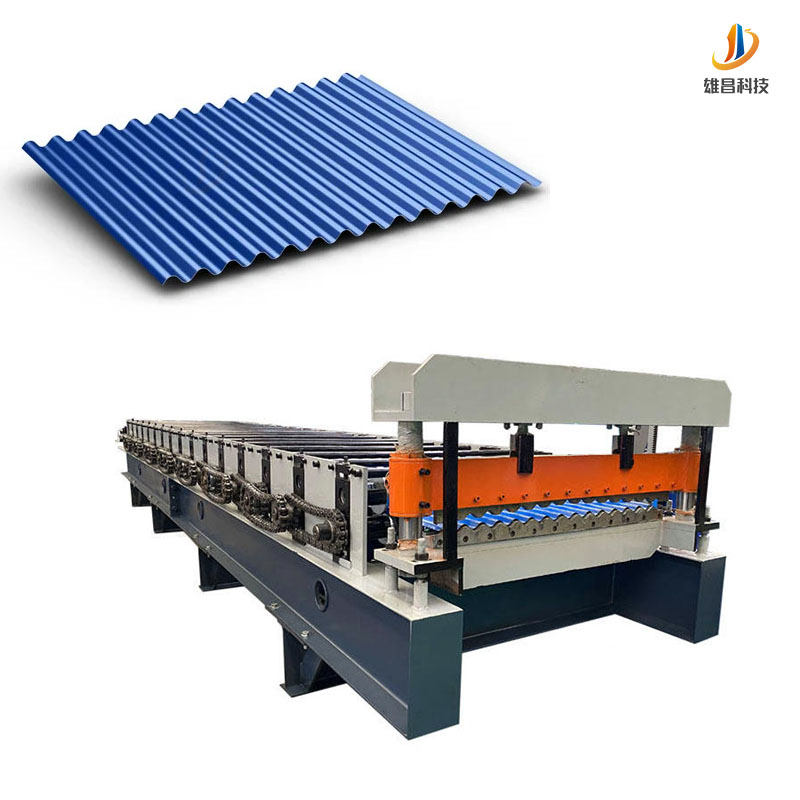
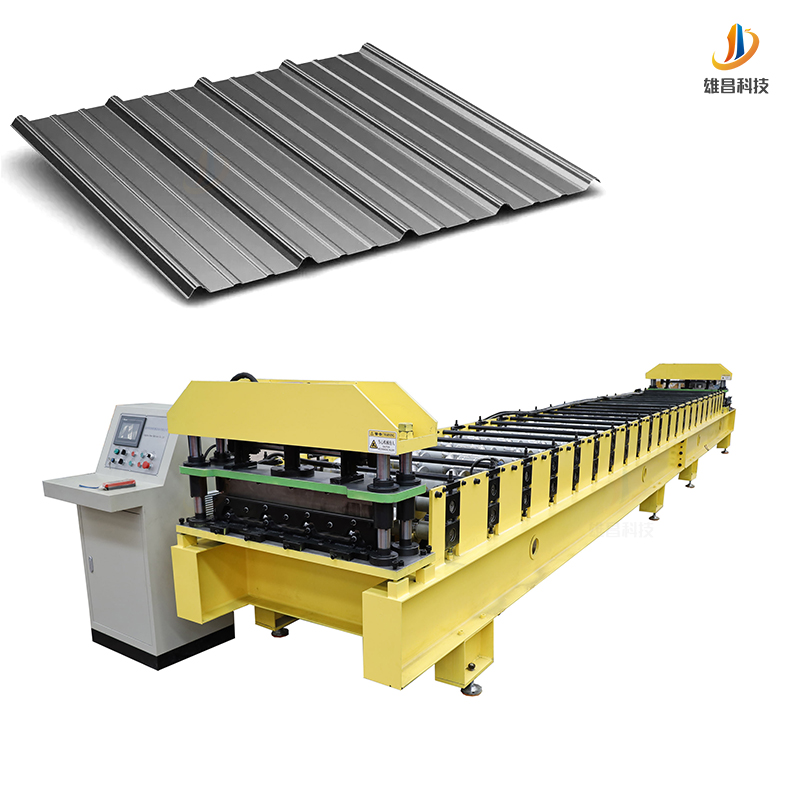
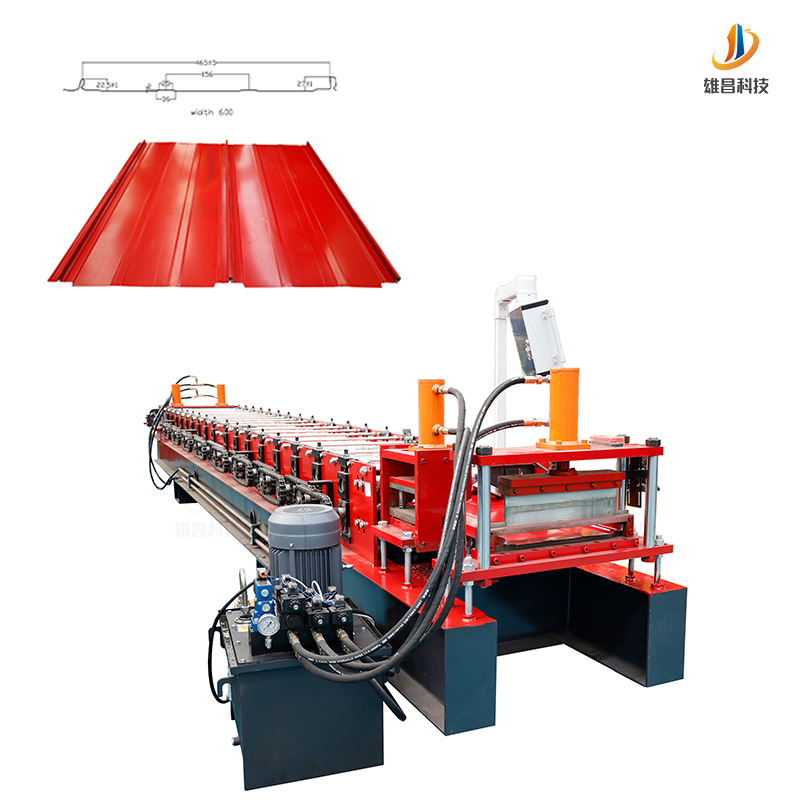
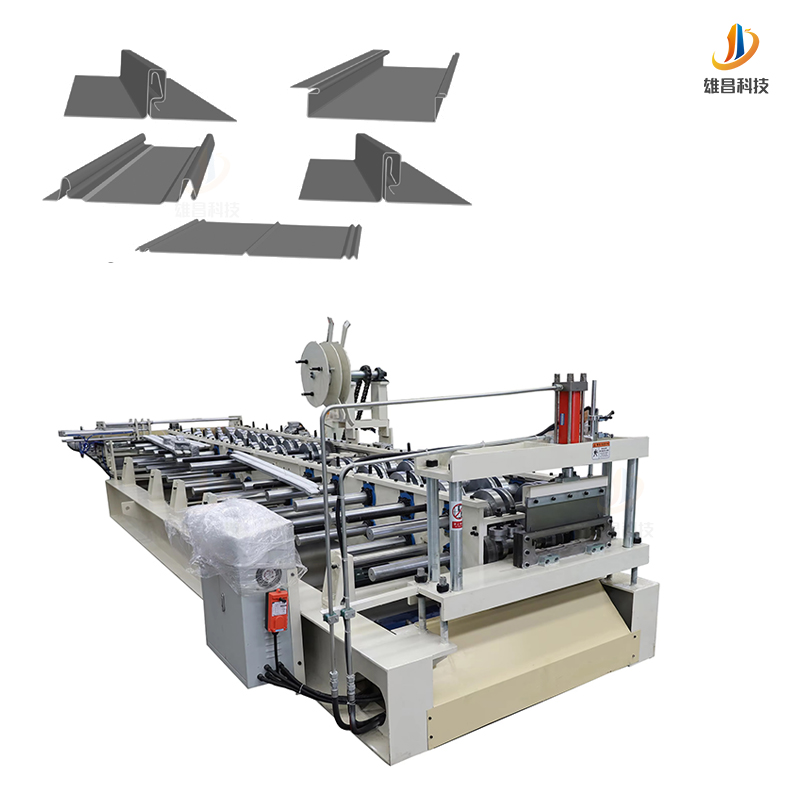
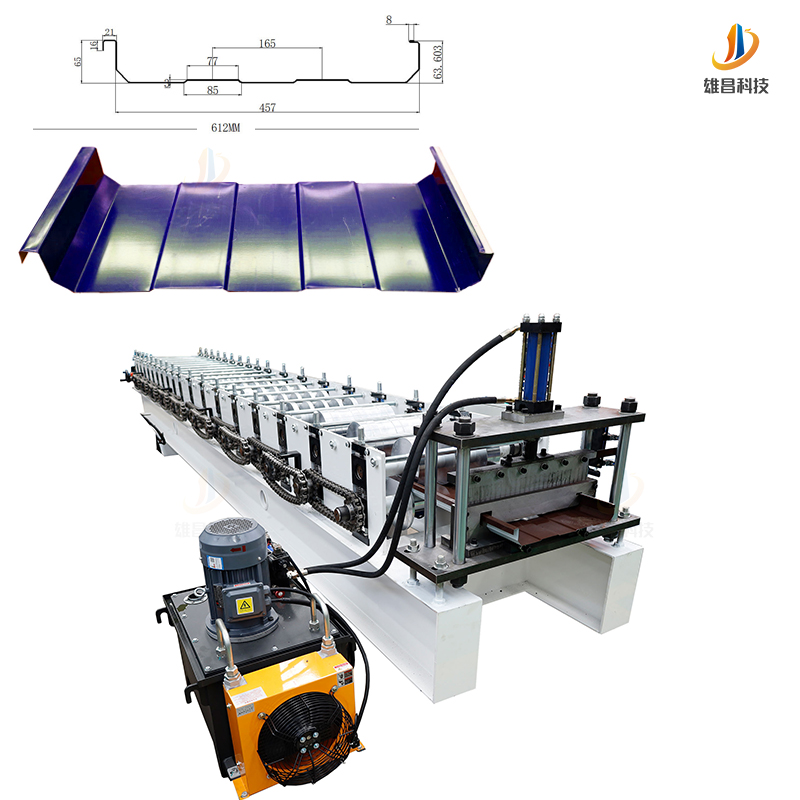
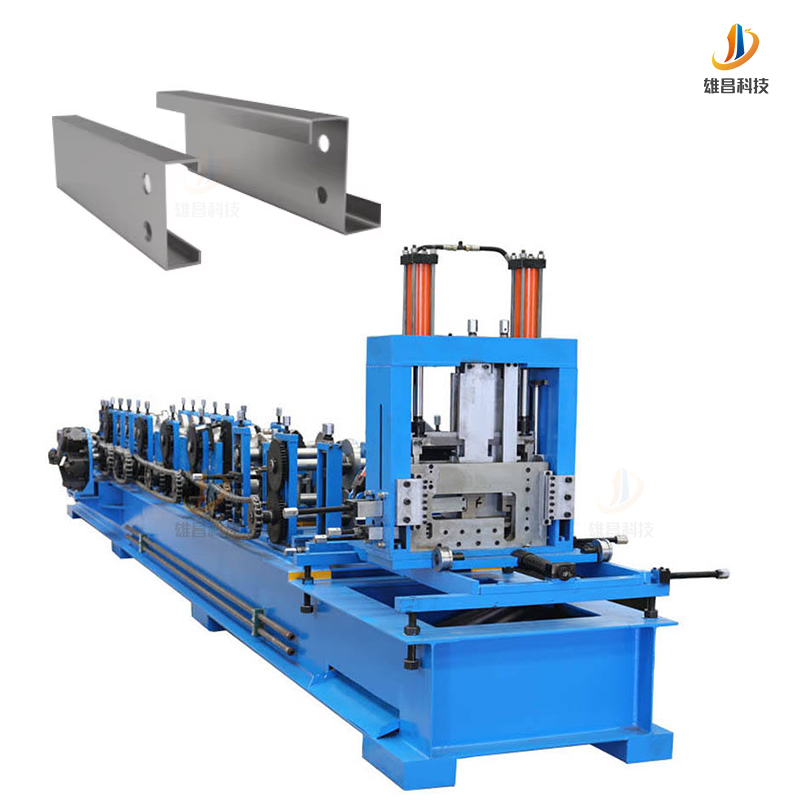
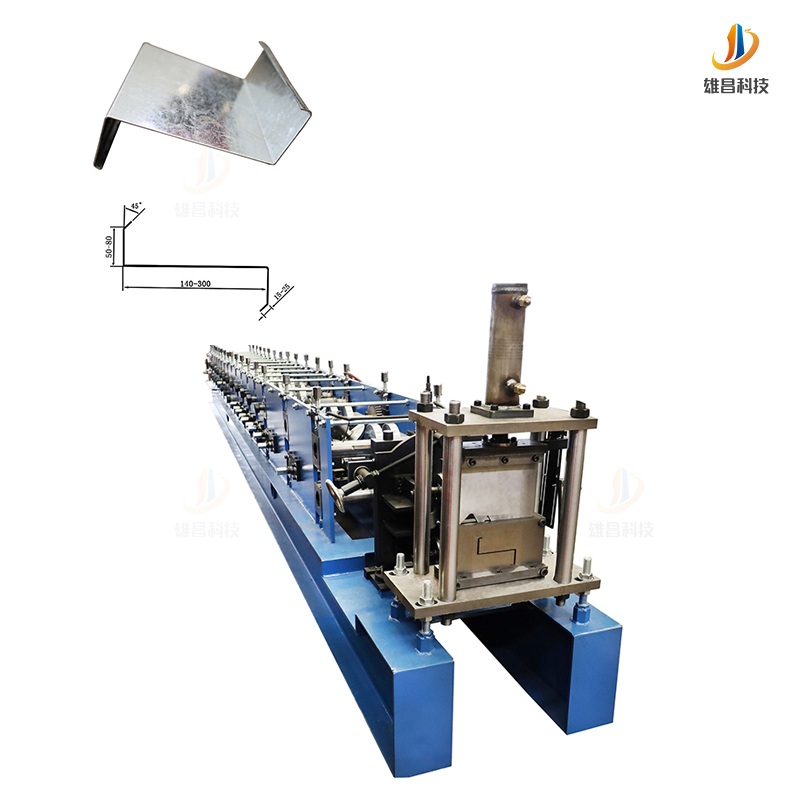
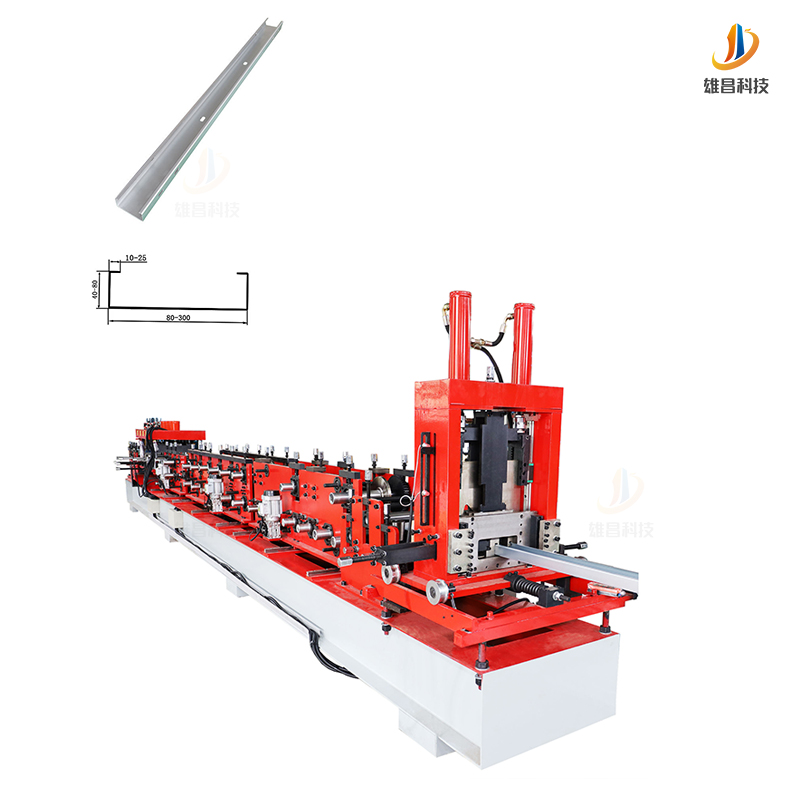
Hungary's construction and industrial investment cycle creates consistent demand for cold roll forming equipment across several building categories. Budapest remains the largest market for commercial offices, hotels, retail and mixed-use developments, while Debrecen, Szeged, Győr, Kecskemét, Pécs and Miskolc host expanding industrial parks, automotive supplier networks, battery-related manufacturing and logistics campuses. These projects require composite steel floor decking, metal roofing, standing seam envelopes, C/Z purlins and light-gauge steel framing. For a Hungarian contractor, the practical question is not only “Who manufactures the machine?” but “Which company can deliver a profile that fits our drawings, our coil supply, our voltage and our EU compliance file?”
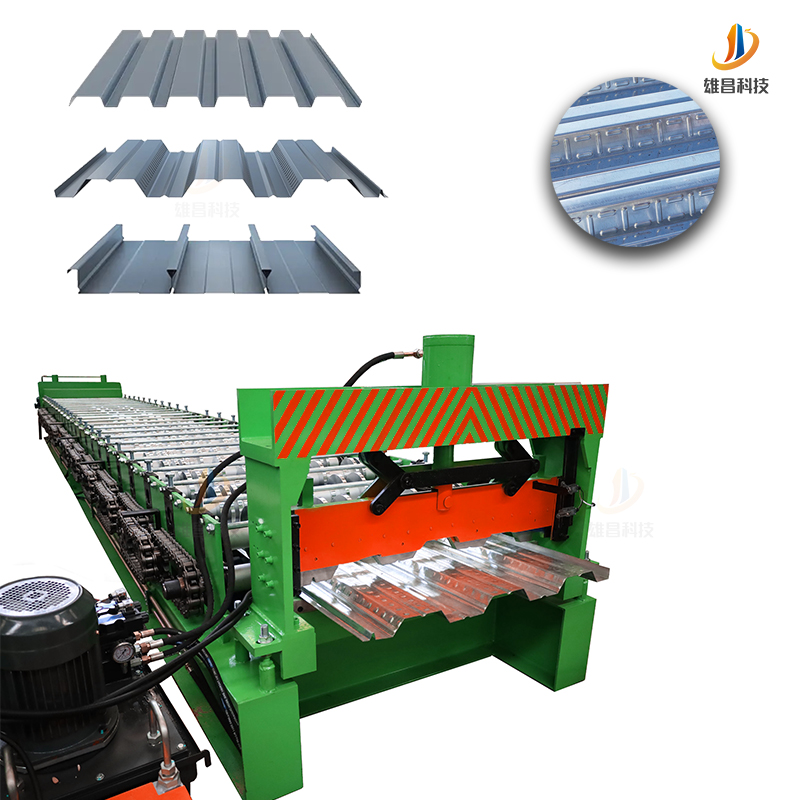
Floor deck roll forming machines are especially important for multi-storey commercial buildings, industrial mezzanines, warehouse offices, parking structures, data centres and retail developments. A composite floor deck line converts galvanised coil into profiled decking with embossments that mechanically bond with concrete. In Hungary, specifiers increasingly compare local fabrication options with imported machinery from global manufacturers because project schedules, labour costs and steel coil availability all influence total cost. The search intent behind queries such as “floor deck roll forming machine Hungary manufacturers”, “composite deck roll former companies” and “CE roll forming machine supplier Hungary” is therefore commercial and technical at the same time.
What Hungarian Buyers Usually Need to Confirm
- Profile drawing and slab design: deck depth, cover width, embossing pattern, side-lap detail, end-lap detail and expected concrete topping.
- Coil specification: galvanised steel grade, zinc coating, thickness range, yield strength, coil width and surface condition.
- Output target: metres per shift, line speed, cut length tolerance and stacking or packing method.
- Power supply: 230/400 V, 50 Hz is typical in Hungary; motors, hydraulic stations and control cabinets must be configured accordingly.
- Compliance: CE marking for machinery, electrical safety, EMC documentation, English manuals and a machine file suitable for EU procurement review.
- Logistics and installation: export packing, sea or rail routing, customs documentation, site unloading, commissioning plan and operator training.
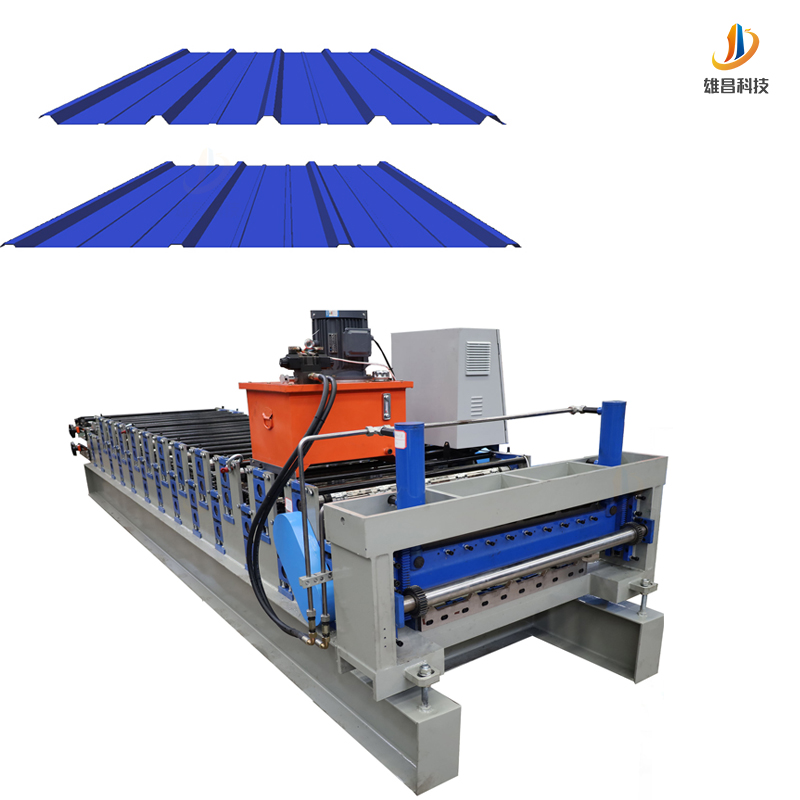
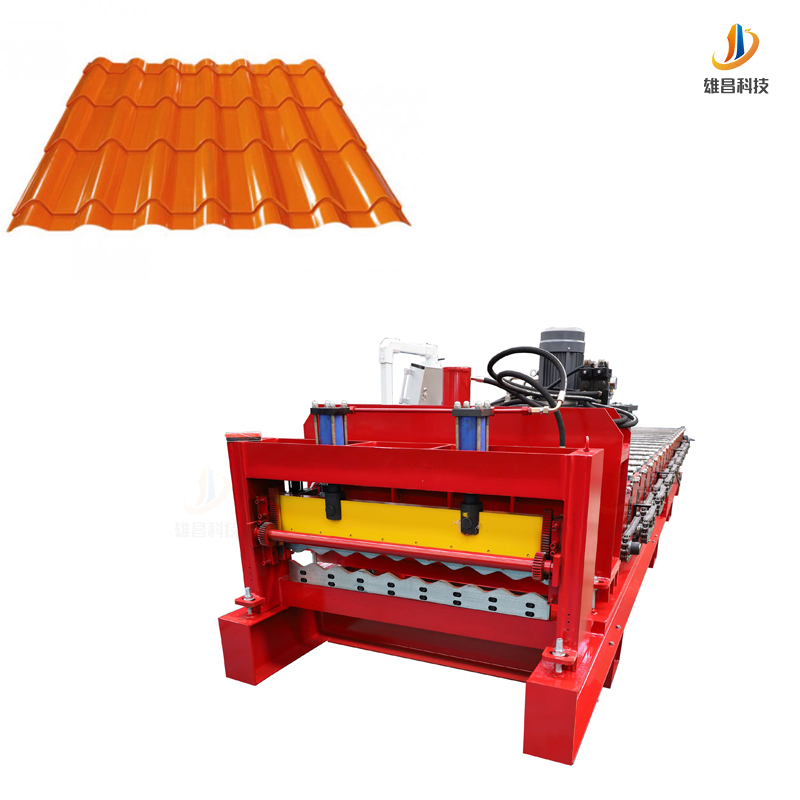
Local Hungarian steel structure fabricators and roofing manufacturers often operate mixed-product factories. They may produce IBR or trapezoidal roofing, standing seam panels, C/Z purlins and floor decking on different lines. This is why a roll forming machine manufacturer serving Hungary should offer more than a single catalogue model: the engineering team must be able to develop a roll pass design from a drawing or sample, confirm the forming station count, select roller material and specify a cutting system that protects the profile. For thin galvanised decking, coating-safe forming and stable strip guidance matter as much as motor power.
Hungary's EU membership also raises the bar for documentation. A machine used in a Hungarian factory may be reviewed by the buyer's technical team, maintenance contractor, insurer or project owner. Clear electrical diagrams, CE-related documents, safety guarding, emergency stops and operator manuals are not administrative extras; they reduce commissioning friction. For buyers comparing Hungarian companies with international manufacturers, the strongest proposals usually include a factory acceptance test, measured sample panels, a video inspection report and a practical spare-parts list.
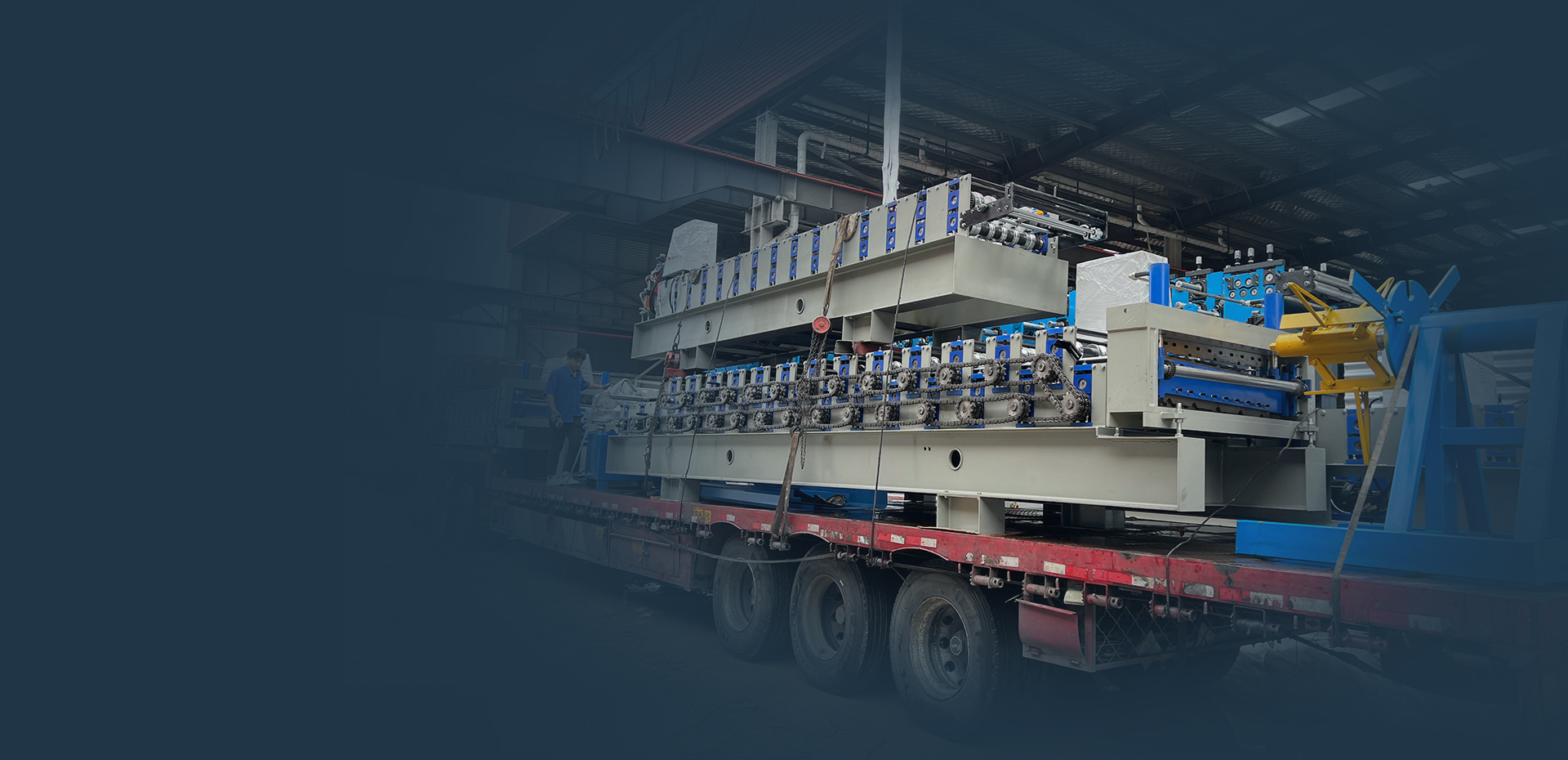
From a procurement perspective, Hungary is well connected but not a coastal market. Machinery often arrives through Adriatic ports such as Koper or Rijeka, through Hamburg or Rotterdam, or by China-Europe rail to the Budapest intermodal terminals. Each route affects packing, transit time and unloading arrangements. A supplier experienced with European deliveries should be able to coordinate wooden-case export packing, lifting points, container loading and documentation before the machine leaves the factory. That preparation protects the line from transport damage and shortens the path from arrival to first production panel.