What information do I need to send for an accurate roll forming machine proposal?
Send your profile drawing or a photo of a sample panel, material type (PPGI, GI, Galvalume or black steel), thickness range, yield strength, coil width, required output per shift, and your local voltage and frequency. For New York projects, include 480V/60Hz confirmation, imperial dimensions and any project-specific deck or roofing standard references. With these details our engineers can define the number of forming stations, roller material, cutting system and motor power.
Can XC build a roll forming machine for a local or non-standard profile?
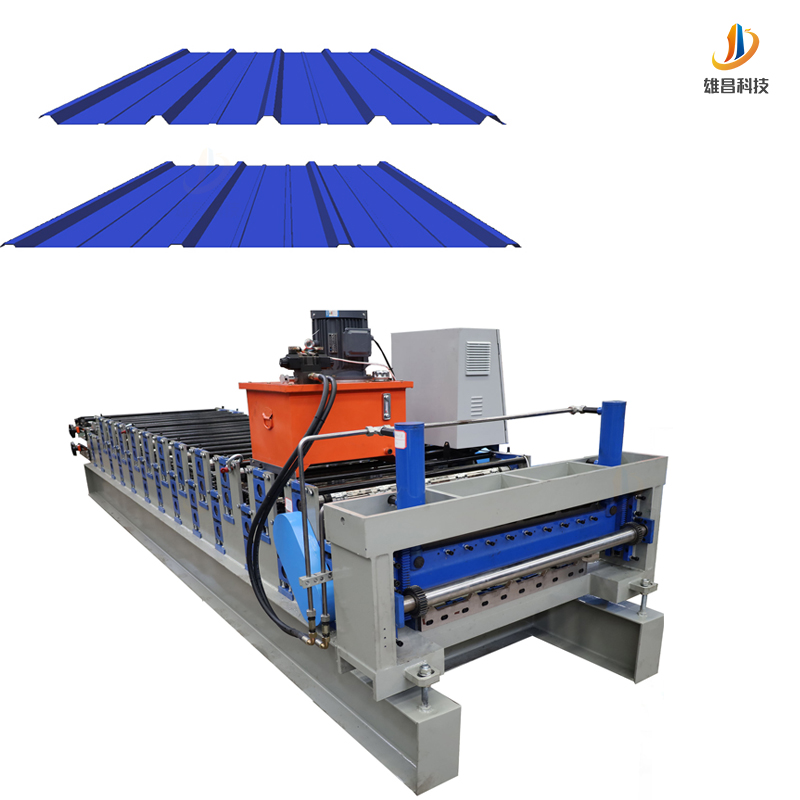
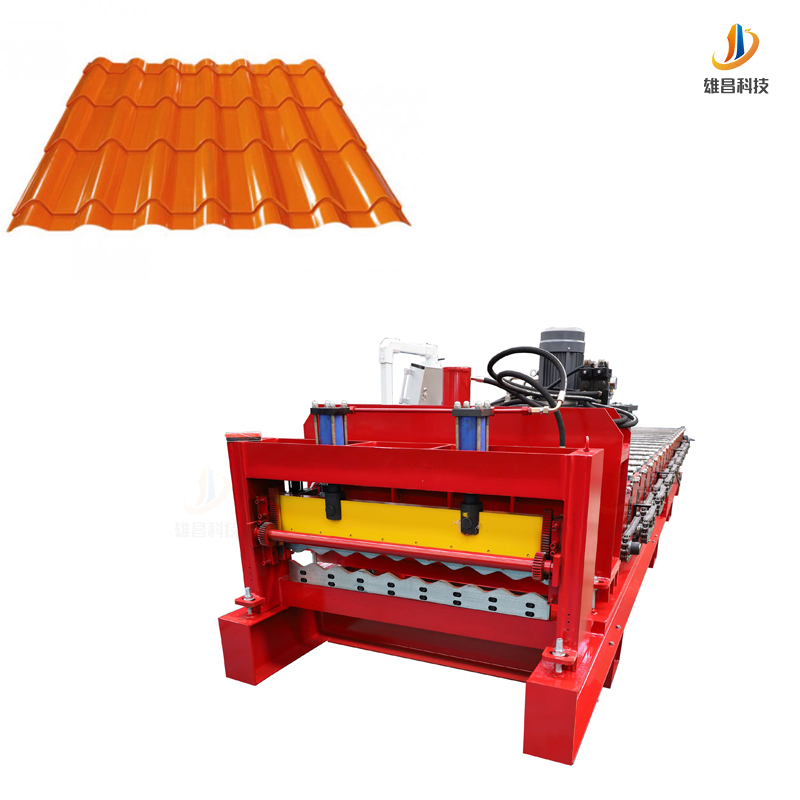
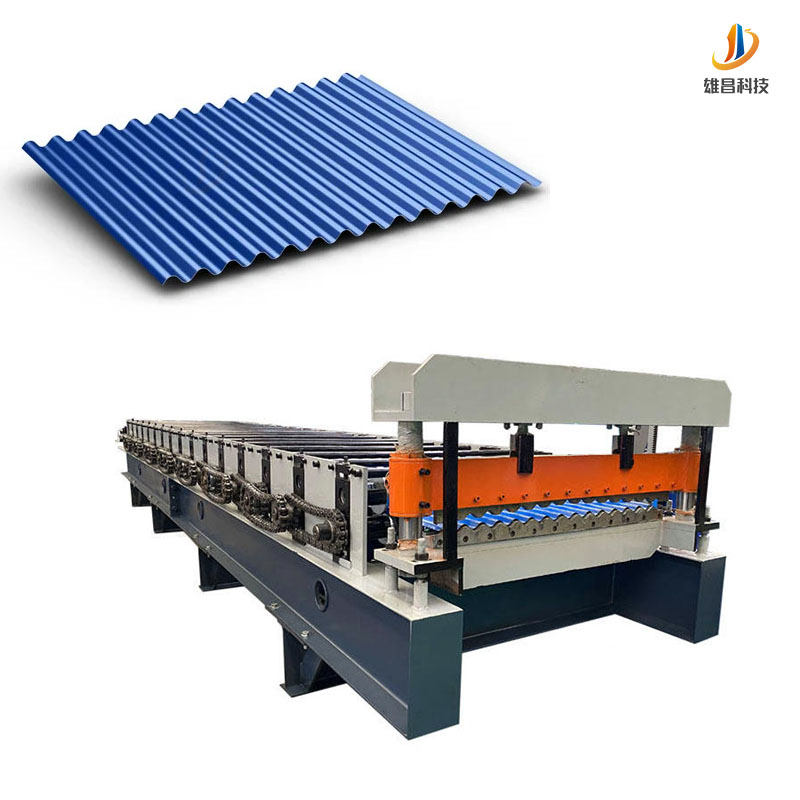
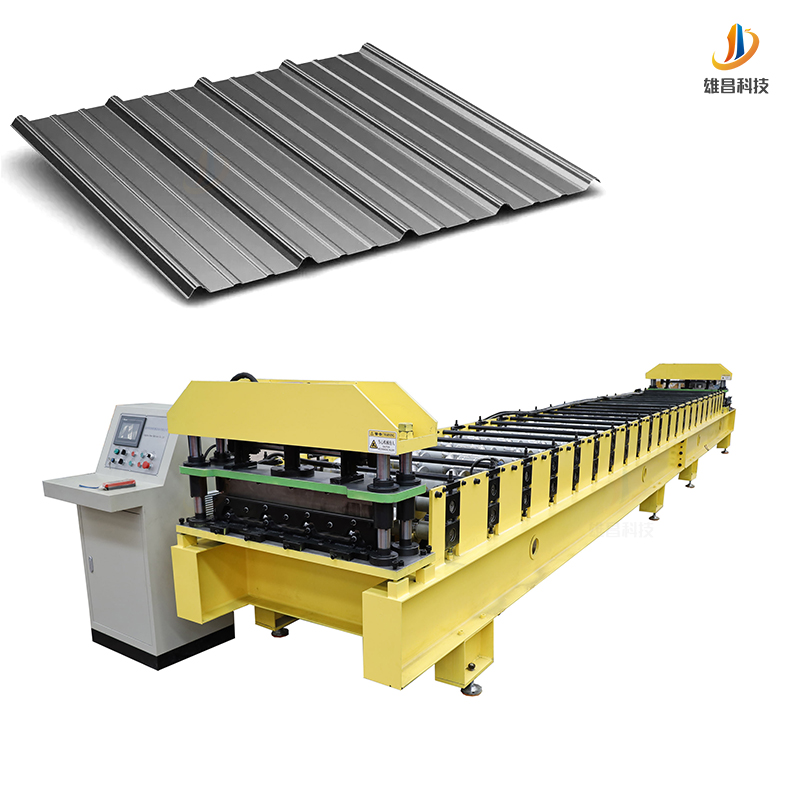
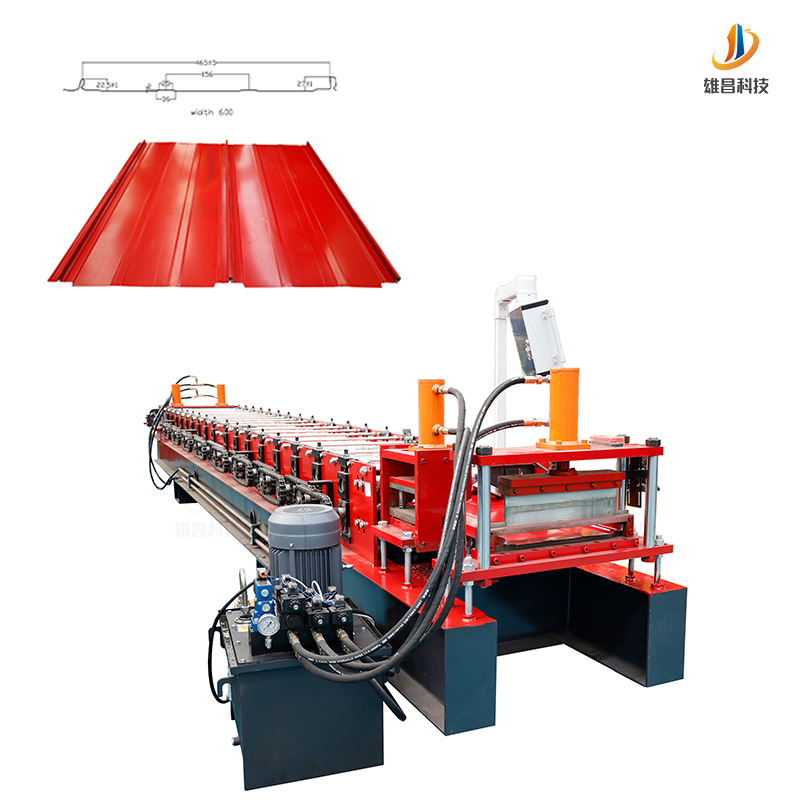
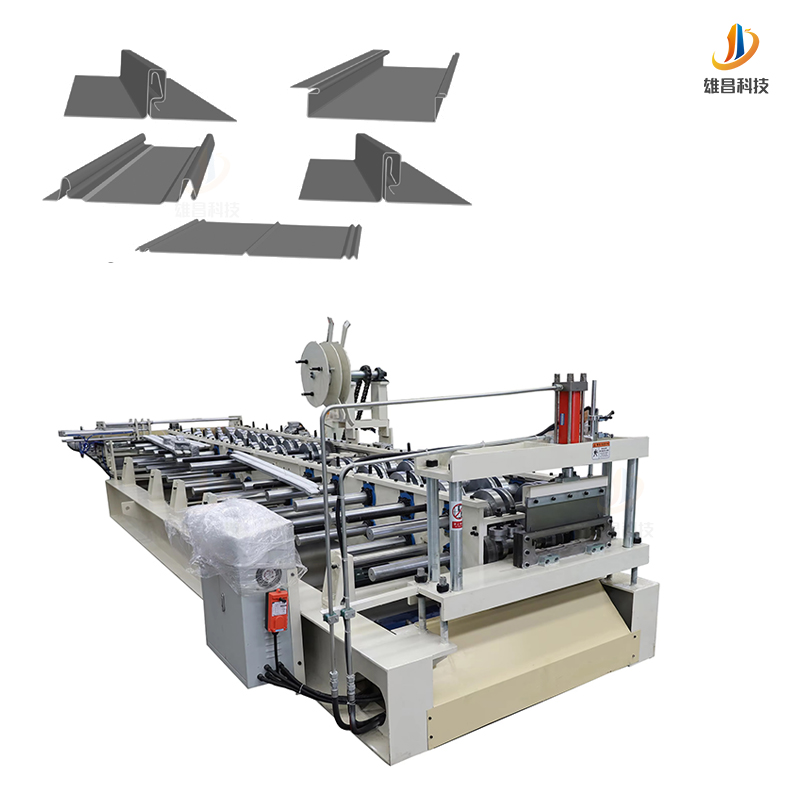
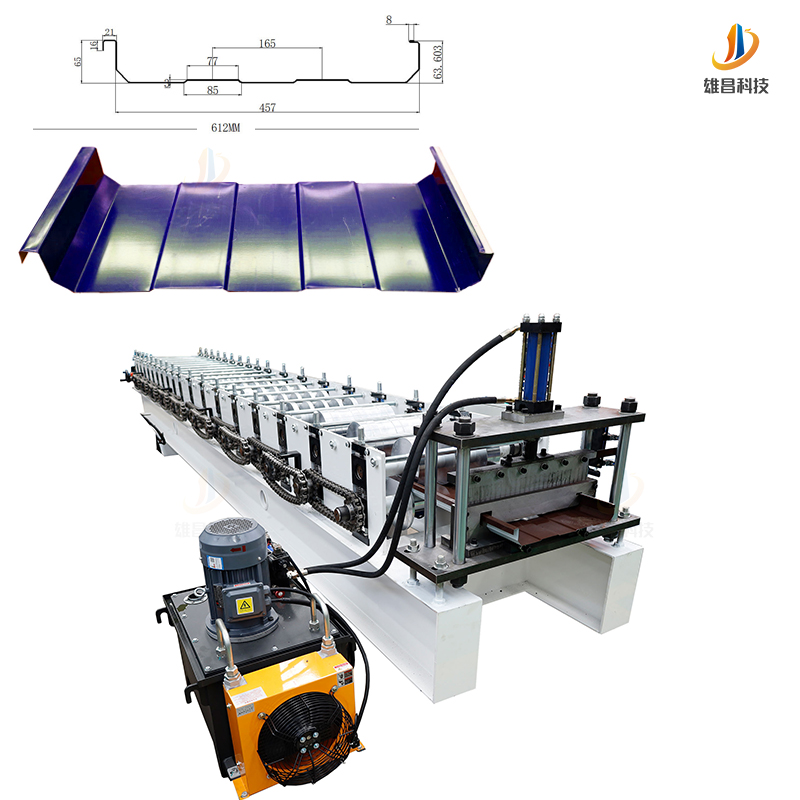
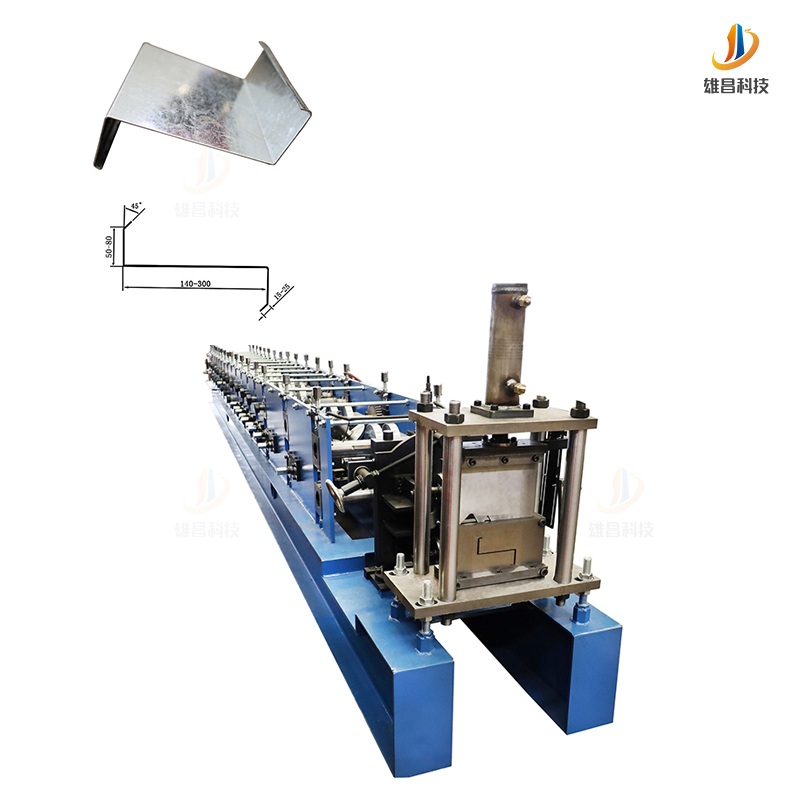
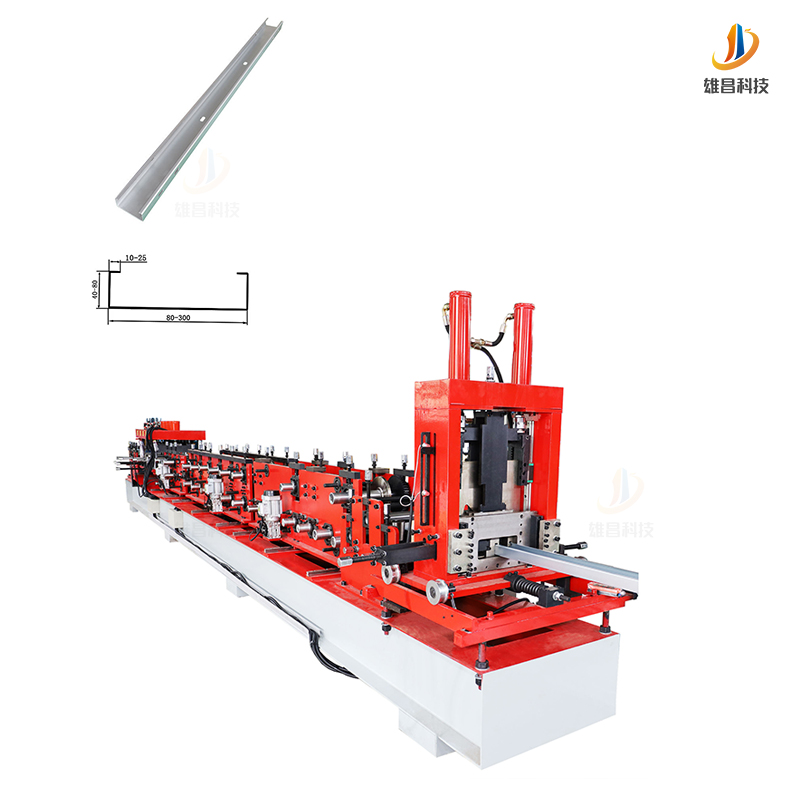
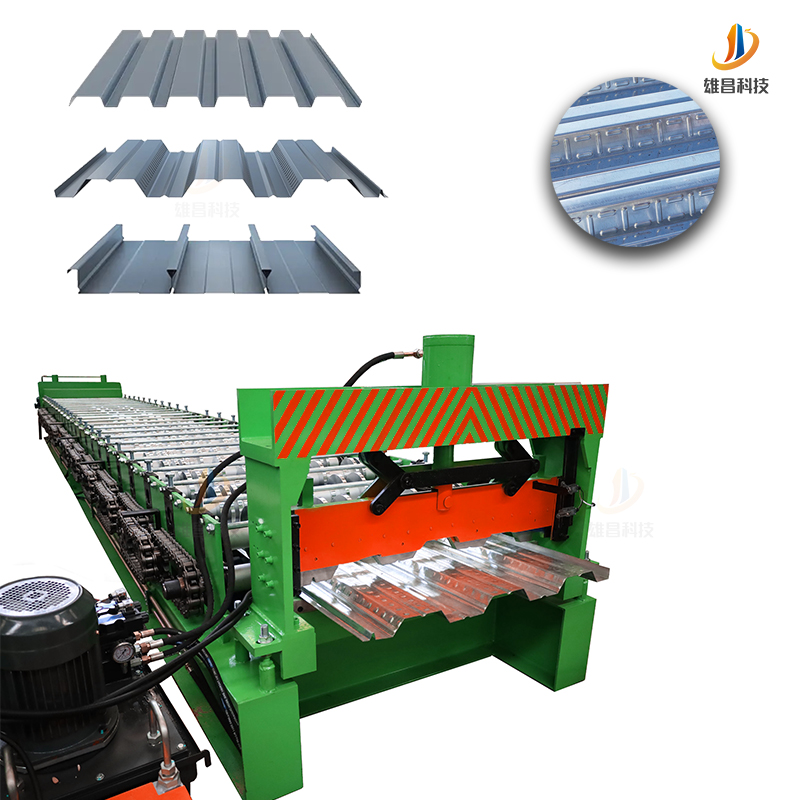
Yes. Most XC machines are built to order. Our engineers develop the roll pass design from your drawing or sample, so regional profiles such as IBR, Tuff-Rib, Klip-Lok style, New York roof deck or composite floor deck profiles can be matched closely. The approved drawing becomes the reference for roll design, cutting and factory inspection.
How is machine quality verified before shipment?
Every line is assembled and test-run in our factory with coil that matches your specification. Sample panels are measured against your drawing, and a trial-run video plus inspection photos are shared for your approval before packing. For a New York buyer, this remote acceptance step reduces installation risk and gives the plant team a clear reference before the machine arrives.
What is the typical lead time for a roll forming machine?
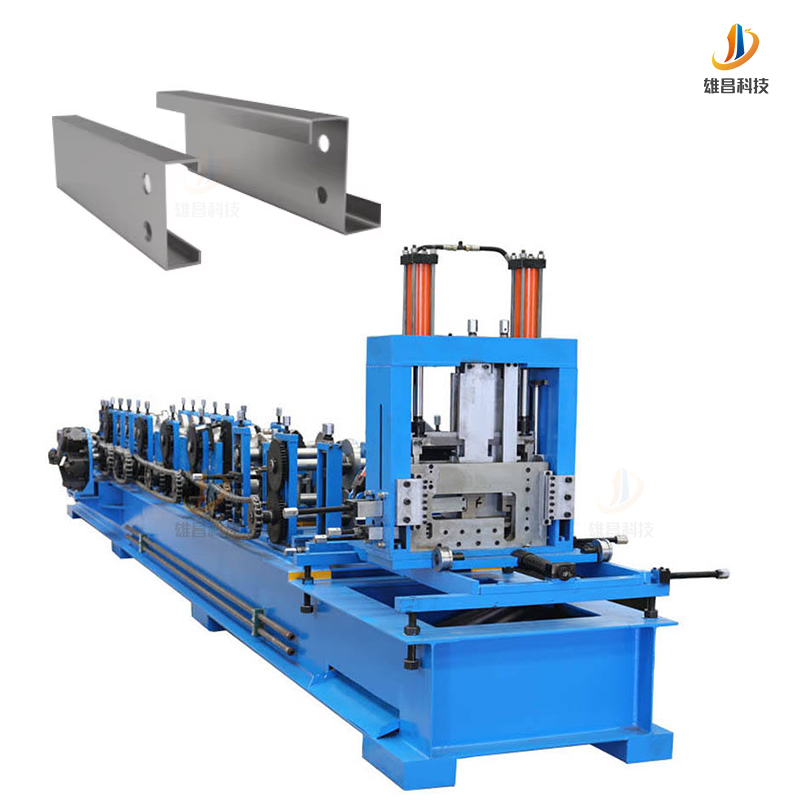
Standard roofing sheet lines are commonly ready within 30 to 45 working days after drawing confirmation. Purlin, floor deck, double layer and fully customized lines may take longer. The confirmed schedule is stated in each proposal, and ocean freight to the Port of New York and New Jersey is additional. Buyers should plan for vessel schedule, import clearance and inland delivery.
What after-sales support does XC provide to overseas buyers?
XC provides English manuals and electrical diagrams, remote video guidance for installation and commissioning, on-site engineer service on request, and spare parts supply such as blades, bearings, sensors, hydraulic components and electrical parts. Service can be scheduled in Eastern Time for New York buyers.
Can machines be configured for my local power supply?
Yes. Motors, hydraulic stations and control cabinets are configured to your site voltage and frequency, for example 220V, 380V, 415V, 440V or 480V at 50Hz or 60Hz, with HMI language options for operators. New York plants typically require 480V/60Hz three-phase, which should be confirmed during proposal review.
How do you support New York projects with shipping and documentation?
XC prepares export packing, lifting points, packing lists, machine manuals and inspection records. Shipment can be arranged to the Port of New York and New Jersey with the buyer’s freight forwarder, followed by inland delivery to Newark, Elizabeth, Bayonne, Brooklyn, Queens, Long Island, Westchester or the Hudson Valley. Import clearance and final inland logistics are coordinated with the buyer’s nominated logistics team.
Can a floor deck line be used for more than one profile?
It depends on the mechanical design and tooling strategy. Some buyers choose interchangeable forming cassettes, adjustable roll tooling or a double-layer concept to serve more than one profile. For floor deck, the profile geometry and embossing pattern must be carefully reviewed because deck depth, rib shape and cover width affect the machine architecture. The best approach is to provide a profile matrix and expected batch sizes during the proposal stage.
How does XC address safety and operator training?
The line is designed with guarded drive areas, emergency stops and accessible service points. Commissioning support covers safe operation, roll changing, cut-length setting, basic fault diagnosis and preventive maintenance. Buyers should also integrate the machine into their own plant safety program, lockout procedures and local OSHA practices.
What is the first step for a New York floor deck project?
Send the deck profile drawing, coil specification, required thickness range, target output per shift, site voltage and the project timeline. Our engineers will review the drawing, recommend the line configuration and identify any technical questions before a formal quotation. Use the Send Inquiry Now button to start the review.