The search phrase “Custom Double layer Roofing sheet making machine Manufacturers & Company serving the Osaka market” carries several buying intents at once. A procurement manager may be checking whether a manufacturer can engineer a dual-profile line for IBR and corrugated sheets. A roofing contractor may need a compact machine for a workshop in Higashiosaka or Suminoe. An importer may be testing whether the supplier understands 60 Hz Kansai power, Japanese documentation, spare parts and commissioning. A site engineer may be comparing cut-length tolerance, coating-safe forming, changeover time and wind-uplift-related profile consistency. This guide is written to answer those overlapping questions rather than repeat generic machine specifications.
From a semantic-search perspective, the query links several entities: custom roll forming machine, double layer roofing sheet making machine, manufacturer, company, Osaka, local support, compliance, coil standards and after-sales service. Google’s Search Quality Rater Guidelines reward pages that demonstrate first-hand experience, expertise, authoritativeness and trustworthiness. In practice, that means naming the line components, explaining design trade-offs, showing how quality is verified before shipment, and stating clearly which items must be confirmed by the buyer’s own engineer or local authority. A useful manufacturer page should make the buyer more capable of asking precise questions.
What is a double layer roofing sheet making machine?
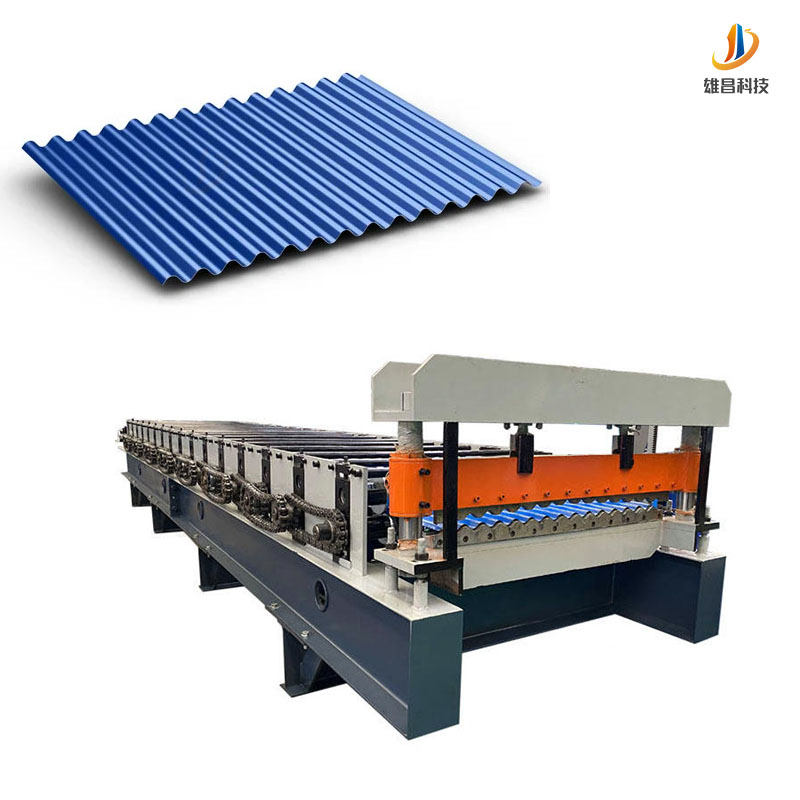
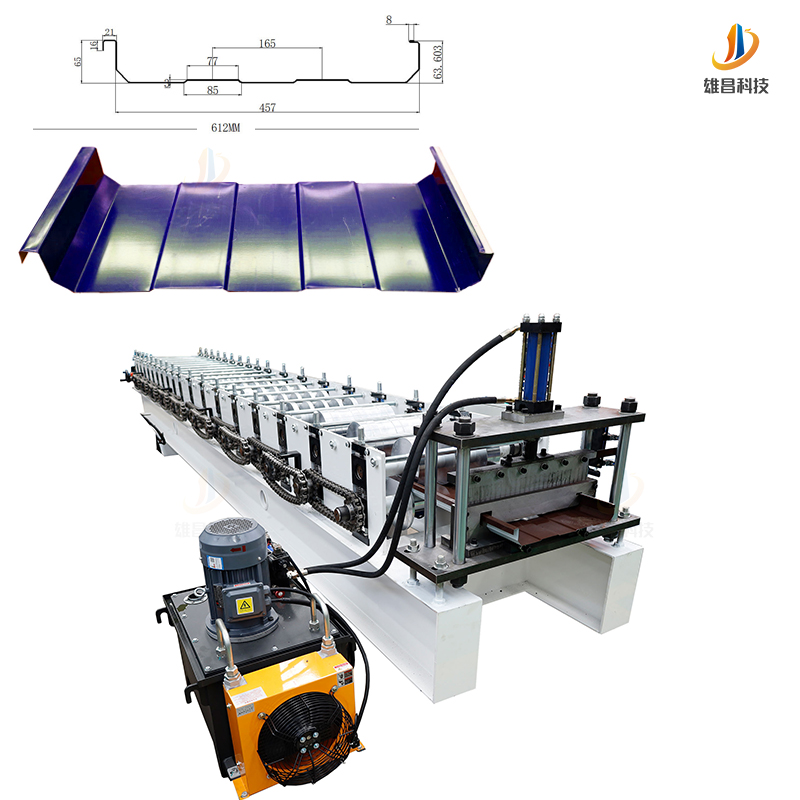
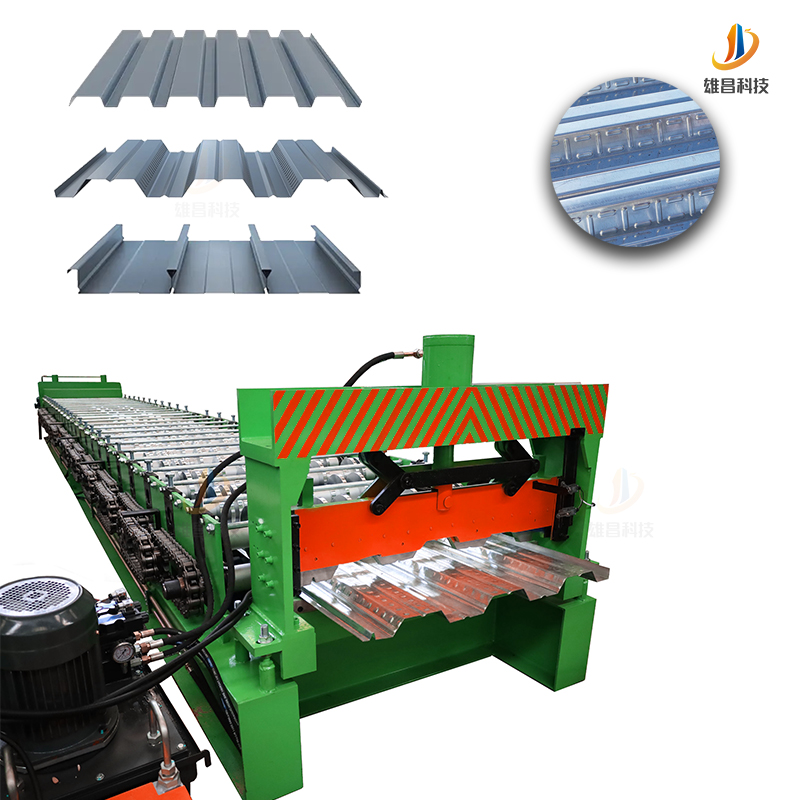
A double layer roofing sheet making machine places two forming layers on a common base frame. One layer might produce a trapezoidal or IBR panel; the other might produce a corrugated wave panel, a different cover width, or a different rib geometry. The two layers usually share the decoiler, hydraulic station, PLC cabinet, safety system and cut-off area, while each layer has its own roll set and entry guidance. The result is a smaller factory footprint than two independent lines and a lower capital cost for a supplier that must serve mixed roofing demand.
The business case is strongest where floor space is expensive, order batches are mixed, and the contractor needs fast response. In Osaka, urban factories and building-material distributors rarely have unlimited floor area. A double layer line can let one operator switch between two popular profiles without tying up capital in two complete production lines. The trade-off is that the shared frame, hydraulic power and control system must be engineered for the worst-case load, and changeover discipline must be clear. For a factory that expects to run one profile at very high volume for years, a dedicated single-profile line can still be the better engineering choice. A responsible supplier should be willing to say so.
Osaka buying signals that deserve evidence
When an Osaka buyer evaluates a Chinese manufacturer, the conversation usually moves quickly from price to proof. Can the supplier show a sample panel formed from a comparable PPGI or Galvalume coil? Can the roll pass design protect the zinc and paint coating at the bend line? Can the PLC store batch lengths and production counts? Is the machine configured for 200 V or 400 V at 60 Hz, not the default 380 V 50 Hz? Are the manual, electrical drawings, safety labels and HMI available in English or Japanese? What spare parts should be stocked in Osaka, and how quickly can a technician or remote engineer respond? These are the questions that separate a credible manufacturer from a catalogue listing.
Information-gain principle: a strong supplier page should not simply claim “high quality”. It should explain how quality is designed, inspected and accepted: station count, roller material, shaft diameter, bearing selection, hydraulic pressure, encoder accuracy, safety interlock, coating protection and factory acceptance testing with the buyer’s coil specification.
Osaka market summary for procurement teams
Osaka is the commercial and industrial heart of the Kansai region. Its demand is shaped by a dense metalworking supply chain, continuous building renewal, logistics construction, port activity and the redevelopment of the Osaka Bay area. Buyers are practical: they need machines that produce saleable panels, run reliably with local coil, fit into a constrained factory, and receive responsive technical support across time zones. The most successful projects are not won by the lowest initial price alone; they are won by engineers who clarify the profile, material, voltage, documentation and acceptance protocol before the steel is cut.