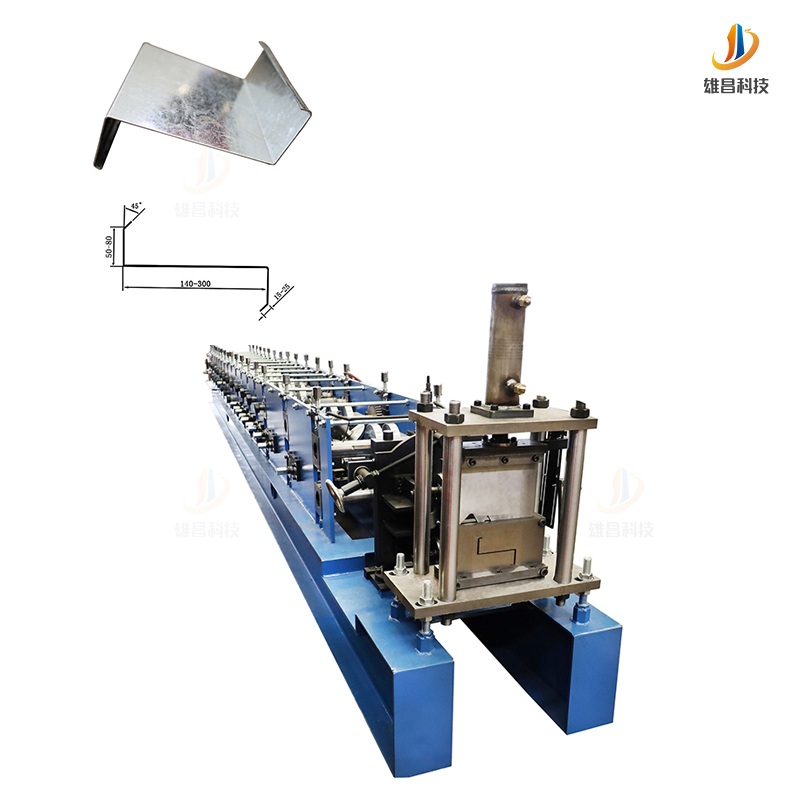
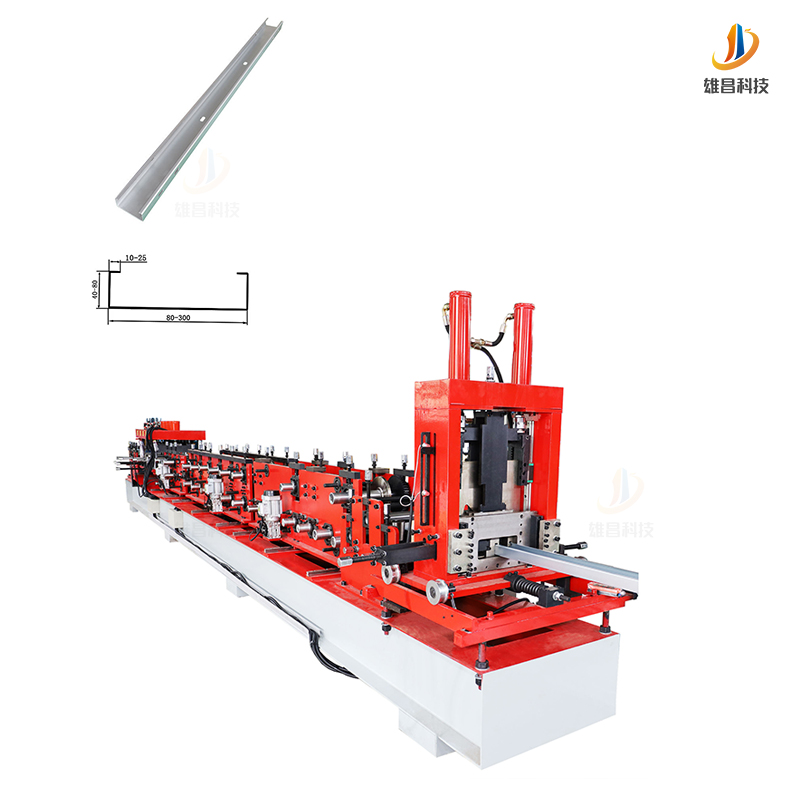
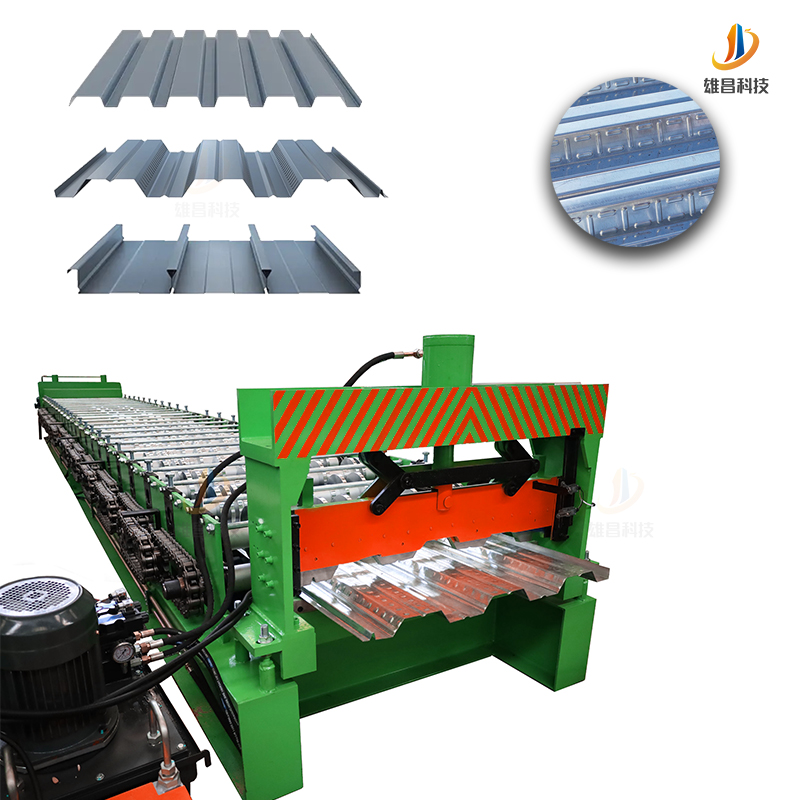
What information do I need to send for an accurate roll forming machine proposal?
Send your profile drawing or a photo of a sample panel, material type (PPGI, GI, Galvalume or black steel), thickness range, yield strength, coil width, required output per shift, and your local voltage and frequency. With these details our engineers can define the number of forming stations, roller material, cutting system and motor power.
Can XC build a roll forming machine for a local or non-standard profile?
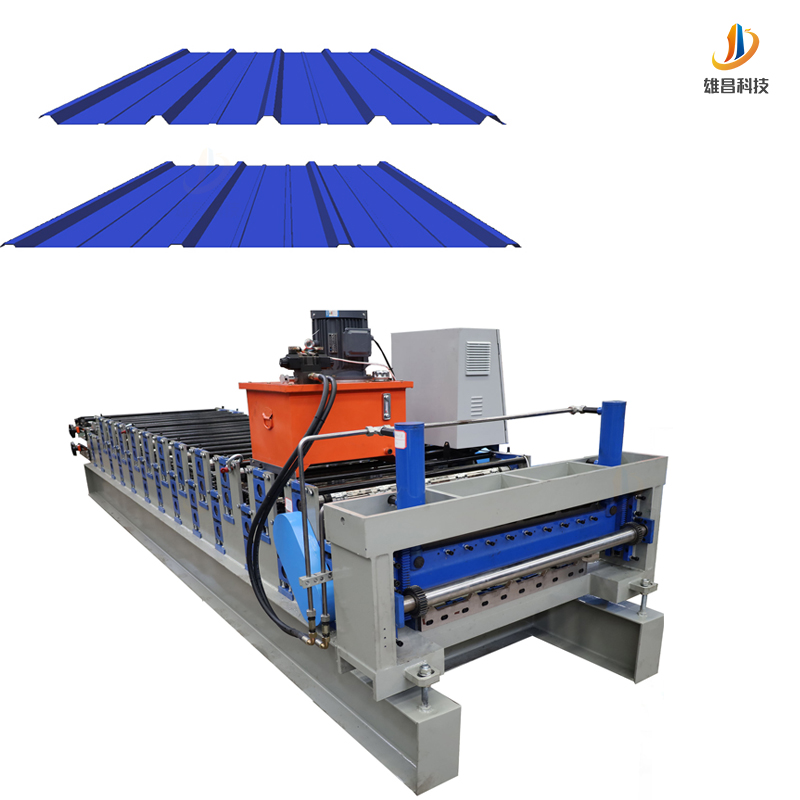
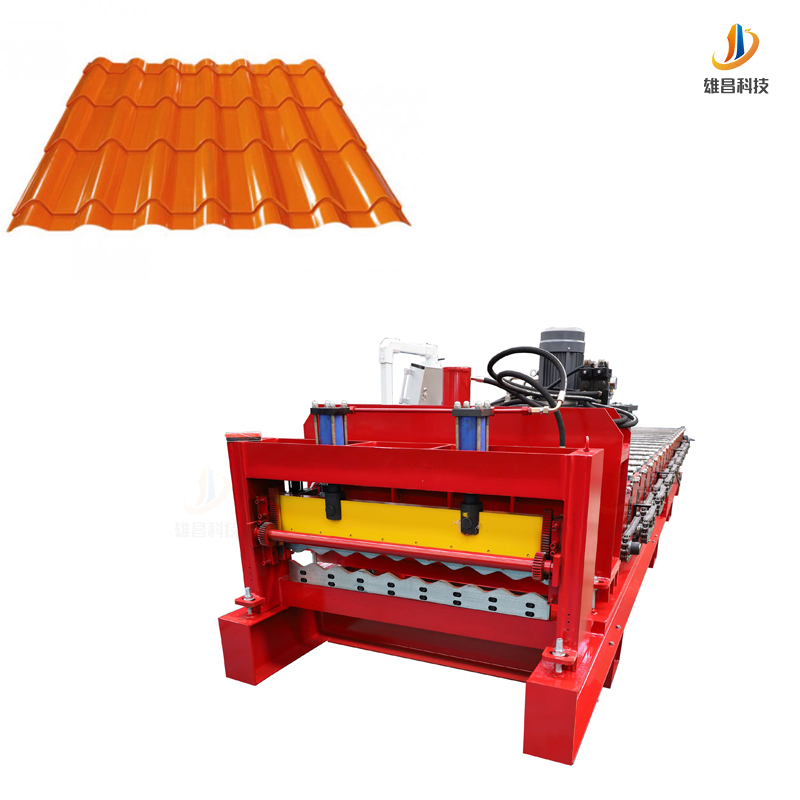
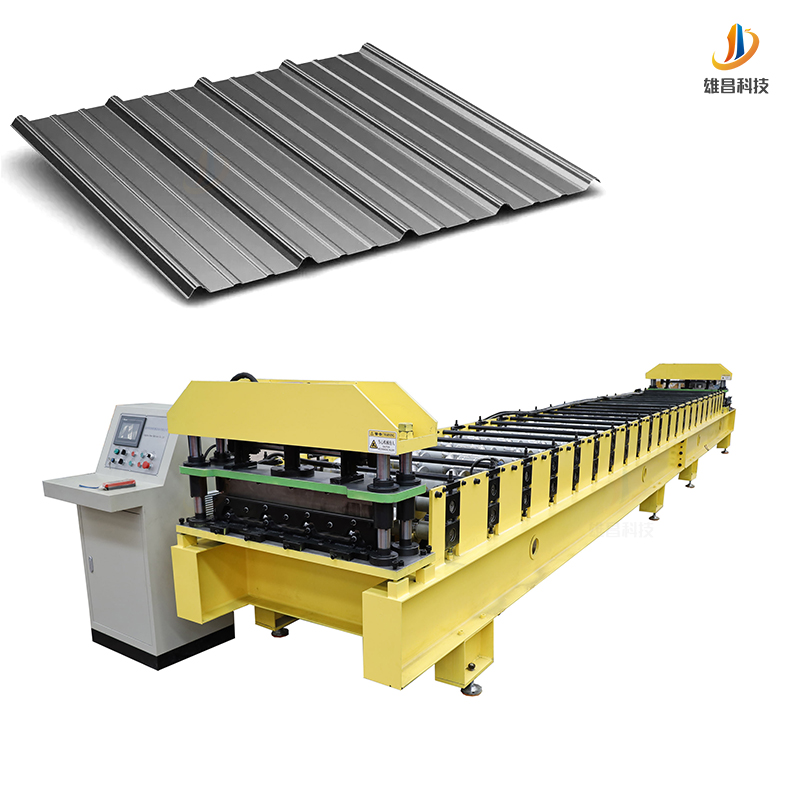
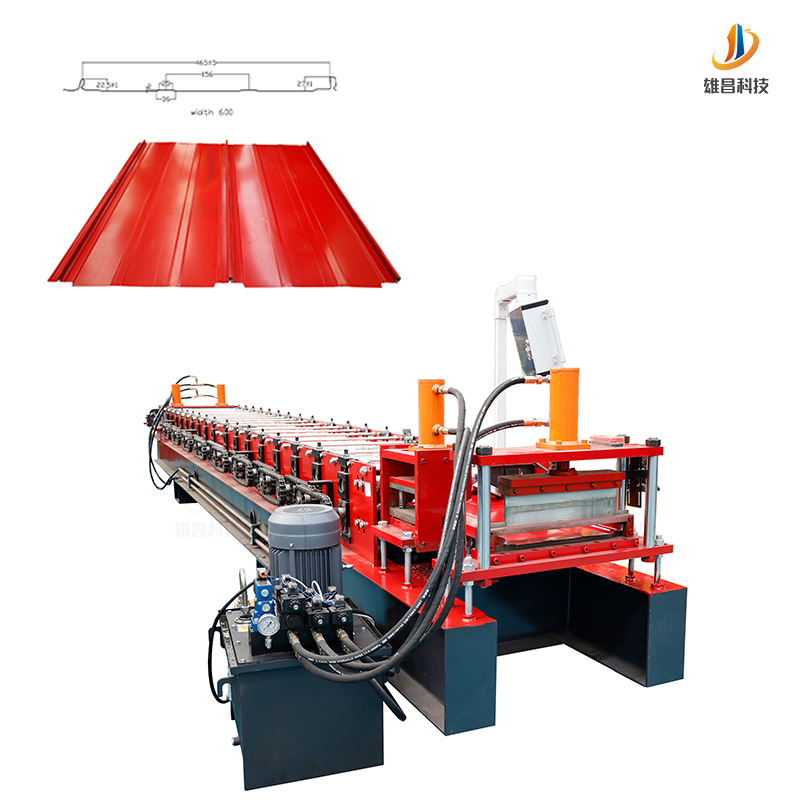
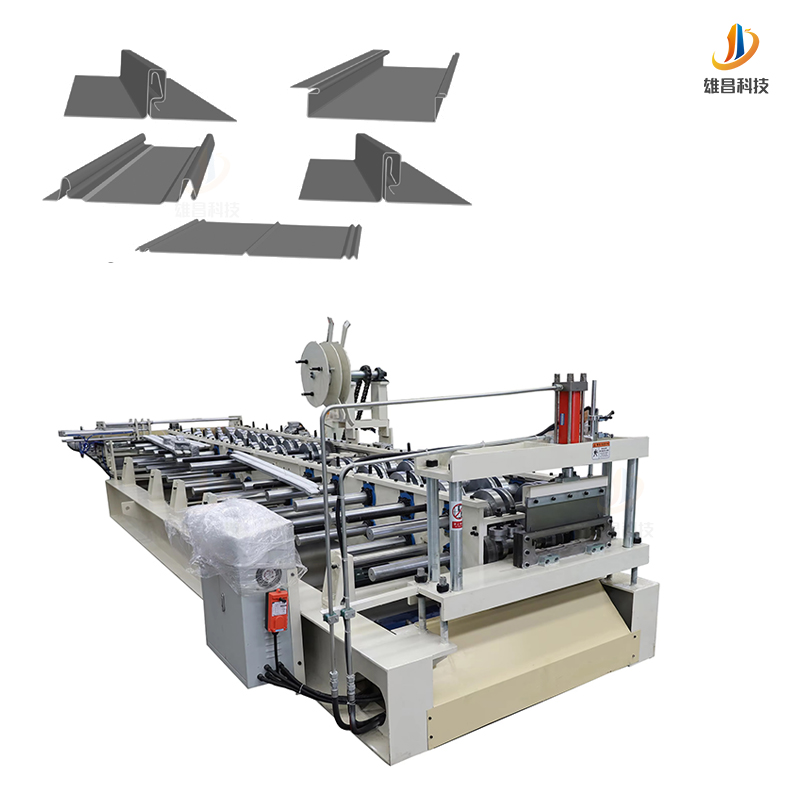
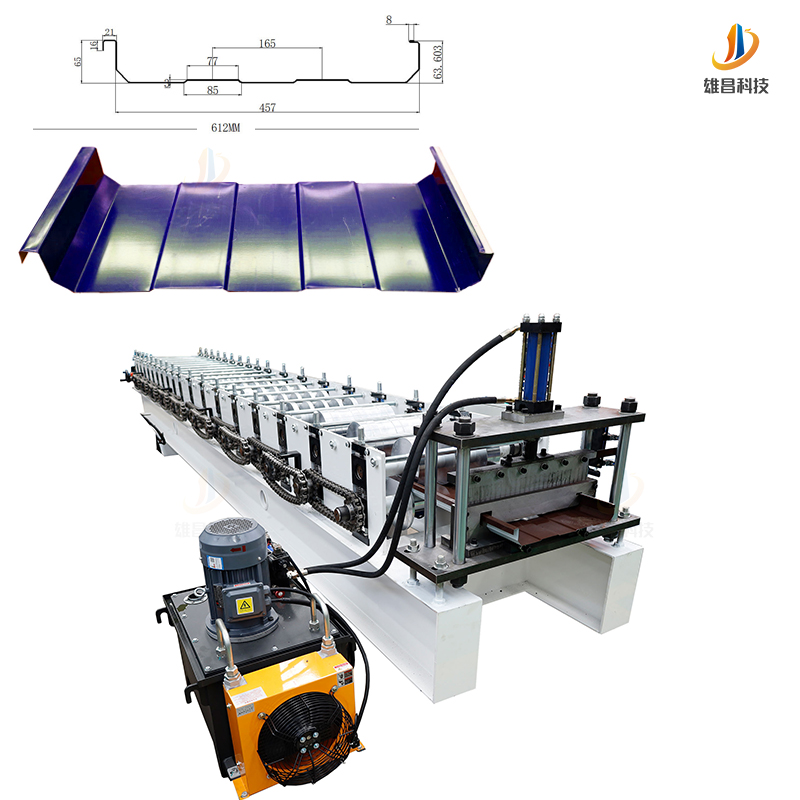
Yes. Most XC machines are built to order. Our engineers develop the roll pass design (flower pattern) from your drawing or sample, so regional profiles such as IBR, Tuff-Rib, Klip-Lok style or Spanish-style tiles can be matched closely.
How is machine quality verified before shipment?
Every line is assembled and test-run in our factory with coil that matches your specification. Sample panels are measured against your drawing, and a trial-run video plus inspection photos are shared for your approval before packing.
What is the typical lead time for a roll forming machine?
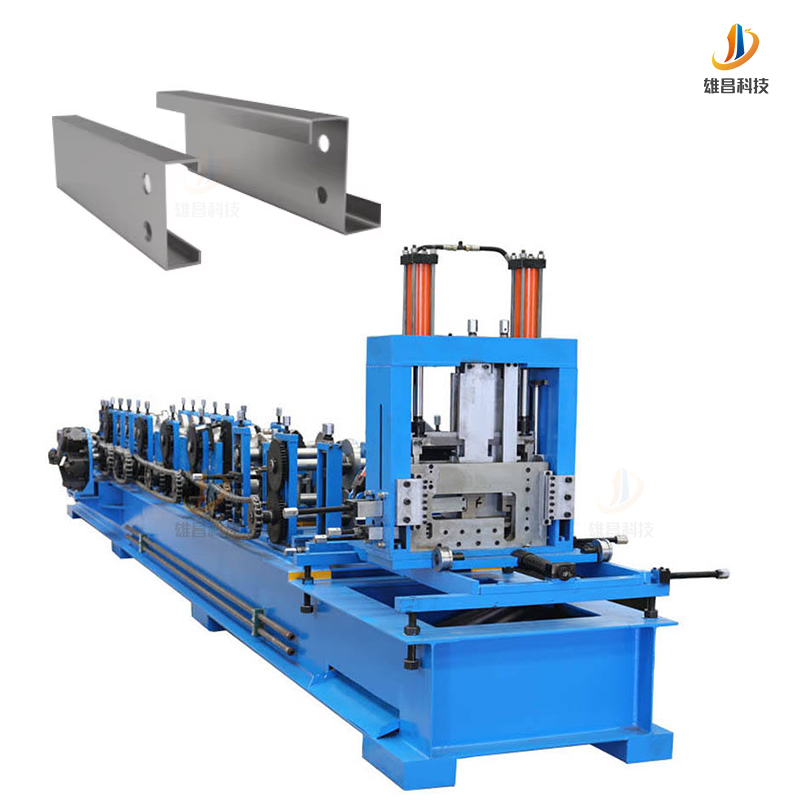
Standard roofing sheet lines are commonly ready within 30 to 45 working days after drawing confirmation. Purlin, floor deck, double layer and fully customized lines may take longer. The confirmed schedule is stated in each proposal.
What after-sales support does XC provide to overseas buyers?
XC provides English manuals and electrical diagrams, remote video guidance for installation and commissioning, on-site engineer service on request, and spare parts supply such as blades, bearings and electrical components.
Can machines be configured for my local power supply?
Yes. Motors, hydraulic stations and control cabinets are configured to your site voltage and frequency, for example 220V, 380V, 415V or 440V at 50Hz or 60Hz, with HMI language options for operators.
What voltage and frequency should a Serbian corrugated roof tile line use?
Serbia commonly uses 400 V three-phase, 50 Hz for industrial equipment. Single-phase control and lighting circuits may use 230 V. Before manufacturing, confirm the actual site supply, breaker capacity, earthing arrangement and any generator operation requirements so the motors, hydraulic station and control cabinet are configured correctly.
What coil specification is suitable for corrugated wave roof tile production in Serbia?
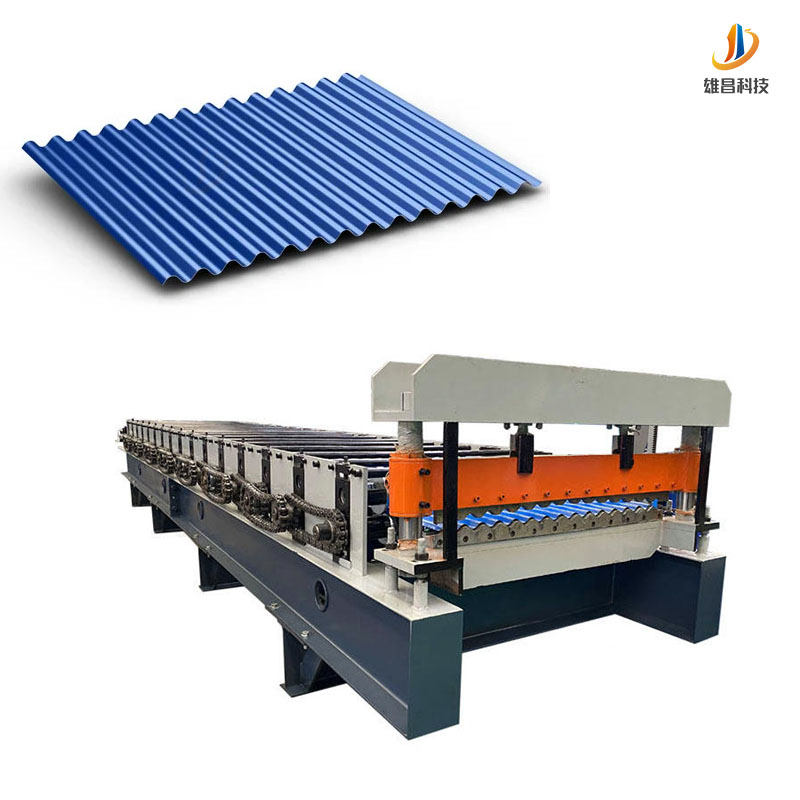
Most corrugated roofing lines run PPGI or GI coil in the 0.3–0.6 mm range. The final specification depends on span, purlin spacing, snow and wind assumptions, zinc coating and paint system. Provide the coil datasheet and the expected roof application so the roll pass design and cutter are matched to the material.
Can the machine be supplied with documentation for EU-linked projects?
Where the buyer’s project or destination market requires CE documentation, safety guarding, English manuals and electrical diagrams, this should be stated in the RFQ. XC can discuss the applicable documentation scope before order confirmation. Requirements vary by project, so the final scope must be written into the proposal.
How do we plan installation and operator training in Serbia?
Most lines can be installed with remote video guidance and clear manuals. On-site engineer service is available on request. Before shipment, prepare the foundation, power supply, compressed air if required, coil handling equipment and a trained operator team. A pre-installation checklist reduces commissioning time.


 Original product 01