
Corrugated, Purlin, LGS and AG Panel Machines for Seattle Fabricators
The first four original product lines are shown here as a complete desktop row. Each image and product URL has been retained from the original product list, with titles adapted to Seattle and Pacific Northwest production scenarios.

Custom Corrugated Steel Roofing Roll Forming Machine for Seattle Roofing Contractors
Original series: Custom Corrugated Steel Roofing Roll Forming Machine Manufacturer, Company
View Seattle Specification
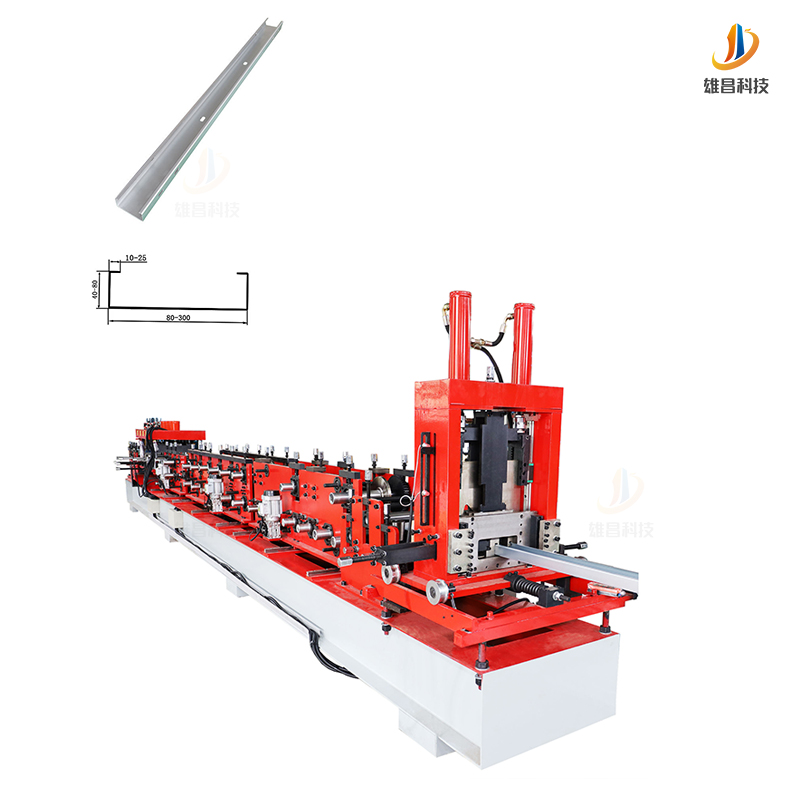
Metal C Purlin Roll Forming Machine for Seattle Steel Buildings
Original series: ODM Metal C Purlin Roll Forming Machine Manufacturers, Factory
View Seattle Specification
LGS Framing U Track Roll Forming Machine for Seattle Light-Gauge Construction
Original series: China LGS framing U track Roll Forming machine Company, Companies
View Seattle Specification
Tuff-Rib AG Panel Forming Machine for Pacific Northwest Agricultural Roofs
Original series: ODM Tuff rib panel(AG Panel) forming machine Company, Companies
View Seattle SpecificationWhy Corrugated Wave Roof Tile Roll Forming Matters in Seattle’s Construction Economy
Seattle sits at the intersection of a marine climate, a dense urban core, a powerful industrial supply chain and one of the most active port gateways in North America. The region’s roofing, warehouse, agricultural, cold-storage, modular-building and light-gauge steel sectors all depend on metal profiles that can survive wind-driven rain, coastal humidity, seismic movement and long service life. A corrugated wave roof tile roll forming machine is therefore not simply a piece of factory equipment; it is a localized production asset that lets Seattle-area manufacturers shorten lead times, control panel length, reduce shipping waste and respond faster to contractors who need precise roof and wall profiles.
From the Port of Seattle and Port of Tacoma logistics corridors to the industrial belts of Kent, Auburn, Everett, Tacoma and Marysville, fabricators increasingly want roll forming lines that support North American coil standards, 60 Hz power supplies, imperial measurements and field-friendly panel lengths. Seattle’s commercial projects also face demanding energy, stormwater and resilience expectations. Metal roofing’s high recycled content, recyclability and long service life fit well with these priorities, especially when the forming line is engineered to protect zinc and paint coatings during bending.
- Climate-fit profiles: Corrugated and ribbed metal panels are used for warehouses, agricultural buildings, workshops, carports, canopies and residential roofing where drainage, wind resistance and low maintenance are essential.
- Port-driven supply chains: Seattle and Tacoma provide access to imported coil and export equipment, but successful factories still need disciplined packaging, voltage matching and commissioning plans.
- Labor and automation: High labor costs in the Puget Sound region favor PLC-controlled cut lengths, batch memory, fast changeover and simple HMI operation.


Global Demand for Corrugated Wave Roof Tile Roll Forming Machines
Metal roofing continues to expand because it combines speed of installation, long service life, recyclability and predictable quality when profiles are formed correctly.
Construction and Industrial Demand
Warehouses, factories, logistics centers, agricultural buildings and residential projects are driving demand for corrugated wave roofing and wall panels. Manufacturers want lines that can produce long panels locally, reduce freight damage and serve contractors quickly.
Quality and Code Expectations
Buyers increasingly ask for ASTM-oriented material verification, consistent wave pitch, clean cut edges, coating-safe forming and compatibility with local wind-uplift and weather-resistance requirements.
Automation and Labor Efficiency
Servo control, PLC batch memory, touch-screen HMIs, remote diagnostics and fast size changeover are becoming competitive requirements, not optional extras, especially in high-wage markets such as Seattle.

Inside a Corrugated Wave Roof Tile Roll Forming Line
A high-quality corrugated wave roof tile roll forming machine is a synchronized production system, not a collection of independent parts. The line usually includes a decoiler, entry guide, progressive forming stations, hydraulic post-cutting unit, PLC/HMI control cabinet and output table. For Seattle buyers, the most important engineering question is how the line behaves with the actual coil you intend to run: PPGI, GI, Galvalume or black steel; 0.3–0.6 mm thickness; coating type; yield strength; coil width and surface finish.
The roll pass design, often called the flower pattern, determines whether the strip forms smoothly or develops edge wave, twist, coating cracks or inconsistent wave pitch. XC engineers review the profile drawing and material data before defining station count, shaft diameter, roller material, chrome plating, drive power and cutting method. Thin-gauge corrugated profiles can be especially sensitive to strip tracking, so entry guiding and roll alignment are treated as quality-critical stages.
- Decoiler and coil feeding: stable unwinding prevents strip wander, camber and twisted panels.
- Entry guiding: adjustable guides square the strip to the roll centreline before the first pass.
- Progressive forming: each station bends the strip gradually to protect coatings and control springback.
- Hydraulic cutting: an encoder measures strip travel and triggers a profile-matched blade for clean, repeatable lengths.
- PLC/HMI control: batch lengths, quantities, fault monitoring and multi-language operation improve production discipline.
Explore the Original XC Roll Forming Machine Categories
These category links are retained from the original site navigation so Seattle buyers can move from a corrugated wave roof tile line into the wider XC product ecosystem without losing the original URL structure.
From Mechanical Roll Forming to Connected, Coating-Safe Production
The next competitive advantage for Seattle fabricators will come from data, automation and material efficiency, not simply from lower machine prices.
Digital Profile Validation
3D profile review, roll pass simulation and material springback analysis before cutting steel. This reduces trial-and-error for regional Seattle profiles and non-standard panel lengths.
Servo and Fast Changeover
Servo-driven forming, hydraulic or automatic size adjustment, quick-change cassettes and batch memory for mixed production schedules.
Vision Inspection & Digital Twin
Inline cameras and laser sensors monitor wave pitch, panel width, cut length and surface defects. A digital twin supports remote diagnostics and predictive maintenance.
Low-Carbon, Solar-Ready Production
Energy-efficient drives, low-carbon steel, coating-safe forming and profiles designed for solar mounting, rainwater management and resilient building envelopes.
Where Corrugated and Roll Formed Profiles Are Used Around Seattle
Seattle’s mix of port logistics, aerospace suppliers, cold storage, agriculture, modular construction and dense residential infill creates diverse profile demand.

Industrial Warehouses & Logistics
Corrugated roof and wall panels, purlins and floor decking for distribution centers near the Port of Seattle and the Kent Valley industrial corridor.

Aerospace & Advanced Manufacturing
Support buildings, equipment enclosures, mezzanines and structural profiles for suppliers serving the Puget Sound aerospace and advanced manufacturing cluster.

Agricultural & Post-Frame Buildings
Tuff-Rib, AG panel and corrugated profiles for barns, arenas, equipment sheds and agricultural workshops across Washington State.

Transportation & Infrastructure
Weather-resistant roof and wall profiles for transit shelters, maintenance facilities, marine terminals and public infrastructure projects.

Renewable Energy & Solar-Ready Roofs
Corrugated roofing with solar-ready layouts, mounting considerations and long-life coatings for Seattle’s clean-energy and resilient-building goals.

Residential Infill & Light Commercial
Corrugated metal roofing, wall cladding and light-gauge steel framing for ADUs, townhomes, retail shells and mixed-use infill projects.
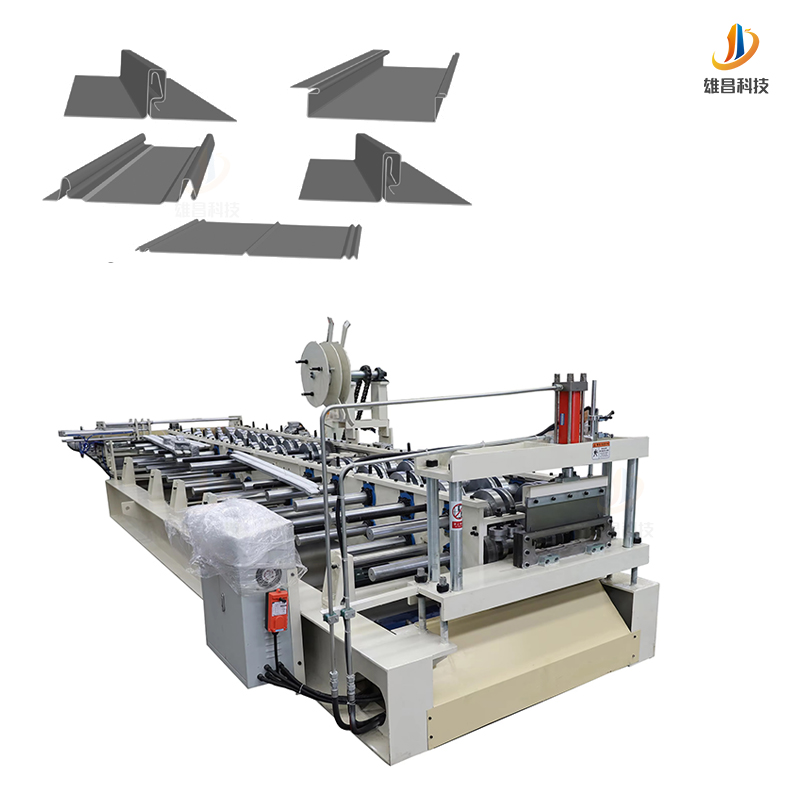
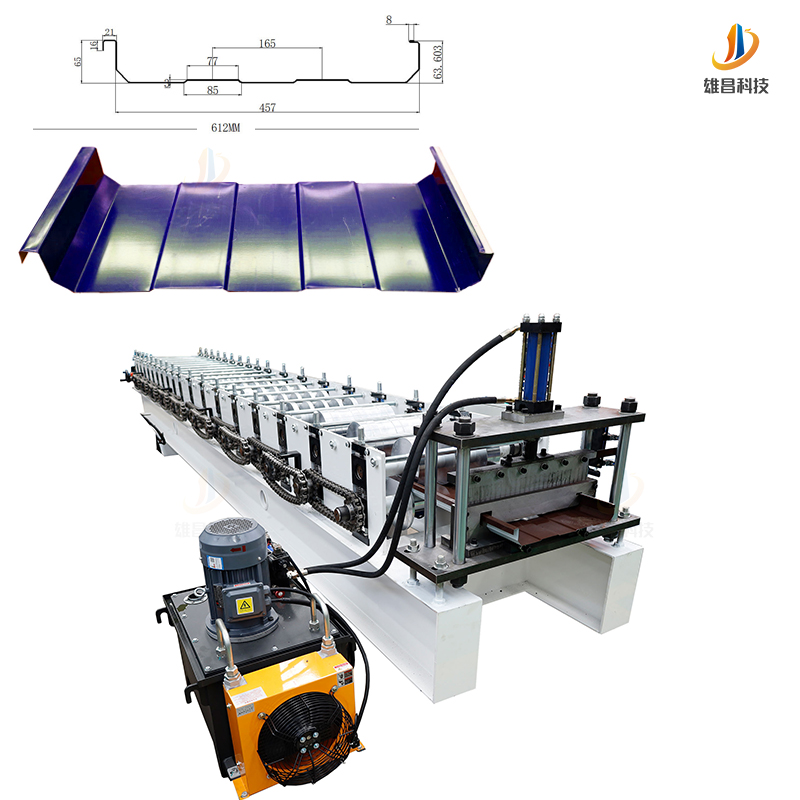
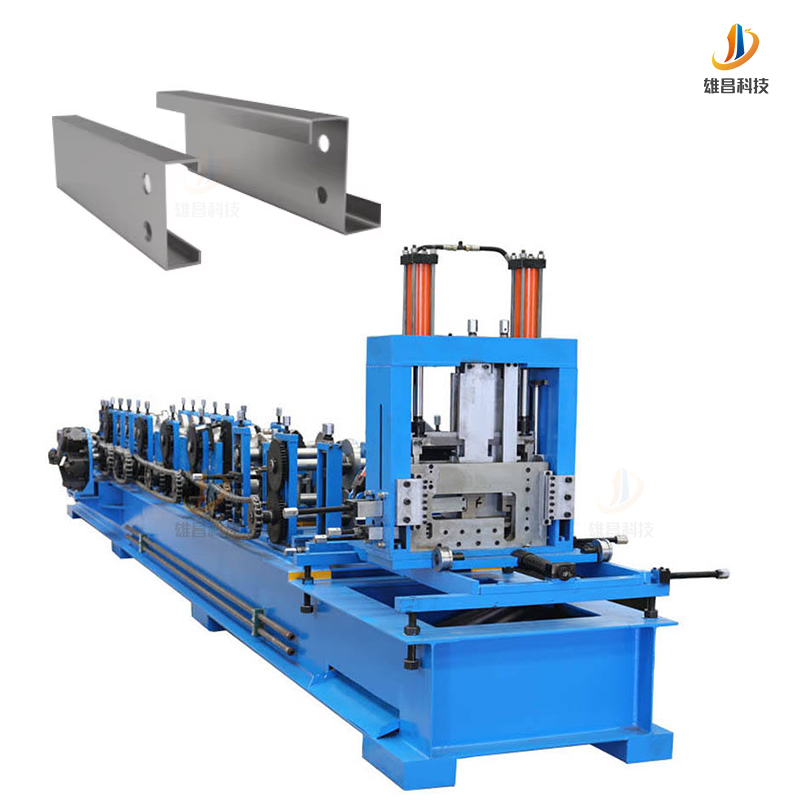
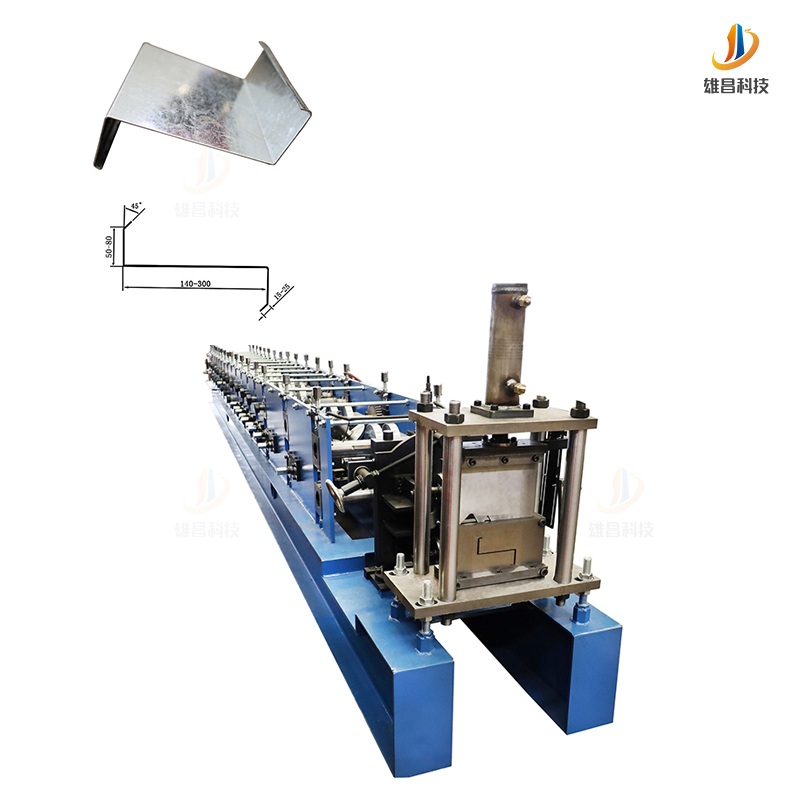
Original Machine Images Retained for Seattle Buyer Reference
These original images show the broader XC roll forming ecosystem: roofing, glazed tile, standing seam and purlin production lines.
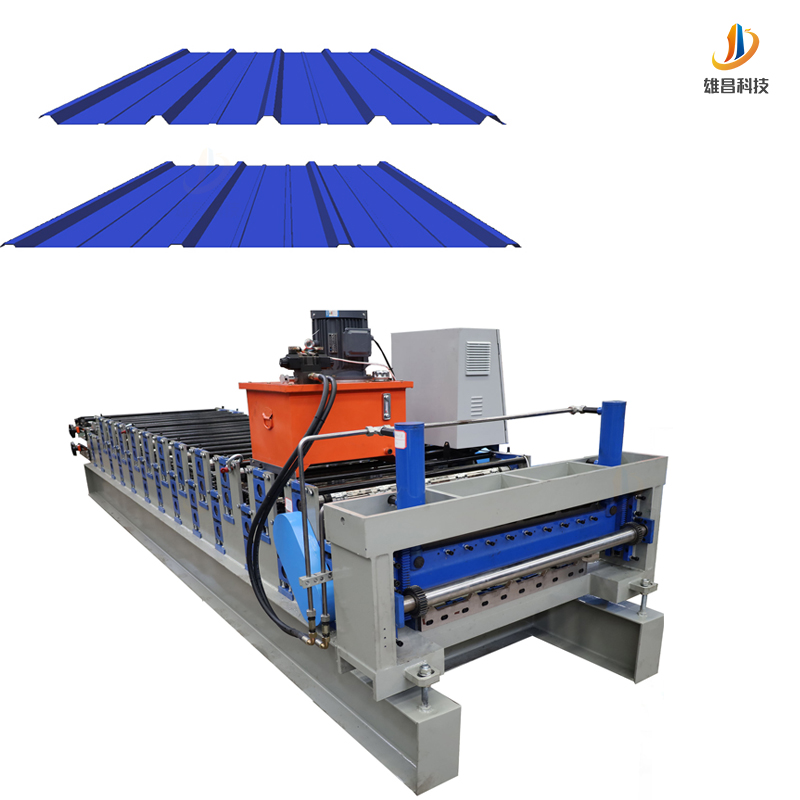
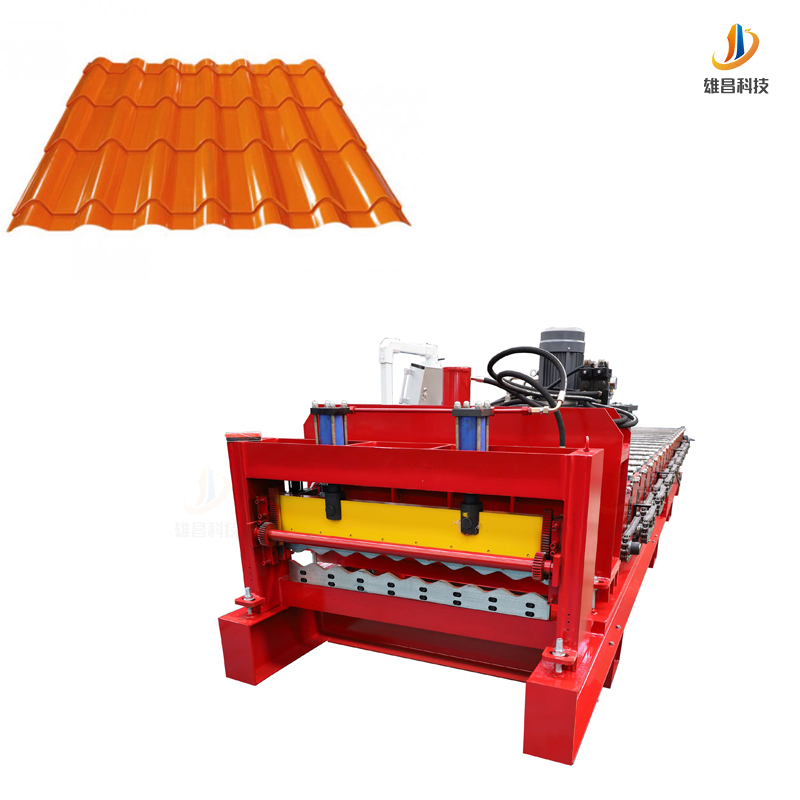
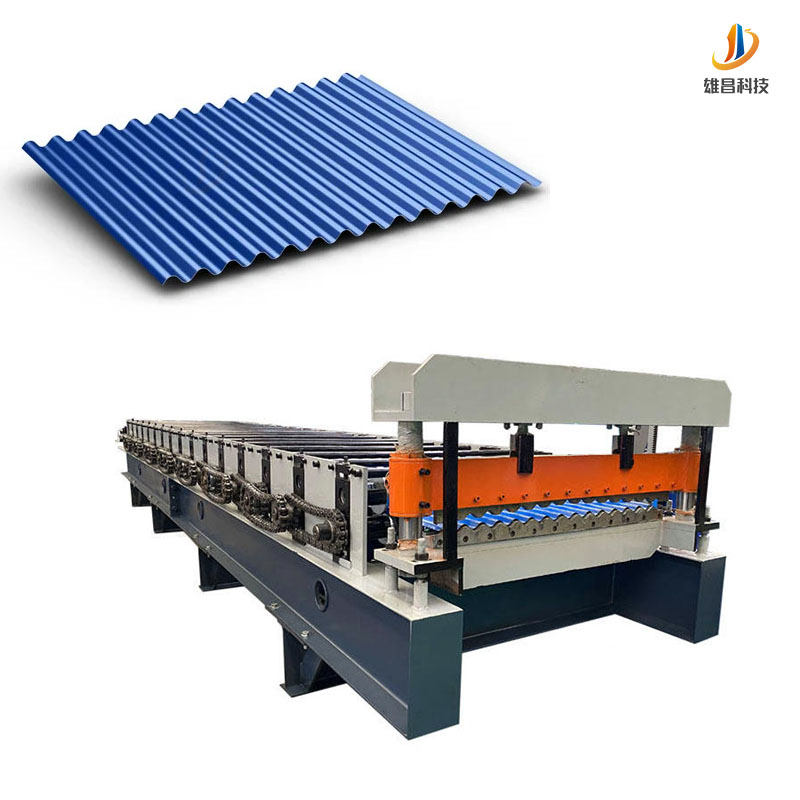
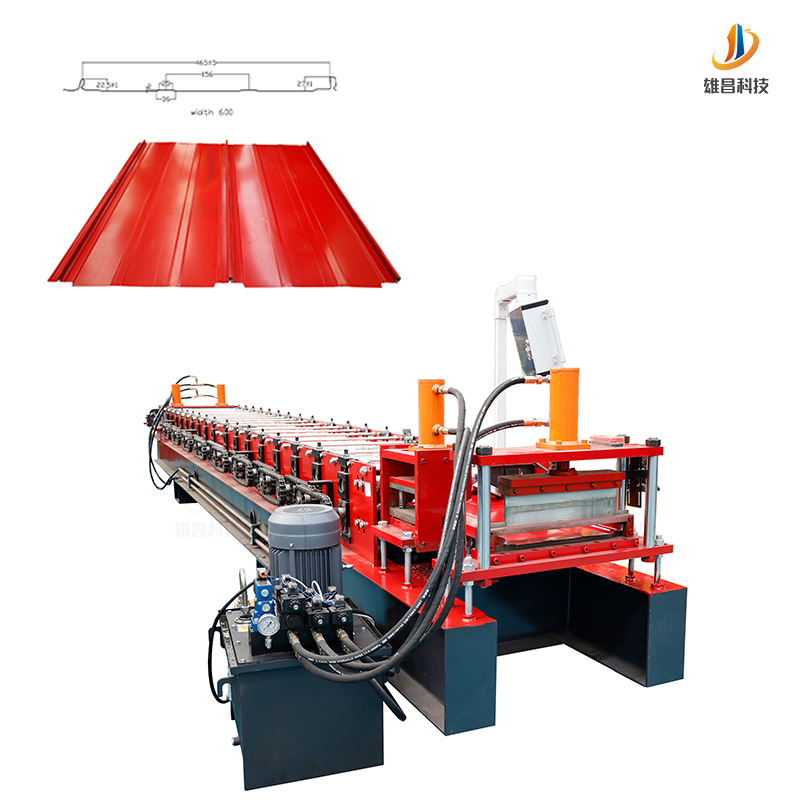
From a Single Corrugated Line to a Turnkey Seattle Fabrication Cell
XC’s role is not limited to supplying a machine. We help buyers define the material flow, control philosophy, quality checkpoints and service plan that make a production line commercially viable.
Factory Layout & Material Flow
Coil storage, decoiler position, line direction, output table, packing area and crane access are reviewed together to reduce bottlenecks.
Quality Assurance Protocol
Incoming coil checks, first-panel measurement, wave pitch inspection, cut-length verification and coating-surface review are built into the acceptance plan.
Automation & Control
PLC batch control, encoder-based cutting, remote monitoring options and operator-friendly HMI programming reduce waste and training time.
Global Service & Spare Parts
English manuals, electrical diagrams, remote video guidance, on-site commissioning and spare-parts planning for long-term operation.
Why XC XiongChang Is a Qualified Roll Forming Partner for Seattle Buyers
Sichuan Xiongchang Technology Co., Ltd. (XC) designs and manufactures cold roll forming equipment for roofing, flooring, structural and light-gauge steel applications. Our team combines more than 20 years of roll forming experience with in-house machining, assembly and testing. For Seattle buyers, that means a supplier who can discuss roll pass design, coating protection, 60 Hz power configuration, import packing and commissioning in practical engineering terms.
XC’s factory base covers approximately 50,000 m² for machining and assembly, supported by a large engineering and production team. More than 1,000 cooperative customers worldwide have used XC lines for roofing sheets, standing seam panels, purlins, floor deck and light-gauge steel framing. Every line is assembled and test-run with coil that matches the buyer’s specification, and sample panels can be measured against the approved drawing before shipment.
- Design from drawing, sample or photo, including regional profiles such as corrugated wave, IBR, Tuff-Rib, AG panel and standing seam systems.
- In-house machining and assembly with quality inspection at critical stages.
- Trial-run video, sample photos and inspection records before balance payment and packing.
- English manuals, electrical diagrams, remote guidance and on-site commissioning on request.




Compare Roll Forming Machines Before You Request a Seattle Quote
Quotes are only comparable when the specifications are. Use these indicative ranges and verification checks to judge any supplier’s offer, including ours.
| Machine Type | Typical Coil Thickness | Forming Stations | Typical Line Speed | What to Verify in a Seattle Quote |
|---|---|---|---|---|
| Trapezoidal / IBR Roofing | 0.3–0.8 mm | 16–22 | 15–30 m/min | Roller material and chrome thickness; shaft diameter; 480V/60Hz configuration |
| Corrugated Roofing | 0.3–0.6 mm | 18–24 | 15–30 m/min | Wave pitch accuracy, edge waviness on thin coil and coating-safe roll pass design |
| Glazed Step Tile | 0.3–0.7 mm | 12–18 | 3–6 m/min | Press-station cycle, step-depth consistency and surface protection |
| Standing Seam | 0.4–0.8 mm | 12–20 | 10–20 m/min | Seam-system compatibility, panel-width adjustment and field-lock performance |
| C/Z Purlin | 1.5–3.0 mm | 14–20 | 10–20 m/min | Size-change method, punching dies, hole pitch and cut-length repeatability |
| Floor Deck | 0.7–1.5 mm | 20–30 | 10–15 m/min | Embossing pattern, frame rigidity and deck-depth consistency over long runs |
Ranges reflect typical XC configurations for reference only. Final parameters are engineered to your profile drawing, material yield strength, output target, local electrical supply and Seattle delivery schedule.
From Seattle Profile Drawing to First Panel
A transparent five-step process so overseas buyers know exactly what happens and when.
Profile & Coil Review
Send your drawing, sample or photo plus coil data. Engineers check that the profile can be formed and flag any risks.
Roll Pass Design & Proposal
You receive the station count, roller material, drive and cutting system, power configuration and a confirmed schedule.
Manufacturing & QC
Frames, shafts and rollers are machined and assembled in-house, with inspection at each critical stage.
Trial Run & Acceptance
The line runs with coil matching your specification. Samples are measured, and a video report is shared for approval.
Shipping & Commissioning
Export packing, documentation, then remote or on-site installation and operator training for Seattle-area teams.
Seattle Project Checklist for Corrugated Roof Tile Production
Before a corrugated wave roof tile roll forming machine is installed in Washington State, confirm the building-code path, wind-uplift assumptions, seismic detailing, roof drainage, coating specification and installation tolerances. The machine itself must be matched to the coil source, electrical supply, lifting equipment, foundation and available floor space.
For imported equipment, plan the shipping terms, port of entry, customs documentation, inland trucking, crating protection and commissioning schedule early. Confirm whether motors and controls will run on 208V, 240V, 480V or another local supply at 60 Hz. Ask for English manuals, electrical schematics, lubrication charts, spare-parts recommendations and a preventive-maintenance plan. These details protect the project from installation delays and unplanned downtime.
- Roof performance: verify panel profile, fastener spacing, seam or lap details, wind-uplift design and drainage strategy with the project engineer.
- Coating durability: confirm PPGI, Galvalume or other coated coil compatibility with the roll pass design and expected bend radius.
- Logistics: plan container loading, port drayage from Seattle or Tacoma, crane capacity and factory floor access.
- Support: define remote commissioning, on-site engineer service, training and spare-parts responsibilities in the contract.
Field Knowledge from XC Engineers
These original engineering topics help Seattle buyers understand the hidden variables that determine finished-panel quality and long-term line performance.

Roll Forming Advantages and Applications
Why continuous roll forming beats press braking for long, consistent profiles, and which industries gain the most from it.

Bearing Damage in Multi-Stand Roll Forming Stations: The Hidden Cause of Roll Runout
Six root causes of bearing failure, the diagnostic checks to run first, and how they show up as strip tracking loss and coating defects.

Zinc & Color Coating Cracking at Bending Zones: Root Causes and Fixes
From bend radius to roll pass design, this article explains what makes coatings crack at the bend line and how coating-safe forming prevents it.
Questions Seattle Buyers Ask Most
Straight answers based on the projects we deliver every year. Need a detail not covered here? Our engineers reply directly.
Send Inquiry NowWhat information do I need to send for an accurate roll forming machine proposal?
Can XC build a roll forming machine for a local or non-standard profile?
How is machine quality verified before shipment?
What is the typical lead time for a corrugated wave roll forming machine?
What after-sales support does XC provide to overseas buyers?
Can machines be configured for my local power supply?
How do I calculate the production capacity of a corrugated roof tile roll forming line?
What should a Seattle buyer compare beyond machine price?
Light-Gauge, Floor Deck, PBR, Z Purlin, C Stud, U Panel, Glazed Tile and C/Z Machines
The remaining eight original products are displayed in a balanced two-row grid on desktop. Every original image, product title reference and product URL has been preserved.

Super Series Light Gauge Steel Stud & Track Roll Former for Seattle Modular Builders
Original series: ODM Super Series Light Gauge Steel Roll Forming Machine (Stud & Track Roll Former) Manufacturers, Company
View Seattle Specification
Custom Floor Deck Roll Forming Machine for Seattle Commercial Floors
Original series: Custom Floor Deck roll forming machine Manufacturer, Factory
View Seattle Specification
PBR Panel Metal Roofing Forming Machine for Seattle Industrial Roofs
Original series: China PBR Panel Metal Roofing forming machine Manufacturers, Company
View Seattle Specification
Z Purlin Cold Roll Forming Machine for Seattle Long-Span Steel Structures
Original series: China Z Purlin Cold Roll Forming Machine Factory, Factories
View Seattle Specification
Metal C Stud Roll Forming Machine for Seattle Interior Framing
Original series: China Metal C Stud Roll Forming Machine Manufacturer, Companies
View Seattle Specification
U Panel Roofing Roll Former for Seattle Weather-Resistant Walls
Original series: ODM U panel roofing roll former Factories, Company
View Seattle Specification
Glazed Tile Roll Forming Machine for Seattle Architectural Roofscapes
Original series: China Glazed Tile Roll Forming Machine Factory, Company
View Seattle Specification
C/Z Interchangeable Purlin Machine for Seattle Steel Fabricators
Original series: Custom C Z Interchangeable Purlin Machine Factories, Companies
View Seattle SpecificationPlanning a Corrugated Wave Roof Tile Line for Seattle?
Send your profile drawing, coil data, voltage and target output. Our engineers will review the roll pass design, station count, cutting system and delivery plan, then send a clear proposal for your Seattle or Pacific Northwest project.
Sichuan Xiongchang Technology Co., Ltd. · Cold roll forming systems for roofing, purlin, floor deck and light gauge steel profiles · Global supply with engineering support for Seattle and the Pacific Northwest.