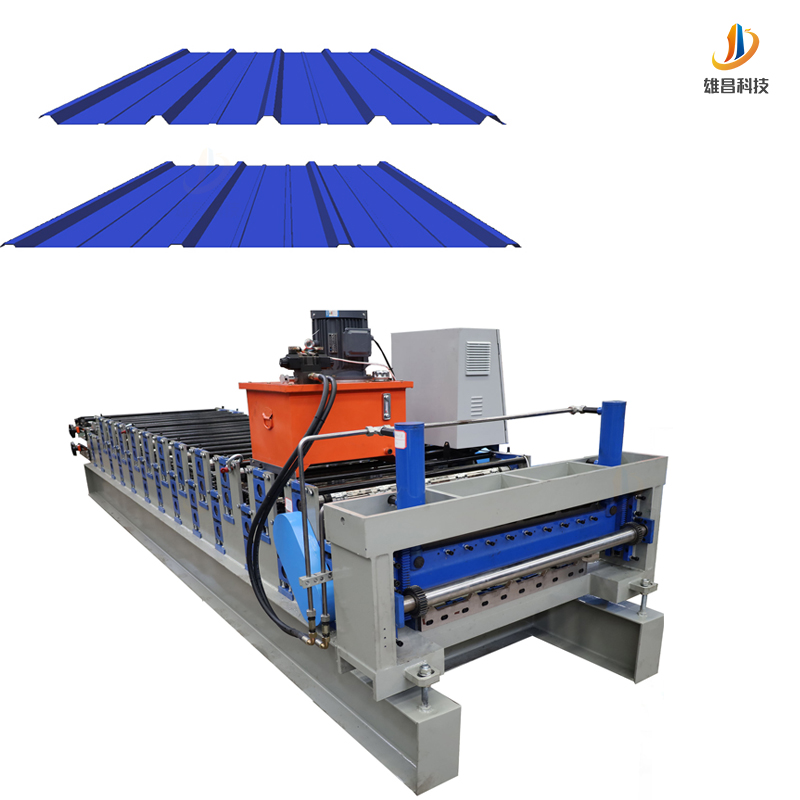
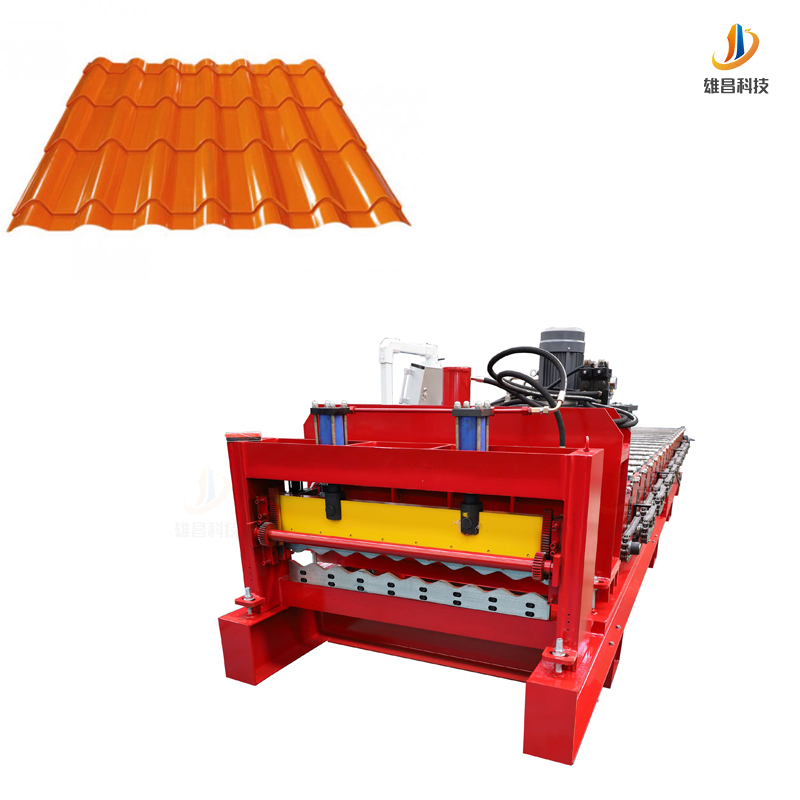
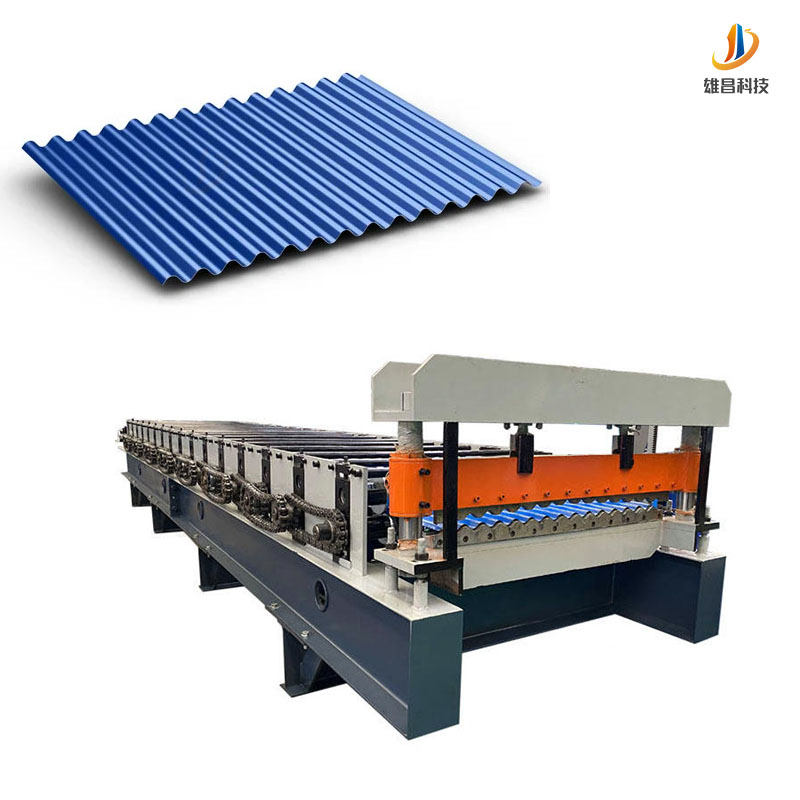
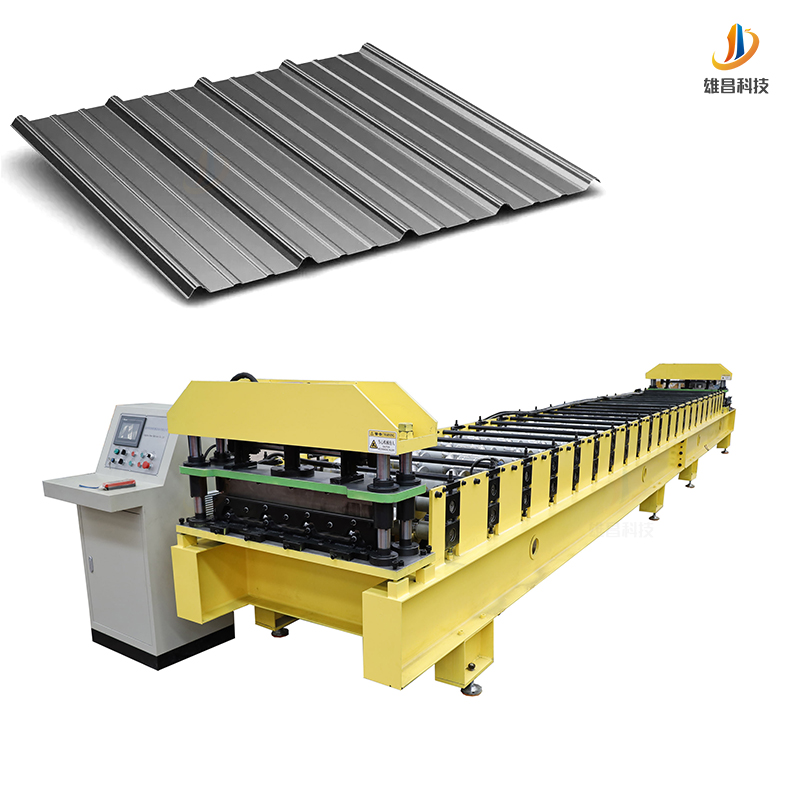
A construction and logistics engine with year-round roofing demand
Jakarta and its surrounding industrial corridors — Cikarang, Karawang, Bekasi, Tangerang, and Bogor — host thousands of factories, warehouses, data centres, and residential developments. Every new logistics hub, cold-storage facility, and manufacturing plant requires metal roofing, wall cladding, and steel structure components. That demand flows directly to local roof sheet producers, building-material distributors, and contractors who need reliable roll forming equipment.
The climate raises the technical bar. Jakarta receives heavy tropical rainfall, high humidity, and intense UV exposure. Coastal areas add salt-laden air. A roofing profile must drain quickly, lock tightly, and survive years of thermal cycling. Corrugated wave profiles remain one of the most economical and widely understood roofing solutions in Indonesia, especially for warehouses, factories, agricultural buildings, and affordable housing. But the forming process must protect the zinc and paint coating, because micro-cracks at the bend line become corrosion starting points.
Local production changes the business case
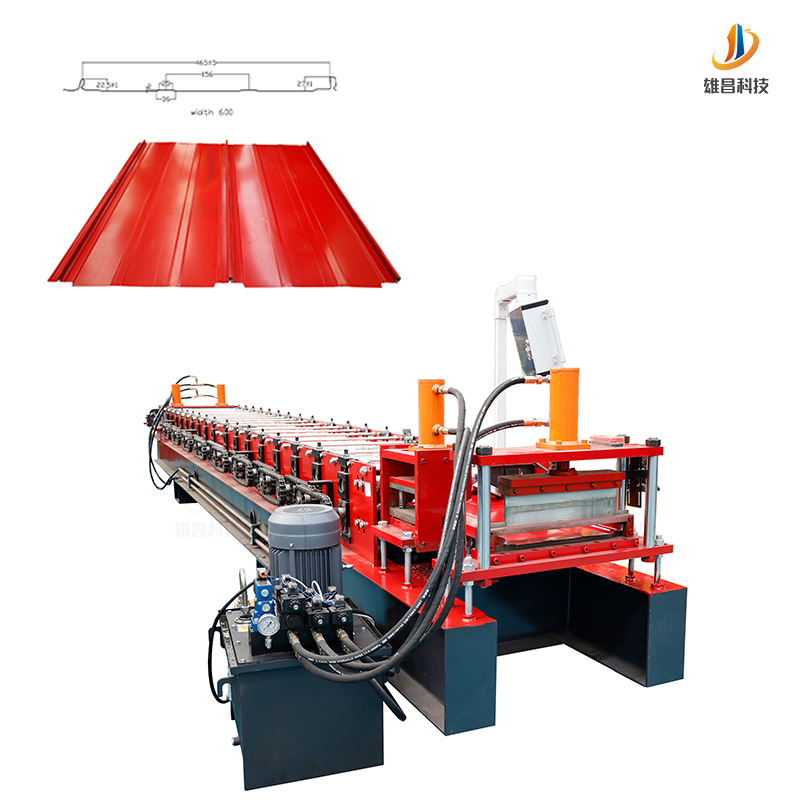
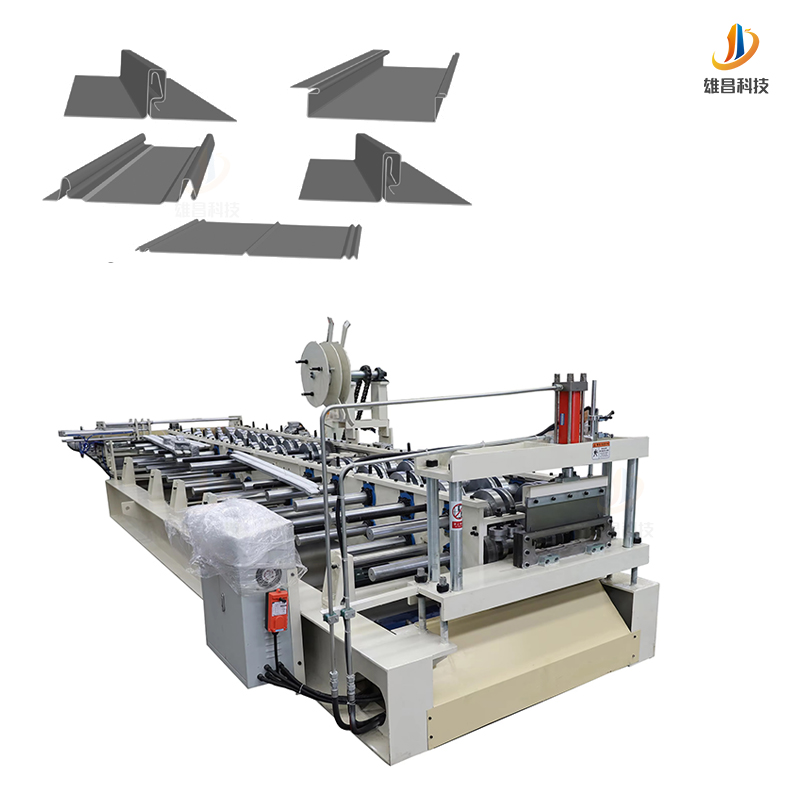
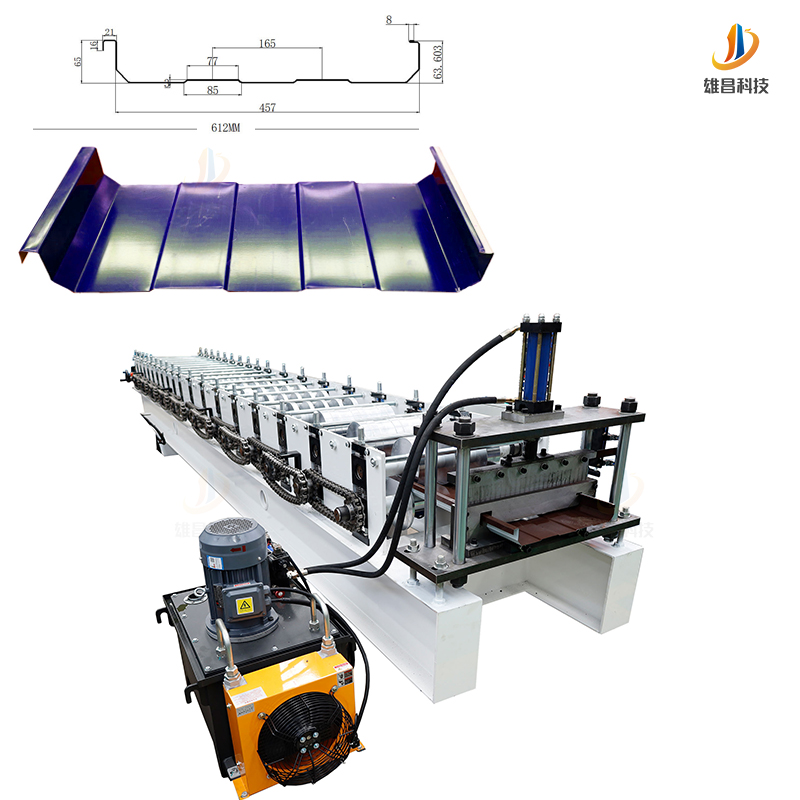
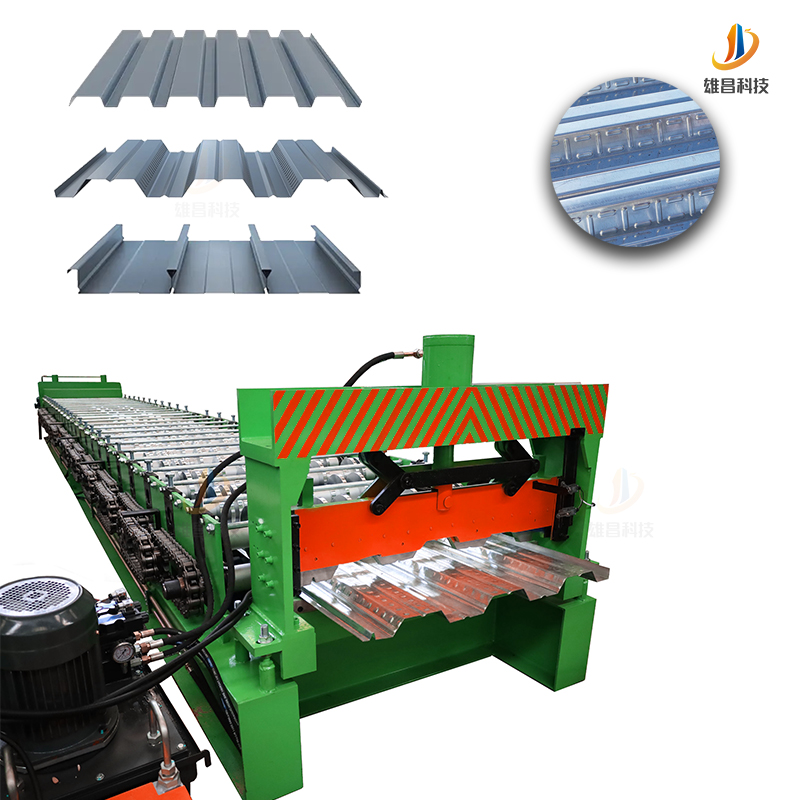
Importing finished roof sheets from China or other ASEAN countries works for large volumes, but it carries freight cost, port dwell time, inventory risk, and limited profile flexibility. A locally installed roll forming line allows Jakarta manufacturers to produce on demand, reduce working capital, offer shorter lead times, and customize panel lengths for each project. For distributors, a compact corrugated wave roof tile roll forming machine can complement existing shearing and bending operations and open a new revenue stream in replacement roofing and renovation projects.
Regulatory and procurement factors also matter. Indonesian buyers increasingly ask for SNI-compliant steel substrates, clear material certifications, 380V/50Hz electrical configuration, and documentation for customs clearance at Tanjung Priok. Local content (TKDN) considerations can influence public projects, while private developers focus on total installed cost, output per shift, and after-sales response. A supplier who understands these Jakarta-specific requirements can reduce commissioning risk and help the buyer reach production faster.
What this means for machine selection
For a Jakarta buyer, the right machine is not simply the lowest-price option. It should be matched to the coil width available from local steel service centres, the coating type (PPGI, GI, Galvalume), the required wave pitch, and the output needed per shift. The control system should be simple for local operators, with English and Bahasa Indonesia documentation. Spare parts such as cutting blades, bearings, and hydraulic seals should be easy to source. And the supplier should be able to support remote commissioning and, when needed, on-site installation in Indonesia.