Buyer FAQ
Questions Overseas Buyers Ask Us Most
Straight answers based on the projects we deliver every year. Need a detail not covered here? Our engineers reply directly.
What information do I need to send for an accurate roll forming machine proposal?
Send your profile drawing or a photo of a sample panel, material type (PPGI, GI, Galvalume or black steel), thickness range, yield strength, coil width, required output per shift, and your local voltage and frequency. With these details our engineers can define the number of forming stations, roller material, cutting system and motor power.
Can XC build a roll forming machine for a local or non-standard profile?
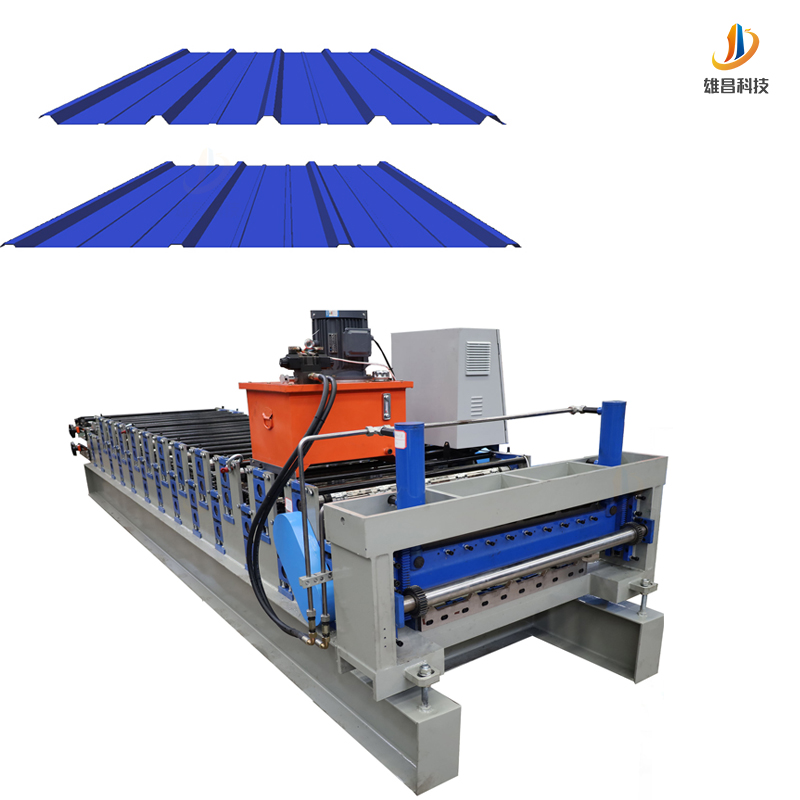
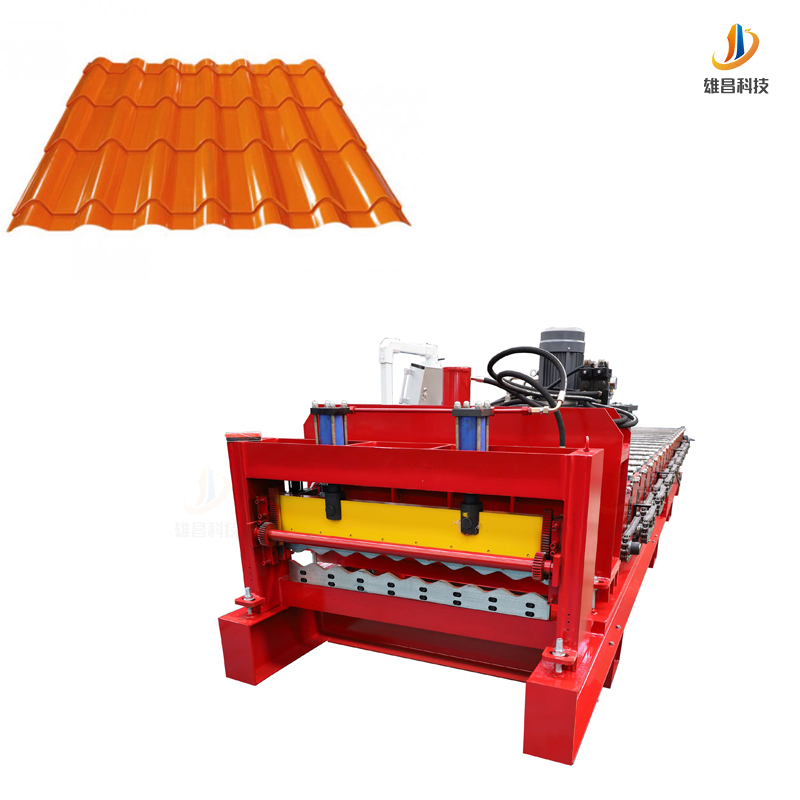
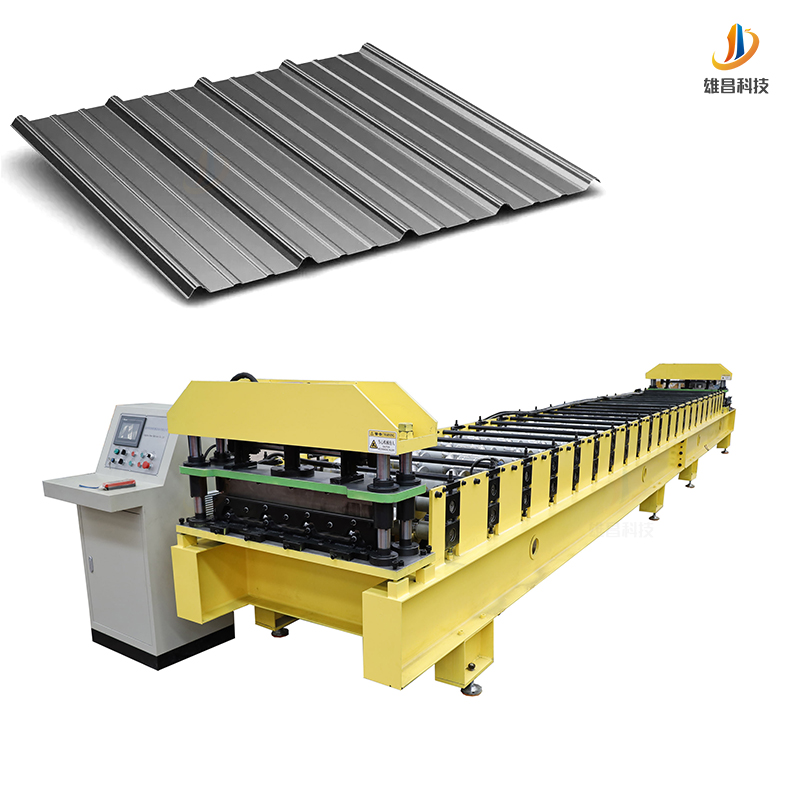
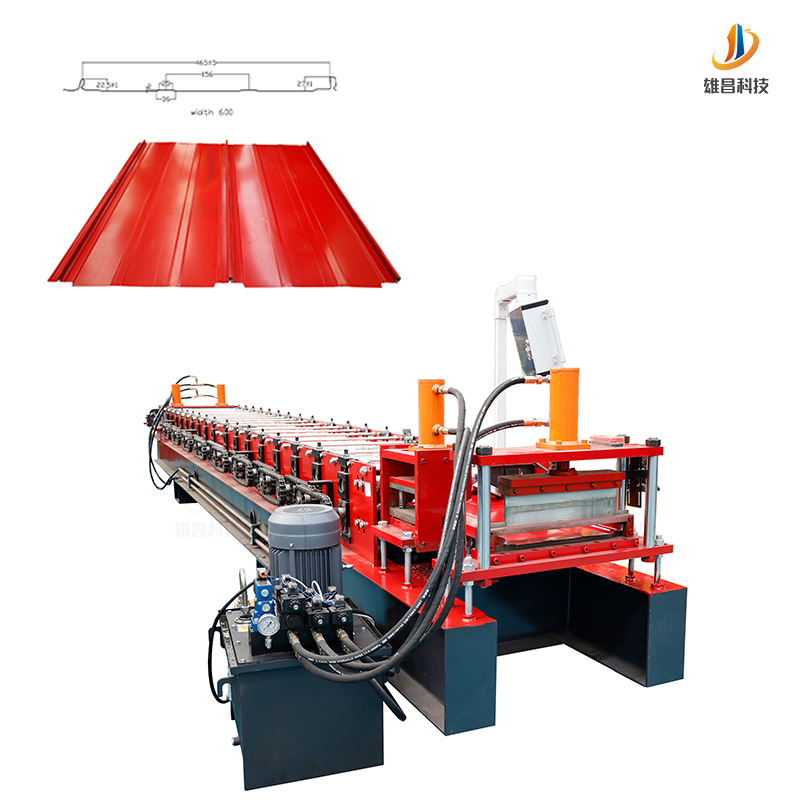
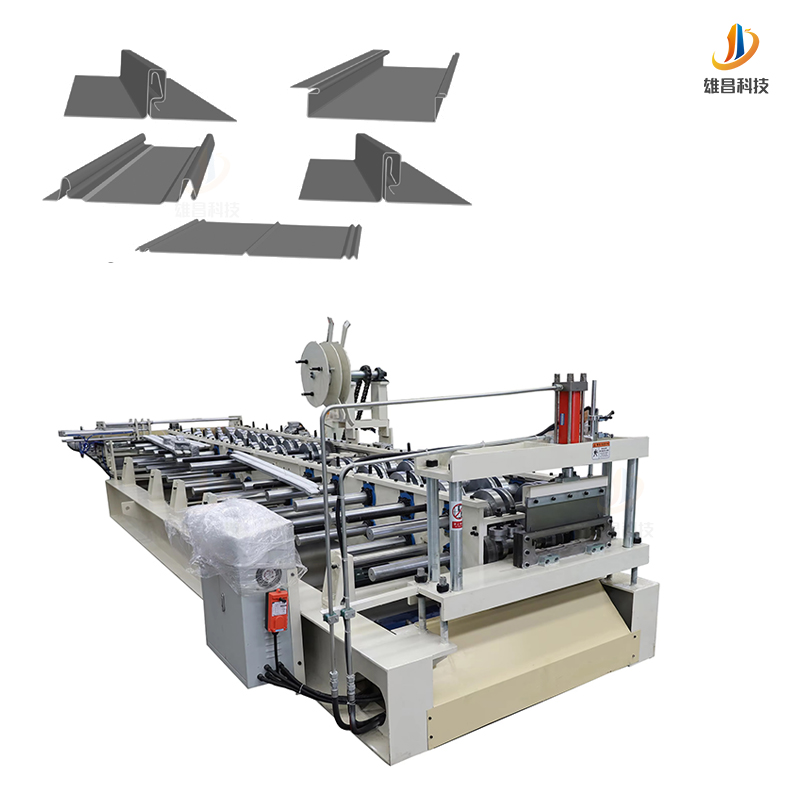
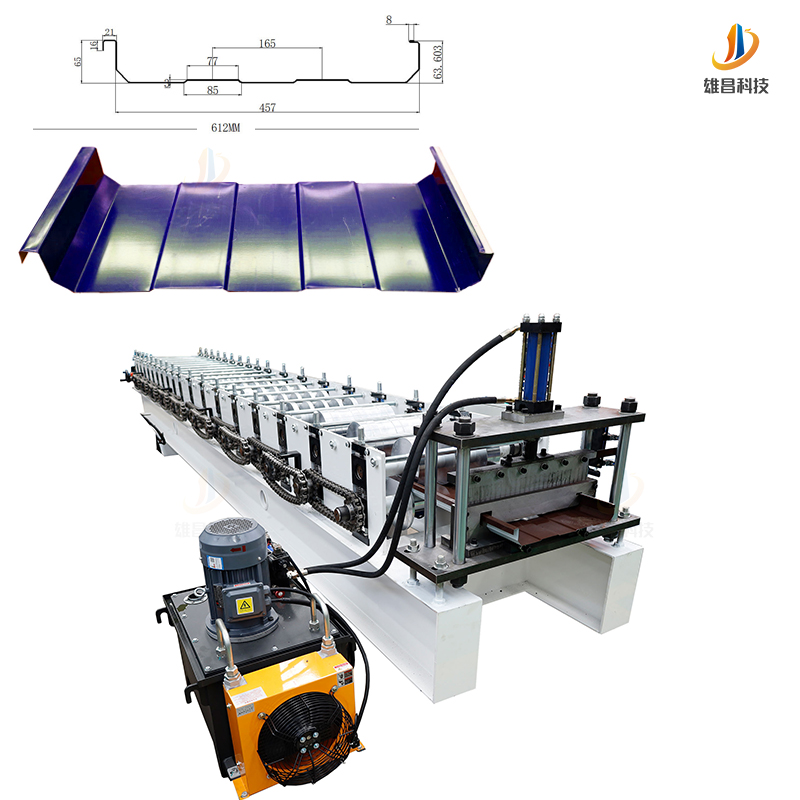
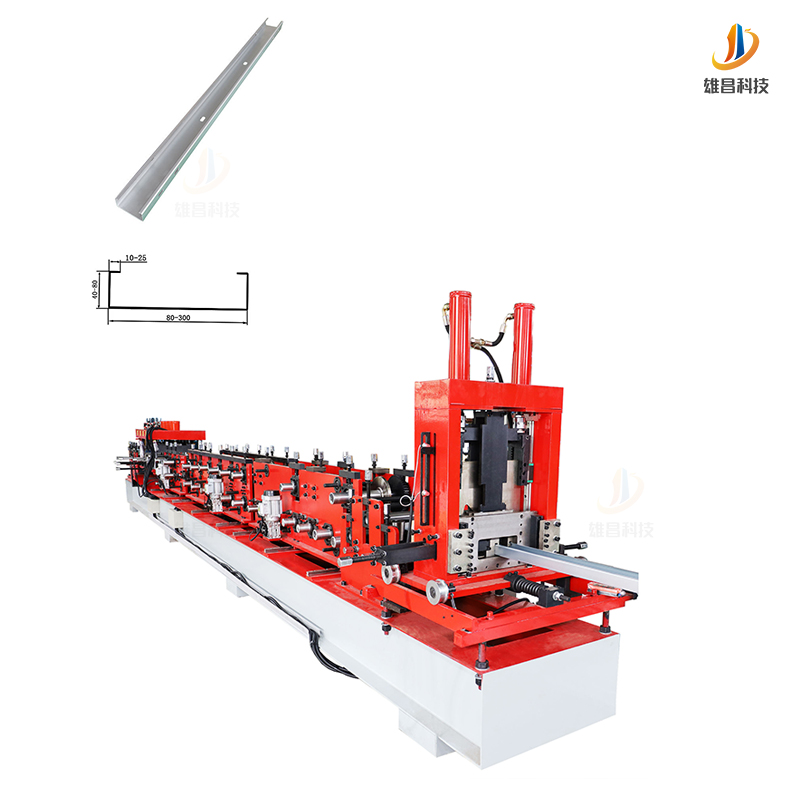
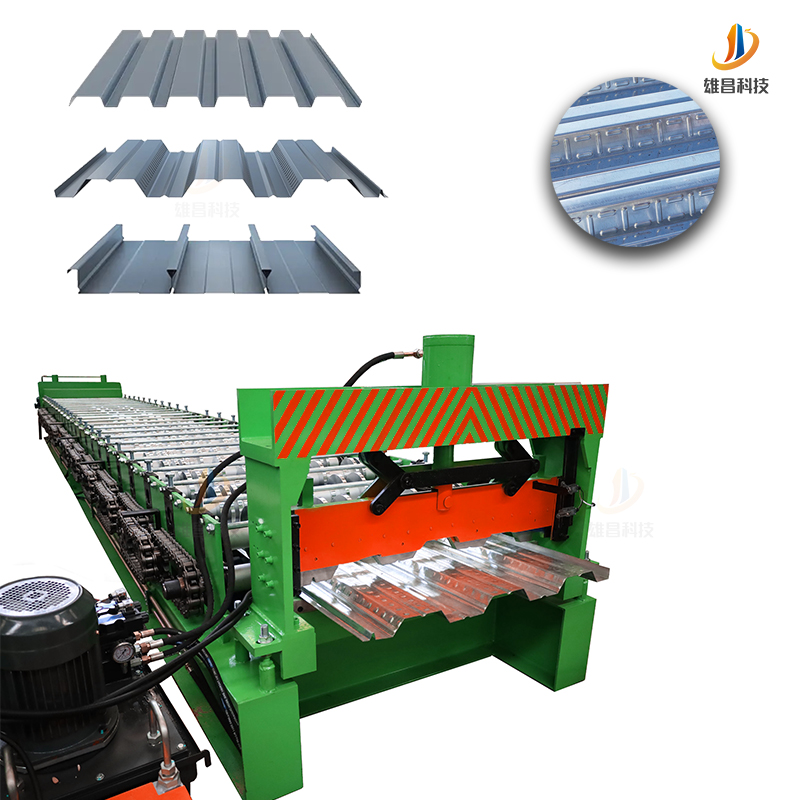
Yes. Most XC machines are built to order. Our engineers develop the roll pass design (flower pattern) from your drawing or sample, so regional profiles such as IBR, Tuff-Rib, Klip-Lok style or Spanish-style tiles can be matched closely.
How is machine quality verified before shipment?
Every line is assembled and test-run in our factory with coil that matches your specification. Sample panels are measured against your drawing, and a trial-run video plus inspection photos are shared for your approval before packing.
What is the typical lead time for a roll forming machine?
Standard roofing sheet lines are commonly ready within 30 to 45 working days after drawing confirmation. Purlin, floor deck, double layer and fully customized lines may take longer. The confirmed schedule is stated in each proposal.
What after-sales support does XC provide to overseas buyers?
XC provides English manuals and electrical diagrams, remote video guidance for installation and commissioning, on-site engineer service on request, and spare parts supply such as blades, bearings and electrical components.
Can machines be configured for my local power supply?
Yes. Motors, hydraulic stations and control cabinets are configured to your site voltage and frequency, for example 220V, 380V, 415V or 440V at 50Hz or 60Hz, with HMI language options for operators.
What power supply is standard in Bangladesh?
Most industrial sites use 380–415V, 50Hz, three-phase. XC configures motors, hydraulic power units and control cabinets for this supply and can add generator-friendly options, surge protection and voltage stabilisation advice. Single-phase 220V control circuits are isolated for safety.
How do you protect machines from humidity and coastal corrosion?
Rollers are hard-chrome plated, frames are primed and painted, bearings are sealed, and electrical cabinets include moisture protection. For Chattogram and coastal zones, we can specify higher corrosion protection, stainless fasteners and additional greasing points.
Can you support installation in Dhaka or Chattogram?
Yes. We provide remote video commissioning, English manuals and electrical diagrams. On-site engineer service is available on request, and we can coordinate with local industrial service partners for installation and operator training.
What spare parts should a Bangladesh factory keep on hand?
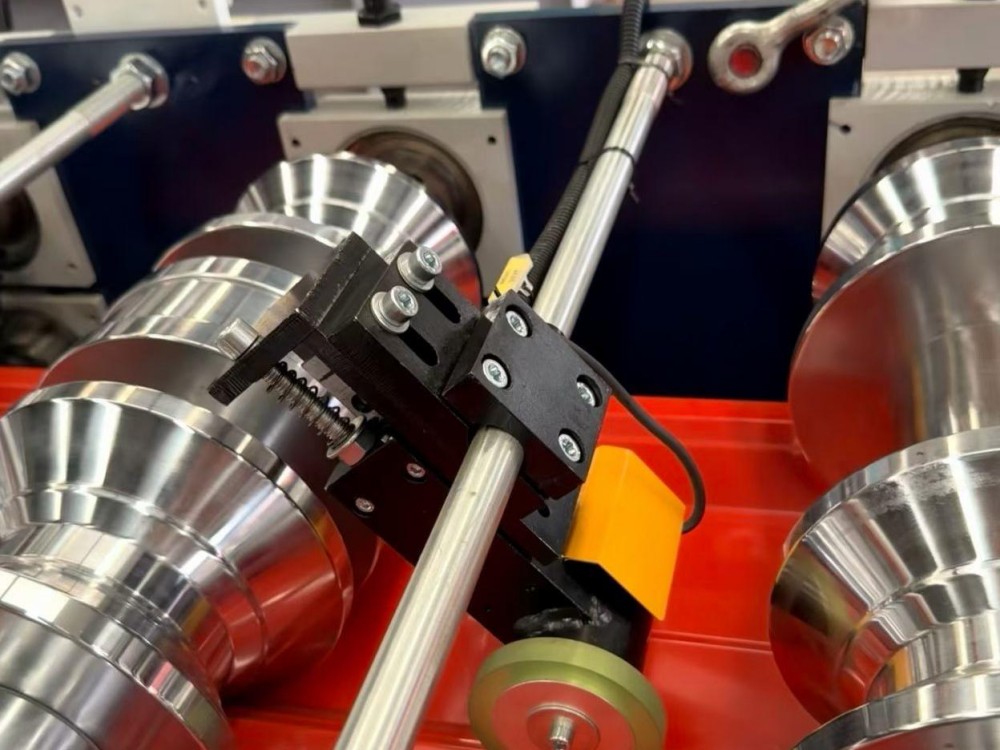
Cutting blades, bearings, encoder, proximity sensors, hydraulic seals, contactors and fuses. XC supplies a recommended spare-parts list with each line and can ship consumables with the machine to reduce future downtime.
How does BNBC affect LGS machine specification?
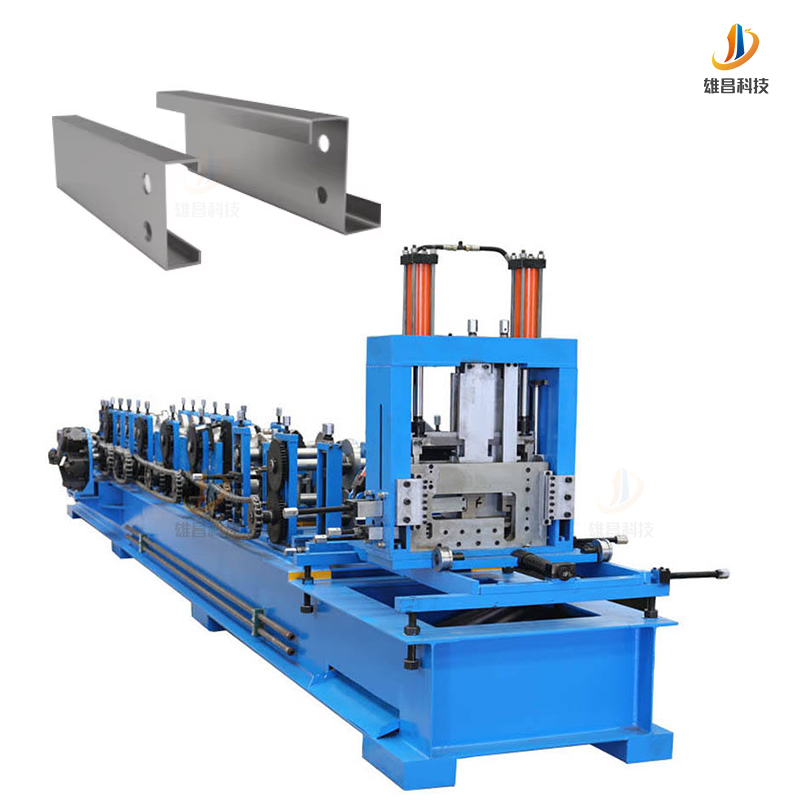
BNBC 2020 and related building codes influence profile geometry, steel grade, connection design and fire-rated assemblies. We ask for the structural drawings and target assembly so the roll pass and punching pattern align with the engineer’s design.
Can the machine produce both stud and track?
Yes. You can choose separate stud and track lines or an ODM Super Series combined platform. Combined lines save floor space; separate lines can offer higher output and simpler changeover for high-volume factories.