Since 2010 · Sichuan, China · Korea-focused LGS engineering
China Light Gauge Steel Roll Forming Machine Manufacturer & Companies for Korea
Custom cold roll forming lines for light gauge steel stud, track, C/U framing, roofing, standing seam, purlin and floor deck profiles. Engineered from your drawing, configured for Korea’s 220/380 V 60 Hz plants, test-run before shipment, and supported with export documentation, remote commissioning and long-term spare-parts service.
First Four Products to Review for a Korean Light Gauge Steel Project
These four original XC machine links are a practical starting point for Korean importers, framing contractors, modular builders, roofing distributors and steel service centers. Each line can be configured for Korean voltage, metric drawings, coil standards, Korean-language HMI options and the profile tolerances your local installers expect.
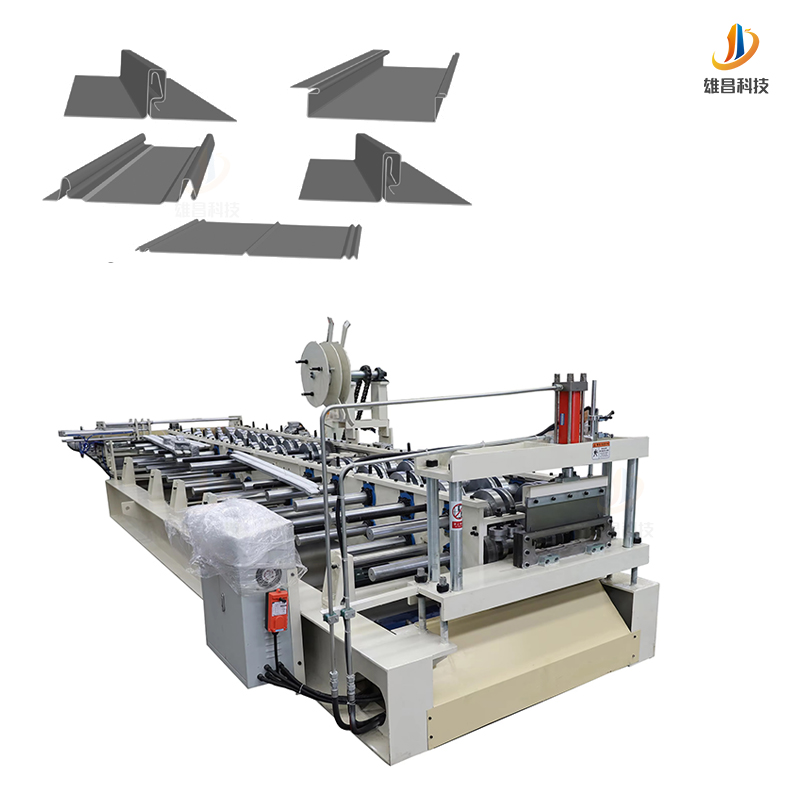
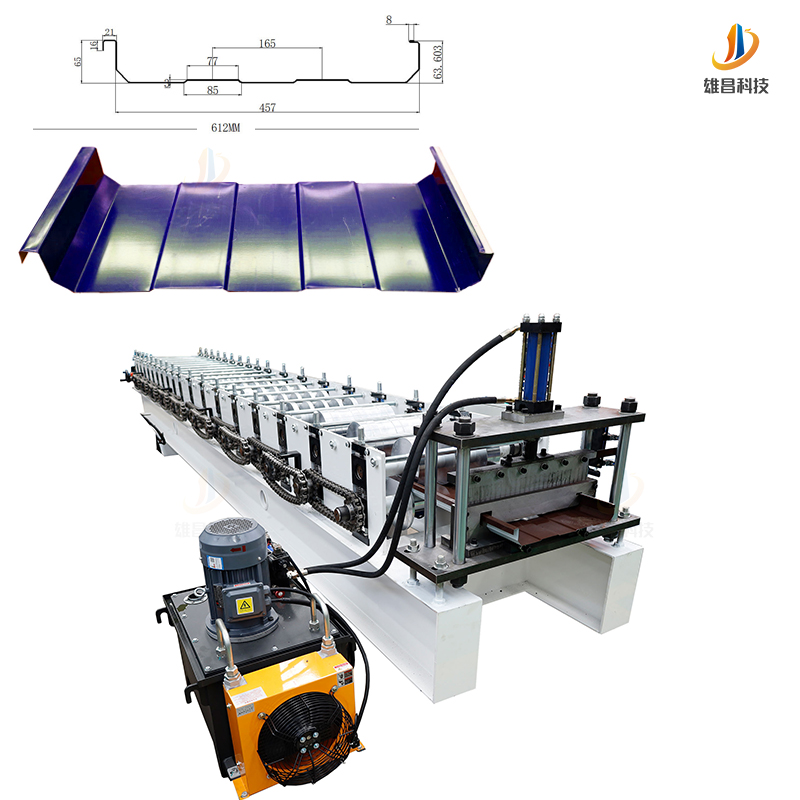
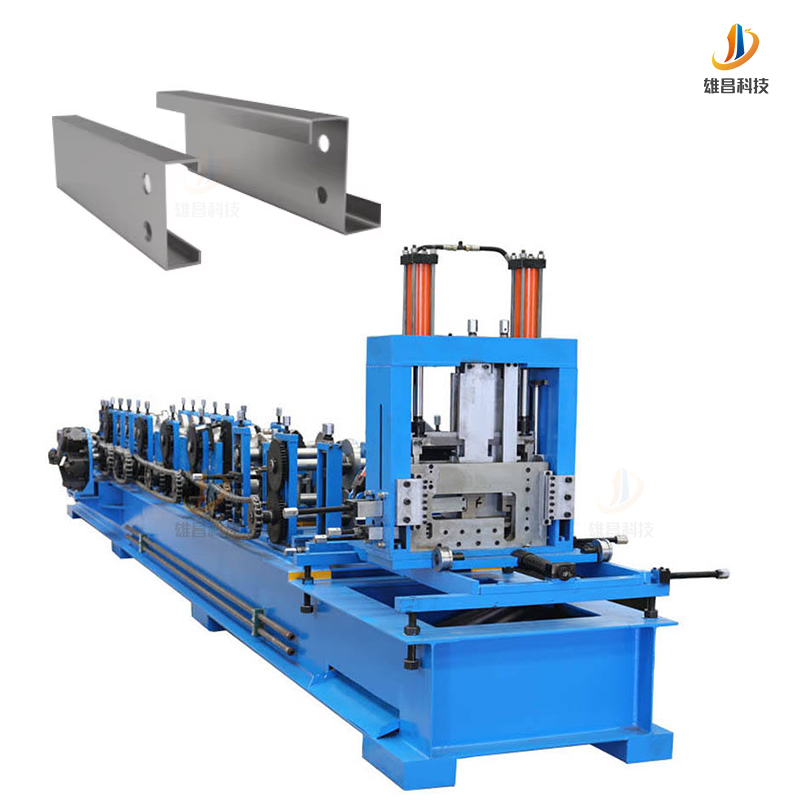
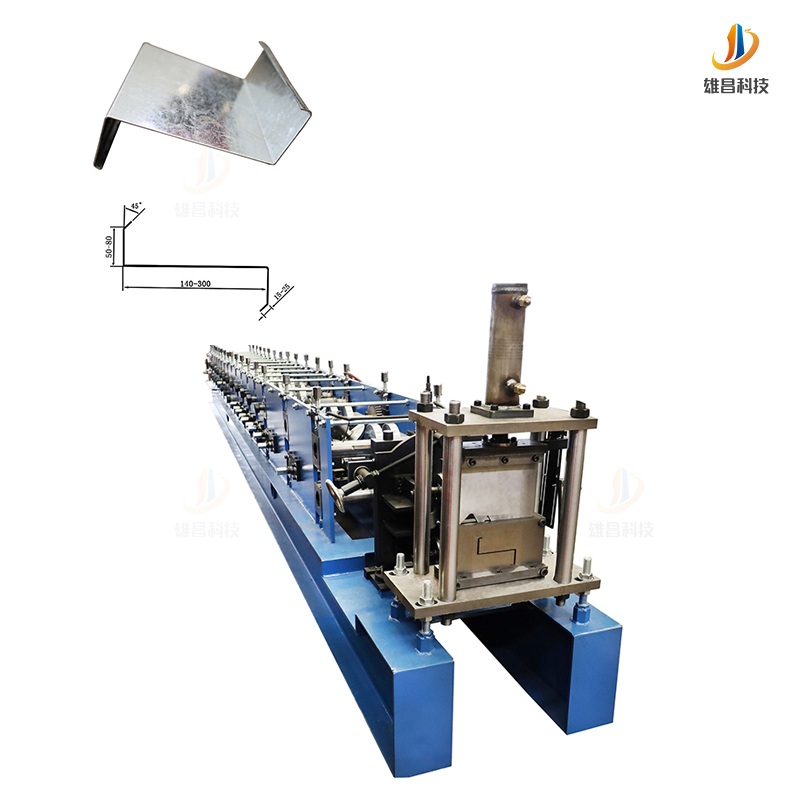
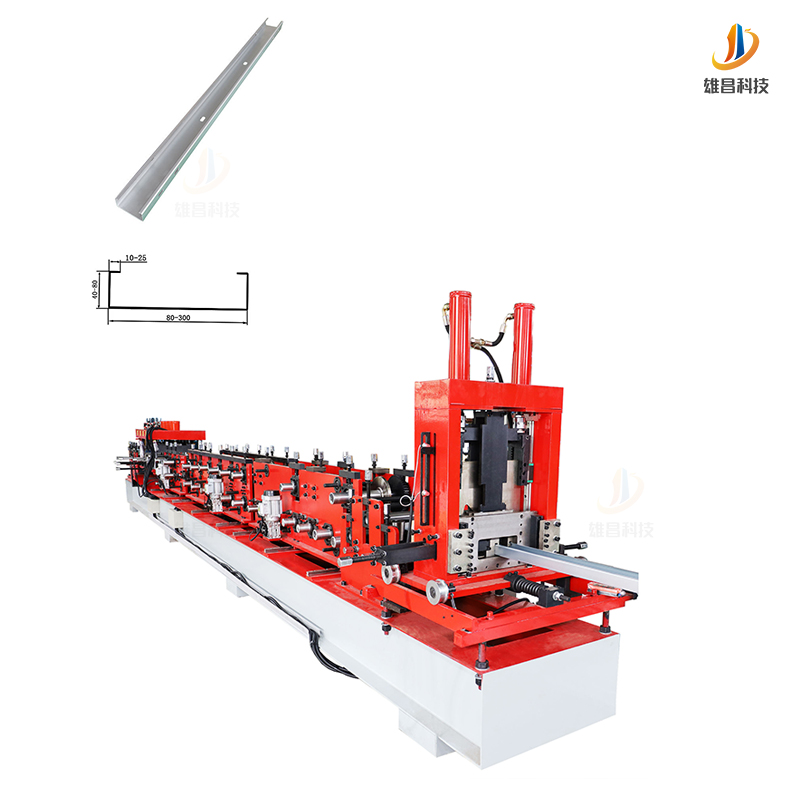
For C stud production used in drywall partitions, external wall framing, ceiling systems and modular interiors. Configured for galvanized coil, accurate web depth, service holes and repeatable cut lengths.
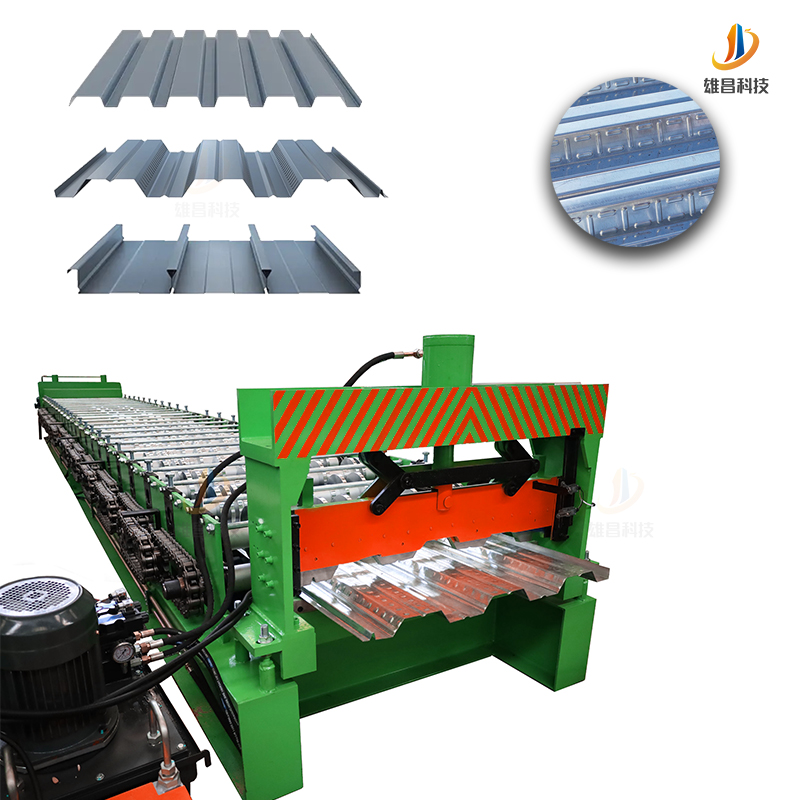
U track lines for light gauge steel framing systems. Ideal for pairing with C stud output so Korean fabricators can produce complete stud-and-track sets from one supplier.
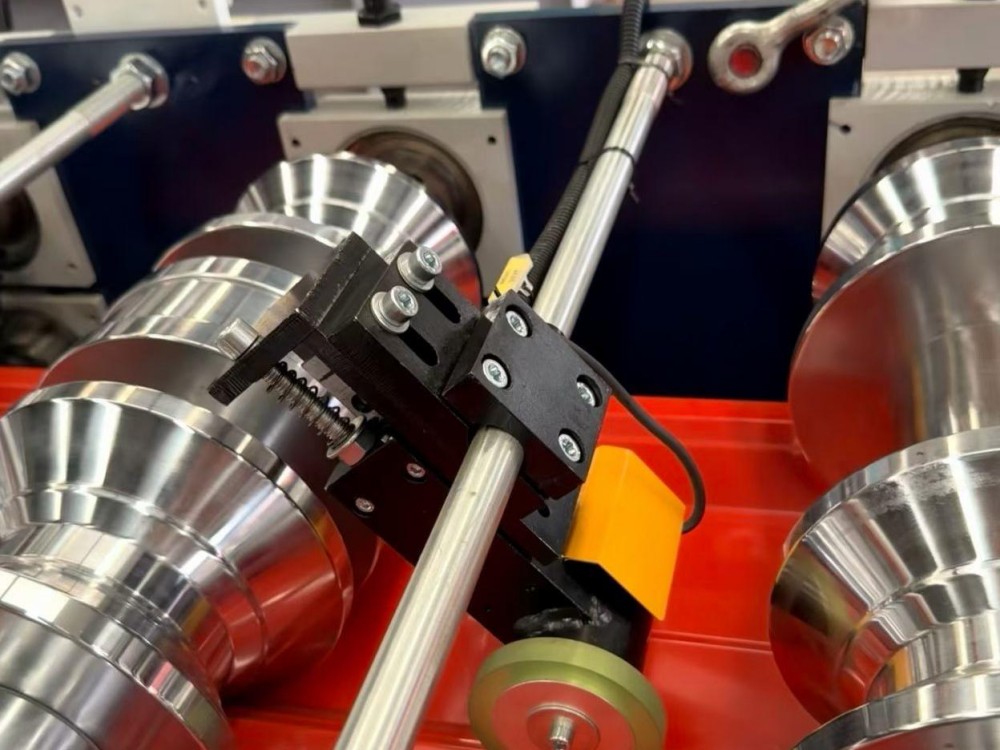
A higher-output stud and track roll former for prefabrication factories, modular housing lines and distributors serving multiple Korean construction projects.
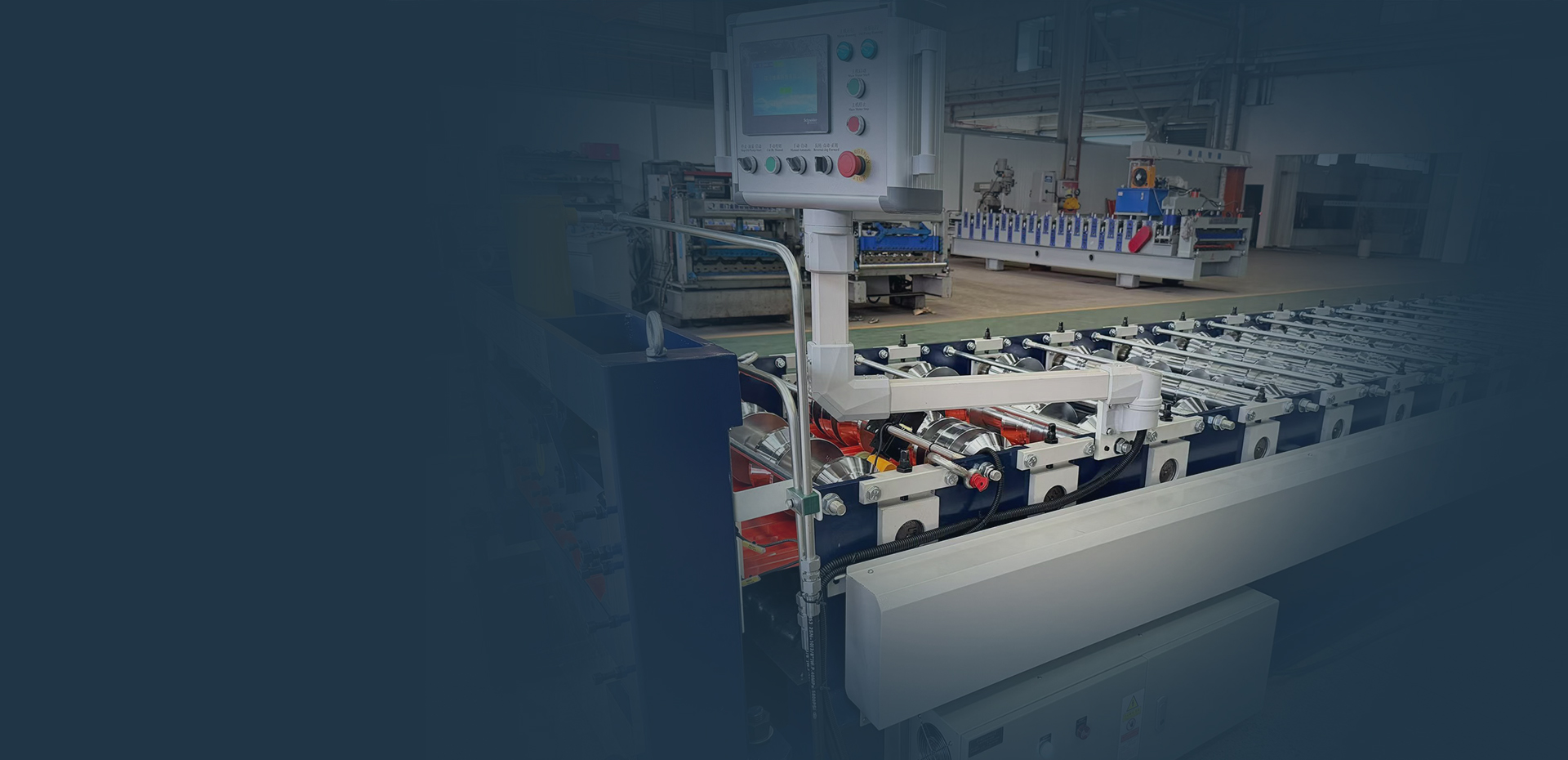
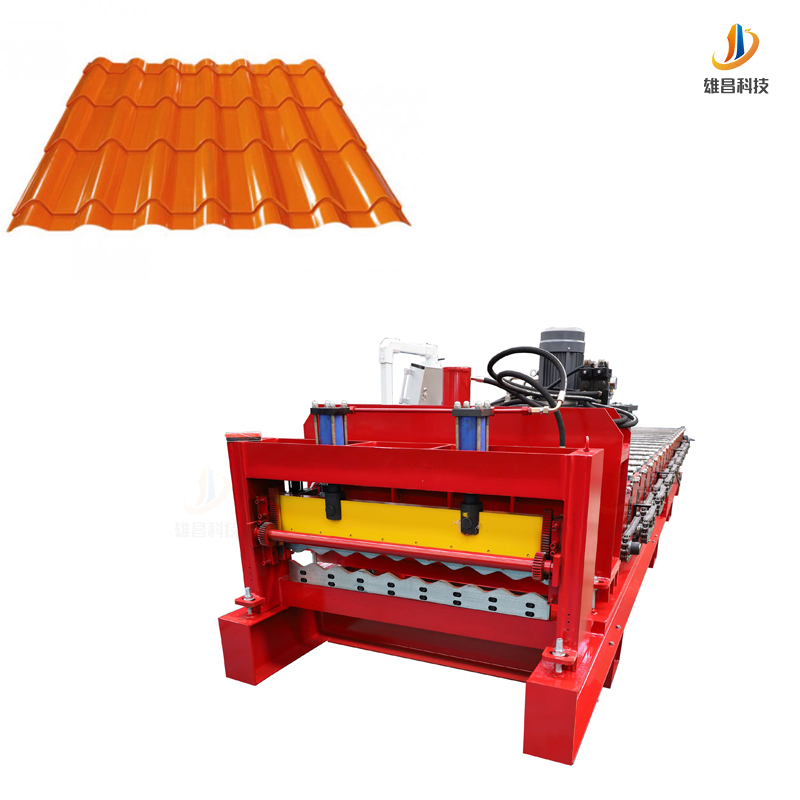
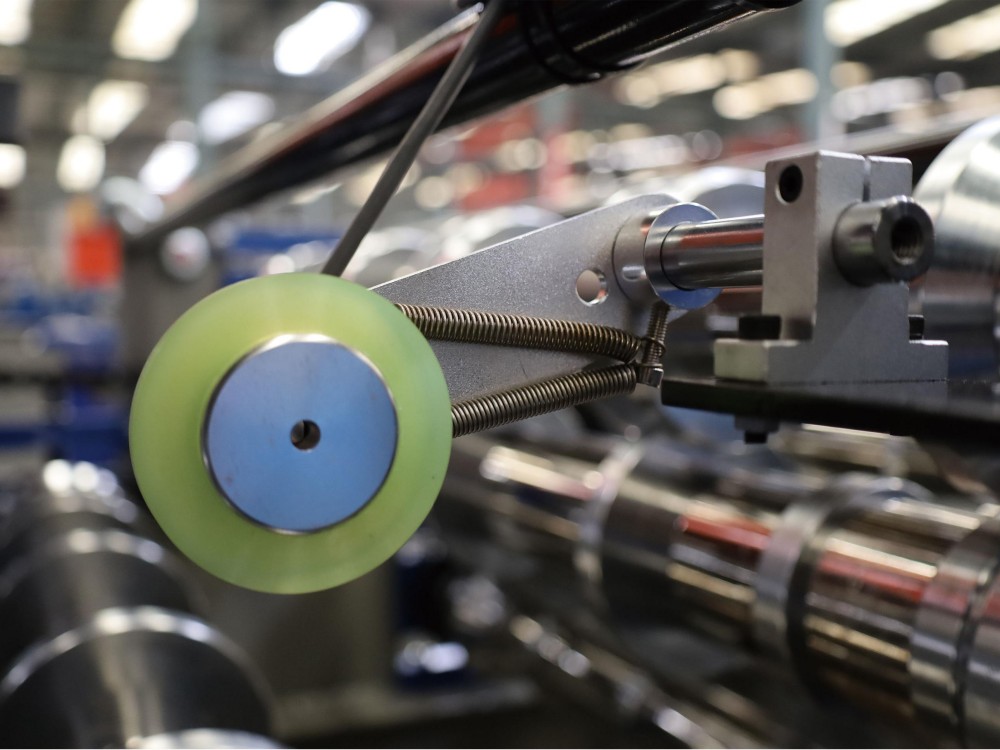
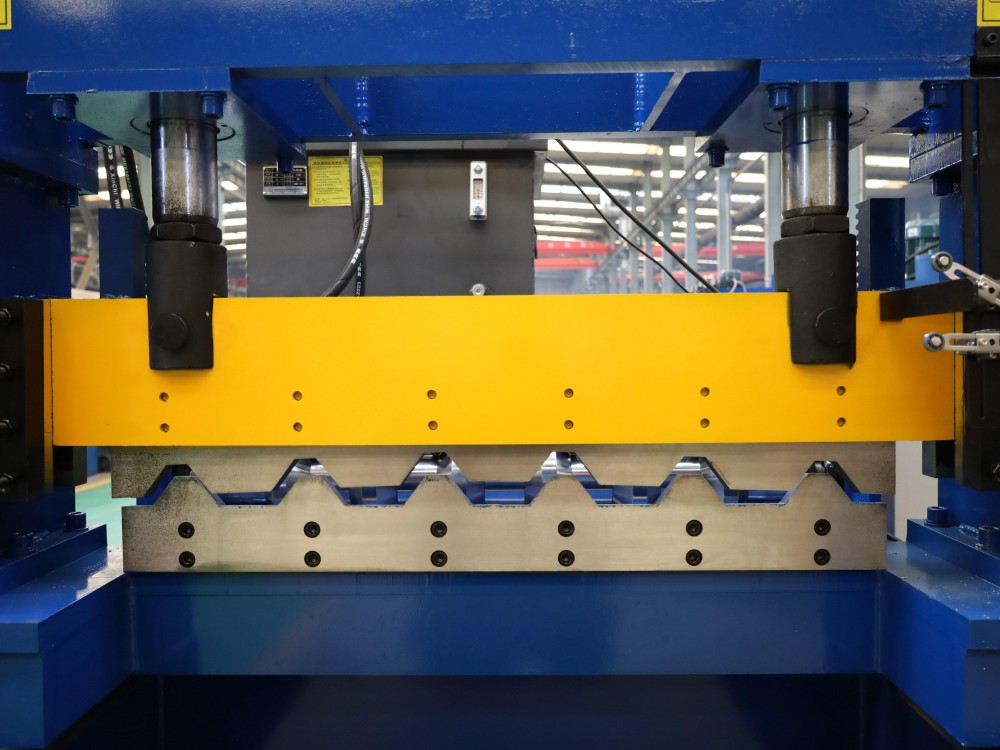
For decorative step-tile roofing used in residential, villa and commercial projects. Hydraulic step pressing is synchronized with PLC control for consistent tile lines and clean coated surfaces.
Why Korea Buyers Are Re-Evaluating Light Gauge Steel Roll Forming Machines
This guide is written for contractors, importers, steel service centers, modular builders and investors who are comparing China-based roll forming machine manufacturers for Korea. It is not a catalogue walk-through. It is a practical decision framework covering local market demand, compliance, factory supply-chain advantages, procurement risk and total cost of ownership.
The phrase “China Light Gauge Steel Roll Forming Machine Manufacturer & Companies for Korea” combines several search intents. Some buyers want a manufacturer, not a trading company. Some are shortlisting companies with export experience. Some need a machine that can produce Korean framing profiles, and others need local technical support, shipping to Busan or Incheon, Korean-language documentation, or a supplier who understands the realities of Korean construction sites. A supplier that only quotes a machine price without addressing these points is answering a different question.
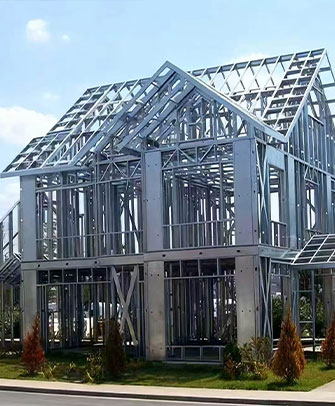
Korea is a mature, high-cost construction market with strong demand for faster, cleaner and more repeatable building methods. The labor force is aging, site labor is expensive, quality expectations are high, and developers are under pressure to shorten schedules while improving energy performance and reducing waste. Light gauge steel framing—also described as cold-formed steel framing, CFS framing, LGS framing, stud-and-track systems or drywall framing—fits those pressures because it is lightweight, dimensionally stable, non-combustible when specified correctly, compatible with off-site manufacturing, and suitable for dry, fast assembly.
For a Korean importer, however, the machine is only one part of the decision. The real question is whether the line can produce the exact stud, track, roof truss, floor system, panel or roofing profile that the project team has designed, at the tolerance that local installers and inspectors expect, with a power and documentation package that matches the factory, and with a spare-parts and commissioning plan that protects the investment over the next decade.
Korea’s Local Commercial and Industrial Context
Light gauge steel roll forming in Korea sits at the intersection of residential construction, commercial fit-out, modular construction, logistics facilities, agricultural buildings, cold-storage projects and retrofit work. In Seoul and the surrounding metropolitan area, interior partition systems and ceiling frames are routine; in regional areas, low-rise housing, factory offices, warehouses, training facilities and tourism-related buildings create demand for steel-framed structures. The growth of modular and off-site construction has also pushed fabricators to look for CNC-controlled roll forming lines that can produce studs and tracks with predictable tolerances and printed or punched marks for assembly.
The local supply base is sophisticated. Korean steel producers and coil service centers provide galvanized and pre-painted steel in a range of coating weights, surface finishes and yield strengths. Korean contractors often work with metric drawings, KS-related material specifications where applicable, Korea Building Code requirements for structural design, and project-specific fire, acoustic and thermal requirements. This means a China-manufactured machine cannot be sold as a “standard export model” and left there. The supplier must be able to read the profile drawing, understand the material yield strength and coating, match the tooling to the profile, and configure the control system to the plant’s voltage and operator language.
Korea’s power environment is another practical detail. Most industrial sites operate at 380 V three-phase 60 Hz, while many buildings and small workshops also use 220 V systems. Motors, hydraulic power units, sensors, PLCs and control cabinets should be specified for 60 Hz operation, not 50 Hz, and the HMI, alarms and manuals should be prepared in a way that Korean operators and maintenance staff can use confidently.
What Korean buyers commonly prioritize
Profile accuracy & repeatability92%
After-sales & spare parts88%
Voltage / HMI localization84%
Factory acceptance testing81%
Lead time & logistics76%
These bars are illustrative decision factors based on export inquiry patterns; they are not official market statistics.
A serious supplier will help the buyer move from a generic requirement to a specification: coil thickness range, yield strength, profile drawing, hole pattern, production output per shift, coil inner diameter, maximum coil weight, factory power, compressed air availability, floor space, operator skill level and future profile expansion. That information is the difference between a machine that runs and a machine that becomes a bottleneck.
Localized support & compliance
Engineering and Compliance Details That Matter in Korea
Localization is not a language sticker on the control panel. It is a chain of engineering decisions that begins with the profile drawing and ends with maintenance training, spare parts and documented acceptance criteria.
A light gauge steel roll forming machine for Korea should be specified around the material and profile, not around a catalogue photo. For framing profiles, the line may need to handle hot-dip galvanized steel, Galvalume or pre-painted coil in thickness ranges that commonly fall between 0.6 mm and 1.6 mm, depending on the application. Heavier gauges may be required for roof trusses, floor joists or structural studs, while thinner gauges are common for drywall partitions and ceiling systems.
The profile itself drives the roll pass design. Web depth, flange width, lip length, service hole size, hole pitch, dimples, knurling and embossments all affect how the strip is bent, punched and cut. A supplier with roll forming experience will check the flower pattern, station count, shaft diameter, roller material and heat treatment against the yield strength of the coil. Thin, high-strength steel can be less forgiving: if the forming strains are poorly distributed, the panel may show edge waves, twist, camber, flange curl or coating damage. These defects may not appear in a short trial run, but they show up when the machine runs all day in a Korean fabrication shop.
For Korea, electrical configuration should be reviewed at the proposal stage. The drive motors, hydraulic station, sensors, PLC, servo feeders and control cabinet should be matched to the site voltage and frequency. If the plant uses 380 V three-phase 60 Hz, the proposal should say so clearly. If the buyer intends to move the line between sites or use a generator, that should be discussed early. HMI language can be English, Korean or bilingual depending on the control platform, and the manual package should include electrical diagrams, maintenance schedules and troubleshooting guidance in a usable format.
Compliance should be handled transparently. Applicable electrical components can be specified to meet Korean KC requirements or accepted international standards where required by the project. Structural and fire performance of the finished building is a separate design responsibility that involves the Korea Building Code, project-specific engineering and local approval. A machine supplier should not promise that a roll former alone makes a building code-compliant structure. Instead, the supplier should provide traceable material and component documentation, factory inspection records, calibration data and clear operating limits so the buyer’s engineer can verify the scope.
Profile-to-machine engineering
XC engineers review the drawing, sample or photo, then define the station count, roller material, punching layout, cutting method and motor power before a final quotation is issued.
Factory acceptance test
Every line is assembled and test-run with coil that matches the buyer’s specification. Sample panels, measurements, inspection photos and a trial-run video are shared for approval before packing.
Export service to Korea
Export packing, shipping coordination to Busan or Incheon, English and Korean-support documentation, remote commissioning and on-site engineer service on request.
Why a China Factory Can Be a Strong Partner for Korean Fabricators
A China-based manufacturer is not automatically the lowest-risk choice, nor is it automatically the lowest-cost choice. The advantage appears when the supplier has in-house engineering, machining, assembly, testing and export service under one roof.
In-house machining & assembly
Sichuan Xiongchang Technology Co., Ltd. (XC) designs and manufactures cold roll forming equipment for roofing, flooring, door, framing and structural components, together with the auxiliary line equipment each system needs to run efficiently. The team brings more than 20 years of hands-on roll forming experience, supported by a 50,000 m² production base, in-house machining and assembly, and a global customer base of more than 1,000 cooperative customers.
The supply-chain advantage is not simply lower labor cost. It is the ability to iterate quickly on a profile drawing, source rollers, shafts, bearings, motors, PLCs, hydraulic stations and castings from a mature industrial ecosystem, then assemble and test the complete line before shipment. For a Korean buyer who needs a non-standard stud profile, a special punched hole pattern, a dual-profile roofing line or a combined stud-and-track layout, that flexibility matters.
China’s roll forming cluster also supports faster spare-parts replacement. Blades, bearings, hydraulic seals, sensors, PLC modules, encoder wheels and forming rollers can be produced or sourced from a broad supplier base. For Korean buyers, the practical benefit is shorter downtime when a critical component fails, provided the original manufacturer keeps a spare-parts schedule and maintains documentation.
XC’s process is built around export accountability: profile review, roll pass design, proposal with confirmed parameters, manufacturing and QC, trial run with matching coil, sample measurement, video acceptance before balance payment, export packing, shipping documents, remote installation guidance and optional on-site commissioning. That process reduces the risk that a low-price quote becomes a high-cost project after delivery.
20+Years of roll forming experience
50,000m²Factory for machining & assembly
1,000+Cooperative customers worldwide
100%Lines test-run before dispatch
Global procurement requirements
What Global Buyers Compare Before They Choose a Roll Forming Machine Manufacturer
Korean buyers are often comparing a China manufacturer with local Korean suppliers, European lines and used equipment. The winning proposal is rarely the lowest headline price. It is the proposal that closes the gaps in engineering, documentation, commissioning, spare parts and long-term accountability.
A serious international procurement review usually covers the same core questions. Can the supplier demonstrate the profile in a trial run with the buyer’s coil? Are the rollers and shafts manufactured in-house, and what is the material and heat-treatment specification? Is the PLC program open enough for local maintenance, or is it locked in a way that creates dependency? What is the warranty scope, and what is excluded? How are spare parts priced and shipped? Who supports installation, and how quickly can an engineer respond to a breakdown?
For Korean buyers, language and time-zone proximity are real advantages. China and Korea are in nearby time zones, which makes remote video support easier to schedule. Shipping from major Chinese ports to Busan or Incheon is generally manageable, and the supplier can prepare export packaging, lifting points, rust protection, electrical diagrams and packing lists that match the freight forwarder’s requirements. However, the buyer should still confirm Incoterms, port of loading, shipping insurance, import clearance responsibilities and the scope of commissioning before signing.
Global companies also expect repeatability. A machine that produces a good sample in China but drifts after installation is not acceptable. That is why the factory acceptance test should include measured sample panels, not only a video of the machine running. The buyer should ask for a dimensional report covering web depth, flange width, lip length, hole pitch, cut length, camber and twist across a defined sample. If the supplier cannot provide these measurements, the buyer has no objective acceptance record.
Engineering evidence: profile drawing review, roll pass design, station count and tooling specification.
Local fit: 220/380 V 60 Hz configuration, Korean HMI option, metric drawings and local documentation support.
Service evidence: spare-parts list, warranty terms, remote support process and on-site service scope.
Commercial clarity: Incoterms, packing, shipping schedule, payment milestones and lead time.
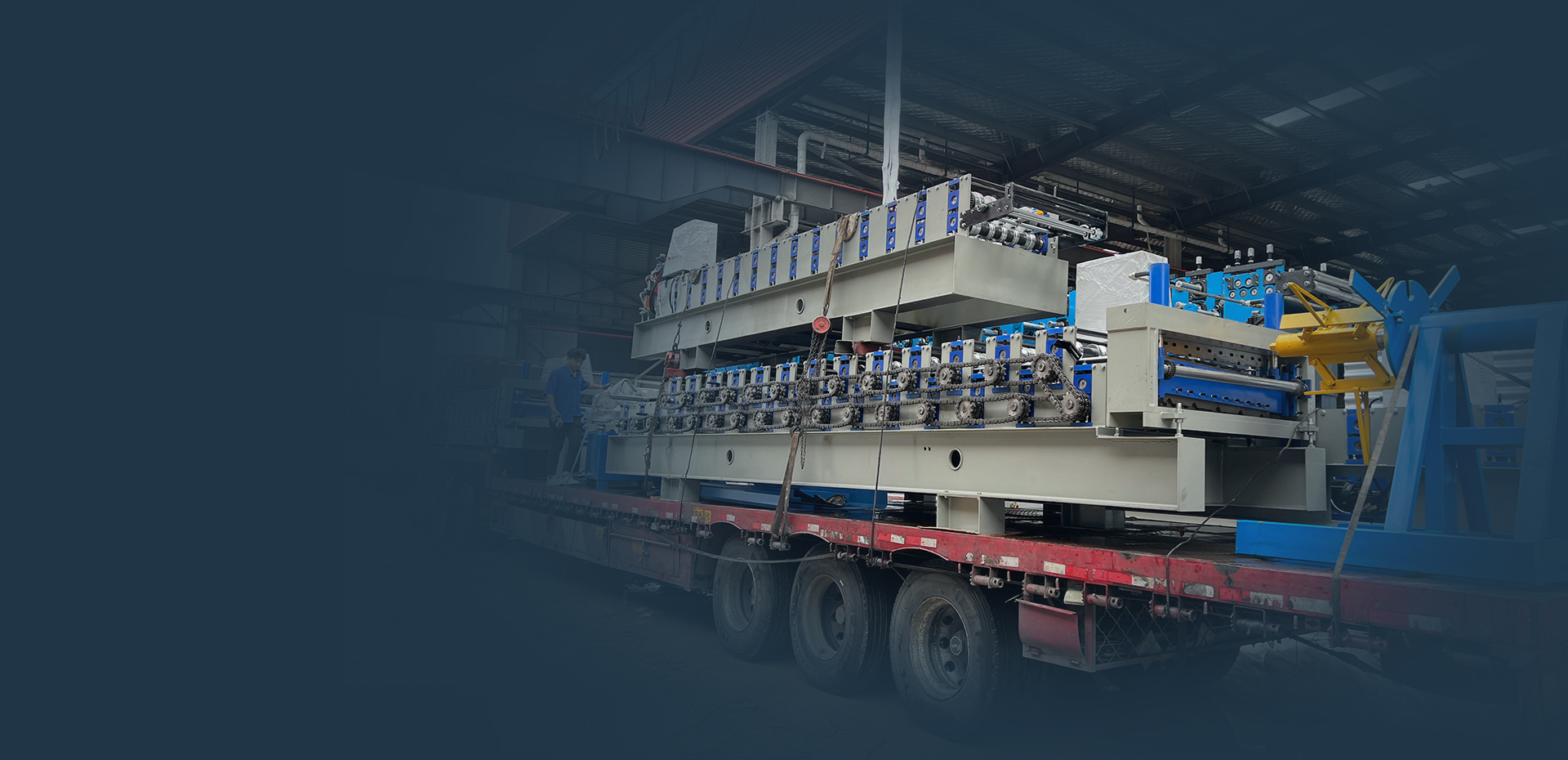
Buyers should also check whether the manufacturer can supply the complete line, not only the forming mill. A practical light gauge steel line may include a decoiler, coil car, leveler, servo feeder, punching station, forming stations, hydraulic cut-off, stacking table and PLC/HMI control system. If those items are sourced from different suppliers without integration testing, the buyer inherits the compatibility risk. XC’s turnkey approach is designed to keep the mechanical, hydraulic, electrical and control systems under one engineering responsibility.
Industry trends
AI, Digitalization and the Next Generation of LGS Roll Forming Lines
The roll forming principle has not changed, but the way machines are specified, monitored and integrated into prefabrication workflows is changing. Korean buyers evaluating a new line should understand which trends deliver real ROI and which are simply marketing language.
Servo and digital control are making cut-length accuracy, batch management and changeover easier. A modern PLC/HMI system can store profile recipes, monitor production counts, flag faults and support multi-language operation. For a Korean factory running multiple stud sizes or roofing profiles, recipe management reduces operator error and shortens changeover time.
Inline punching and marking are becoming more valuable as modular construction grows. Instead of producing plain studs and drilling later, the roll former can punch service holes, bolt holes, dimples and assembly marks in the same pass. This reduces secondary operations, improves assembly speed and makes the finished frame more predictable on site.
Digital quality records are another practical trend. Buyers increasingly want traceability: coil batch, machine settings, sample measurements, operator notes and inspection results. A supplier that can provide a structured FAT report and clear maintenance schedule is easier to qualify with consultants, contractors and global procurement teams.
Predictive maintenance and IoT are often oversold, but they are useful when applied to specific failure modes. Vibration monitoring, bearing temperature checks, hydraulic pressure monitoring and motor current analysis can help maintenance teams detect wear before a breakdown. The buyer should ask which sensors are included, what data is stored, who owns the data and whether the system works without a cloud subscription.
Material and coating protection remain fundamental. High-strength steel and thin galvanized coil are less forgiving at the bend line. Good roll pass design, hard-chrome plated rollers, controlled lubrication and correct setup protect the zinc and paint coatings. In Korea’s humid summers and cold winters, a machine that cracks coatings at the bend line creates callbacks and corrosion risk that no digital dashboard can fix.
Trend impact on Korean fabricators
Automation labor savingHigh
Inline punching valueHigh
Digital traceabilityMedium
IoT predictive maintenanceMedium
Full lights-out productionEmerging
Illustrative impact, not a guarantee of project results.
What we recommend for most Korea projects
Start with a reliable mechanical platform, a well-documented control system, measured FAT and a practical spare-parts package. Add advanced automation only after the basic profile accuracy and maintenance plan are confirmed.
Six Korean Application Scenarios for Roll Formed Steel Profiles
These are common entry points for Korean buyers. The machine specification changes depending on the profile, coil, output target and downstream assembly method.
Architecture & Building Materials
Roofing sheets, wall cladding, standing seam panels, floor decking and C/Z purlins for warehouses, factories, commercial buildings and residential projects.
Automobile & Transport Manufacturing
Structural rails, door frame sections and reinforcement beams where repeatable cross-sections and stable length tolerances support downstream assembly.
Home Appliances, Kitchen & Bath
Appliance side panels, cabinet frames and trim profiles from pre-painted or stainless coil, where surface protection during forming is critical.
Transportation & Logistics
Container panels, truck body sections, railway profiles and guardrails—long, heavy-gauge parts that need rigid stands and accurate cut-off.
New Energy & Solar Mounting
PV mounting rails, strut channels and support brackets. High-volume parts benefit from inline punching, fast size changeover and stable hole pitch.
Furniture & Office Equipment
Shelving uprights, racking beams, cabinet frames and partition studs. Consistent hole pitch and straightness make on-site assembly faster and safer.
Product portfolio & original XC links
Profile-to-Machine Capability Across the XC Range
Use these original XC category and product links to compare the machine family that fits your Korea project. Every line can be quoted as a stand-alone machine or as a turnkey production system with decoiler, punching, cutting, stacking and control integration.
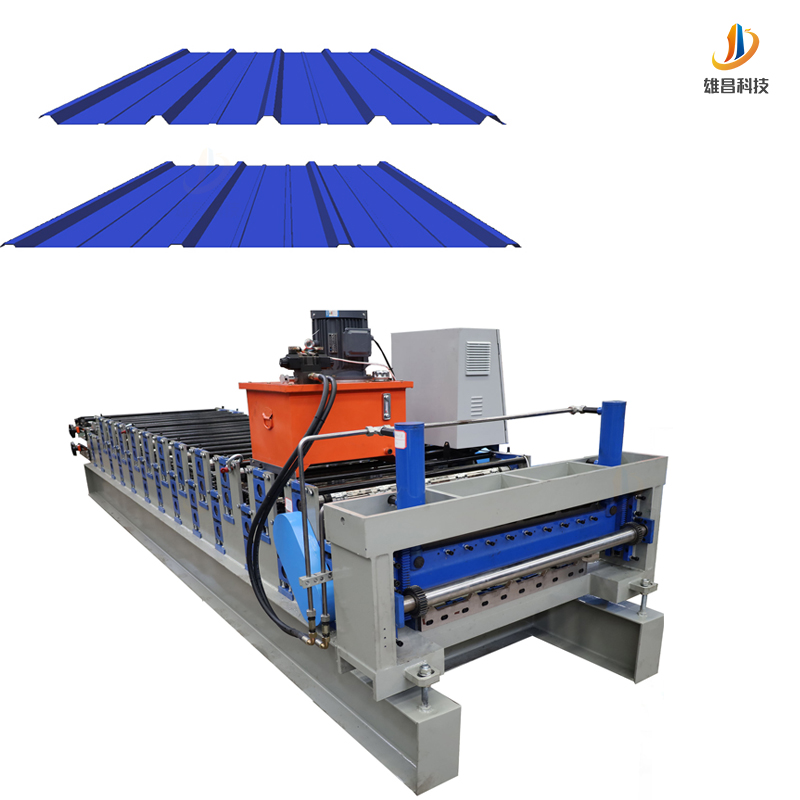
Double Layer Roll Forming Machine
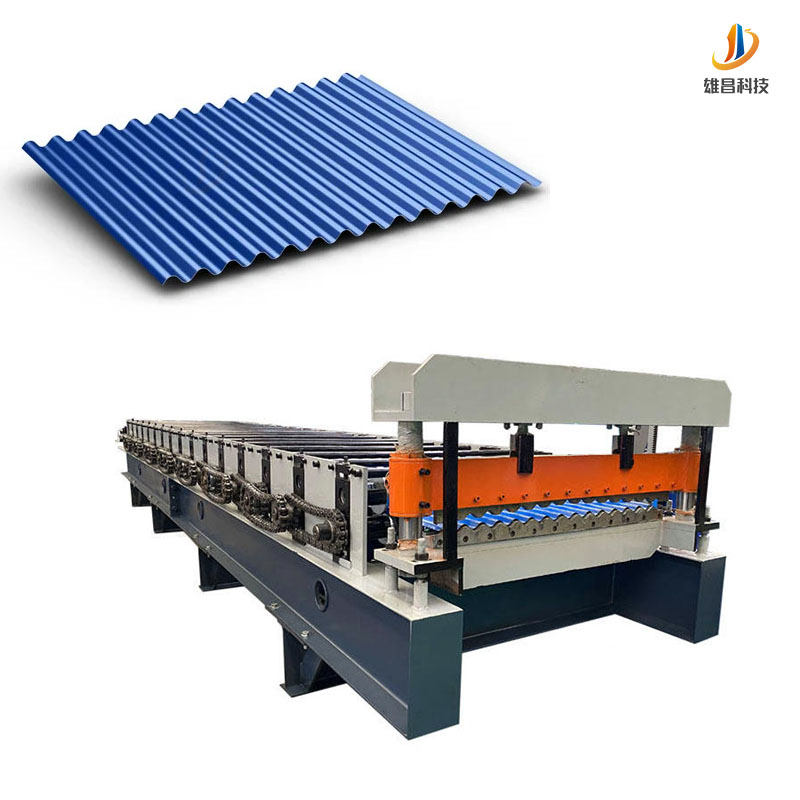
Two roofing profiles on one frame, such as trapezoidal and corrugated, reducing floor space and capital cost for mixed-market suppliers.
Compare Roll Forming Machines Before You Request a Quote
Quotes are only comparable when the specifications are comparable. Use these indicative ranges and verification points to judge any supplier’s offer, including XC’s.
Ranges reflect typical XC configurations for reference only. Final parameters are engineered to your profile drawing, material yield strength, output target and site power supply.
Send these details for an accurate Korea proposal
Profile drawing or a clear photo of a sample panel
Material type: PPGI, GI, Galvalume, black steel or stainless
Thickness range, yield strength, coil width and coil weight
Required output per shift and expected profile mix
Site voltage and frequency, especially 220/380 V 60 Hz
HMI language preference and documentation requirements
Factory floor space, compressed air and operator skill level
Incoterms, destination port and target installation date
Red flags in a low-price roll forming quote
No measured sample report, only a short video
Voltage and frequency not confirmed in writing
Roller material and heat treatment not specified
PLC brand and spare-parts availability unclear
No clear scope for installation, training or commissioning
From Profile Drawing to First Panel: XC’s Five-Step Process
A transparent workflow for overseas buyers, so the technical, commercial and logistics steps are clear before the project starts.
01
Profile & Coil Review
Send your drawing, sample or photo plus coil data. Engineers check that the profile can be formed and flag any risks.
02
Roll Pass Design & Proposal
You receive the station count, roller material, drive and cutting system, power configuration and a confirmed schedule.
03
Manufacturing & QC
Frames, shafts and rollers are machined and assembled in-house, with inspection at each critical stage.
04
Trial Run & Acceptance
The line runs with coil matching your specification. Samples are measured, and a video report is shared for approval.
05
Shipping & Commissioning
Export packing, documentation, then remote or on-site installation and operator training.
Proven Expertise & Innovation
Two decades of profile development across roofing, structural and decking applications. We address edge waves, flare and coating cracks during engineering, not after installation.
Built for Performance & Longevity
Rigid frames, precision-machined shafts and hard-chrome plated rollers keep profiles within tolerance shift after shift.
Commitment to Customer Success
Engineers answer technical questions directly, from pre-sale profile review to commissioning and spare parts. One accountable team for the life of the machine.
Engineering insights
Field Knowledge from XC Engineers
Practical notes for buyers who want to avoid the hidden quality and maintenance problems that appear after a roll forming line is installed.
Roll Forming Advantages and Applications
Why continuous roll forming beats press braking for long, consistent profiles, and which industries gain the most from it.
Bearing Damage in Multi-Stand Roll Forming Stations
Six root causes of bearing failure, the diagnostic checks to run first, and how they show up as strip tracking loss and coating defects.
Zinc & Color Coating Cracking at Bending Zones
From bend radius to roll pass design, this article explains what makes coatings crack at the bend line and how coating-safe forming prevents it.
Straight answers based on the projects XC delivers every year. For a project-specific answer, send your drawing and coil data directly to our engineers.
What information do I need to send for an accurate roll forming machine proposal?
Send your profile drawing or a photo of a sample panel, material type (PPGI, GI, Galvalume or black steel), thickness range, yield strength, coil width, required output per shift, and your local voltage and frequency. With these details our engineers can define the number of forming stations, roller material, cutting system and motor power.
Can XC build a roll forming machine for a local or non-standard Korean profile?
Yes. Most XC machines are built to order. Our engineers develop the roll pass design (flower pattern) from your drawing or sample, so regional profiles such as stud and track, IBR, Tuff-Rib, Klip-Lok style, standing seam or Spanish-style tiles can be matched closely.
How is machine quality verified before shipment?
Every line is assembled and test-run in our factory with coil that matches your specification. Sample panels are measured against your drawing, and a trial-run video plus inspection photos are shared for your approval before packing.
What is the typical lead time for a roll forming machine?
Standard roofing sheet lines are commonly ready within 30 to 45 working days after drawing confirmation. Purlin, floor deck, double layer, LGS stud-and-track and fully customized lines may take longer. The confirmed schedule is stated in each proposal.
What after-sales support does XC provide to overseas buyers?
XC provides English manuals and electrical diagrams, remote video guidance for installation and commissioning, on-site engineer service on request, and spare parts supply such as blades, bearings, hydraulic seals, sensors and electrical components.
Can machines be configured for the Korean power supply?
Yes. Motors, hydraulic stations and control cabinets are configured to your site voltage and frequency. For Korea, this commonly means 220/380 V at 60 Hz. HMI language options can be discussed for Korean operators, and electrical components can be specified to applicable Korean or international standards where required.
Can XC support Korean-language HMI and documentation?
Korean-language HMI and bilingual support materials can be discussed for the control platform selected. The final scope should be confirmed in the technical agreement, including operating screens, alarm messages, maintenance instructions and electrical diagrams.
How do you ship a roll forming machine to Korea?
Machines are export-packed with rust protection, lifting points and shipping marks. XC coordinates with the buyer’s freight forwarder and can ship to major Korean ports such as Busan or Incheon. Incoterms, insurance, import clearance and final delivery responsibilities should be agreed in the contract.
Can the finished profiles meet Korean project requirements?
The machine can be engineered to produce the dimensions, hole patterns and tolerances shown in the approved profile drawing. Structural, fire, acoustic and building-code compliance of the finished building remains a project-specific design and approval responsibility under the Korea Building Code and local requirements. XC supports the process with machine data and inspection records.
What spare parts should a Korean buyer stock?
A practical initial list usually includes cutting blades, bearings, hydraulic seals, proximity sensors, encoder components, relay modules, fuses and a recommended PLC or drive spare where critical. The exact list depends on the machine configuration and production intensity.
Send your profile drawing, coil specification, output target and site voltage. XC engineers will review the forming feasibility, propose the line configuration and confirm the factory acceptance test plan before you commit.
Eight Additional Products from the Original XC Product List
These eight original product links complete the XC machine set for Korean buyers. They cover standing seam, purlin, roofing, panel and LGS options that can be quoted individually or combined into a turnkey production plan.