China Z Purlin Cold Roll Forming Machine Factory, Factories
For warehouses, metal buildings, agro-industrial sheds and roof purlin production. Configured for lapping, punching and high-yield steel coils.
View Product →These are four of the original XC hot products, presented first for buyers in Costa Rica who need proven machine platforms, stable production and direct access to the original product pages. Each line can be configured for local profiles, 60 Hz power, Spanish-language operation and humid coastal or tropical inland conditions.

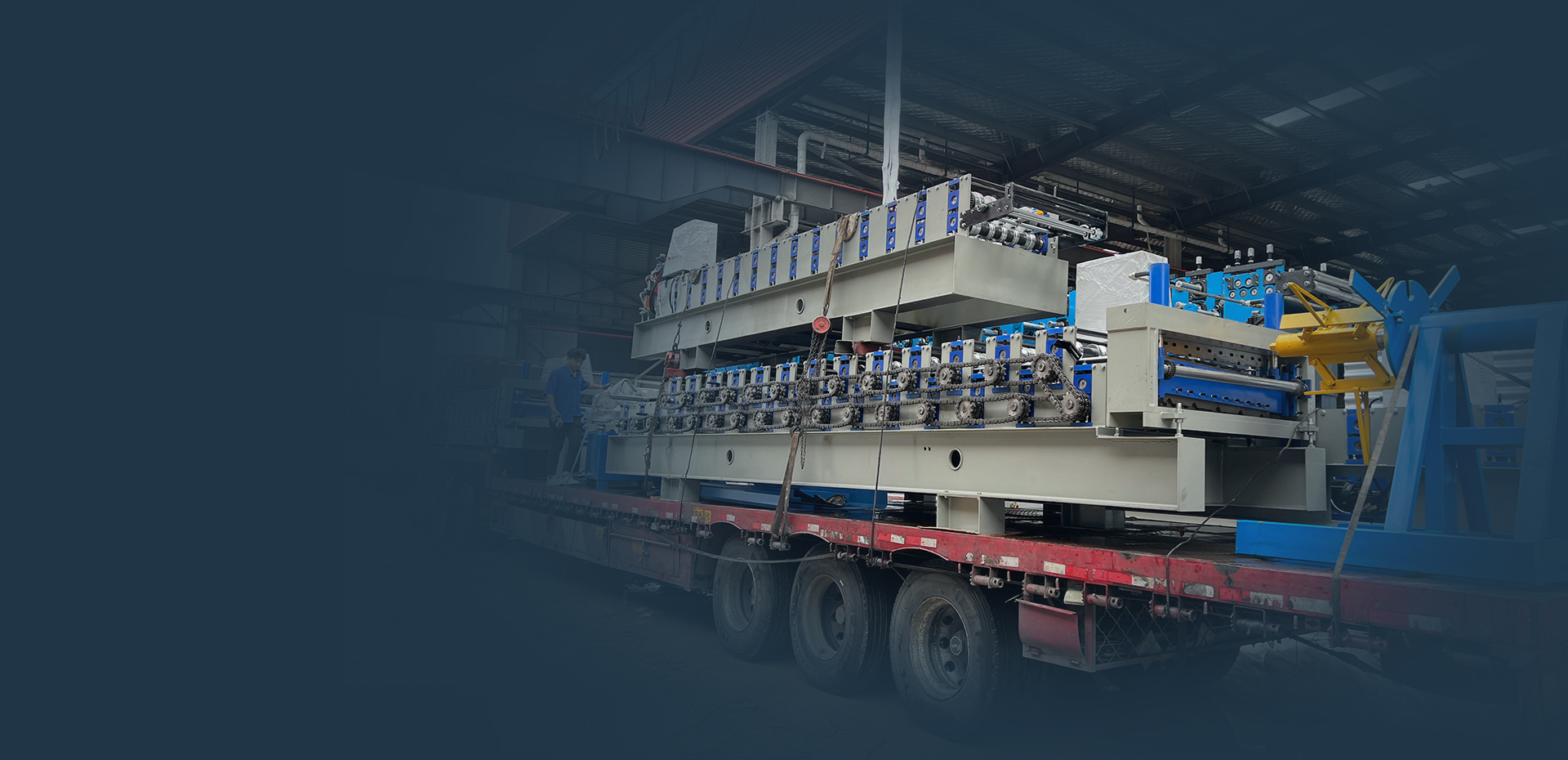
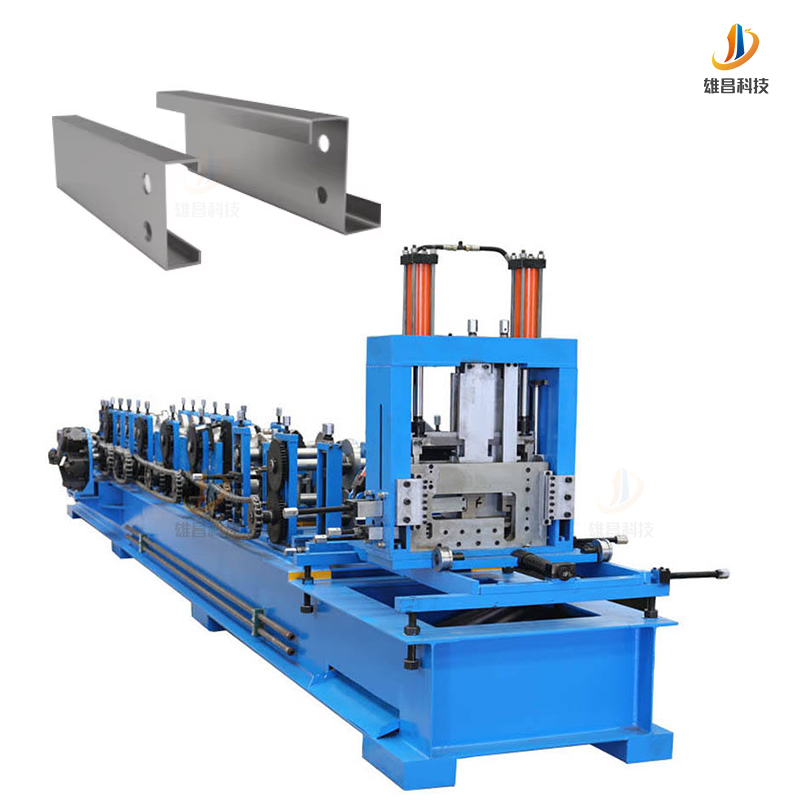
For warehouses, metal buildings, agro-industrial sheds and roof purlin production. Configured for lapping, punching and high-yield steel coils.
View Product →
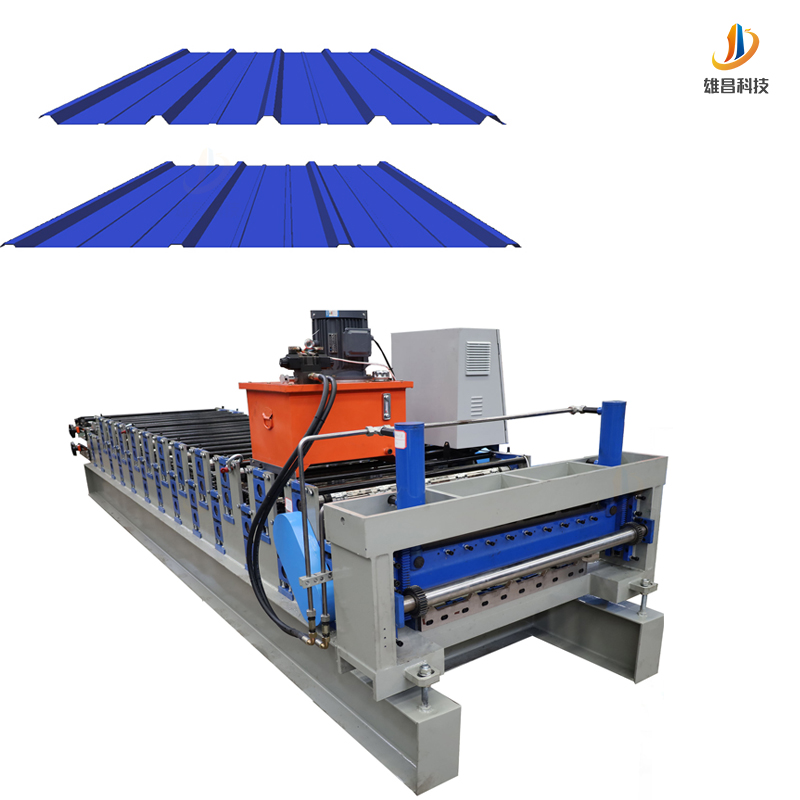
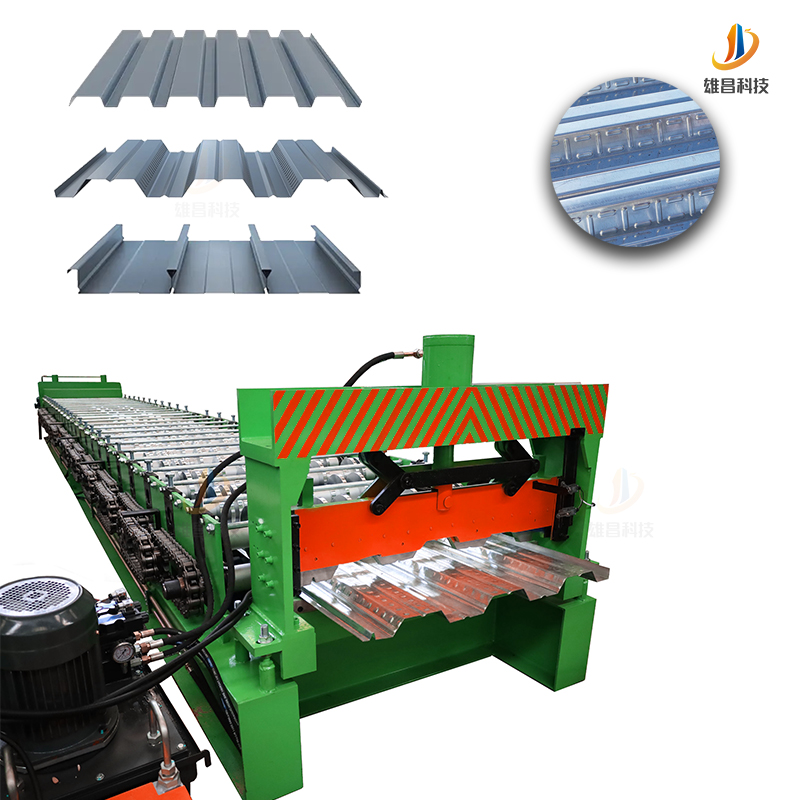
A practical line for IBR roof and wall panels used by roofing contractors, distributors and metal building suppliers serving Costa Rica.
View Product →
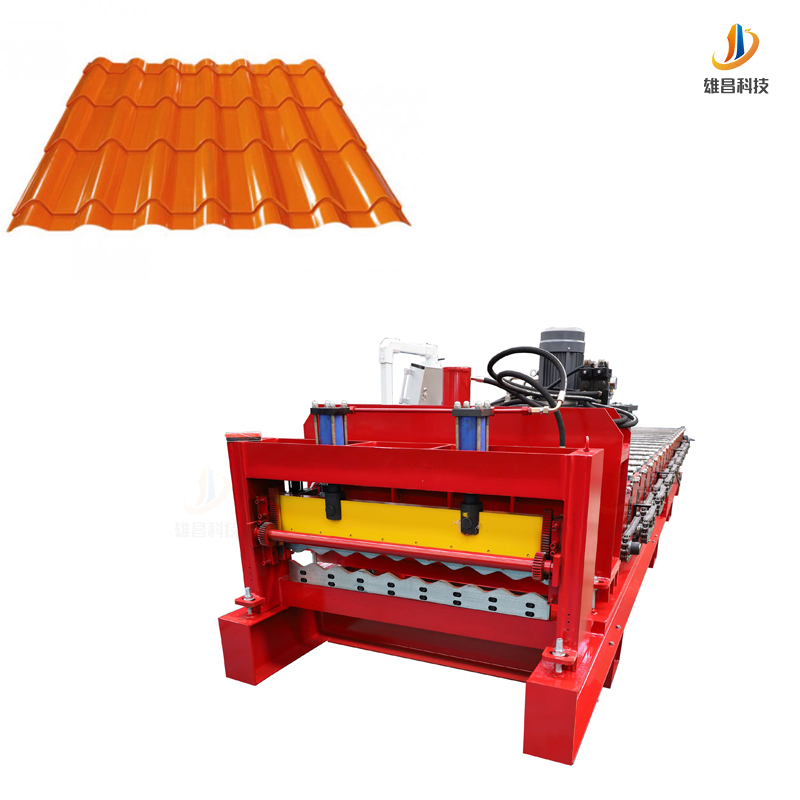
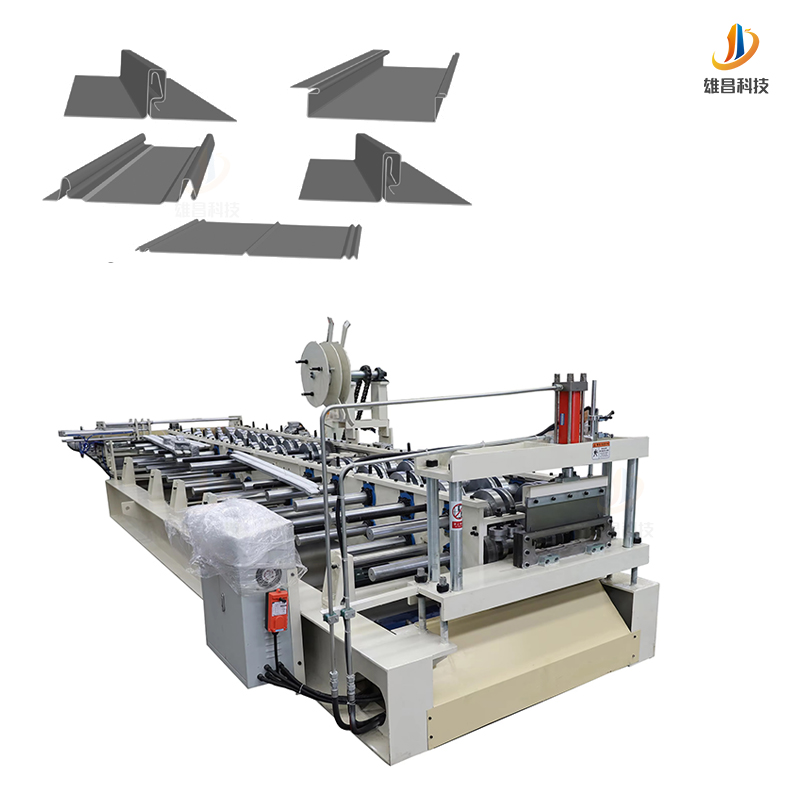
Step-tile forming for villas, hotels, residential projects and commercial roofs where visual finish and repeatable profile depth matter.
View Product →
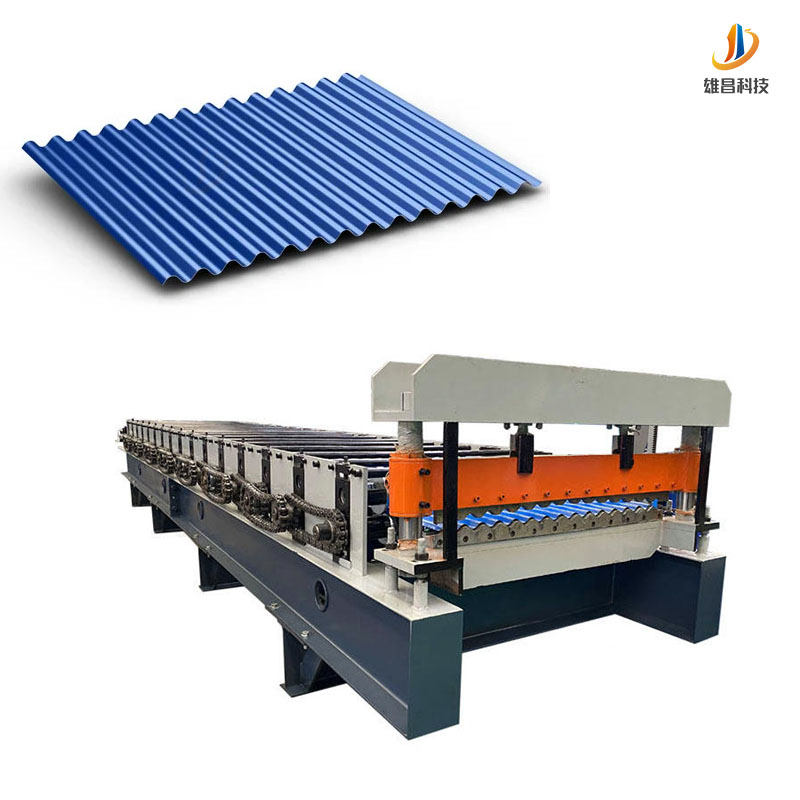
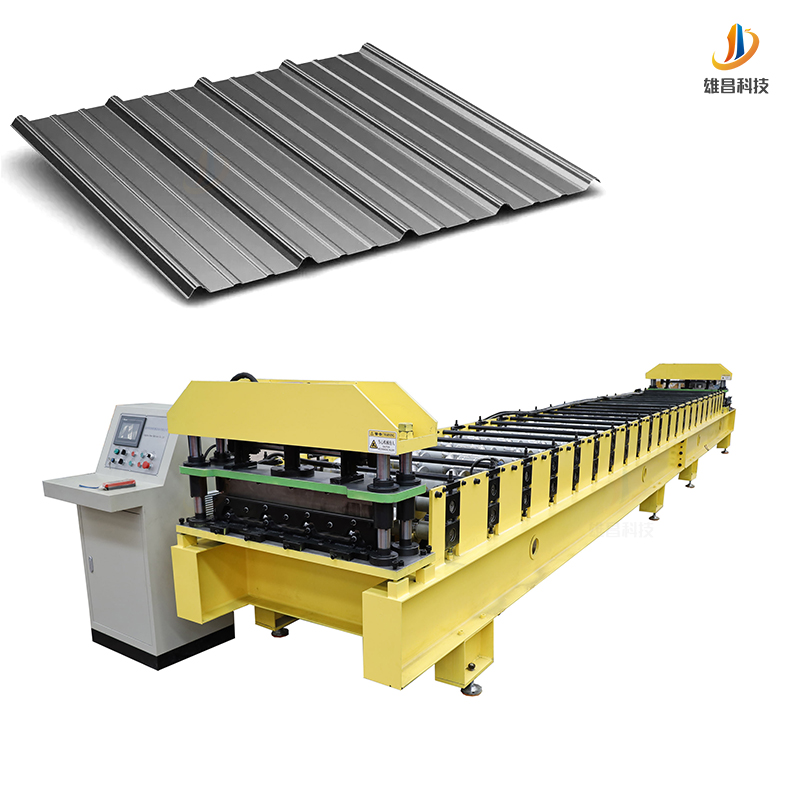
For C studs, tracks and drywall framing used in commercial interiors, housing and modular construction across Costa Rica.
View Product →Costa Rica is a compact but sophisticated market. Demand for roll forming equipment is shaped less by raw population size and more by construction quality, tourism investment, free-zone manufacturing, export logistics and the need to produceprofiles locally under tropical conditions.
Reviewed by the XC cold roll forming engineering team. Our assessment draws on roll forming, profile development and export commissioning experience across roofing, structural, decking and light gauge steel applications. For Costa Rica, the strongest buyer intent usually comes from roofing fabricators, metal building contractors, drywall and light gauge steel producers, hardware distributors, and industrial groups supplying projects in San José, Alajuela, Heredia, Cartago, Guanacaste, Puntarenas and Limón.
Imported finished panels are simple to buy, but they can be slow to replenish, expensive to ship and difficult to customise for fast-moving projects. A local roll forming line lets a Costa Rican fabricator produce IBR roofing sheets, corrugated panels, glazed tile, standing seam, C/Z purlins and C studs on demand, with tighter control over profile, length and delivery.
For distributors, this can convert a warehouse from a stock-only operation into a production and service hub. For contractors, it can protect project schedules when imported panel deliveries slip. For industrial groups, it can support in-house metal building fabrication and maintenance work.
Buyers often search in English and Spanish, using mixed commercial and technical language. Useful intent clusters include:
These searches are not only price-led. Serious buyers compare profile accuracy, coil compatibility, electrical configuration, commissioning support, spare parts and total cost of ownership.
Send Inquiry Now


A machine that performs well in a dry, temperate factory may still fail in Costa Rica if humidity, salt air, unstable coil quality, 60 Hz power and Spanish-speaking operators are not designed into the specification.
Costa Rica’s building sector serves housing, hotels, retail, warehouses and public infrastructure. Metal roofing and light gauge steel are practical for speed, seismic performance and design flexibility. Tourism projects in Guanacaste and coastal areas often need attractive roof profiles, corrosion resistance and reliable replacement panels.
Free-trade-zone activity, medical devices, electronics, advanced manufacturing and export logistics create demand for clean industrial buildings, warehouses and internal partitions. C studs, tracks, roof deck and metal cladding support fast construction and expansion.
Agriculture, coffee, bananas, pineapple, livestock and food processing need sheds, packhouses, storage and utility buildings. Corrugated and IBR panels remain economical for large roof areas, while purlin lines supply the structural frame.
High humidity, intense rain and salt-laden air near the coast affect bearings, electrical cabinets, chains and unpainted frames. Machines should use sealed bearings, moisture-resistant electrical components, hard-chrome rollers and export packing with anti-rust protection.
Costa Rica commonly uses 120/240 V single-phase service and various industrial three-phase supplies at 60 Hz. Motor coils, VFDs, hydraulic stations, PLCs and safety circuits must be selected for the actual site. We confirm voltage, frequency, phase and control voltage before production.
Project specifications may reference INTECO standards, CFIA-linked professional review, municipal permits, fire safety, structural design and electrical inspection. XC supports documentation and specification alignment; final compliance remains with the local engineer, importer and authority having jurisdiction.
Do not buy a machine from a catalogue alone. Send a sample panel, a local profile drawing, the coil spec, the intended coil supplier and the exact site power. A line that is “close” on paper can become expensive when the first coil arrives with different yield strength or coating thickness.
Across Latin America, North America, the Middle East, Africa and Southeast Asia, roll forming buyers are moving from “buy the cheapest machine” to “secure a production asset that can be supported for years”. Costa Rica follows the same pattern, especially when the line is tied to export customers, tourism projects or industrial construction schedules.
Global industrial demand is being shaped by nearshoring, steel building construction, renewable energy mounting, warehouse expansion, labour cost pressure and the need for shorter lead times. Buyers want machines that can change profiles faster, run with less scrap, protect pre-painted coils and connect to service support. That is why the procurement conversation should include more than motor power and station count.
“How much does an IBR roll forming machine cost in Costa Rica?”, “best China hot products manufacturer”, “roll forming machine supplier for metal roofing”. The buyer wants a reliable quotation, lead time, shipping route and payment terms.
“Roll pass design for high-yield steel”, “coating crack at bend line”, “C/Z purlin size change”, “60 Hz electrical configuration”. The buyer is checking whether the supplier can engineer, not just assemble.
“Spare parts for roll forming machine”, “remote commissioning in Costa Rica”, “how to inspect a roll former before shipment”. The buyer wants proof of test run, documentation, training and after-sales response.
For a Costa Rica project, the best quote will state the coil thickness range, yield strength, coil width, line speed, forming station count, roller material, shaft diameter, cutting method, control system, voltage, frequency, HMI language, test-run scope, packing method and warranty. It should also clarify which local profiles are intended: IBR, PBR, corrugated, Tuff-Rib/AG panel, glazed tile, standing seam, C/Z purlin, C stud or floor deck.
Send Inquiry NowA roll forming line is a production system. The decoiler, forming mill, punching, cutting, stacking and control system must work as one unit, otherwise the first month of production becomes a commissioning experiment.
XC supplies more than a machine. We deliver complete production lines, including the decoiler, forming mill, punching, cutting, stacking and control system, engineered as one integrated unit so your output starts on schedule. For Costa Rica, this can be configured as a compact distributor line or a higher-output industrial line.
Our customers range from residential roofing suppliers to large industrial and infrastructure contractors. Each line ships with English manuals, electrical diagrams, spare parts and remote or on-site commissioning, which supports long-term operational reliability. Spanish-language support and training can be arranged for Costa Rica teams.
Produce IBR, corrugated, glazed tile or standing seam panels for contractors and distributors. Reduce dependence on imported finished panels and improve delivery response for repair and renovation work.
Pair C/Z purlin lines with roofing and cladding machines to supply complete steel building packages. Pre-punching and post-cutting options help deliver ready-to-erect members.
C studs, U tracks and framing profiles support drywall, modular construction, ceilings and interior fit-out. Stable hole pitch and straightness make installation faster on site.
Choose a machine family below. Every model is configured to your coil thickness, yield strength, profile drawing and site power supply. Standard catalogues are a starting point, not a limit.
Roofing Sheet Roll Forming Machine
Trapezoidal Roofing Sheet Machine
Corrugated Wave Roof Tile Roll Forming Machine
Glazed Tile Roll Forming Machine
Double Layer Roofing Sheet Making Machine
Standing Seam Roll Formers
Purlin Roll Forming Machines
Floor Deck Roll Forming Machine
Light Gauge Steel Roll Forming Machine
Hot Products
A roll former is only as good as its weakest station. Each stage below must be engineered as part of one system: stable coil feeding, accurate strip alignment, progressive forming, precise cutting and reliable control.
A manual or hydraulic decoiler feeds coil under controlled tension. Stable unwinding prevents strip wander, which is the first cause of camber and twisted panels.
Adjustable entry guides square the strip to the roll centreline before the first pass. Correct alignment here largely decides the straightness of the finished panel.
Each station bends the strip a few degrees at a time. XC’s roll pass design spreads strain evenly to protect zinc and paint coatings and to avoid edge waves on thin coils.
An encoder measures strip travel and the PLC triggers a profile-matched blade. The result is burr-free cuts within ±1 mm, without crushing ribs or seams.
A touch-screen HMI stores batch lengths and quantities, monitors faults and supports multi-language operation, so new operators get up to speed quickly.
XC supplies complete production lines, including decoiler, forming mill, punching, cutting, stacking and control system, engineered as one integrated unit so your output starts on schedule.
Every line ships with manuals, electrical diagrams, spare parts and remote or on-site commissioning, supporting long-term operational reliability.
Every line is assembled and test-run with coil matching your specification. Sample panels are measured, and a trial-run video plus inspection photos are shared before packing.
Sichuan Xiongchang Technology Co., Ltd. (XC) designs and manufactures cold roll forming equipment for roofing, flooring, door and structural components, together with the auxiliary line equipment each system needs to run efficiently.
Our team brings more than 20 years of hands-on roll forming experience. That experience shows in the details buyers notice after installation: rollers that hold tolerance, coatings that do not crack at the bend, and panels that fit on the roof the first time.

Two decades of profile development across roofing, structural and decking applications. We have solved the edge waves, flare and coating cracks that cheaper machines leave to the buyer.

Rigid frames, precision-machined shafts and hard-chrome plated rollers keep profiles within tolerance shift after shift. That protects your margin and your reputation with contractors.

Engineers answer technical questions directly, from pre-sale profile review to commissioning and spare parts. You get one accountable team for the full life of the machine.
Roofing sheets, wall cladding, standing seam panels, floor decking and C/Z purlins are the core profiles of modern steel buildings, warehouses and residential projects. The same forming discipline also supports transport, appliances, energy and furniture manufacturing.

Roofing sheets, wall cladding, standing seam panels, floor decking and C/Z purlins. These are the core profiles of modern steel buildings, warehouses and residential projects.

Roll formed structural rails, door frame sections and reinforcement beams. Repeatable cross-sections and tight length tolerances feed directly into automated assembly.

Appliance side panels, cabinet frames and trim profiles formed from pre-painted or stainless coil. Surface protection during forming matters as much as dimension.

Container panels, truck body sections, railway car profiles and highway guardrails. These are long, heavy-gauge parts that need rigid stands and accurate cut-off.

Solar PV mounting rails, strut channels and support brackets. These high-volume parts benefit from inline punching and fast size changeover.

Shelving uprights, racking beams, cabinet frames and partition studs. Consistent hole pitch and straightness make on-site assembly fast and safe.
Quotes are only comparable when the specifications are. Use these indicative ranges and the key check for each machine type to judge any supplier’s offer, including ours.
| Machine Type | Typical Coil Thickness | Forming Stations | Typical Line Speed | What to Verify in a Quote |
|---|---|---|---|---|
| Trapezoidal / IBR Roofing | 0.3–0.8 mm | 16–22 | 15–30 m/min | Roller material and chrome thickness; shaft diameter |
| Corrugated Roofing | 0.3–0.6 mm | 18–24 | 15–30 m/min | Wave pitch accuracy and edge waviness on thin coil |
| Glazed Step Tile | 0.3–0.7 mm | 12–18 | 3–6 m/min | Press-station cycle and step-depth consistency |
| Standing Seam | 0.4–0.8 mm | 12–20 | 10–20 m/min | Seam system compatibility and panel width adjustment |
| C/Z Purlin | 1.5–3.0 mm | 14–20 | 10–20 m/min | Size-change method (manual or automatic) and punching dies |
| Floor Deck | 0.7–1.5 mm | 20–30 | 10–15 m/min | Embossing pattern and frame rigidity for deck depth |
Ranges reflect typical XC configurations for reference only. Final parameters are engineered to your profile drawing, material yield strength, output target and site power supply.
Exporting a roll forming machine to Costa Rica is not only a shipping task. It is an engineering, documentation, electrical and service task. The goal is to arrive on site with a line that can be installed, understood, operated and maintained by the local team.
Motors, hydraulic stations, VFDs and control cabinets are configured to the actual site voltage and frequency. Costa Rica commonly uses 120/240 V single-phase service and 60 Hz; industrial supplies vary, so we confirm phase, voltage, control voltage and earthing before production.
HMI text, alarm messages, manuals and training can be prepared for Spanish-speaking operators. This reduces commissioning time and lowers the risk of incorrect batch settings or missed fault warnings.
For humid inland plants and coastal zones, we can specify sealed bearings, moisture-resistant electrical components, anti-rust treatment, hard-chrome rollers and export packing suitable for ocean freight and long storage.
Commercial invoice, packing list, machine layout, electrical diagram, operation manual, test-run video and major component information help the importer, customs broker and local engineering team review the shipment efficiently.
Where a project references INTECO standards, CFIA-linked professional review, municipal permits, fire safety or electrical inspection, XC can provide technical information to support alignment. Final compliance remains with the importer, local engineer and authority having jurisdiction.
Remote video guidance supports installation and commissioning. On-site engineer service can be arranged. Recommended spare parts include blades, bearings, chains, sensors, hydraulic seals and electrical components selected for local conditions.
Depending on origin, cargo and final destination, Costa Rica shipments commonly move through Puerto Limón / Moín on the Caribbean side or Puerto Caldera on the Pacific side. The best route depends on vessel schedule, inland trucking, project location and customs broker arrangements. Confirm HS code, import requirements and documentation with your local customs specialist before shipment.

Roll forming is becoming more digital, more flexible and more service-connected. For Costa Rica, the opportunity is not only to buy a machine, but to build a local production capability that can respond to changing profiles, shorter project cycles and higher quality expectations.
PLC/HMI recipe storage, fault diagnostics, batch counting, remote video support and digital documentation create a solid base for efficient operation and troubleshooting.
Servo-driven cutting, automatic size change, inline punching and stacking reduce changeover time and dependence on manual adjustment for purlin, framing and roofing lines.
Vision inspection, vibration monitoring and wear tracking can help detect profile drift, bearing issues and coating damage before scrap or downtime becomes visible.
Compact roll forming cells can support distributed production near projects, reducing transport of long panels and improving repair, renovation and custom-length supply.
Globally, steel construction, warehouse expansion, renewable energy, nearshoring and labour productivity continue to support demand for roll forming equipment. Buyers are increasingly evaluating energy consumption, operator safety, changeover speed, spare-parts availability and remote support alongside purchase price. For Costa Rica, a well-specified line can serve both local construction and export-oriented industrial customers.

Explore Global Service →A transparent five-step process, so overseas buyers know exactly what happens and when.
Send your drawing, sample or photo plus coil data. Engineers check that the profile can be formed and flag any risks.
You receive the station count, roller material, drive and cutting system, power configuration and a confirmed schedule.
Frames, shafts and rollers are machined and assembled in-house, with inspection at each critical stage.
The line runs with coil matching your specification. Samples are measured, and a video report is shared for approval.
Export packing, documentation, then remote or on-site installation and operator training.
Practical production knowledge matters after the machine arrives. These are the issues that influence profile quality, uptime and maintenance planning in real factories.
Why continuous roll forming beats press braking for long, consistent profiles, and which industries gain the most from it.

Six root causes of bearing failure, the diagnostic checks to run first, and how they show up as strip tracking loss and coating defects.
From bend radius to roll pass design, this article explains what makes coatings crack at the bend line and how coating-safe forming prevents it.
Straight answers based on the projects we deliver every year. Need a detail not covered here? Our engineers reply directly.
These complete the original 12-product hot product set. Each product page is preserved with its original URL, so buyers can review the machine family and then request a Costa Rica-specific configuration.

U tracks and framing profiles for drywall, ceilings, partitions and light gauge steel construction.
View Product →
Continuous C-section production with PLC length control and hydraulic punching options for bolt holes.
View Product →
U-panel roofing and cladding for agricultural, industrial and commercial buildings.
View Product →
Sinusoidal corrugated panels for economical roof and wall coverage in tropical climates.
View Product →
Produces C and Z purlins on one line with fast size changeover and pre-punching options.
View Product →
Hidden-fastener standing seam panels with snap-lock seam legs for architectural and commercial roofs.
View Product →
PBR panel production for metal roofing and wall cladding with controlled rib geometry and lap fit.
View Product →
Tuff-Rib and AG panel production for agricultural buildings, post-frame construction and utility roofs.
View Product →Get our full catalog with machine layouts, technical specifications and profile options. It is the fastest way to brief your team, compare suppliers and request a Costa Rica-specific configuration.