XC XiongChang · Cold Roll Forming Systems · Luxembourg Focus
China Corrugated Wave Roof Tile Roll Forming Machine Factory & Companies for Luxembourg
Engineering-led cold roll forming lines for Luxembourg roofing distributors, steel builders, logistics warehouses, data-centre projects and cross-border construction teams. Profile-matched roll pass design, 230/400V 50Hz configurability, factory acceptance testing and export support from Sichuan to the Greater Region.
Four Corrugated Wave & Roofing Lines for Luxembourg Fabricators
These four product families are the fastest route into Luxembourg’s roofing, steel-frame and building-material supply chain. Each machine is configured around coil type, thickness range, profile drawing, output target and site voltage rather than sold as a one-size-fits-all catalogue item.
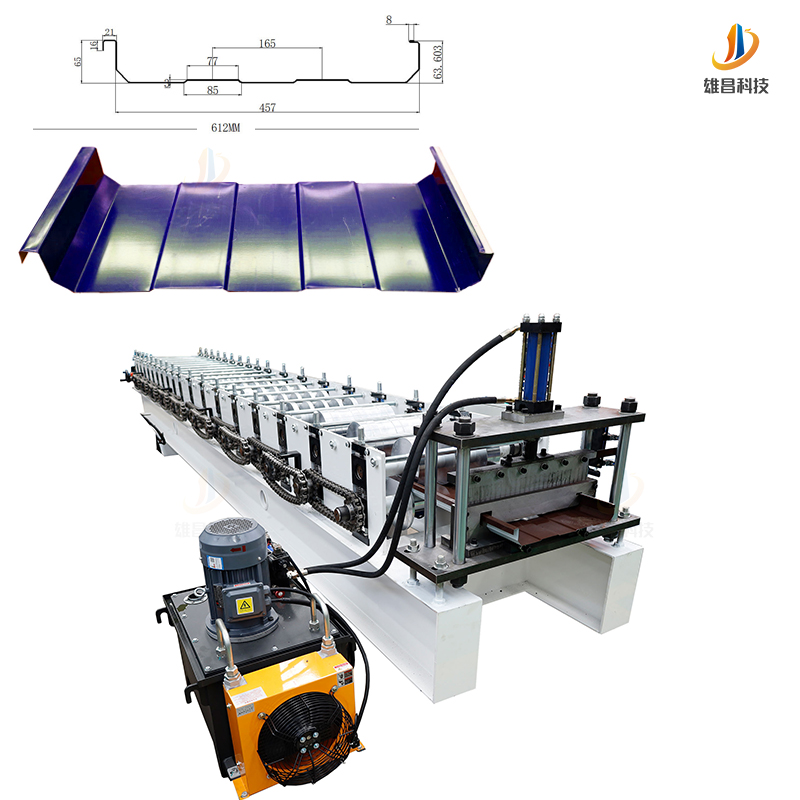
A sinusoidal wave roof sheet line for distributors and contractors that need familiar water-shedding geometry, coil-width flexibility and repeatable cut lengths for projects across Luxembourg, Belgium, France and Germany.
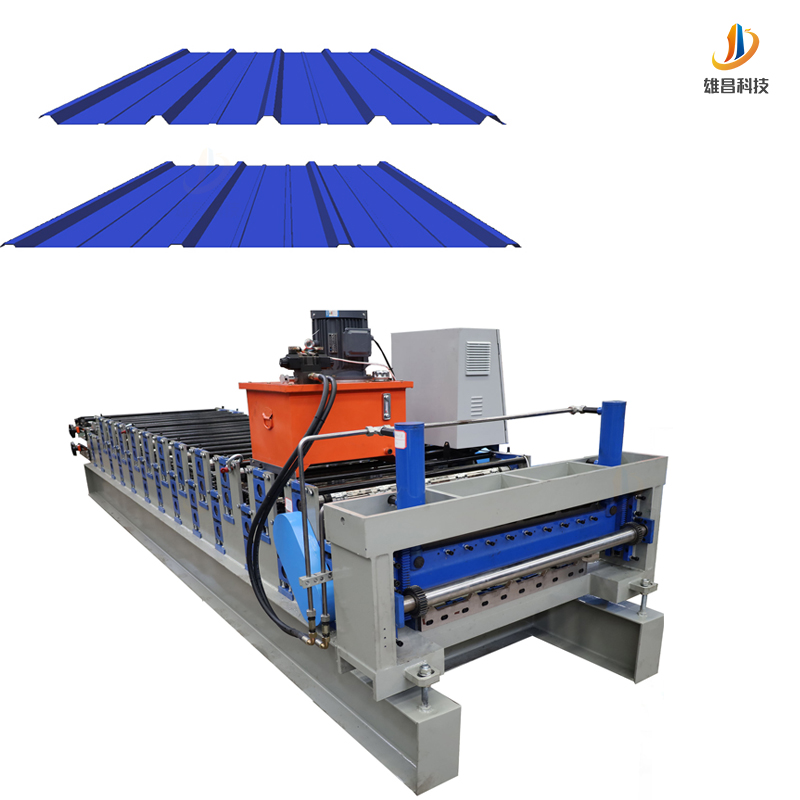
High-output IBR production for logistics parks, workshops, warehouse envelopes and industrial roofing factories serving Luxembourg’s cross-border construction market.
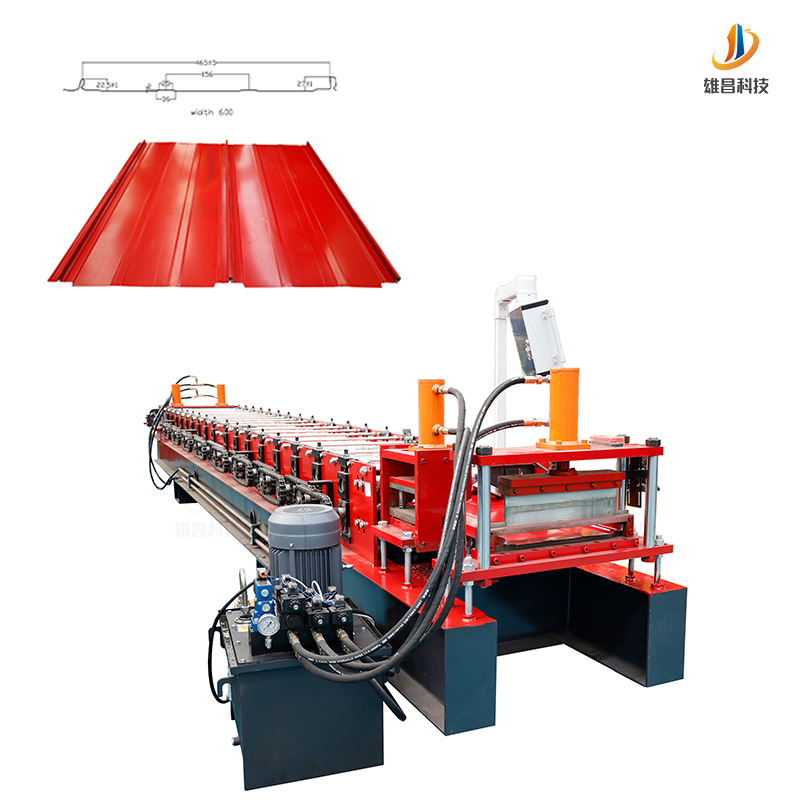
A PBR panel line for contractors who need long-span roofing, clean rib geometry, reliable cut-off and a practical balance between capital cost and daily output.
Luxembourg’s Business & Industrial Context: A Small Market with High Standards
Luxembourg is not only a domestic sales territory. It is a high-income, multilingual and highly connected European hub where a single machine investment may serve projects in Luxembourg City, Esch-sur-Alzette, Differdange, the Moselle corridor, Belgium, France and Germany. That cross-border reality changes how a corrugated wave roof tile roll forming machine should be specified: the line must be robust enough for daily production, flexible enough for different coil batches and documented well enough for specifiers, installers and maintenance teams.
The Grand Duchy has a deep steel and engineering heritage, a strong logistics and data-centre pipeline, EU institutions, financial services and a continuous need for housing, renovation, commercial space and public infrastructure. Buyers therefore tend to be technically literate. They compare not only price, but also roll pass design quality, coating protection at the bend, cut-length tolerance, spare-parts strategy and commissioning support. In a high-labour-cost market, downtime is expensive; a line that is difficult to set up or slow to change over can erase the apparent savings of a low-cost purchase.
For Luxembourg-bound equipment, practical details matter. The local supply is 230/400V, 50Hz. Documentation is usually expected in English, with French or German operator labels helpful for cross-border teams. Because Luxembourg is landlocked, machines normally arrive by sea freight through Antwerp, Rotterdam or Zeebrugge before road transport into the Grand Duchy. Machine footprint, container loading, lifting points and foundation drawings should be agreed before shipment, not after arrival.
Information gain for buyers: request a profile-specific proposal that states the forming station count, roller material, shaft diameter, drive configuration, cutting method, coil width range, line speed, power supply, documentation package and acceptance-test criteria. A quote without these details is not comparable.
Luxembourg specification insight: even when the roof profile is “standard”, the line should be engineered around your actual coil supplier, paint system, yield strength, required panel length and installation method. The roof profile is visible; the roll pass design is what protects the coating, controls edge wave and keeps the panel flat on site.
Global Industry Outlook
Global Roll Forming Industry Outlook: From Price Competition to Lifecycle Value
Across Europe, North America, the Middle East and Asia-Pacific, cold roll forming continues to move from a basic metal-shaping process toward a data-rich production asset. The strongest demand is not only for machines that can form a profile, but for lines that can prove repeatability, protect coated steel and support fast changeover.
Construction Demand
Metal Buildings, Logistics & Data Centres
Warehouses, logistics parks, data centres, retail units, agricultural buildings and prefabricated steel structures all depend on fast, consistent metal envelopes. Corrugated, IBR, PBR, standing seam, floor deck and purlin lines form the backbone of this supply chain.
Automation
Servo, PLC & Inline Quality Control
Buyers increasingly expect servo-assisted adjustment, encoder-controlled cutting, batch programming and fault diagnostics. Inline inspection, coil traceability and remote support are becoming differentiators, especially for high-cost European markets.
Higher-strength and coating-rich steels demand careful roll pass design to avoid coating cracks, edge wave and springback variation. Low-carbon steel initiatives and circular construction are pushing suppliers to document material flow, scrap and energy use.
Supply Chain
Resilience & Factory Acceptance
Global buyers are reducing risk through factory acceptance tests, video inspections and spare-parts planning. A machine is judged by its first panel and by its thousandth panel, not by its catalogue photo.
Prefabrication
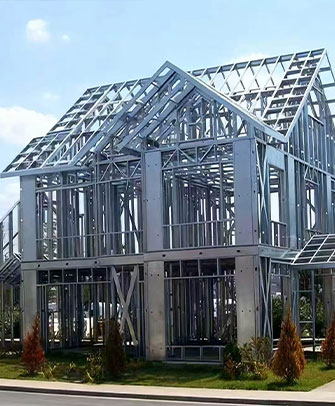
BIM, Off-Site Construction & Steel Framing
Light-gauge steel framing, floor deck and purlin production feed off-site construction. The machine must integrate with project drawings, hole positions, batch lengths and delivery sequencing.
Service
Lifecycle Support Becomes the Product
Remote commissioning, English/French/German documentation, blade and bearing kits, preventive maintenance schedules and operator training are now part of the investment case, not an afterthought.
Localised Applications
Where Corrugated Wave Roof Tile Lines Fit in Luxembourg & the Greater Region
The wave roof profile is familiar, efficient and visually adaptable. In Luxembourg and its neighbouring regions, its strongest opportunities sit where cost control, water shedding and fast installation must coexist with EU documentation and long service life.
Building Materials
Roofing Distributors & Merchant Yards
Produce corrugated, IBR and PBR sheets near the point of sale to shorten lead times, reduce freight damage and offer contractors faster replenishment for repair, renovation and new-build projects.
Contractors
Roofing & Cladding Installers
Wave profiles work well for industrial roofs, canopies, agricultural buildings, workshops and renovation work where long sheets and predictable lap geometry reduce site labour.
Steel Structures
Prefabricated Steel Buildings
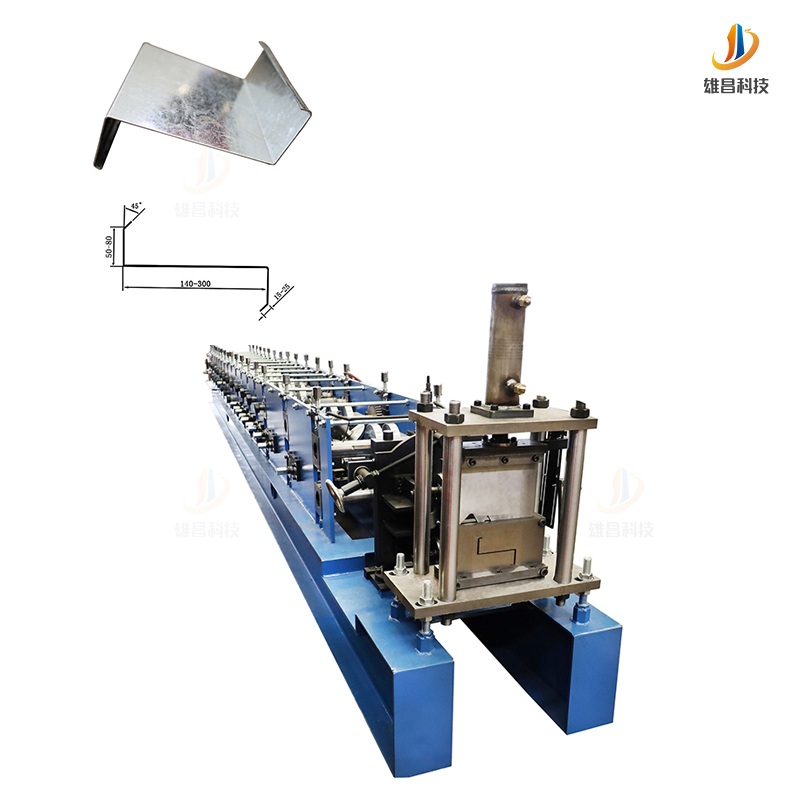
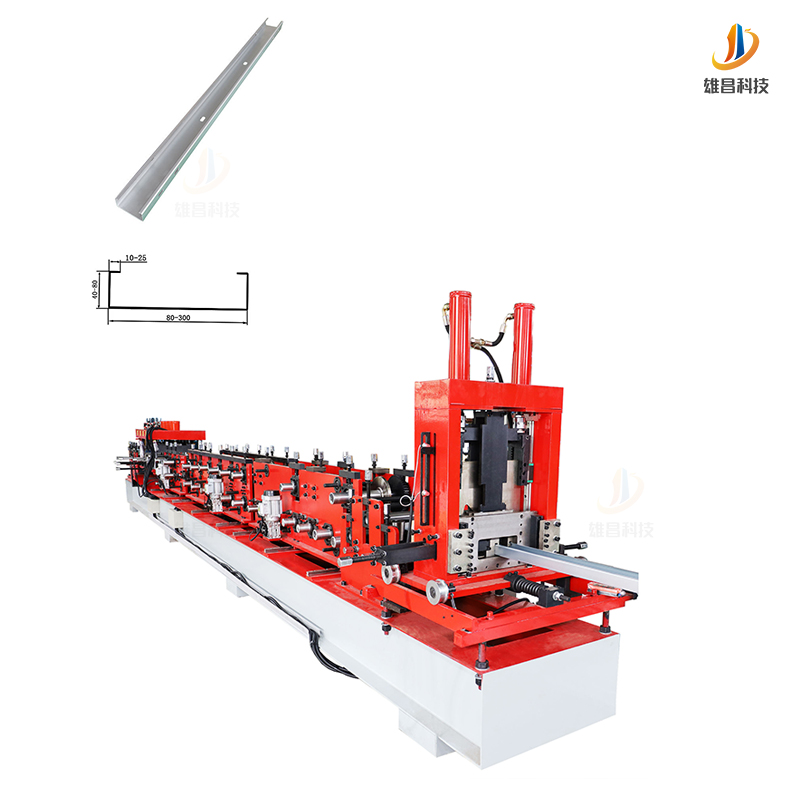
Combine roofing lines with C/Z purlin, floor deck and light-gauge steel equipment to supply complete building packages for warehouses, commercial units and mixed-use developments.
Logistics
Warehouses, Depots & Data Centres
Luxembourg’s logistics and digital infrastructure pipeline requires durable envelopes, fast erection and coordinated deliveries. Roll forming close to the project reduces transport risk.
Renovation
Residential, Agricultural & Municipal Buildings
Wave roof sheets are practical for outbuildings, agricultural shelters, municipal ancillary buildings and over-roofing where the profile must shed water effectively and install quickly.
Cross-Border
Belgium, France & Germany Projects
A single Luxembourg line may supply projects in three neighbouring countries. Multi-language HMI options, metric drawings and profile flexibility help contractors serve the wider Greater Region.
Six Industries, One Forming Expertise
XC Roll Forming Applications Beyond Roofing
XC’s engineering experience extends across building materials, automotive components, appliances, transportation, new energy and furniture systems. The common thread is repeatable cross-section geometry, efficient material use and production cells that fit real factory workflows.
Architecture & Building Materials
Roofing sheets, wall cladding, standing seam panels, floor decking and C/Z purlins for steel buildings, warehouses and residential projects.
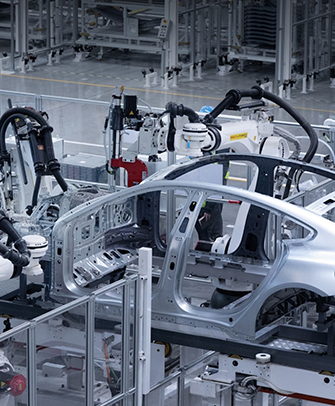
Automobile Manufacturing
Structural rails, door frame sections and reinforcement beams where repeatable cross-sections and length tolerance feed automated assembly.
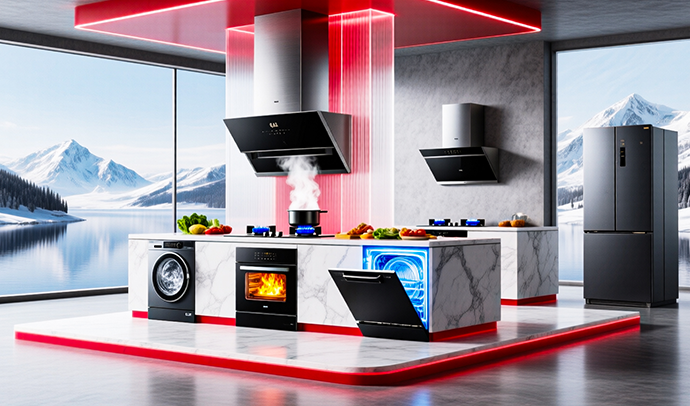
Home Appliances, Kitchen & Bath
Appliance side panels, cabinet frames and trim profiles formed from pre-painted or stainless coil with surface protection during forming.
Transportation
Container panels, truck body sections, railway car profiles and highway guardrails requiring rigid stands and accurate cut-off.
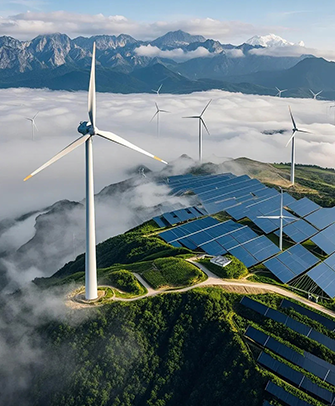
New Energy
Solar PV mounting rails, strut channels and support brackets benefiting from inline punching and fast size changeover.
Furniture & Office Equipment
Shelving uprights, racking beams, cabinet frames and partition studs where hole pitch and straightness make site assembly fast and safe.
Technology Roadmap
Technology Roadmap & Future Outlook for Corrugated Wave Roll Forming
The next generation of roll forming equipment will be judged by how well it combines mechanical rigidity with digital visibility. The roadmap below reflects the direction XC is engineering toward for export markets such as Luxembourg: more automation, better traceability and lower lifecycle risk.
2025–2026
Servo Assistance & Faster Changeover
Servo-assisted adjustment, quick-change cassettes, energy-efficient hydraulics and remote video commissioning reduce setup time and support smaller, mixed-profile batches.
2026–2027
Inline Inspection & Coil Traceability
Vision-based profile checks, encoder-linked batch records and coil batch tracking help manufacturers prove dimensional consistency and coating integrity to specifiers.
2028–2029
Digital Twin & Predictive Maintenance
Digital models of the line can simulate profile changes, predict roll wear and schedule maintenance before bearing damage becomes visible as strip tracking loss or panel defects.
2030+
Autonomous Changeover & Low-Carbon Materials
Higher automation, energy monitoring and material-compatible forming strategies will help producers process low-carbon steels, thinner high-strength grades and solar-ready roofing profiles.
Macro Industry Solutions
From a Single Machine to a Bankable Production Cell
A roll forming machine only creates value when coil flow, profile design, cutting, stacking, packing, maintenance and documentation work together. XC approaches each project as a production cell rather than an isolated piece of equipment.
Profile & Roll Pass Engineering
We review your drawing, sample or photo, then develop the flower pattern to control springback, edge wave, coating strain and rib accuracy. This is the technical core of every proposal.
Turnkey Line Integration
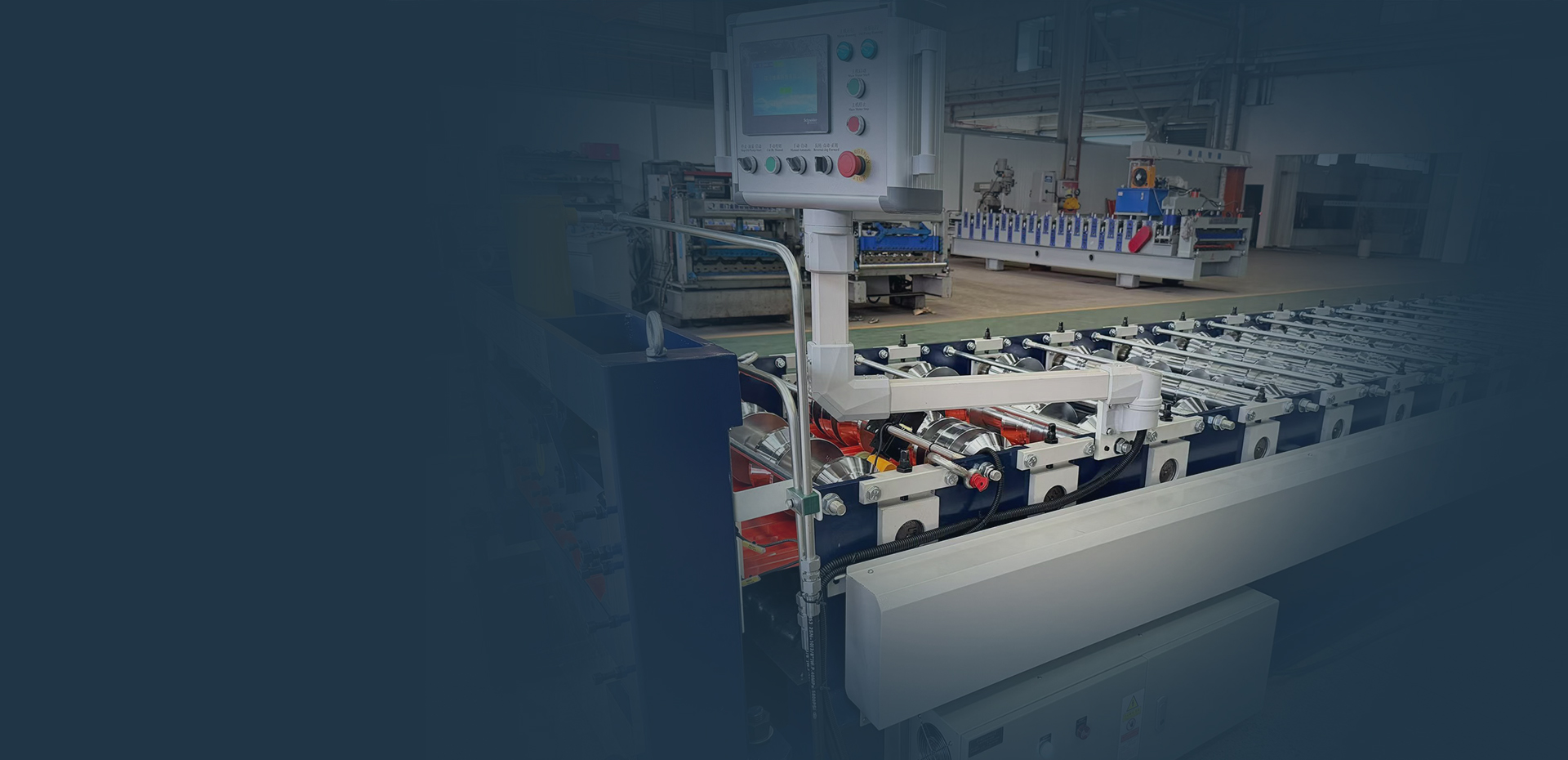
Decoiler, entry guide, forming mill, hydraulic cutter, PLC/HMI, output table and optional stacking are engineered as one line, with layout drawings and power requirements agreed in advance.
Compliance-Ready Documentation
English manuals, electrical diagrams, spare-parts lists and CE-oriented technical files help Luxembourg buyers align the machine with local specification, maintenance and safety expectations.
Factory Acceptance & Training
Every line is assembled and test-run with matching coil. Sample panels are measured, a video report is shared, and operators receive commissioning guidance before production starts.
Export Packing & Logistics
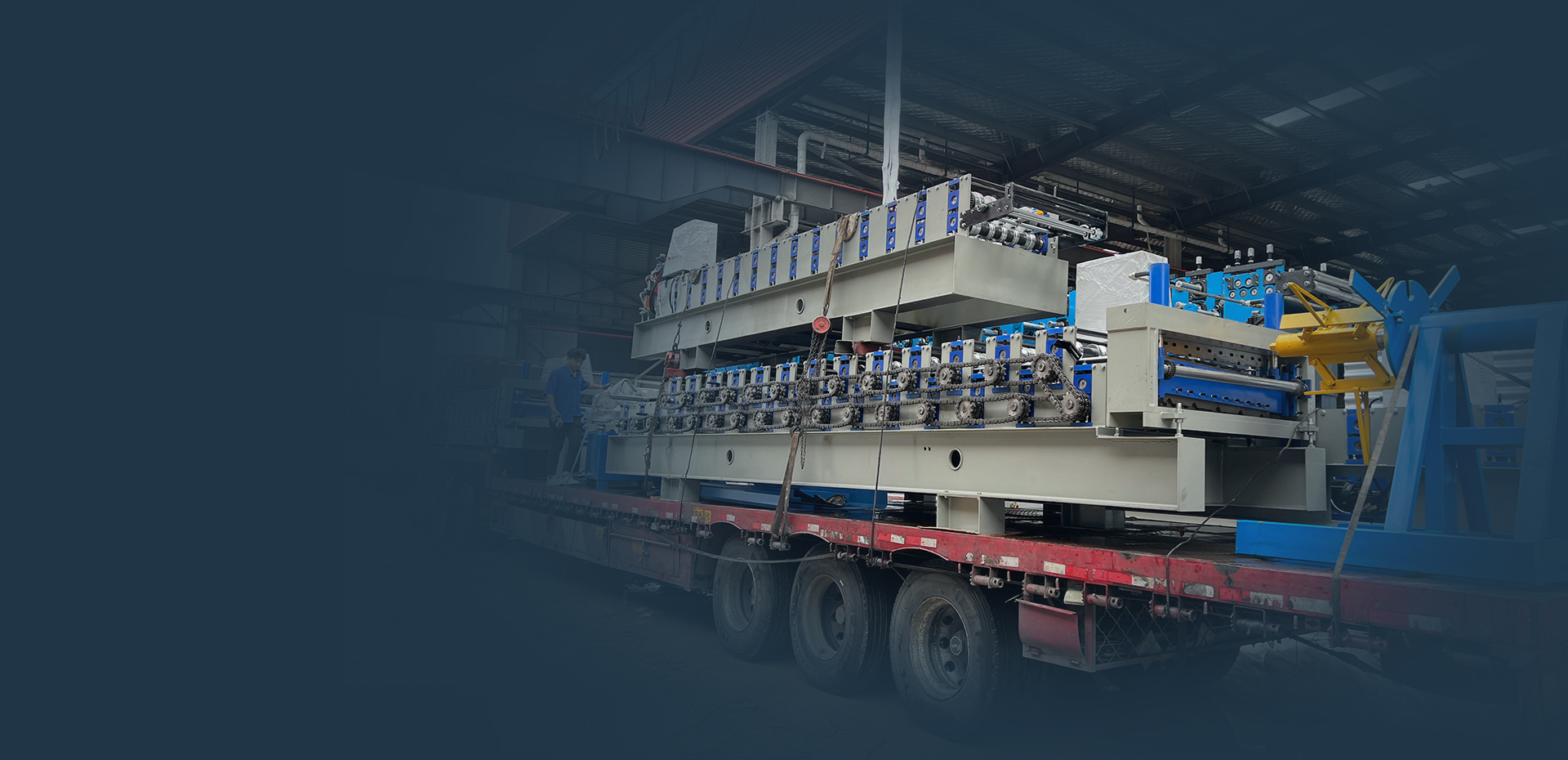
Heavy-duty export packing, lifting points, container loading plans and shipping documents are prepared for the route into Luxembourg via major Benelux ports.
Lifecycle Spares & Remote Support
Blades, bearings, rollers, sensors and electrical components can be supplied over the machine’s life, supported by remote diagnostics and optional on-site engineer service.
Inside a Cold Roll Forming Line
Five Stages That Decide Panel Quality
A corrugated wave roof tile line is only as good as its weakest station. These are the five stages XC engineers around your coil, profile and production target.
01
Decoiler & Coil Feeding
Controlled unwinding prevents strip wander, camber and twisted panels. Manual or hydraulic decoilers are matched to coil weight and inner diameter.
02
Entry Guiding
Adjustable guides square the strip to the roll centreline before the first pass. Correct alignment here largely decides the straightness of the finished panel.
03
Progressive Forming Stations
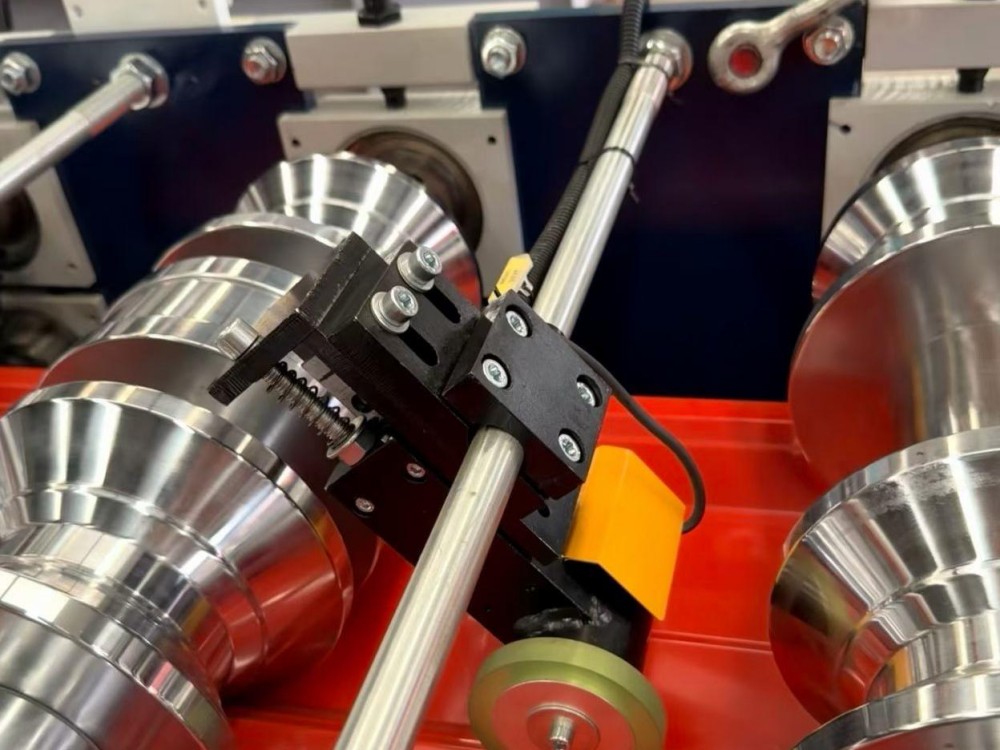
Each station bends the strip by a few degrees at a time. Roll pass design spreads strain evenly to protect zinc and paint coatings and avoid edge waves on thin coil.
04
Hydraulic Post-Cutting
An encoder measures strip travel and the PLC triggers a profile-matched blade. The result is clean cuts within ±1 mm without crushing ribs or seams.
05
PLC & HMI Control
A touch-screen HMI stores batch lengths and quantities, monitors faults and supports multi-language operation so new operators become productive quickly.
Factory Proof
Built in China, Tuned for Your Market, Tested Before Dispatch
XC supplies more than a machine. We deliver complete production lines, including decoiler, forming mill, punching, cutting, stacking and control system, engineered as one integrated unit. Every line is test-run with coil that matches your specification before packing.
100% factory test-runLines are assembled, aligned and run before shipment so profile issues are found in China, not on the Luxembourg shop floor.
One partner, every profileTrapezoidal, corrugated, glazed tile, standing seam, C/Z purlin, floor deck and light-gauge steel systems.
Export-ready deliveryPacking, lifting points, manuals, spare parts and commissioning support are planned before the container leaves the factory.
About XC XiongChang: An Integrated Roll Forming Specialist
Sichuan Xiongchang Technology Co., Ltd. (XC) designs and manufactures cold roll forming equipment for roofing, flooring, door and structural components, together with the auxiliary line equipment each system needs to run efficiently. The company was established in 2010, while its team brings more than 20 years of hands-on roll forming experience.
That experience shows in details buyers notice after installation: rollers that hold tolerance, coatings that do not crack at the bend, and panels that fit on the roof the first time. XC’s production base covers 50,000 m² for machining and assembly, with 2,000+ team members across engineering and production. More than 1,000 cooperative customers worldwide use XC lines for daily production.
Manufacturing facilityMachining, assembly and testing under one roof.
Profile capabilityFrom roof and wall profiles to structural sections and decking.
Industry solutionTurnkey cold roll forming lines engineered as one integrated production unit.
Equipment supply & supportEnglish manuals, electrical diagrams, spare parts and remote or on-site commissioning.
Proven expertise & innovationTwo decades of profile development across roofing, structural and decking applications.
Built for performance & longevityRigid frames, precision shafts and hard-chrome plated rollers.
Commitment to customer successPre-sale profile review, commissioning and spare-parts support from one accountable team.
Buyer’s Specification Guide
Compare Roll Forming Machines Before You Request a Quote
Quotes are only comparable when the specifications are. Use these indicative ranges and the key check for each machine type to judge any supplier’s offer, including ours.
Indicative specification ranges for common roll forming machine types
Embossing pattern and frame rigidity for deck depth
Ranges reflect typical XC configurations for reference only. Final parameters are engineered to your profile drawing, material yield strength, output target and site power supply.
How We Work
From Profile Drawing to First Panel
A transparent five-step process, so overseas buyers know exactly what happens and when.
01
Profile & Coil Review
Send your drawing, sample or photo plus coil data. Engineers check that the profile can be formed and flag risks.
02
Roll Pass Design & Proposal
You receive station count, roller material, drive and cutting system, power configuration and a confirmed schedule.
03
Manufacturing & QC
Frames, shafts and rollers are machined and assembled in-house, with inspection at each critical stage.
04
Trial Run & Acceptance
The line runs with coil matching your specification. Samples are measured, and a video report is shared for approval.
05
Shipping & Commissioning
Export packing, documentation, then remote or on-site installation and operator training.
Engineering Insights
Field Knowledge from Our Engineers
These are the practical issues that decide whether a line produces profit or problems: roll forming advantages, bearing condition and coating cracking at the bend zone.
Guide
Roll Forming Advantages and Applications
Why continuous roll forming beats press braking for long, consistent profiles, and which industries gain the most from it.
Use these category resources to compare machine families, review applications and brief your engineering team before requesting a Luxembourg-specific proposal.
What information do I need to send for an accurate roll forming machine proposal?
Send your profile drawing or a photo of a sample panel, material type (PPGI, GI, Galvalume or black steel), thickness range, yield strength, coil width, required output per shift, and your local voltage and frequency. For Luxembourg, also confirm whether you need 230/400V 50Hz, French/German operator labels, and delivery to a specific site or port of entry. With these details our engineers can define the number of forming stations, roller material, cutting system and motor power.
Can XC build a roll forming machine for a local or non-standard profile?
Yes. Most XC machines are built to order. Our engineers develop the roll pass design (flower pattern) from your drawing or sample, so regional profiles such as IBR, Tuff-Rib, Klip-Lok style or Spanish-style tiles can be matched closely. For cross-border Luxembourg projects, we can review profiles used in Belgium, France and Germany before finalising the station count.
How is machine quality verified before shipment?
Every line is assembled and test-run in our factory with coil that matches your specification. Sample panels are measured against your drawing, and a trial-run video plus inspection photos are shared for your approval before packing. This factory acceptance step is especially important for buyers importing into Luxembourg because travel for rework is costly.
What is the typical lead time for a roll forming machine?
Standard roofing sheet lines are commonly ready within 30 to 45 working days after drawing confirmation. Purlin, floor deck, double layer and fully customised lines may take longer. The confirmed schedule is stated in each proposal, including time for factory testing, export packing and documentation.
What after-sales support does XC provide to overseas buyers?
XC provides English manuals and electrical diagrams, remote video guidance for installation and commissioning, on-site engineer service on request, and spare parts supply such as blades, bearings and electrical components. For Luxembourg, we can discuss French or German operator-label support and a recommended spare-parts kit for the first production year.
Can machines be configured for my local power supply?
Yes. Motors, hydraulic stations and control cabinets are configured to your site voltage and frequency, for example 220V, 380V, 415V or 440V at 50Hz or 60Hz, with HMI language options for operators. Luxembourg projects normally use 230/400V, 50Hz; this should be confirmed on the proposal and electrical drawing.
How do you support CE marking and EU standards for Luxembourg buyers?
We provide CE-oriented technical documentation, electrical diagrams, safety-related information and Declaration of Performance input data where applicable. The machine itself must be integrated into your local risk assessment and site compliance process. For steel products, specifiers may also reference EN 508, EN 14782, Eurocodes or EN 1090 requirements for related steelwork. Our engineers can align the line’s dimensional repeatability and documentation with those expectations.
What is the most practical shipping route to Luxembourg?
Because Luxembourg is landlocked, machines are usually shipped by sea to Antwerp, Rotterdam or Zeebrugge and then transported by road. We prepare export packing, lifting points, container loading plans and shipping documents. If you prefer a different route or a consolidation warehouse in the Benelux region, we can quote accordingly.
Can one line serve projects in Belgium, France and Germany?
Yes, with the right profile strategy. A Luxembourg-based fabricator may use one corrugated wave line for several regional profiles, or combine a double-layer line with a standing seam line to serve different market segments. We will review coil width, profile changeover time, HMI language and documentation needs before recommending a configuration.
How do we start a Luxembourg-specific inquiry?
Send your profile drawing or sample photo, material and thickness range, required daily output, coil supplier information, site voltage and destination. Add any Luxembourg or EU documentation requirements you already know. Our engineers will respond with a technical proposal covering roll pass design, machine layout, utility requirements, factory acceptance criteria and commercial terms. Use the Send Inquiry Now button to begin.
More Luxembourg-Ready Systems
Eight Additional Roll Forming Machines for Luxembourg & Cross-Border Projects
From standing seam and purlin lines to glazed tile, light-gauge steel and double-layer roofing, these eight systems complete the XC range for building-material producers, steel contractors and prefabrication factories serving the Greater Region.
Planning a Luxembourg Roofing or Steel Construction Line?
Send your profile drawing, coil data and output target. XC engineers will respond with a technical proposal, machine layout and factory acceptance plan.