ODM roll forming · Factory 4.0 supply · Global commissioning
ODM Tuff Rib Sheet Making Machine Manufacturers & Companies
A profile-first procurement guide for Tuff-Rib, AG panel and metal roofing roll forming lines, written for buyers who need verifiable engineering, resilient supply chains, localized voltage and coil specifications, and measurable total cost of ownership rather than a boxed catalogue machine.
20+ years of roll forming experience50,000 m² production base±1 mm cut-length control1,000+ cooperative clients
Banner product showcase · 8 selected ODM machines
ODM Tuff Rib Sheet Making Machine Product Series
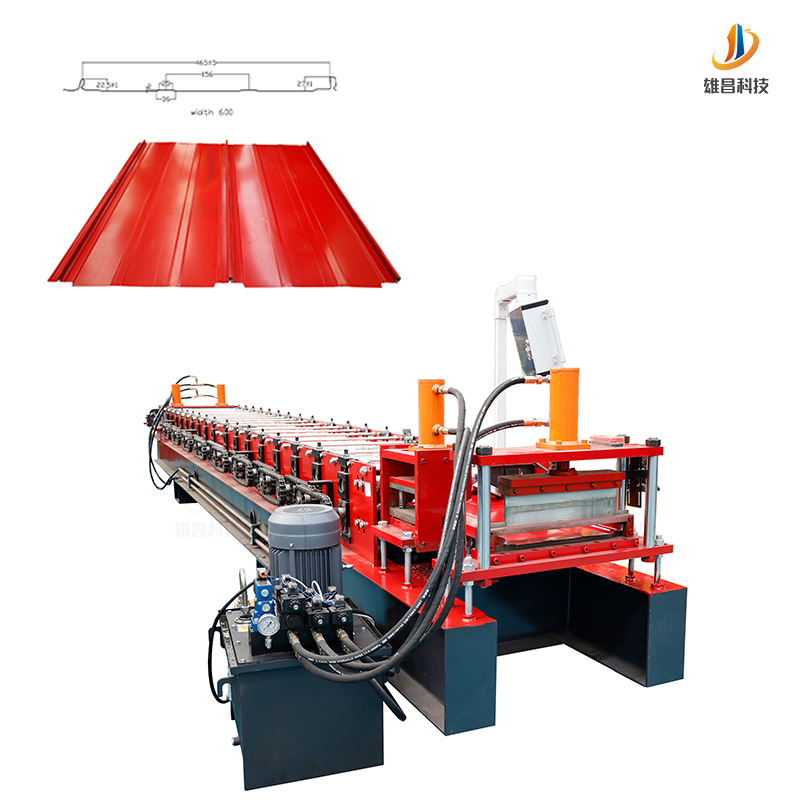
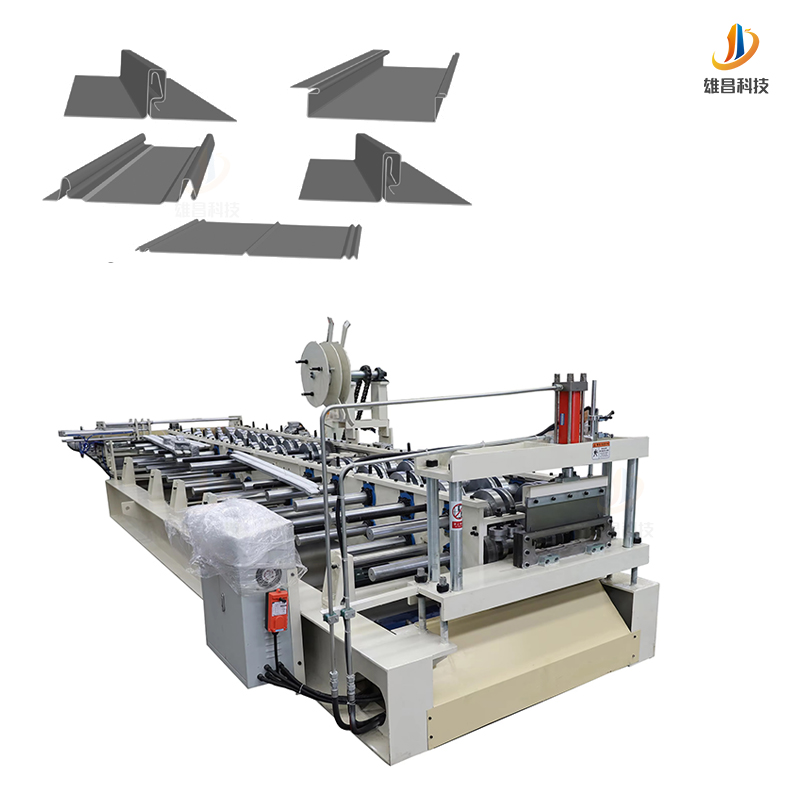
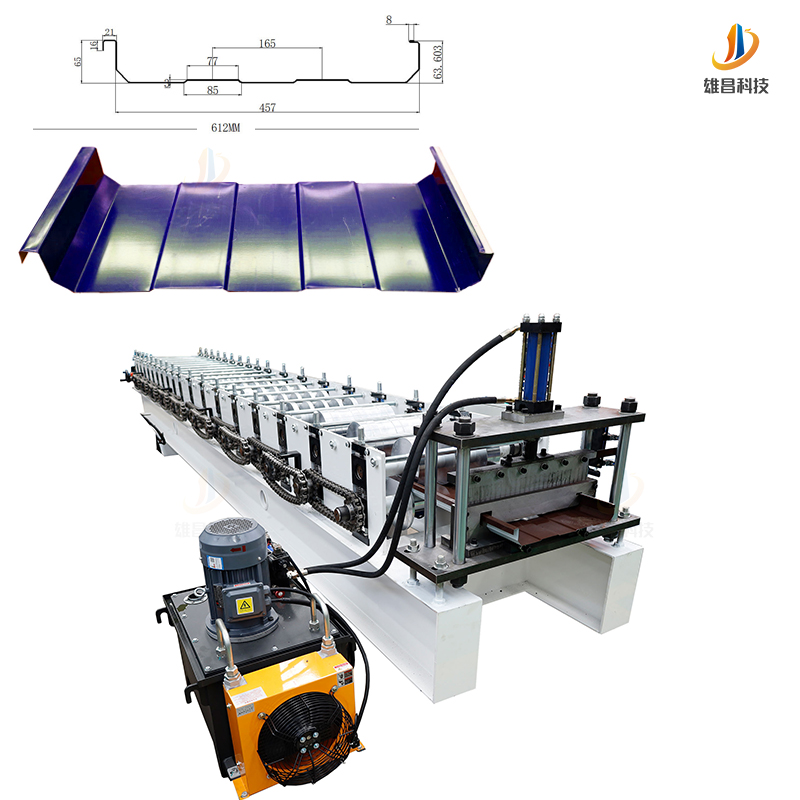
The first eight product links preserve the original XC machine catalogue entry points. Each line can be engineered around local panel profiles, material yield strength, coil coating, voltage, frequency and HMI language. Use these links as starting points for a profile-first technical review.
Category clarity · What buyers are really ordering
What Is an ODM Tuff Rib Sheet Making Machine?
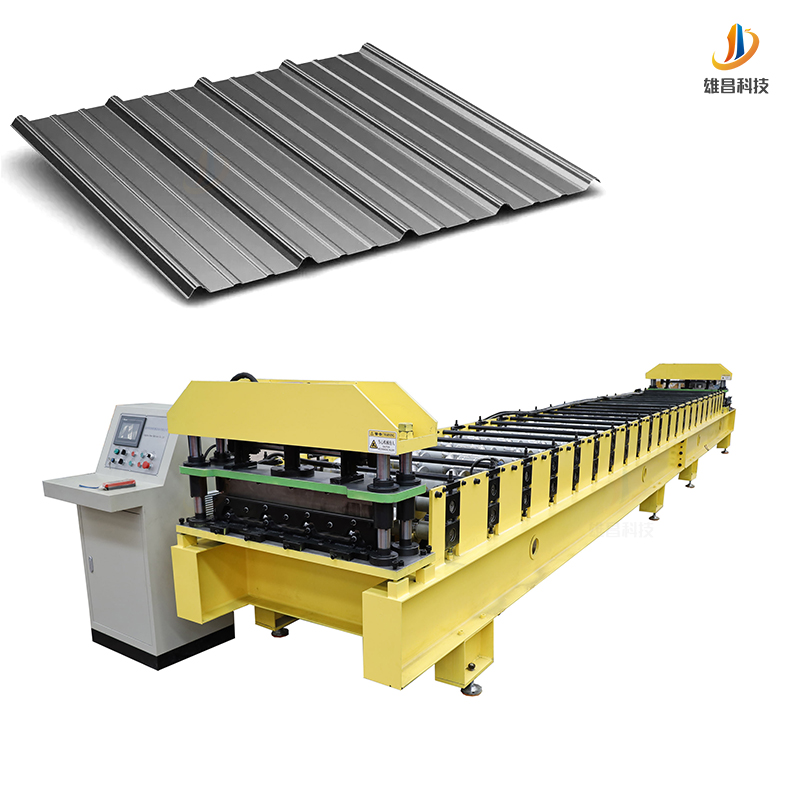
A Tuff-Rib sheet making machine is a continuous cold roll forming line that converts coated steel coil into an exposed-fastener, ribbed roofing and wall panel. In North America the family is often described as Tuff-Rib, AG panel, R-panel, PBR panel or utility panel depending on rib geometry, coverage width, lap detail and structural rating. The machine is not a generic “roofing machine”; it is a product system built around a specific flower pattern, coil specification and installation method.
An ODM Tuff Rib Sheet Making Machine programme goes beyond catalogue assembly. The manufacturer or company takes responsibility for profile interpretation, roll pass design, station count, shaft and bearing selection, hydraulic cutting, PLC logic, safety guarding, factory acceptance testing and export documentation. That is why serious buyers compare the engineering basis of a quotation before comparing the price of steel frames. Two lines may look similar in a photograph but perform very differently after 2,000 hours of production, especially when coil thickness varies, paint systems differ or the local market requires a non-standard rib height.
Typical Tuff-Rib and AG panel lines run coated steel from approximately 0.30 mm to 0.80 mm, with 12 to 30 forming stations depending on profile complexity and speed. The key output is not simply a corrugated sheet: it is a panel that laps cleanly, fastens without deformation, drains predictably and maintains cover width. For a manufacturer, that means profile repeatability, coating protection and cut-length accuracy are commercial assets, not workshop details.
Profile-first engineering from a drawing, sample panel or photograph.
Roll pass design matched to yield strength, coating and thickness range.
Hydraulic post-cutting with encoder control for clean, repeatable lengths.
PLC/HMI recipes for batch sizes, lengths and fault diagnosis.
Factory acceptance test with coil close to the buyer’s specification.
20+Years of roll forming industry experience
50,000m² factory area for machining and assembly
1,000+Cooperative customers worldwide
2,000+Team members across engineering and production
Industry direction · 2026 and beyond
Industry Trends Reshaping Tuff-Rib and AG Panel Production
Tuff-Rib lines sit at the intersection of agriculture, light industry, metal building systems, warehousing and cost-sensitive residential construction. The strongest growth trend is not simply more machines; it is more profile-specific, serviceable and locally compatible production capacity.
Exposed-fastener economics
Post-frame buildings, agricultural barns, workshops and storage facilities continue to favor exposed-fastener panels because they offer fast installation, predictable material cost and straightforward repair. For manufacturers, this creates demand for compact Tuff-Rib lines that can switch between panel lengths and coil colors without long changeovers.
Coating-specific forming
Galvalume, G90 galvanized, AZ50 and pre-painted systems behave differently at the bend line. Buyers increasingly ask for roll pass designs that protect zinc and paint rather than merely producing a shape. “No coating crack” is becoming a contractual expectation, not a polite request.
Small-batch flexibility
Distributors no longer want to run one colour and one length for a month. They want recipe-driven production, short runs and quick recovery after a material change. PLC/HMI batch storage, encoder cut-to-length control and accessible changeover points are now core buying criteria.
Factory 4.0 supply discipline
Global buyers want evidence of process control: laser cutting, CNC roll turning, traceable bearing selection, assembly checklists and video-based factory acceptance. The machine is expected to arrive with documentation, not just a shipping crate and a hand drawing.
Localized power and HMI
Machines are being specified for 220V, 380V, 415V or 440V at 50Hz or 60Hz, with multilingual HMI, local safety expectations and spare-part strategies. A machine that cannot be commissioned cleanly on site is a delay, regardless of its theoretical speed.
Lifetime cost over lowest quote
Savvy buyers compare roller material, shaft diameter, frame rigidity, hydraulic reliability, spare-part availability and support response. A lower initial price can be expensive if the line loses tolerance, damages coatings or stops production during a peak roofing season.
Global procurement demand
What Global Buyers Require From Tuff-Rib Machine Companies
Procurement teams in different regions are solving different problems. A single machine design cannot be copied and pasted across markets without profile, power, safety, coating and service adjustments. The most competitive manufacturers are those that can document those adjustments before shipment.
North America
Buyers often request Tuff-Rib, AG panel or PBR-adjacent profiles with 29 or 26 gauge coil, 36-inch coverage logic, clean lap fit and fast changeover. They pay attention to UL-related panel assemblies, local electrical codes, guard design, forklift handling and spare-part availability. A supplier that can discuss rib height, coverage and coil yield fluently is more credible than one that only quotes “15 m/min”.
Latin America
Demand is strong in agricultural sheds, workshops, warehouses and residential roofing. Buyers often prefer economical galvanized or pre-painted coil, 0.35–0.60 mm thickness, simple operation and Spanish-language HMI. Correct motor voltage, robust frame and remote commissioning support matter because site conditions may vary from project to project.
Europe
European buyers ask for CE-related documentation, guarding, noise consideration and conformity with local safety expectations. They may also require non-standard profiles, tighter surface protection and traceability of critical components. The winning supplier is not necessarily the cheapest; it is the one whose technical file and factory acceptance report are complete.
MENA
Heat, dust, corrosion and 415V/50Hz power are common considerations. Buyers may run long production shifts for industrial roofs, warehouses and cold-chain facilities. Hydraulic cooling, electrical cabinet protection, coating selection and high-output cutting systems deserve specific attention in the technical proposal.
Southeast Asia
Humidity and coastal corrosion make material and coating protection critical. Many buyers want compact lines, fast installation and economical capital investment. A Tuff-Rib line that can produce multiple panel lengths from one coil, with simple maintenance and locally available electrical components, often wins over a high-specification line with poor service support.
Africa
Infrastructure, agriculture, mining camps and warehouse projects are creating steady demand for metal roofing. Buyers need practical commissioning, English or French documentation, durable spare parts and clear operator training. Suppliers who can support remote diagnosis and container-optimized packing reduce the risk of long production interruptions.
China Factory 4.0 · Supply-chain resilience and efficiency
China Factory 4.0: Why ODM Manufacturing Is More Than Low-Cost Fabrication
A modern Chinese roll forming factory competes on engineering coordination, machining depth and supply-chain responsiveness. The strongest suppliers combine in-house roll turning, CNC machining, assembly, electrical integration, test running and export logistics. That integration shortens the loop between a drawing query and a corrected roll pass, and it gives the buyer a single accountable technical partner.
For Tuff-Rib programmes, supply-chain resilience shows up in specific ways: buffer stock of bearings and blades, controlled roller material batches, modular frames that pack efficiently, dual-source electrical components where appropriate, and a factory acceptance test that can be witnessed remotely. Efficiency shows up in lead time, changeover simplicity, spare-part identification and the quality of documentation provided to the commissioning team.
Industry solution: turnkey cold roll forming with decoiler, forming mill, punching, cutting, stacking and control system engineered as one unit.Equipment supply and after-sales support: English manuals, electrical diagrams, spare parts and remote or on-site commissioning.Factory acceptance testing with coil matching the buyer’s specification before export packing.
Procurement question
Traditional catalogue buying
ODM Factory 4.0 approach
Profile fit
Closest existing drawing
Roll pass design from drawing, sample or photo
Coil compatibility
Generic thickness range
Material yield strength, coating and thickness range reviewed together
Quality evidence
Photos before shipping
Factory acceptance test, measured samples, trial-run video and inspection report
Lead-time control
Price-only quotation
Station count, machining sequence, electrical integration and confirmed schedule
After-sales
Spare-part catalogue
Remote diagnosis, English manuals, on-site engineer option and identified critical spares
Localization
Standard voltage assumed
220V, 380V, 415V or 440V at 50Hz or 60Hz plus HMI language options
Global commercial and industrial status
Where Tuff-Rib and Metal Roofing Demand Is Moving
The global commercial and industrial picture is mixed but structurally positive for metal building products. Warehousing, cold chain, agricultural modernization, infrastructure, data centers, solar-ready buildings and factory relocation all require durable, fast-to-install envelope systems. At the same time, higher interest rates and labor costs push buyers toward materials that shorten site time and reduce rework.
Agriculture and post-frame
Barns, poultry houses, equipment shelters and storage buildings remain a strong base for Tuff-Rib and AG panel production. Buyers value long panel capability, simple laps and low maintenance under dust, moisture and seasonal temperature swings.
Warehousing and light industry
Distribution centers, workshops and factories require wall cladding, roof sheets and utility panels. Producers that can supply multiple colors and lengths with short lead times gain advantage over import-only distributors.
Cold chain and food facilities
Corrosion resistance, cleaning and vapor control influence material selection. Machine buyers should specify coating protection and forming practices that do not compromise the panel surface.
Infrastructure and public works
Transport shelters, utilities, site offices and maintenance facilities create steady demand for utilitarian metal envelopes where installation speed and repair simplicity matter.
Residential and mixed-use
Metal roofing is gaining share in regions exposed to wind, hail, fire or heavy rain. Tuff-Rib and AG-profile panels offer a practical balance of cost, speed and appearance for many residential and mixed-use projects.
Solar-ready buildings
As rooftop solar expands, metal roofing systems must be specified for load paths, penetrations and coating compatibility. Machine suppliers increasingly support profile adjustments and panel lengths that simplify solar mounting.
Localized application scenarios
Six Application Families for Tuff-Rib and AG Panel Lines
The same machine concept can serve different industries, but the commercial specification changes. A line optimized for agricultural panels may not be the best choice for architectural standing seam. Local application knowledge prevents over-specification and under-performance.
Architecture and building materials
Architecture and building materials
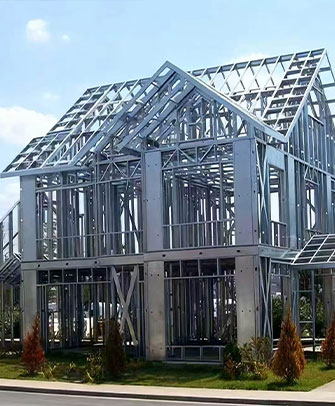
Roofing sheets, wall cladding, standing seam panels, floor decking and C/Z purlins form the core of modern steel buildings, warehouses and residential projects. Tuff-Rib lines support the utility end of this market with fast production and straightforward installation.
Automobile manufacturing
Automobile manufacturing
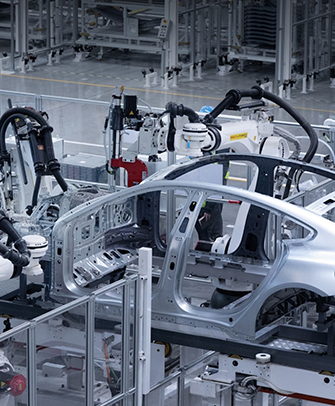
Roll formed structural rails, door frame sections and reinforcement beams require repeatable cross-sections and tight length tolerances. The same engineering discipline used for Tuff-Rib roll pass design supports automotive and transport component programmes.
Home appliances, kitchen and bath
Home appliances, kitchen and bath
Appliance side panels, cabinet frames and trim profiles formed from pre-painted or stainless coil demand surface protection during forming. Roll material and pass sequence must protect the finish as carefully as the dimensions.
Transportation
Transportation
Container panels, truck body sections, railway car profiles and highway guardrails are long, heavy-gauge parts that need rigid stands, accurate cut-off and stable feeding. These requirements reinforce the value of sturdy frames in any roll forming line.
New energy
New energy
Solar photovoltaic mounting rails, strut channels and support brackets are high-volume parts that benefit from inline punching and fast size changeover. These capabilities transfer directly to efficient roofing-panel production.
Furniture and office equipment
Furniture and office equipment
Shelving uprights, racking beams, cabinet frames and partition studs depend on consistent hole pitch and straightness. The same precision expectations apply to roofing panels, where lap fit and cover width determine installation speed.
Local examples: North American post-frame and AG buildings; Latin American agricultural sheds and workshops; MENA warehouses and cold stores; Southeast Asian coastal workshops and commercial roofs; African mining camps and light industrial buildings. In each case, wind uplift, corrosion category, snow load, coil supplier and installation labor determine the final machine specification.
Engineering anatomy
Inside a Tuff-Rib Sheet Making Line: Five Stages That Decide Quality
A Tuff-Rib line is a chain of dependencies. A strong hydraulic cutter cannot compensate for unstable feeding; a modern PLC cannot correct a poor flower pattern. Buyers should inspect the entire line as one production system.
01
Decoiler and coil feeding
Manual or hydraulic decoiling must deliver stable tension without strip wander. Consistent unwinding prevents camber and twisted panels before the first forming pass.
02
Entry guiding
Adjustable guides square the strip to the roll centreline. Correct alignment here strongly influences finished panel straightness and lap fit.
03
Progressive forming stations
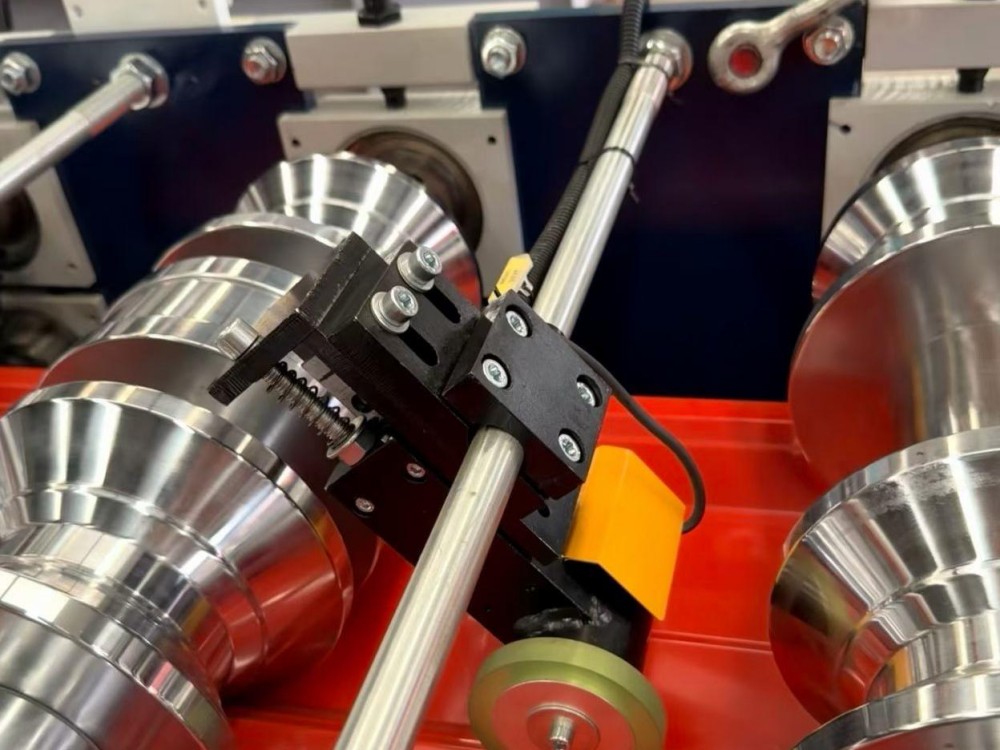
Each station bends the strip gradually. A well-designed flower pattern spreads strain evenly, protects zinc and paint, and minimizes edge waves on thin coil.
04
Hydraulic post-cutting
An encoder measures strip travel and triggers a profile-matched blade. Clean cuts within ±1 mm avoid crushed ribs, burrs and poor end laps.
05
PLC and HMI control
Recipes store lengths, quantities and batch logic. Fault messages, multilingual screens and simple navigation help local operators become productive quickly.
What to ask for in a Tuff-Rib technical offer: station count and roll diameter; shaft diameter and material; roller material and surface treatment; motor power and drive type; cutting method; encoder brand; PLC/HMI configuration; safety guarding; coil width and thickness range; line speed under the buyer’s material; and the exact acceptance-test method.
Buyer’s specification guide
Compare Roll Forming Machines Before You Request a Quote
Quotes are only comparable when the specifications are. Use these indicative ranges and the key check for each machine type to judge any supplier’s offer, including XC’s.
Embossing pattern and frame rigidity for deck depth
Ranges reflect typical configurations for reference only. Final parameters are engineered to the buyer’s profile drawing, material yield strength, output target and site power supply.
Supplier evaluation checklist
How to Evaluate an ODM Tuff-Rib Machine Manufacturer
1. Profile evidence
Ask for the proposed flower pattern, station sequence and strip-width calculation. A serious manufacturer can explain how the profile will be formed, not simply state that it has a “similar mould”.
2. Material and coating review
Confirm the exact coil type, thickness range, yield strength, zinc coating and paint system. The roll pass design and roller finish should reflect those inputs.
3. Mechanical details
Check shaft diameter, roller material, bearing selection, frame construction, gearbox/drive arrangement and hydraulic system. These details determine tolerance retention and maintenance cost.
4. Control and safety
Review PLC/HMI brand, recipe storage, encoder control, emergency stops, guarding, electrical cabinet protection and local voltage compatibility.
5. Factory acceptance test
Require a test run with representative coil, measured sample panels, a video report and inspection photos before shipment. This is one of the strongest quality signals available to an overseas buyer.
6. Total cost of ownership
Compare spare-part prices, expected roller life, changeover time, energy consumption, commissioning support and documentation. The lowest quote is rarely the lowest lifetime cost.
About XC · Experience, expertise and accountability
An Integrated Roll Forming Specialist
Sichuan Xiongchang Technology Co., Ltd. (XC) designs and manufactures cold roll forming equipment for roofing, flooring, door and structural components, together with the auxiliary line equipment each system needs to run efficiently. The team brings more than 20 years of hands-on roll forming experience, and that experience appears in details buyers notice after installation: rollers that hold tolerance, coatings that resist cracking at the bend and panels that fit on the roof the first time.
Design from drawing, sample or photo for local and non-standard profiles.
In-house machining and assembly, with inspection at critical stages.
Video acceptance and sample measurement before payment balance.
English manuals, electrical diagrams and lifetime technical support.
Remote video guidance and on-site engineer service on request.
Spare parts supply including blades, bearings and electrical components.
Two decades of profile development across roofing, structural and decking applications. XC has solved edge waves, flare and coating cracks that cheaper machines leave to the buyer.
Built for performance and longevity
Rigid frames, precision-machined shafts and hard-chrome plated rollers keep profiles within tolerance shift after shift, protecting margin and reputation with contractors.
Commitment to customer success
Engineers answer technical questions directly, from pre-sale profile review to commissioning and spare parts, so buyers have one accountable team for the life of the machine.
Multi-profile capability: trapezoidal, corrugated, glazed tile, standing seam, C/Z purlin and floor deck.Global supply: local profiles, voltages and coil standards, with commissioning support worldwide.Custom cold roll forming lines engineered from drawings and tested before shipment.
Product architecture
XC Roll Forming Machine Categories by Application
Every model is configured to coil thickness, yield strength, profile drawing and site power supply. Standard catalogues are a starting point, not a limit.
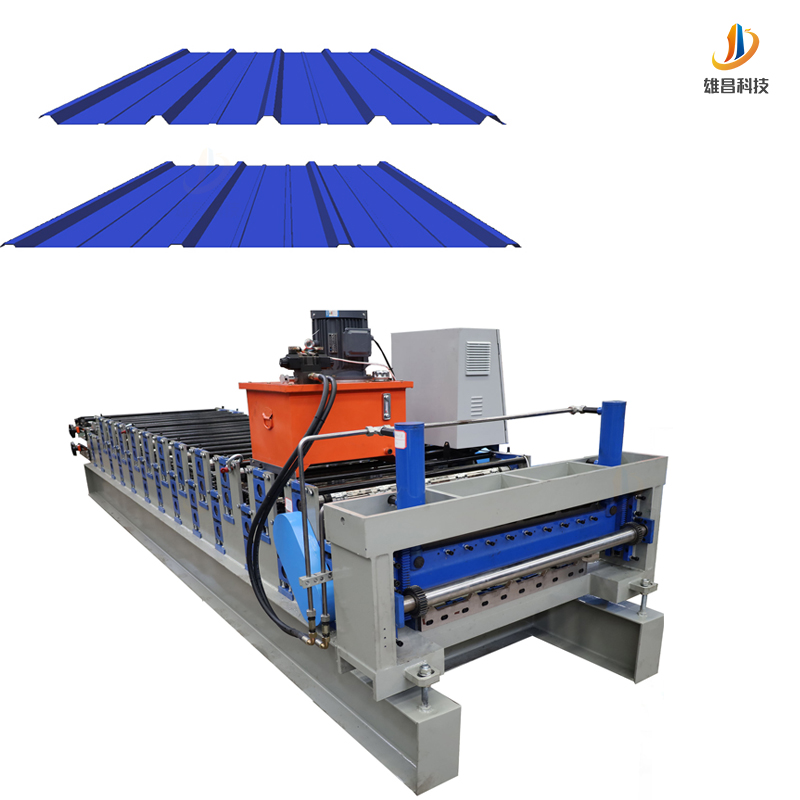
Double layer roll forming machine
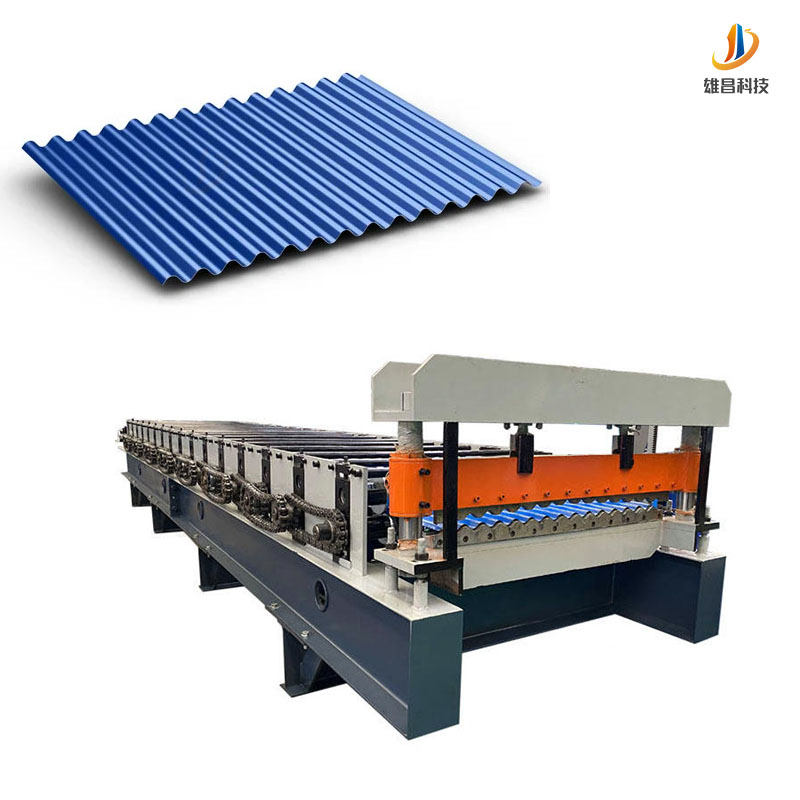
Two roofing profiles on one frame, such as trapezoidal and corrugated, reducing floor space and capital cost for suppliers serving mixed markets.
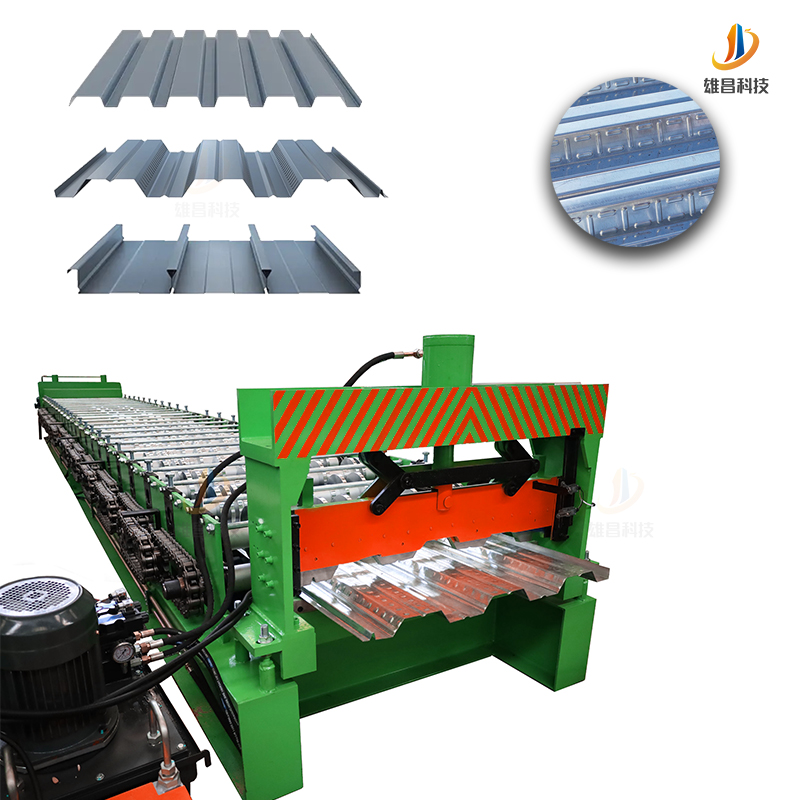
Converts galvanized coil into composite floor decking. Embossing rolls create the mechanical bond with concrete, while a heavy-duty frame holds deck depth and cover width.
What information do I need to send for an accurate Tuff-Rib roll forming machine proposal?
Send your profile drawing or a photo of a sample panel, material type (PPGI, GI, Galvalume or black steel), thickness range, yield strength, coil width, required output per shift, and your local voltage and frequency. With these details our engineers can define the number of forming stations, roller material, cutting system and motor power. For Tuff-Rib and AG panel projects, also state rib height, cover width, lap detail and whether the panel is for roof, wall or both.
Can XC build a roll forming machine for a local or non-standard Tuff-Rib profile?
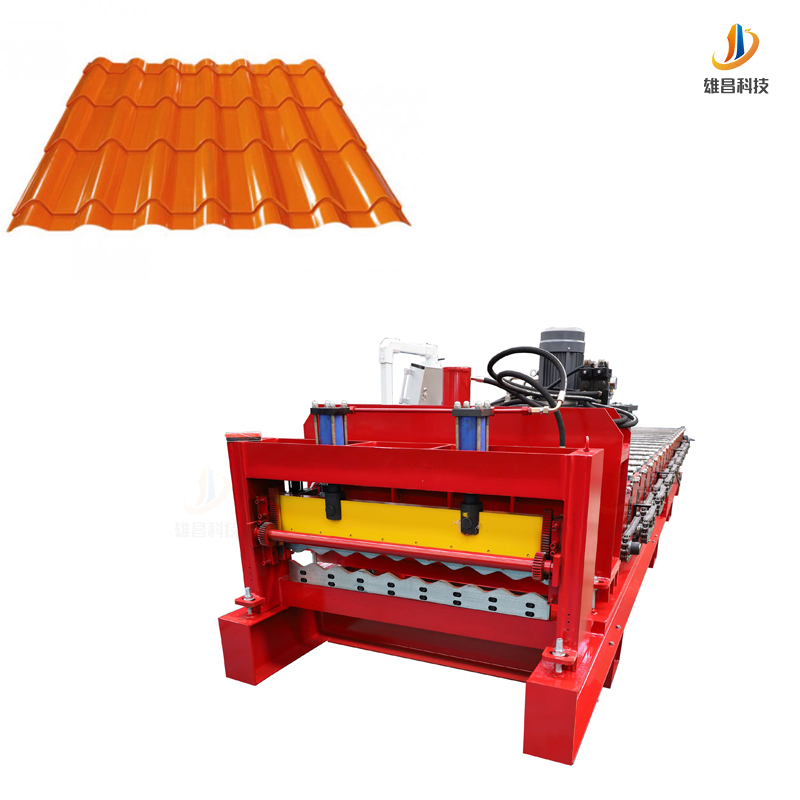
Yes. Most XC machines are built to order. Our engineers develop the roll pass design (flower pattern) from your drawing or sample, so regional profiles such as IBR, Tuff-Rib, AG panel, Klip-Lok style or Spanish-style tiles can be matched closely. We will flag any risk before manufacturing, including thin-gauge edge wave, tight bend radius or coating compatibility.
How is machine quality verified before shipment?
Every line is assembled and test-run in our factory with coil that matches your specification. Sample panels are measured against your drawing, and a trial-run video plus inspection photos are shared for your approval before packing. Critical dimensions, roller condition, cutter performance and control logic are checked during the factory acceptance test.
What is the typical lead time for a Tuff-Rib or AG panel machine?
Standard roofing sheet lines are commonly ready within 30 to 45 working days after drawing confirmation. Purlin, floor deck, double layer and fully customized lines may take longer. The confirmed schedule is stated in each proposal, and the factory acceptance test date is planned with the buyer.
What after-sales support does XC provide to overseas buyers?
XC provides English manuals and electrical diagrams, remote video guidance for installation and commissioning, on-site engineer service on request, and spare parts supply such as blades, bearings and electrical components. Operators can also receive remote troubleshooting support using video, HMI screens and electrical schematics.
Can machines be configured for my local power supply?
Yes. Motors, hydraulic stations and control cabinets are configured to your site voltage and frequency, for example 220V, 380V, 415V or 440V at 50Hz or 60Hz, with HMI language options for operators. Please provide the exact site voltage and frequency before the proposal is finalized.
What is the difference between a Tuff-Rib machine and a standing seam machine?
Tuff-Rib and AG panels are exposed-fastener panels: the fixing screws pass through the panel, and the profile is optimized for agricultural, post-frame, industrial and utility buildings. Standing seam panels use concealed fasteners and raised seam legs that are locked mechanically. The two machine families require different roll pass designs, seam details, tolerances and installation methods, so they should not be specified as interchangeable without a technical review.
How do I calculate the return on investment for a Tuff-Rib line?
Compare the local selling price per meter or per ton of formed panel, coil cost, yield loss, labor, energy, maintenance, changeover time and transport. Then estimate realistic output based on your actual profile and material. Buyers should request a line-speed and station-count calculation tied to their specification, not a generic speed figure. This total-cost-of-ownership model is more reliable than comparing machine prices alone.
Bottom product showcase · 8 selected machines
ODM Tuff Rib Sheet Making Machine Product Series · Continued
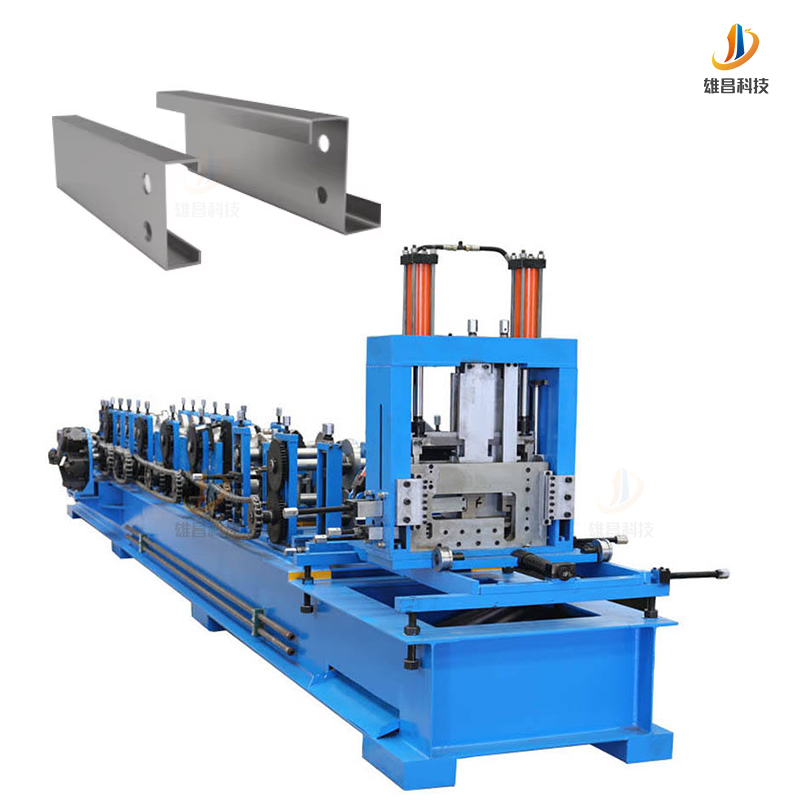
The remaining eight original product links cover purlin, double layer, standing seam, light gauge steel and Tuff-Rib / AG panel forming. These links are preserved for direct technical follow-up.
Get a Profile-First ODM Review for Your Tuff-Rib Project
Send your panel drawing, sample photo, coil specification, target output and site voltage. XC’s engineering and export team will review the profile, propose the roll pass design basis, confirm the machine configuration and outline the factory acceptance test plan.