8 ODM Trapezoidal Roofing & Roll Forming Machines for Factory Buyers
The first eight product families below are shown directly under the banner. Each link leads to the original product page, with the original product image preserved. Use this shortlist to compare profiles, line architecture and custom ODM potential before you request a technical proposal.

China LGS framing U track Roll Forming machine Company, Companies
U-track production for light gauge steel framing, with straightness, hole patterns and changeover requirements suited to wall, floor and truss assembly.
View Product
ODM Metal C Purlin Roll Forming Machine Manufacturers, Factory
Fully automatic C-section production with PLC length control and hydraulic punching options for steel structure and warehouse projects.
View Product
ODM Super Series Light Gauge Steel Roll Forming Machine (Stud & Track Roll Former) Manufacturers, Company
Stud and track roll forming for LGS walls, floors and roof trusses, with multi-size changeover and production-line integration options.
View Product
China Industrial IBR Sheet Forming Machine for Metal Roofing Factories, Companies
IBR and trapezoidal roof sheet production configured to local rib geometry, coil thickness, coating protection and output targets.
View Product
China Double Layer Roll Forming Machine Factory, Company
Two roofing profiles on one frame to reduce floor space and capital cost for distributors serving mixed local markets.
View Product
Custom C Z Interchangeable Purlin Machine Factories, Companies
C and Z purlins on one line with fast size changeover, pre-punching and PLC control for flexible steel building production.
View Product
Custom Mechanical Lock Standing Seam Panel Former Manufacturers, Company
High-strength panels for field-seamed single or double lock systems, with wind-uplift performance for long-span roofs.
View Product
China Snap lock Standing Seam Panel machine Manufacturers, Factory
Concealed-fastener snap-lock panels formed for watertight, field-friendly installation on architectural and commercial roofs.
View ProductWhy Buyers Compare ODM Trapezoidal Roofing Machine Factories & Companies
A search for ODM Trapezoidal Roofing Machine Factories & Companies is not one search intent. It combines a profile requirement, a buying model, a supply role and a commercial decision. The buyer may be a roofing contractor, a steel distributor, a cold-storage developer, a building-materials brand planning private-label production, or a government-linked infrastructure supplier. Each needs a different evidence pack.
The most useful supplier content does not repeat “high quality, low price.” It gives information gain: how many forming stations are appropriate for a given rib geometry, why 0.3 mm coated steel needs different roll pressure from 0.8 mm steel, how a factory proves panel quality before shipment, how to compare a factory with a trading company, and how to calculate landed cost, commissioning cost and total cost of ownership.
For trapezoidal and IBR roof sheet lines, the machine is a production asset defined by the drawing, material yield strength, coil width, output per shift, local voltage and frequency, maintenance model and documentation standard. A factory that can explain these variables is more useful than a catalogue page that lists only motor power and line speed.
Search intent decoded
- Informational: what is an ODM trapezoidal roofing machine, and how is it different from a standard IBR line?
- Commercial investigation: compare factories by engineering depth, tooling traceability and factory acceptance evidence.
- Transactional: verify profile drawing, coil data, voltage, air supply, packing method and delivery schedule.
- Risk reduction: check spare parts, operator training, remote support, warranty and commissioning responsibility.
- Localization: match rib shape, panel width, wind uplift, coating system, 50/60 Hz power and HMI language.
From Profile Drawing to Production Asset: The Real ODM Scope
ODM means more than painting a machine in a buyer’s colour. A credible ODM trapezoidal roofing machine factory converts a profile requirement into a controlled production asset, then documents how the asset will be accepted, shipped, installed and supported.
Profile & Roll Pass Engineering
The first deliverable is not steel; it is a drawable profile. Engineers convert a drawing, sample panel or photograph into a flower pattern, station count, roll dimensions and tolerance stack.
Tooling & Material Traceability
Roller material, hard-chrome thickness, shaft diameter, bearing class and frame rigidity are defined. Ask for inspection records for rollers, shafts and cutting blades.
Controls & Local Compliance
PLC/HMI, encoder cut-to-length, VFD, safety guarding and electrical components are matched to 220V, 380V, 415V or 440V at 50Hz or 60Hz, with operator language options.
Factory Acceptance Test
A serious factory runs your coil, measures sample panels, records a trial-run video and packs the line with manuals, electrical diagrams, spare parts and a commissioning plan.
Illustrative buyer weighting for an ODM roofing machine
Adjust these weights to your project. They are shown to make trade-offs visible, not to replace your own procurement scoring model.
Trapezoidal Roofing Machine Trends Shaping Factory Decisions
Demand is moving away from “a machine that can run” toward “a line that can prove repeatability, protect coated steel, support changeover and stay serviceable in the buyer’s market.”
Automation with a Smaller Labour Footprint
Automatic decoilers, stackers, remote diagnostics and recipe-based HMI reduce dependence on highly experienced operators, but over-automation can create maintenance risk in low-support markets.
Coating-Safe Forming & Material Yield
Thinner high-strength steel and decorative coatings demand gentler roll pass design. Edge waves, coating cracks and rib marks show up after installation, not at the factory gate.
Digital Documentation & Traceability
Buyers increasingly expect digital FAT reports, electrical diagrams, spare-parts lists, QR-coded components and remote commissioning records rather than informal chat messages.
Modular, Upgradeable Lines
Inline punching, quick-change stations, double-layer architecture and solar-ready profiles let distributors add capability without replacing the entire line when local demand shifts.
What Roofing Manufacturers Are Buying in 2026
Global construction labour shortages, logistics costs, warehouse expansion, cold-chain investment and the shift to solar-ready metal roofs are changing machine specifications. Buyers want a line that produces the local profile, passes local inspection and remains supported after installation.
North America
IBR/PBR, AG panel and standing seam demand is tied to 60Hz power, local profile familiarity, freight width and electrical component recognition where required.
Europe
CE documentation requests, noise control, guarding, energy efficiency, 50Hz configuration and traceable spare parts influence supplier selection.
Middle East
Heat, dust and high output place a premium on cooling, heavy-duty frames, maintenance access, robust electrical cabinets and reliable hydraulic systems.
Africa
Value engineering, 380V or 415V power, operator training, local spare parts and agricultural or solar roofing profiles often matter more than maximum automation.
Southeast Asia
High humidity, salt exposure and tropical rainfall push buyers toward coating-safe forming, corrosion-aware specifications and local profile matching.
Latin America
Spanish HMI, 220V or 440V power, modular shipping, import-duty planning, on-site commissioning and agricultural roofing profiles are frequent requirements.
Supply-Chain Resilience & Efficiency Advantages of Chinese Roll Forming Factories
China’s roll forming supply chain is not a single price point. It is a dense ecosystem of steel coil, motors, PLCs, hydraulic stations, precision machining, surface treatment and export logistics. Factory 4.0 capability shows up in how quickly a non-standard profile is engineered, how repeatably rollers are machined, how the line is tested and how service data is retained.
Integrated Machining & Assembly
In-house control over frames, shafts, rollers, assembly and testing reduces the coordination risk that appears when critical parts are outsourced across multiple workshops.
Digital Engineering Before Steel Is Cut
CAD profile development, tolerance stack analysis, roll pass review and motor sizing help avoid expensive trial-and-error after the machine reaches the buyer’s factory.
Supplier Resilience with Documented Alternatives
Qualified suppliers for PLCs, bearings, hydraulics and motors reduce single-source risk. Buyers should ask how critical components are validated and what replacement options exist.
Export-Ready Efficiency
Modular packing, container loading plans, voltage configuration, English manuals, remote support and spare-parts kits turn a factory machine into an operable export project.
Where Trapezoidal Roofing Wins Commercially
Steel roofing is structurally efficient, fast to install and compatible with large-span industrial buildings. The commercial case is strongest where speed, weather protection, long spans and future solar readiness matter.
Warehouse & Logistics
Large roof areas, fast enclosure and predictable panel quality support distribution centres, ports, cold storage and e-commerce fulfilment buildings.
Cold Storage & Food Facilities
Durable roof envelopes, controlled detailing and consistent panel fit help protect insulation, vapour control and hygiene-critical operations.
Manufacturing & Industrial Parks
Long-life cladding, low maintenance and solar-ready surfaces make trapezoidal roofing practical for factories, workshops and industrial parks.
Solar-Ready Commercial Roofs
PV mounting, walkability, structural coordination and roof-penetration planning increasingly influence rib geometry and panel specification.
Match the Trapezoidal Roofing Machine to the Local Job Site
The same machine platform can require different rib height, steel grade, coating protection, panel width and fastening details in different climates and building codes.
Coastal High-Wind Zones
Higher ribs, seam locking, fastening patterns and wind-uplift calculations should be reviewed before the profile is fixed.
Tropical High-Rainfall Markets
Drainage, overlap, end-lap detailing, coating selection and corrosion resistance matter as much as line speed.
Cold-Climate Snow Load
Yield strength, rib geometry and purlin spacing should be coordinated with local snow-load requirements and roof safety access.
Industrial Retrofit Projects
Profile matching, line footprint, voltage and available crane access can be more important than maximum theoretical speed.
Agricultural Post-Frame Buildings
AG panel and Tuff-Rib style profiles offer cost-effective coverage, fast installation and familiar detailing for rural contractors.
Solar-Ready Commercial Roofs
Clamp zones, walkability, roof loading and future PV layout should be considered before panel profile and seam type are finalised.
Compare ODM Trapezoidal Roofing Machine Offers Before You Request a Quote
Quotes are only comparable when the specifications are comparable. Use these indicative ranges and verification points to judge any supplier’s offer, including ours.
| Machine Type | Typical Coil Thickness | Forming Stations | Typical Line Speed | What to Verify in a Quote |
|---|---|---|---|---|
| Trapezoidal / IBR Roofing | 0.3–0.8 mm | 16–22 | 15–30 m/min | Roller material and chrome thickness; shaft diameter |
| Corrugated Roofing | 0.3–0.6 mm | 18–24 | 15–30 m/min | Wave pitch accuracy and edge waviness on thin coil |
| Glazed Step Tile | 0.3–0.7 mm | 12–18 | 3–6 m/min | Press-station cycle and step-depth consistency |
| Standing Seam | 0.4–0.8 mm | 12–20 | 10–20 m/min | Seam system compatibility and panel width adjustment |
| C/Z Purlin | 1.5–3.0 mm | 14–20 | 10–20 m/min | Size-change method (manual or automatic) and punching dies |
| Floor Deck | 0.7–1.5 mm | 20–30 | 10–15 m/min | Embossing pattern and frame rigidity for deck depth |
Ranges reflect typical configurations for reference only. Final parameters are engineered to your profile drawing, material yield strength, output target and site power supply.
An Integrated Roll Forming Specialist in Sichuan, China
Sichuan Xiongchang Technology Co., Ltd. (XC) designs and manufactures cold roll forming equipment for roofing, flooring, door and structural components, together with the auxiliary line equipment each system needs to run efficiently.
Our team brings more than 20 years of hands-on roll forming experience. That experience shows in details buyers notice after installation: rollers that hold tolerance, coatings that do not crack at the bend, and panels that fit on the roof the first time.
XC supplies more than a machine. We deliver complete production lines, including decoiler, forming mill, punching, cutting, stacking and control system, engineered as one integrated unit. Customers range from residential roofing suppliers to large industrial and infrastructure contractors.
- Design from drawing, sample or photo
- In-house machining and assembly
- Video acceptance before balance payment
- English manuals, electrical diagrams and spare-parts support
- Remote or on-site commissioning on request




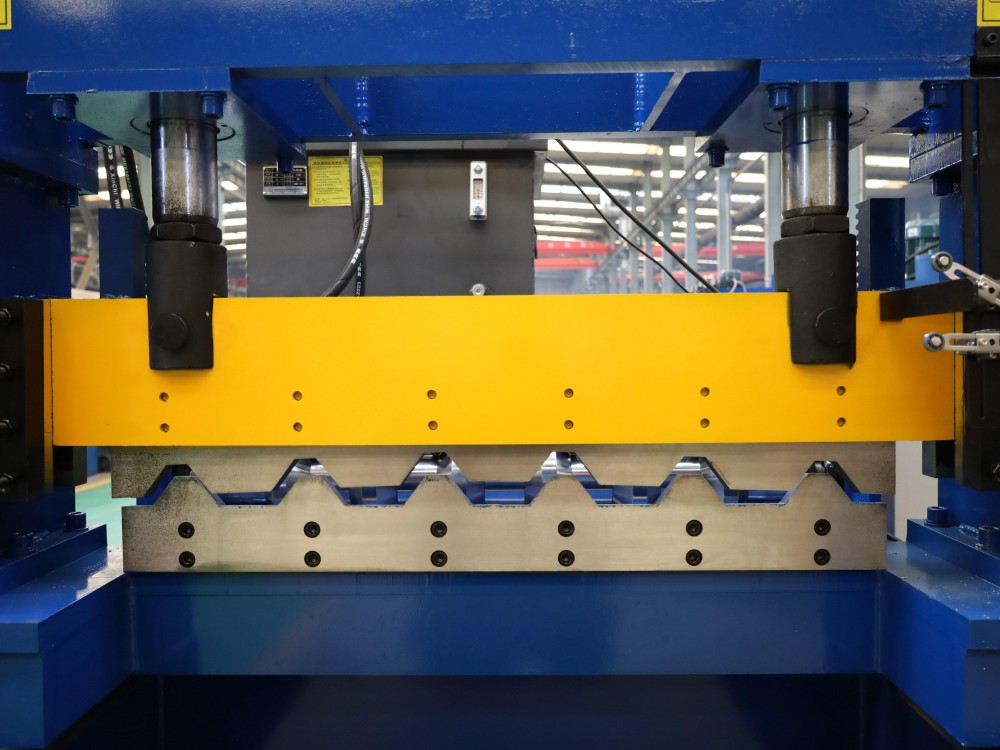


Explore Original XC Roll Forming Machine Categories
Use these original category pages to move from a specific trapezoidal roofing machine requirement to adjacent profiles, structural components and auxiliary equipment.
Roofing Sheet Roll Forming Machine
View category →Trapezoidal Roofing Sheet Machine
View category →Corrugated Wave Roof Tile Roll Forming Machine
View category →Glazed Tile Roll Forming Machine
View category →Double Layer Roofing Sheet Making Machine
View category →Standing Seam Roll Formers
View category →Purlin Roll Forming Machines
View category →Floor Deck Roll Forming Machine
View category →Light Gauge Steel Roll Forming Machine
View category →Hot Products
View category →From Profile Drawing to First Panel: A Five-Step ODM Process
A transparent process helps overseas buyers know exactly what happens, who signs off each stage and when the factory acceptance test takes place.
Profile & Coil Review
Send your drawing, sample or photo plus coil data. Engineers check that the profile can be formed and flag risks early.
Roll Pass Design & Proposal
You receive the station count, roller material, drive and cutting system, power configuration and a confirmed schedule.
Manufacturing & QC
Frames, shafts and rollers are machined and assembled in-house, with inspection at each critical stage.
Trial Run & Acceptance
The line runs with coil matching your specification. Samples are measured and a video report is shared for approval.
Shipping & Commissioning
Export packing, documentation, then remote or on-site installation and operator training.
Six Industries, One Forming Expertise
Roll forming is not limited to roofing. The same engineering discipline serves building materials, transport, appliances, energy and furniture profiles.
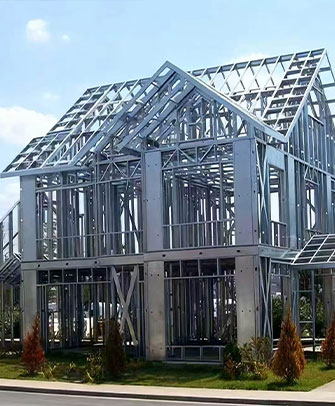
Architecture & Building Materials
Roofing sheets, wall cladding, standing seam panels, floor decking and C/Z purlins are the core profiles of modern steel buildings, warehouses and residential projects.
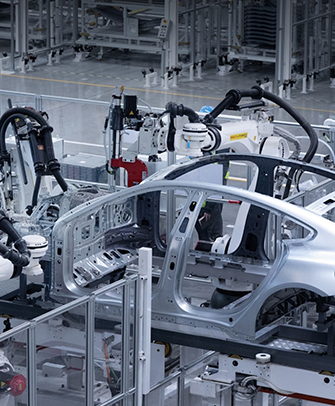
Automobile Manufacturing
Roll formed structural rails, door frame sections and reinforcement beams benefit from repeatable cross-sections and tight length tolerances.

Home Appliances, Kitchen & Bath
Appliance side panels, cabinet frames and trim profiles are formed from pre-painted or stainless coil, where surface protection matters as much as dimension.

Transportation
Container panels, truck body sections, railway car profiles and highway guardrails are long, heavy-gauge parts that need rigid stands and accurate cut-off.

New Energy
Solar PV mounting rails, strut channels and support brackets are high-volume parts that benefit from inline punching and fast size changeover.
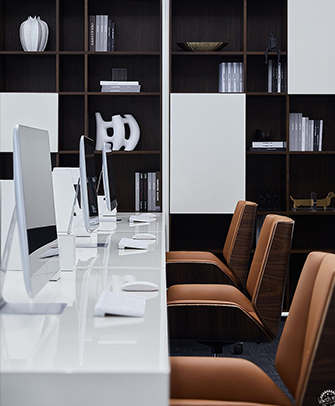
Furniture & Office Equipment
Shelving uprights, racking beams, cabinet frames and partition studs rely on consistent hole pitch and straightness for fast, safe on-site assembly.
Field Knowledge from the Factory Floor
Technical depth is part of E-E-A-T. These original engineering topics help buyers evaluate roll forming quality, maintenance risk and coating protection.

Roll Forming Advantages and Applications
Why continuous roll forming beats press braking for long, consistent profiles, and which industries gain the most from it.
Read the Hot Blog →
Bearing Damage in Multi-Stand Roll Forming Stations: The Hidden Cause of Roll Runout
Six root causes of bearing failure, the diagnostic checks to run first, and how they show up as strip tracking loss and coating defects.
Read the Hot Blog →
Zinc & Color Coating Cracking at Bending Zones: Root Causes and Fixes
From bend radius to roll pass design, this article explains what makes coatings crack at the bend line and how coating-safe forming prevents it.
Read the Hot Blog →Information Gain Before You Request a Quote
Use this checklist to turn a vague machine enquiry into a comparable technical brief. It helps factories quote accurately and helps buyers compare offers on the same basis.
Planning Your Next Forming Line?
Get the full catalog with machine layouts, technical specifications and profile options. It is the fastest way to brief your team and compare suppliers on engineering evidence, not only price.
ODM Trapezoidal Roofing Machine Factories & Companies: Questions Buyers Ask
Straight answers based on the projects we support. For a project-specific answer, send the profile drawing, coil data and site voltage to our engineers.
What information do I need to send for an accurate roll forming machine proposal?
Can XC build a roll forming machine for a local or non-standard profile?
How is machine quality verified before shipment?
What is the typical lead time for a roll forming machine?
What after-sales support does XC provide to overseas buyers?
Can machines be configured for my local power supply?
What does ODM mean for a trapezoidal roofing machine factory?
How can I compare a factory with a trading company?
Which profile details affect the machine price most?
How do I reduce total cost of ownership?
What documentation should a buyer request?
How does Factory 4.0 change supplier selection?
More ODM & Custom Roll Forming Machines from XC
The second set of eight product links completes the original product list. All original product URLs and product images are preserved. Use them to compare standing seam, floor deck, purlin, corrugated, glazed tile and PBR panel options.

China Nail Strip Standing Seam Panel machine Manufacturer, Factory
Nail-strip panels with an integrated flange for residential and light commercial roofs where installation speed matters.
View Product
Custom Floor Deck roll forming machine Manufacturer, Factory
Composite floor deck production with embossing, heavy-duty frame and profile-matched cutting for concrete slab systems.
View Product
ODM Tuff rib panel(AG Panel) forming machine Company, Companies
Tuff-Rib and AG panel forming for agricultural and post-frame buildings, with consistent rib height and lap fit.
View Product
China Z Purlin Cold Roll Forming Machine Factory, Factories
Dedicated Z-section production with lapping capability for continuous purlin runs on long-span roofs and wall girts.
View Product
Custom Corrugated Steel Roofing Roll Forming Machine Manufacturer, Company
Sinusoidal corrugated sheet forming for high-volume agricultural, residential and warehouse roofing and walling.
View Product
ODM U panel roofing roll former Factories, Company
U-panel roofing roll forming for economical roof and wall cladding in export markets and mixed-profile factories.
View Product
China Glazed Tile Roll Forming Machine Factory, Company
Decorative step-tile panels with synchronized hydraulic pressing for villa, residential and architectural roofing.
View Product
China PBR Panel Metal Roofing forming machine Manufacturers, Company
PBR-style metal roofing and wall panel forming for North American and export-oriented building material suppliers.
View Product