ODM Steel Roofing Sheet Making Machine Portfolio: Factory-Direct Selection (1–8)
Start with the machine families most often specified by roofing sheet manufacturers, steel structure suppliers and light gauge steel fabricators. Every product URL and original product image below is preserved in the card.







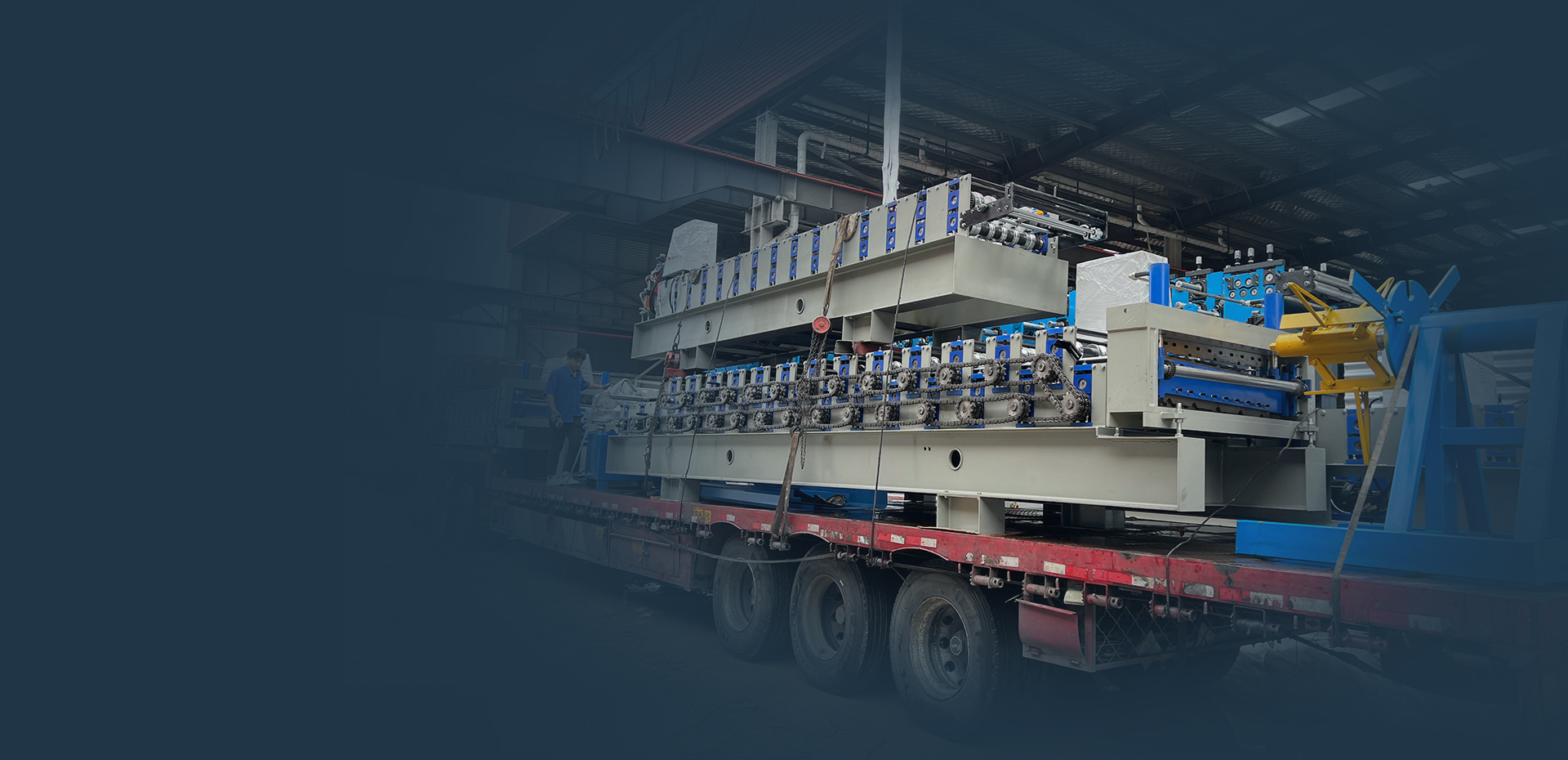
ODM Super Series Light Gauge Steel Roll Forming Machine (Stud & Track Roll Former) Manufacturers, Company
View Product
Why Buyers Compare ODM Steel Roofing Sheet Making Machine Factories
The search phrase “ODM Steel Roofing Sheet Making Machine Factory & Factories” carries strong commercial intent. Buyers are not only looking for a machine picture; they are qualifying a manufacturing source, a profile engineering partner and a long-term spare-parts supplier.
Sichuan Xiongchang Technology Co., Ltd. (XC) designs and manufactures cold roll forming equipment for roofing, flooring, door and structural components, together with the auxiliary line equipment each system needs to run efficiently. Since 2010, XC has built a practical manufacturing and export capability around custom roll forming: profile review, roll pass design, machining, assembly, factory acceptance testing, export packing and overseas commissioning support.
The useful way to evaluate any ODM factory is not to accept a polished brochure at face value. Look at the engineering chain. Can the supplier read your profile drawing or sample panel? Can they explain the flower pattern, station count, shaft diameter, roller material and cutting method? Can they test-run the line with coil that matches your thickness, yield strength and coating? Can they deliver English manuals, electrical diagrams and remote or on-site installation guidance? These are the evidence points that separate a real manufacturer from a trading presentation.
XC’s team brings more than 20 years of hands-on roll forming experience. That experience shows in the details buyers notice after installation: rollers that hold tolerance, coatings that do not crack at the bend, and panels that fit on the roof the first time. The company operates a 50,000 m² production base, supports more than 1,000 cooperative customers worldwide and has around 2,000 team members across engineering and production. Those figures matter because they indicate capacity, process depth and the ability to keep supplying blades, bearings, rollers and electrical components after the original project is complete.
What ODM Means for a Steel Roofing Sheet Making Machine
In roll forming, ODM is often understood as an original design manufacturing relationship. The buyer brings a target profile, a sample panel, a drawing or a local market requirement. The manufacturer then develops the machine configuration and the roll pass design so the line can produce that profile consistently at production speed. This differs from a simple catalogue purchase because the value is created in the engineering interface between the buyer’s market and the factory’s forming knowledge.
Typical ODM profiles include IBR and trapezoidal roofing, corrugated wave sheets, glazed step tiles, Tuff-Rib and AG panels, snap-lock and mechanical-lock standing seam panels, C and Z purlins, floor deck and light gauge steel stud and track. Regional names vary, and a photo alone may not show the seam geometry, stiffening ribs, anti-slip embossing or minimum bend radius. A responsible factory will ask for a profile drawing, material type, thickness range, yield strength, coil width, required output per shift, destination voltage and HMI language before issuing a final proposal.
This is where information gain matters for buyers. A quote that lists only “20 stations, 5.5 kW motor” is not enough. A technically credible proposal should explain why those stations and that drive are appropriate for the gauge and yield strength, how the cutter avoids crushing ribs or seams, and how the rollers protect galvanized or pre-painted surfaces during bending.
Technical Roadmap and Future Outlook for Steel Roofing Sheet Making Machines
The next competitive step is not simply more stations. It is better control, faster changeover, coating-safe forming and a service model that keeps the line productive after commissioning.
Digital Control and Traceability
PLC and HMI control already support batch length, quantity and fault monitoring. Future-ready lines increasingly add recipe storage, production logs and remote diagnostic access so operators can resolve stoppages faster and managers can compare output across shifts.
Flexible Tooling and Changeover
Double-layer lines, C/Z interchangeable purlin machines and quick-change tooling reduce capital intensity for suppliers serving mixed markets. The roadmap points toward faster profile changes, lower setup scrap and more modular line architecture.
Coating-Safe Material Engineering
As AHSS, thin-gauge Galvalume and pre-painted steel become more common, forming must control edge wave, flare and coating damage. Hard-chrome plated rollers, correct shaft stiffness and a coating-aware roll pass design are central to quality.
Service 4.0 and Predictive Support
Remote video guidance, digital manuals, spare-parts kits and condition monitoring can shorten downtime. For overseas buyers, the practical future is not a fully autonomous factory but a line that is easier to commission, maintain and diagnose.
This roadmap also affects specifications. A buyer should ask whether the line uses encoder-controlled cut-to-length with ±1 mm tolerance, whether the HMI can store recurring batch sizes, whether safety guards and emergency stops are included, and whether the roller material and chrome thickness are stated in the quotation. For higher-output projects, inline punching, stacking and automated packaging may be worth evaluating, but they should be justified by labor cost, order mix and target return on investment rather than by technology for its own sake.
In the longer view, digital twins, vision-based surface inspection and energy monitoring will become more practical for roll forming lines. A digital twin can simulate strip deformation and reduce trial-and-error during profile development. Vision inspection can catch coating scratches, edge waviness and length errors earlier. Energy monitoring can compare motor load against production output. These tools do not replace roll forming experience; they make that experience easier to repeat and document.
Macro Industry Solutions: Six Industries, One Forming Expertise
Roll forming is a platform technology. The same engineering discipline that produces steel roofing sheets also supports building materials, transport, appliances, new energy and furniture manufacturing.
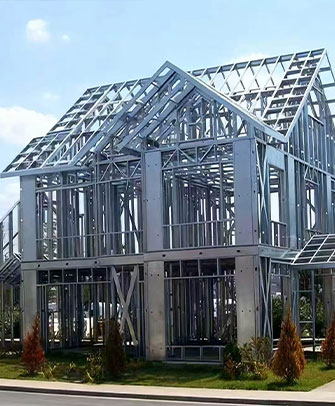
Architecture & Building Materials
Roofing sheets, wall cladding, standing seam panels, floor decking and C/Z purlins. These are the core profiles of modern steel buildings, warehouses and residential projects. For distributors, the key is stable profile geometry, fast changeover and local coil compatibility.
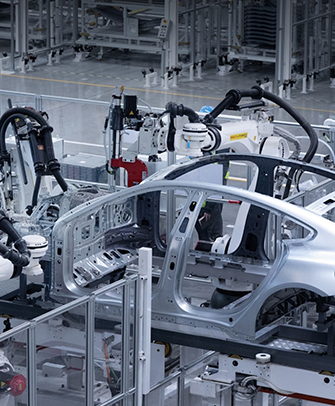
Automobile Manufacturing
Roll formed structural rails, door frame sections and reinforcement beams. Here, repeatable cross-sections and tight length tolerances feed directly into automated assembly, so line stability and inspection discipline matter as much as speed.

Home Appliances, Kitchen & Bath
Appliance side panels, cabinet frames and trim profiles formed from pre-painted or stainless coil. Surface protection during forming matters as much as dimension because a visible scratch can reject the finished part.

Transportation
Container panels, truck body sections, railway car profiles and highway guardrails. These are long, heavy-gauge parts that need rigid stands, stable tracking and accurate cut-off to avoid rework on the assembly line.

New Energy
Solar PV mounting rails, strut channels and support brackets. These high-volume parts benefit from inline punching, fast size changeover and repeatable hole pitch, which reduces installation time on project sites.
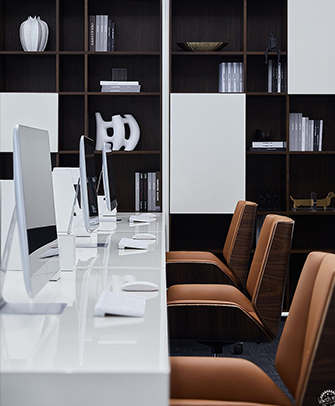
Furniture & Office Equipment
Shelving uprights, racking beams, cabinet frames and partition studs. Consistent hole pitch and straightness make on-site assembly fast and safe, while surface quality protects the brand experience.
Localized Support and Compliance Assurance for Overseas Buyers
Export projects fail at the details: voltage, frequency, profile tolerances, documentation, spare parts and commissioning. Localization is how an ODM machine becomes a production asset instead of a freight shipment.
Site Power and HMI Language
Motors, hydraulic stations and control cabinets can be configured to local site voltage and frequency, including 220V, 380V, 415V or 440V at 50Hz or 60Hz. HMI language options help operators adopt the line faster.
Local Profile and Coil Adaptation
Regional profiles such as IBR, Tuff-Rib, Klip-Lok style, AG panels and Spanish-style tiles can be matched closely from a drawing or sample. The proposal should reflect the actual coil thickness, yield strength and coating rather than a generic catalogue range.
Documentation and Compliance Pack
English manuals, electrical diagrams, inspection photos, trial-run videos and packing lists support installation and audit. Applicable safety and market-specific compliance requirements should be confirmed during RFQ and project review, because requirements differ by country and application.
Commissioning and Spare Parts
Remote video guidance, on-site engineer service on request and spare parts supply such as blades, bearings and electrical components support the full life of the machine. Buyers should ask for a recommended spare-parts list before shipment.
For a factory in a hot coastal region, humidity and salt air may affect electrical protection and surface treatment choices. For a cold-climate project, lubricant selection and start-up procedures may need extra attention. For a market with high labor cost, automatic stacking or faster changeover can be more valuable than a higher nominal line speed. This is the practical side of localization: the machine is engineered for the buyer’s operating environment, not only for the drawing.
China Factory 4.0: Supply-Chain Resilience and Efficiency Advantages
Factory 4.0 is often presented as robots and screens. In roll forming, it is more usefully understood as an integrated flow of engineering, machining, assembly, measurement and logistics that reduces variation and delivery risk.
China’s steel, motor, gearbox, bearing, hydraulic and electrical supply chain gives roll forming factories access to a deep component ecosystem. The advantage only becomes real when the factory has the discipline to select, inspect and integrate those components into a tested line. XC’s 50,000 m² production base supports in-house machining and assembly, which shortens the feedback loop between engineering and production. When a shaft tolerance, roller profile or guard clearance needs adjustment, the team can solve it inside the factory instead of waiting for an external supplier.
Supply-chain resilience comes from several layers: standardizing proven modules, keeping critical spare parts available, planning long-lead components early, and testing the machine with coil that matches the buyer’s specification. For overseas buyers, this reduces the risk of a line arriving with mismatched voltage, missing guards, incomplete manuals or a profile that only works with one coil supplier.




What Global Enterprises Need to Buy: A Procurement Framework
Large buyers rarely purchase a roll forming line on price alone. They manage technical risk, installation risk, spare-parts risk and the cost of poor profile quality over the life of the asset.
Technical Due Diligence
Provide profile drawing or sample, material type, thickness range, yield strength, coil width, output per shift, voltage, frequency and HMI language. Ask for station count, roller material, shaft diameter, drive power, cutting system and safety scope in writing.
Commercial Clarity
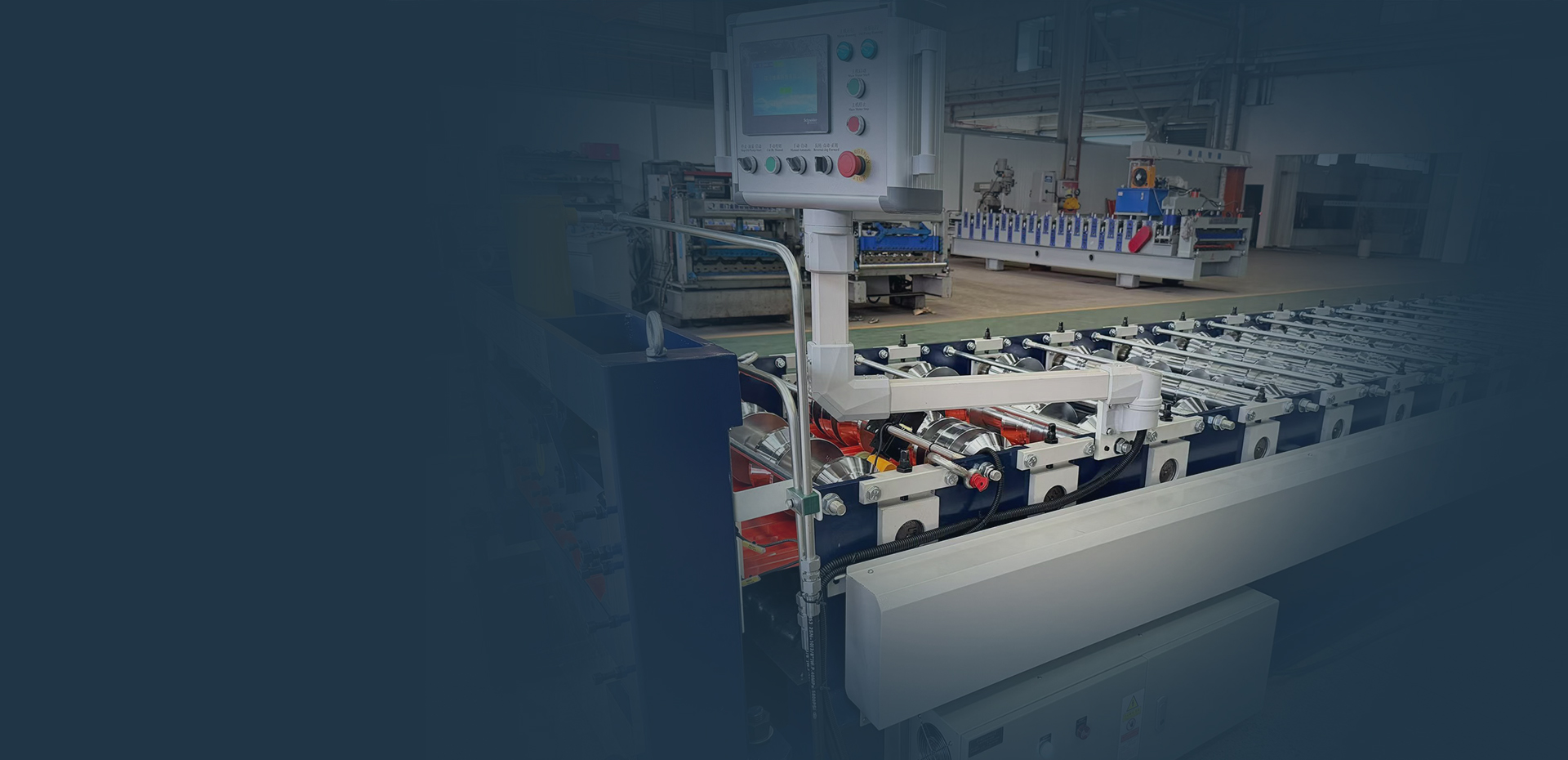
Define the line scope: decoiler, feeding guide, forming mill, punching, cutting, stacking, PLC and packaging. Clarify spare parts, manuals, training, shipping terms and the acceptance procedure so that quotes are genuinely comparable.
Factory Acceptance Test
Every line should be assembled and test-run with coil matching the buyer’s specification. Sample panels should be measured against the drawing, and a trial-run video plus inspection photos should be approved before packing.
Lifecycle Support
English manuals, electrical diagrams, remote video guidance, on-site engineer service on request and spare-parts supply are part of the total cost of ownership. A lower-priced line with weak support can be expensive after installation.
- Confirm the exact profile geometry and material specification before final drawing approval.
- Compare roller material, chrome thickness, shaft diameter, bearing brand and frame rigidity, not only station count.
- Ask how the cutting blade avoids deformation of ribs, seams and embossed deck surfaces.
- Require a factory acceptance test with the buyer’s coil or an equivalent specification.
- Plan electrical configuration, HMI language, spare-parts kit and commissioning support before shipment.
Compare Roll Forming Machines Before You Request a Quote
Quotes are only comparable when the specifications are. Use these indicative ranges and the key check for each machine type to judge any supplier’s offer, including ours.
| Machine Type | Typical Coil Thickness | Forming Stations | Typical Line Speed | What to Verify in a Quote |
|---|---|---|---|---|
| Trapezoidal / IBR Roofing | 0.3–0.8 mm | 16–22 | 15–30 m/min | Roller material and chrome thickness; shaft diameter |
| Corrugated Roofing | 0.3–0.6 mm | 18–24 | 15–30 m/min | Wave pitch accuracy and edge waviness on thin coil |
| Glazed Step Tile | 0.3–0.7 mm | 12–18 | 3–6 m/min | Press-station cycle and step-depth consistency |
| Standing Seam | 0.4–0.8 mm | 12–20 | 10–20 m/min | Seam system compatibility and panel width adjustment |
| C/Z Purlin | 1.5–3.0 mm | 14–20 | 10–20 m/min | Size-change method and punching dies |
| Floor Deck | 0.7–1.5 mm | 20–30 | 10–15 m/min | Embossing pattern and frame rigidity for deck depth |
Ranges reflect typical XC configurations for reference only. Final parameters are engineered to your profile drawing, material yield strength, output target and site power supply.
From Profile Drawing to First Panel: A Transparent Five-Step Process
A structured workflow reduces surprises for overseas buyers and gives the factory a clear quality gate at every stage.
Profile & Coil Review
Send your drawing, sample or photo plus coil data. Engineers check that the profile can be formed and flag any risks.
Roll Pass Design & Proposal
You receive the station count, roller material, drive and cutting system, power configuration and a confirmed schedule.
Manufacturing & QC
Frames, shafts and rollers are machined and assembled in-house, with inspection at each critical stage.
Trial Run & Acceptance
The line runs with coil matching your specification. Samples are measured, and a video report is shared for approval.
Shipping & Commissioning
Export packing, documentation, then remote or on-site installation and operator training.
An Integrated Roll Forming Specialist: Equipment, Process and After-Sales Support
XC designs and manufactures cold roll forming equipment for roofing, flooring, door and structural components, together with the auxiliary line equipment each system needs to run efficiently.
Our team brings more than 20 years of hands-on roll forming experience. That experience shows in the details buyers notice after installation: rollers that hold tolerance, coatings that do not crack at the bend, and panels that fit on the roof the first time. XC supplies more than a machine. We deliver complete production lines, including the decoiler, forming mill, punching, cutting, stacking and control system, engineered as one integrated unit so your output starts on schedule.
Our customers range from residential roofing suppliers to large industrial and infrastructure contractors. Each line ships with English manuals, electrical diagrams, spare parts and remote or on-site commissioning, which supports long-term operational reliability. Design can start from a drawing, sample or photo; in-house machining and assembly keep engineering changes close to production; and video acceptance before balance payment protects the buyer before shipment.
Industry Solution: Turnkey Cold Roll Forming
XC supplies more than a machine. We deliver complete production lines, including the decoiler, forming mill, punching, cutting, stacking and control system, engineered as one integrated unit so your output starts on schedule.
Equipment Supply & After-Sales Support
Our customers range from residential roofing suppliers to large industrial and infrastructure contractors. Each line ships with English manuals, electrical diagrams, spare parts and remote or on-site commissioning, which supports long-term operational reliability.
- Design from drawing, sample or photo with roll pass design developed in-house.
- In-house machining and assembly for tighter feedback between engineering and production.
- Video acceptance before payment balance, including sample measurement and inspection photos.
- Lifetime technical support and spare-parts supply for blades, bearings and electrical components.
Engineering Insights from Our Engineers
Field knowledge is part of the buying decision. These topics reflect the problems that most often affect output, surface quality and maintenance cost.

Roll Forming Advantages and Applications
Why continuous roll forming beats press braking for long, consistent profiles, and which industries gain the most from it.

Bearing Damage in Multi-Stand Roll Forming Stations
Root causes of bearing failure, diagnostic checks to run first, and how they show up as strip tracking loss and coating defects.

Zinc & Color Coating Cracking at Bending Zones
From bend radius to roll pass design, this explains what makes coatings crack at the bend line and how coating-safe forming prevents it.
Q&A: ODM Steel Roofing Sheet Making Machine Factories
Straight answers based on the projects we deliver every year. If a detail is not covered here, our engineers can reply directly with a technical proposal.
What information do I need to send for an accurate roll forming machine proposal?
Can XC build a roll forming machine for a local or non-standard profile?
How is machine quality verified before shipment?
What is the typical lead time for a roll forming machine?
What after-sales support does XC provide to overseas buyers?
Can machines be configured for my local power supply?
What does ODM mean for a steel roofing sheet machine?
How can I verify a factory before placing an order?
What affects the total cost of ownership of a roll forming line?
How do you reduce shipping and installation risk?
More ODM Steel Roofing Sheet Making Machine Products (9–16)
Continue through the larger product family: standing seam, IBR, C/Z purlin, U panel, PBR and interchangeable purlin lines. Each card keeps the original product URL and image.








Plan Your ODM Roll Forming Line with XC
Send your profile drawing, sample photo, material data and target output. XC engineers will review the forming feasibility, propose the machine configuration and clarify the factory acceptance test before you commit.


Company
Sichuan Xiongchang Technology Co., Ltd. (XC)
Sichuan, China