What ODM Really Means for Metal Glazed Tile Making Machine Buyers
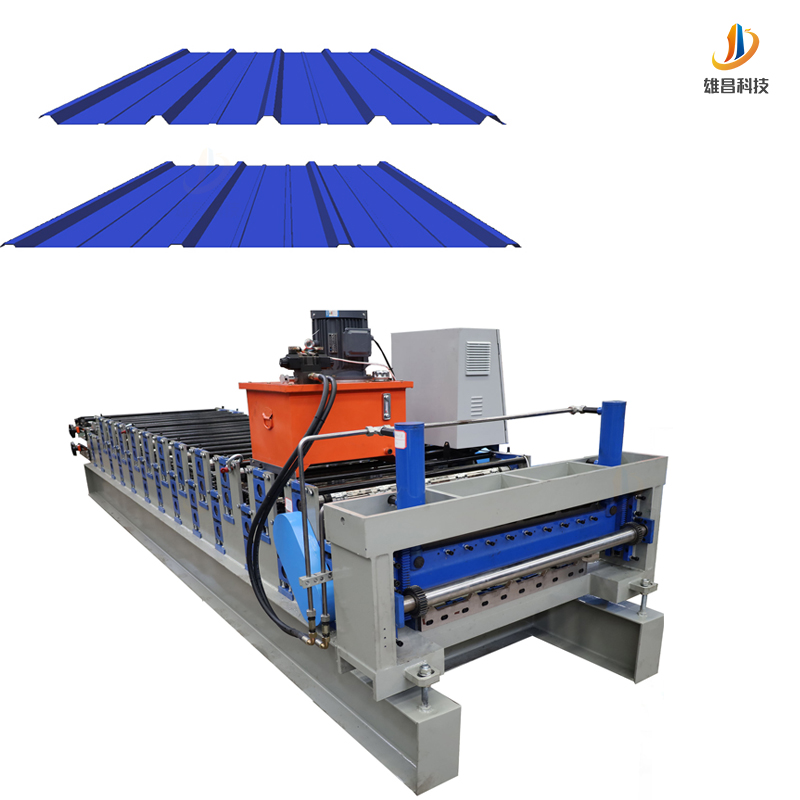
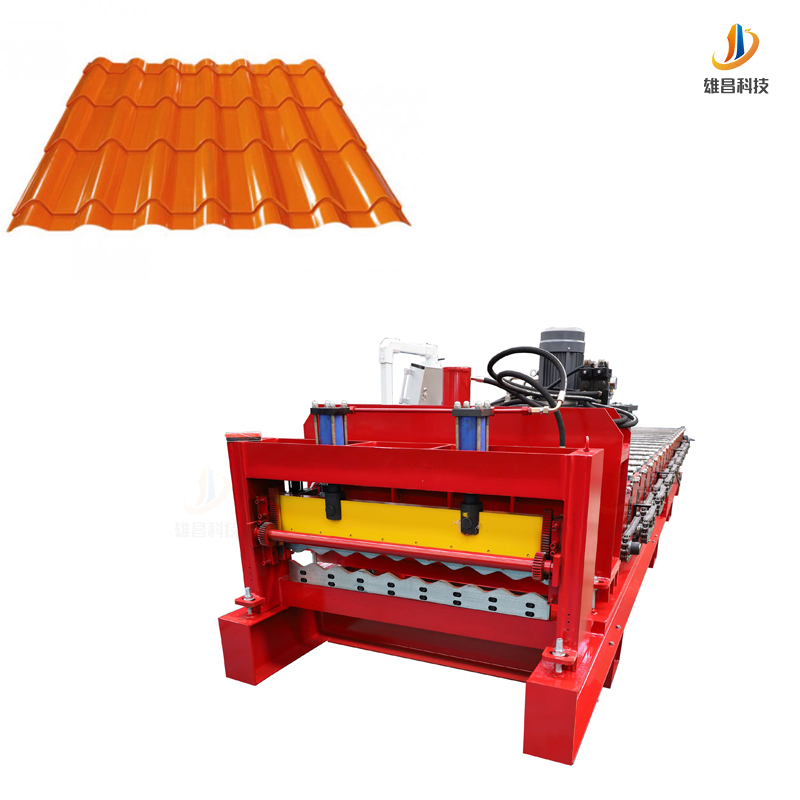
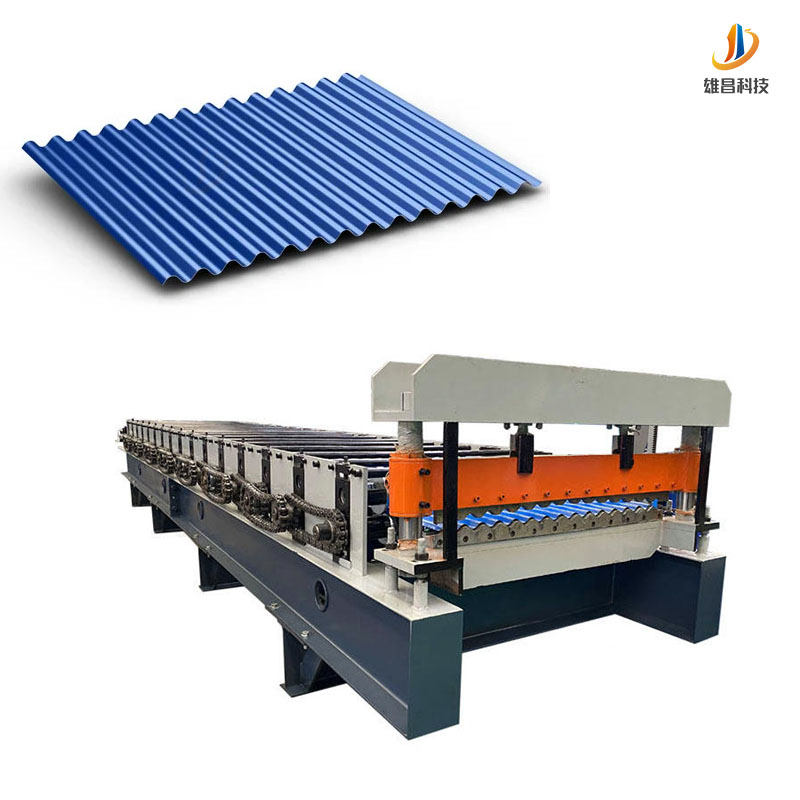
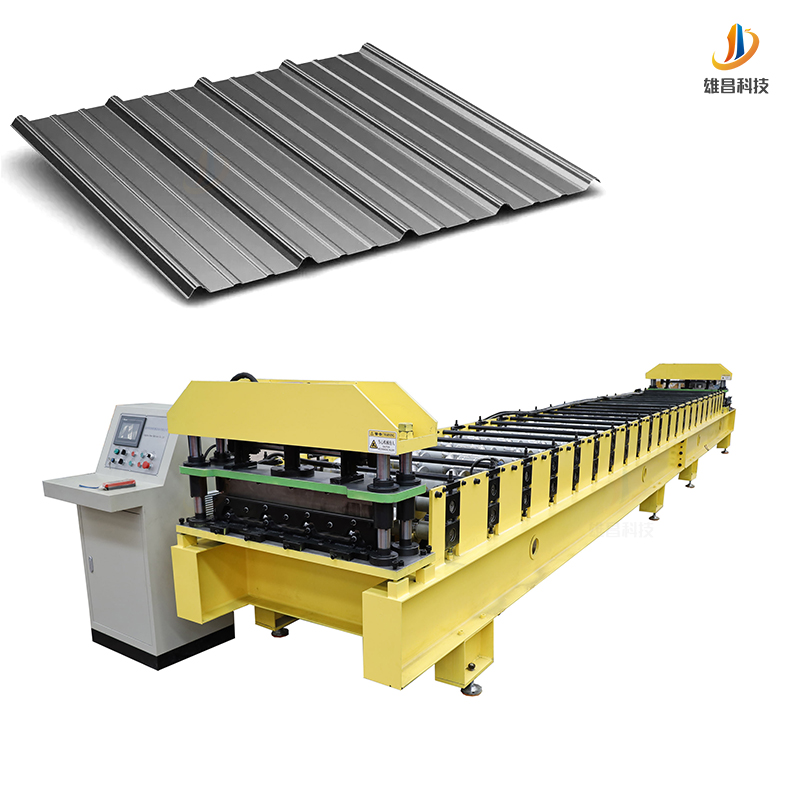
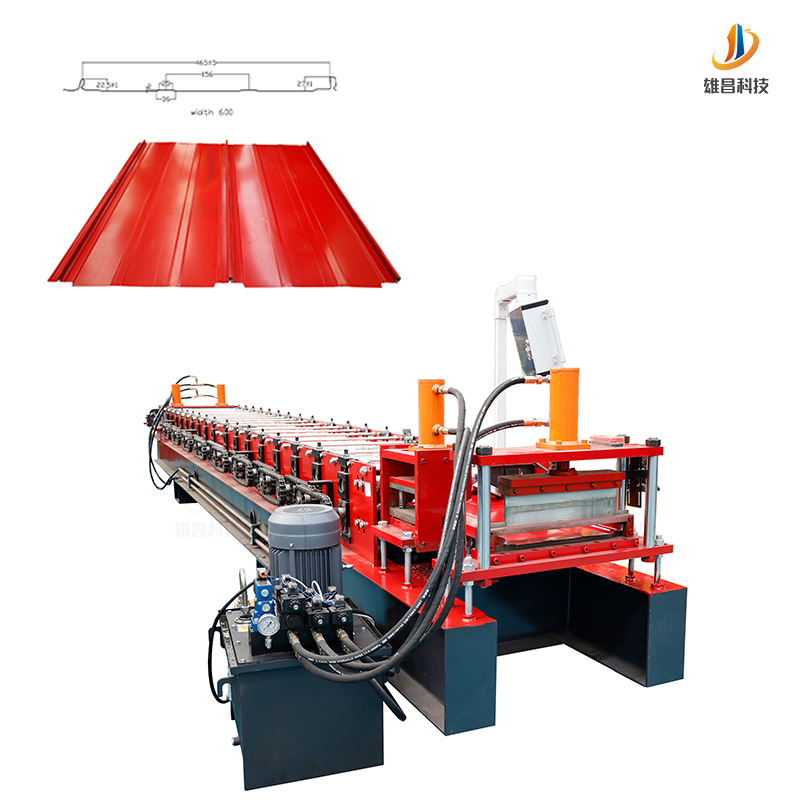
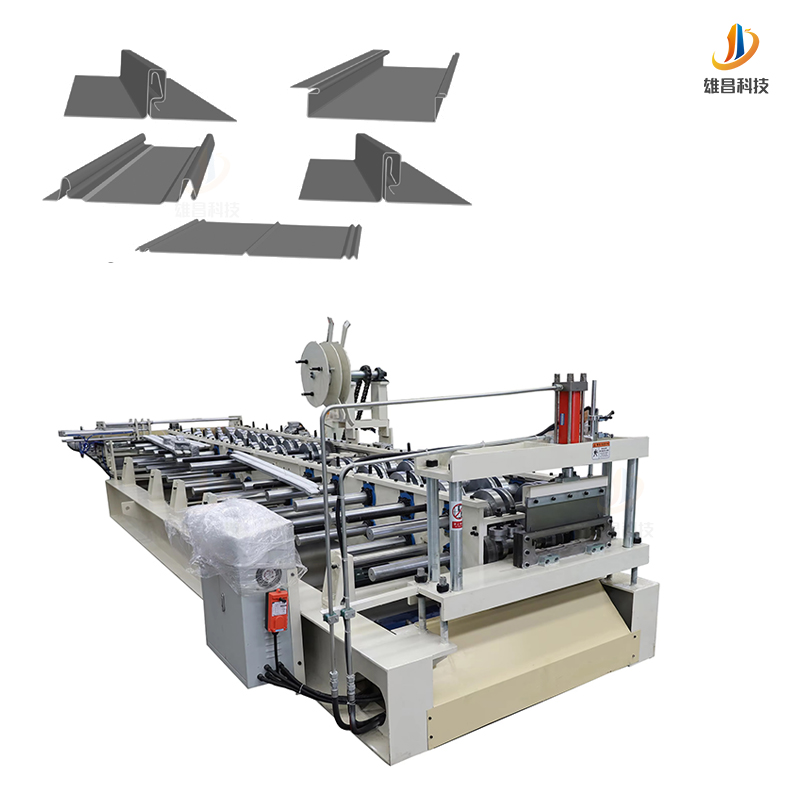
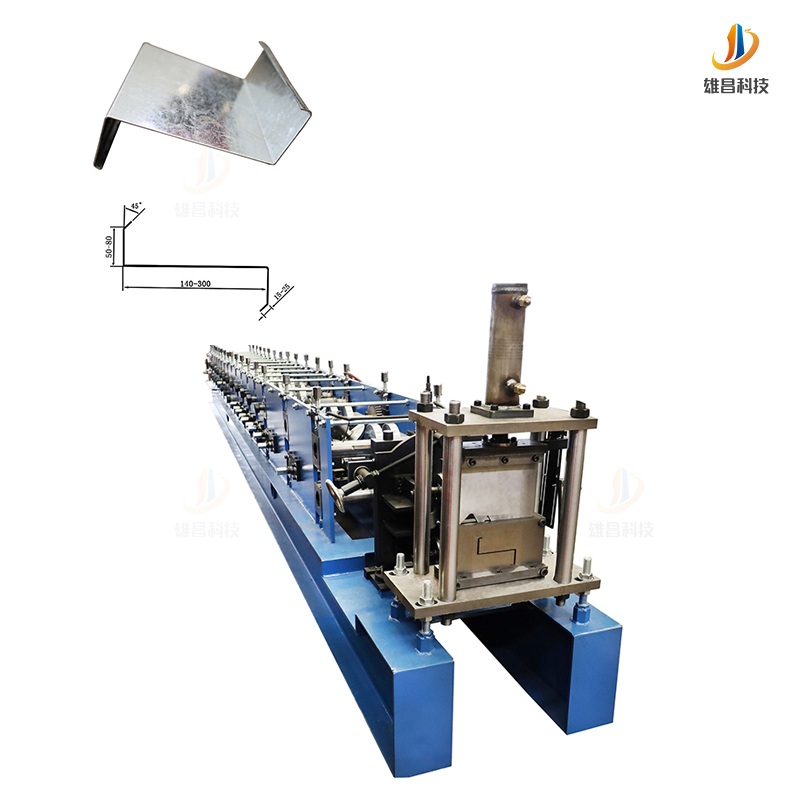
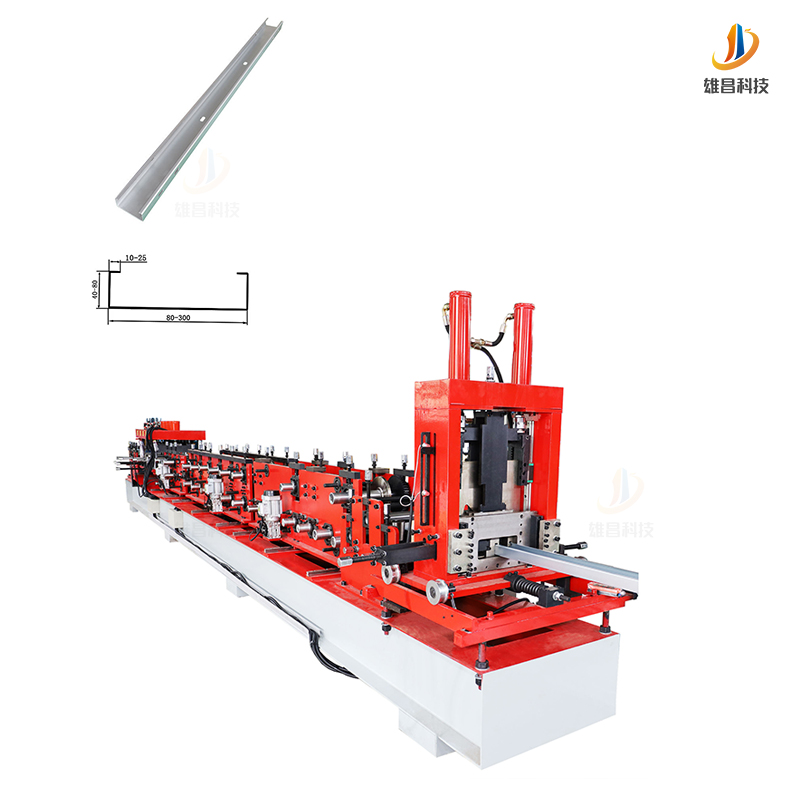
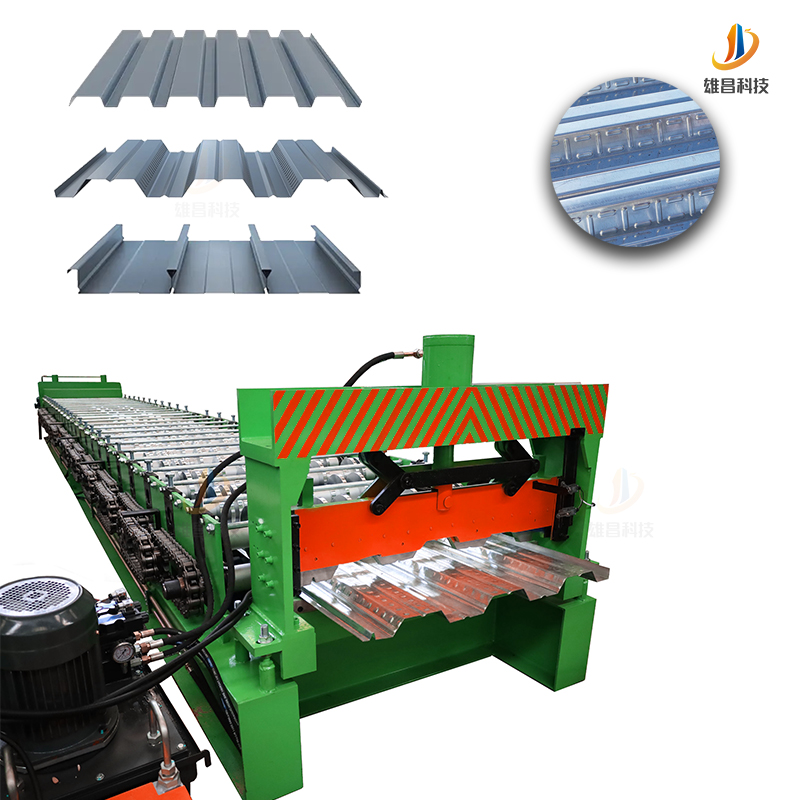
A metal glazed tile making machine is not simply a roofing roll former with a decorative profile. It is a production system that combines coil handling, progressive roll forming, synchronized step pressing, hydraulic cutting, PLC control, and downstream handling. For an ODM buyer, the important question is not only “What is the price?” but “Can this factory reproduce my market’s profile, coating standard, electrical configuration, and installation practice with repeatable quality?”
In semantic search terms, buyers searching for ODM metal glazed tile making machine factories or a metal glazed tile making machine company usually sit at the intersection of several intents: product discovery, supplier qualification, profile engineering, factory audit, total cost of ownership, and after-sales risk. A serious ODM factory therefore has to show engineering depth, not just catalogue depth.
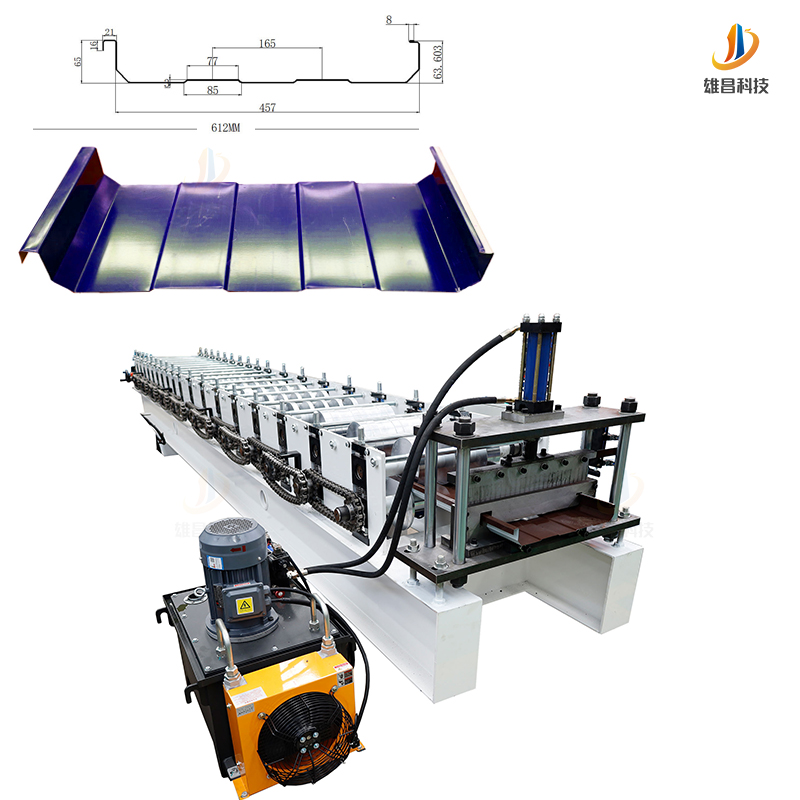
The most reliable glazed tile lines are engineered from a clear profile drawing or sample. The roll pass design controls how the strip bends at each station, how the paint and zinc coating are protected, and how the step depth is formed without edge waves. The hydraulic press station must synchronize with strip travel and the PLC; otherwise, the tile lines drift, the step depth varies, and installation crews face overlapping or open courses on site.
Procurement data that changes the quotation
International buyers should share the material type (PPGI, GI, Galvalume, or black steel), thickness range, yield strength, coil width, target output per shift, panel profile drawing, step pitch, cut-length tolerance, local voltage, frequency, and HMI language. When these details are fixed before the roll pass design begins, the factory can define station count, roller material, shaft diameter, motor power, hydraulic pressure, and packing method with far less ambiguity.
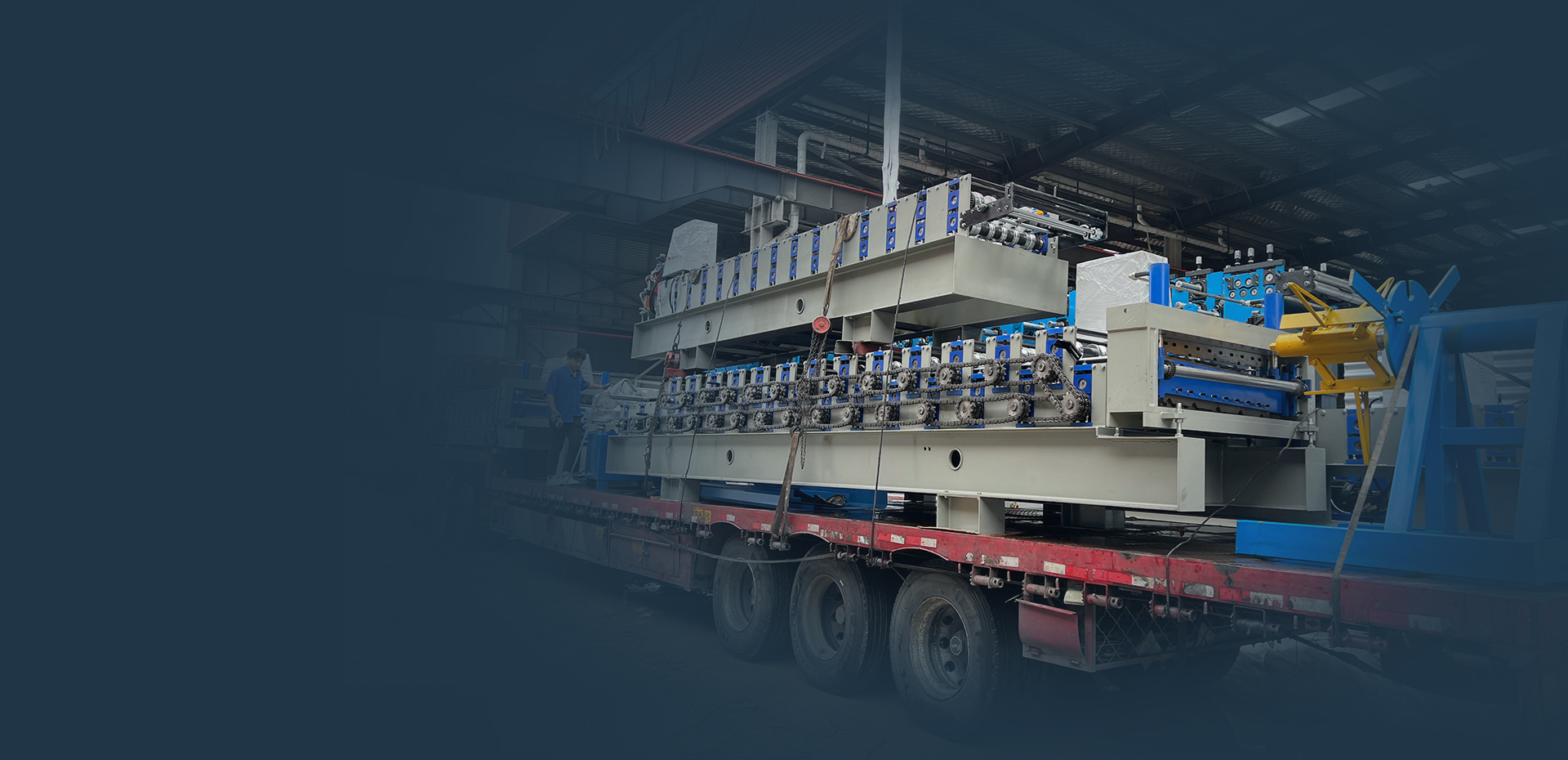
Information gain in this category comes from comparing the full production cell rather than the headline machine price. A lower-cost line may save capital at purchase, but it can lose money through coating cracks, unstable panel width, slow changeover, high spare-parts consumption, and difficult commissioning. The strongest ODM partners document the acceptance test, share sample measurements, and provide a trial-run video before shipment.