
Factory-Direct Roofing Sheet Manufacturing Equipment
The first eight platform solutions below represent the most requested categories for distributors, roofing contractors and steel building manufacturers. Each machine is built to order, not simply pulled from a static catalogue.
 LGS Framing
China LGS Framing U Track Roll Forming Machine Company, Companies
Light gauge steel U track production for stud, track and drywall framing systems with stable web height and clean cut ends.
View Product Glazed Tile
China Glazed Tile Roll Forming Machine Factory, Company
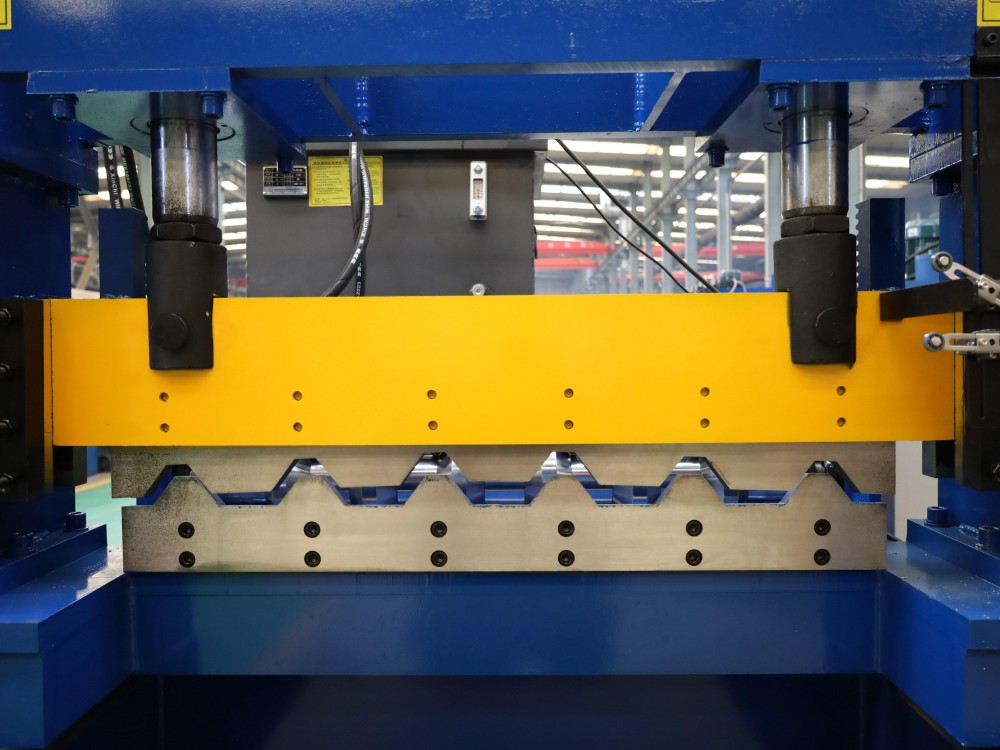
Decorative step tile roofing lines with synchronized hydraulic pressing for villas, residential roofs and architectural facades.
View Product Corrugated
Custom Corrugated Steel Roofing Roll Forming Machine Manufacturer, Company
Sinusoidal corrugated roofing and wall panel equipment for agriculture, warehouses, workshops and economical residential roofing.
View Product Space Saver
China Double Layer Roll Forming Machine Factory, Company
Two roofing profiles on one frame, reducing floor space and capital outlay for suppliers serving mixed regional markets.
View Product AG Panel
ODM Tuff Rib Panel (AG Panel) Forming Machine Company, Companies
Tuff-Rib and AG panel lines with consistent rib height, lap fit and coating protection for post-frame and agricultural buildings.
View Product Stud & Track
ODM Super Series Light Gauge Steel Roll Forming Machine (Stud & Track Roll Former) Manufacturers, Company
High-throughput stud and track production with PLC length control, punching options and fast profile changeover for LGS construction.
View Product C Stud
China Metal C Stud Roll Forming Machine Manufacturer, Companies
Metal C stud equipment for drywall and prefabricated building systems, engineered for dimensional repeatability and clean edges.
View Product Standing Seam
Custom Mechanical Lock Standing Seam Panel Former Manufacturers, Company
Heavy-duty standing seam production for field-seamed single or double lock roofs where wind uplift and weathertightness are critical.
View ProductAn Integrated Roll Forming Specialist, Not a Catalogue Reseller
Sichuan Xiongchang Technology Co., Ltd. (XC) designs and manufactures cold roll forming equipment for roofing, flooring, door, structural and light gauge steel components. The real value is not only the machine frame — it is the roll pass design, coating-safe forming strategy, factory acceptance test and long-term spare-parts support behind every line.
Manufacturing Intelligence Behind Every Roofing Sheet Line
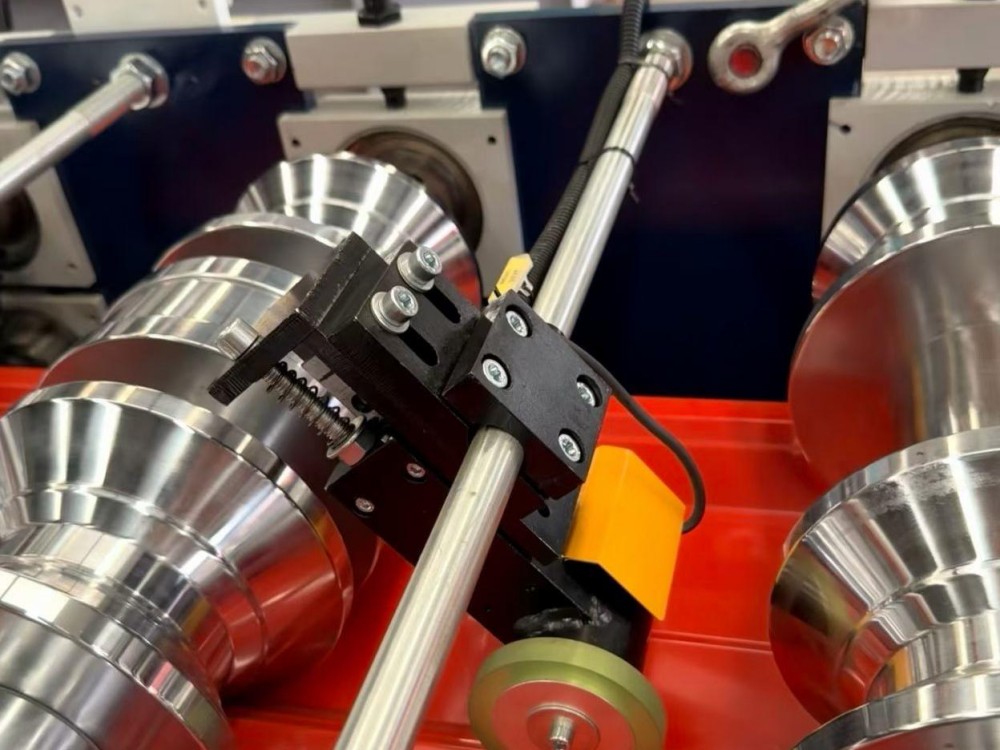
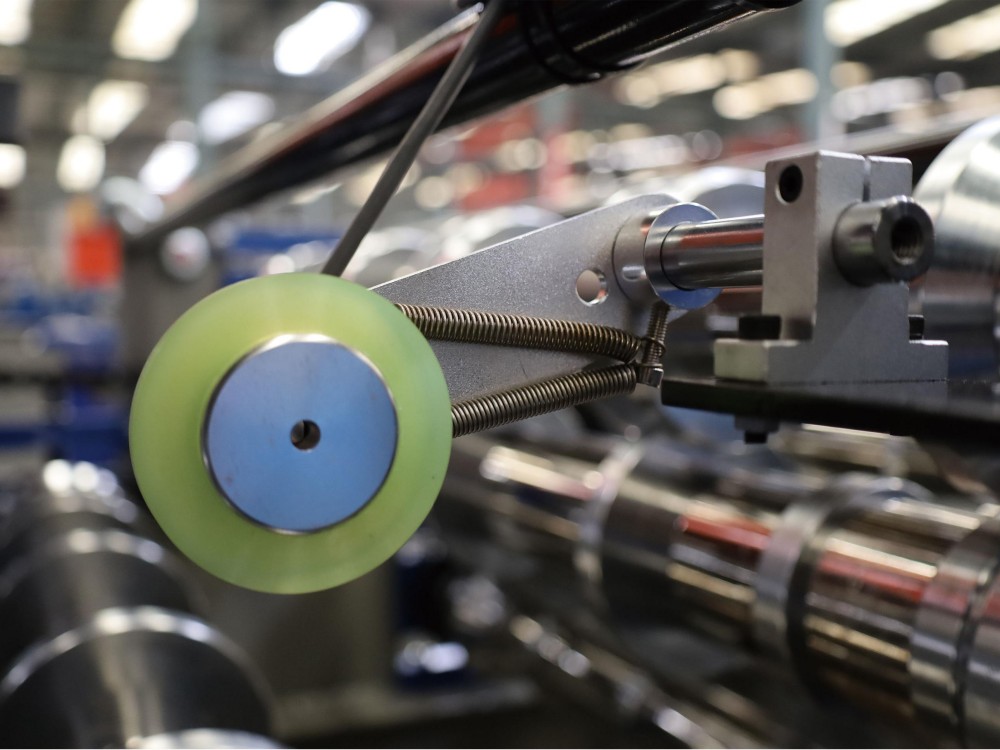
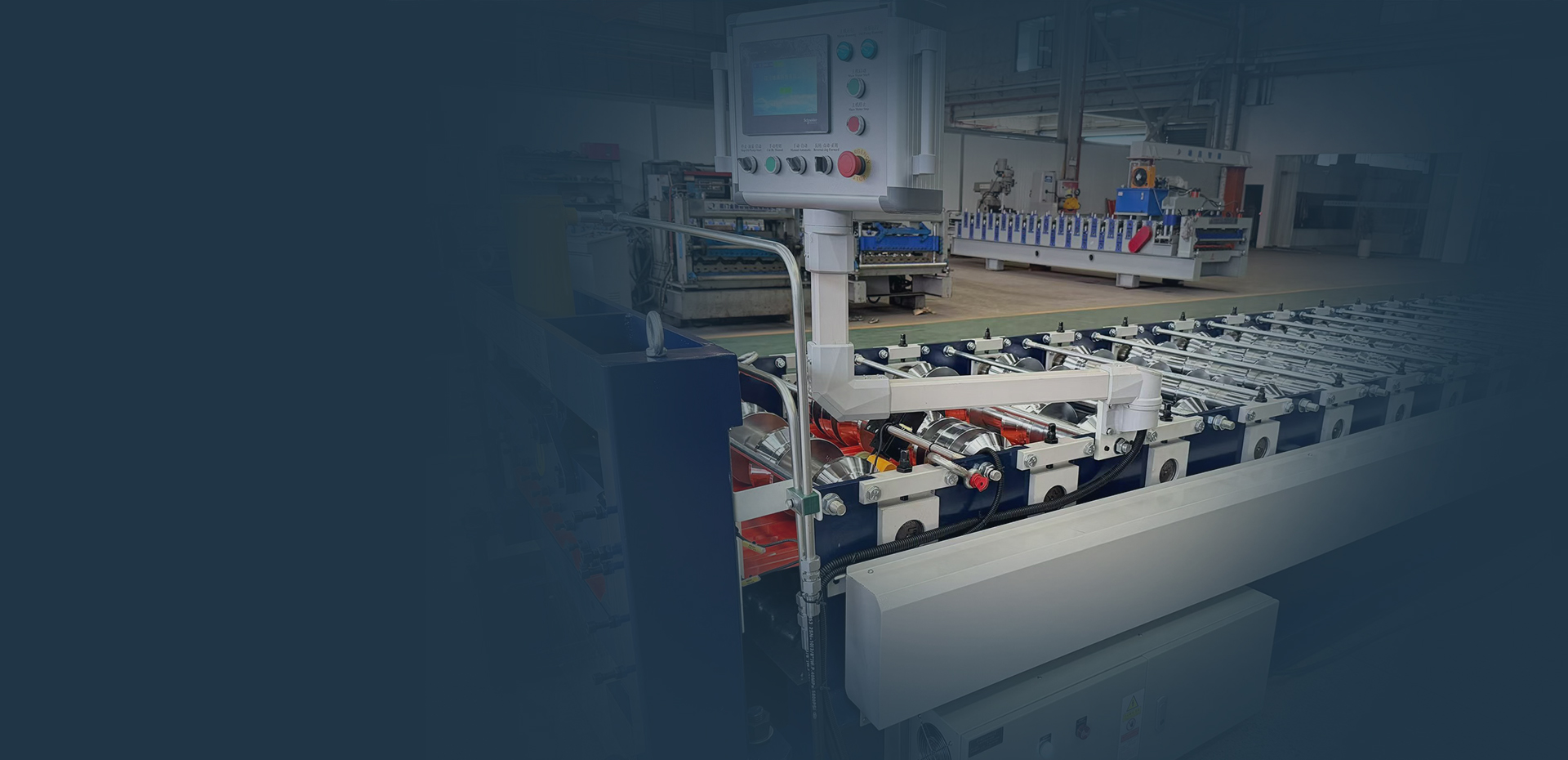
XC approaches roofing sheet manufacturing equipment as a production system, not a collection of steel stands. A typical line includes the decoiler, entry guide, progressive forming stations, hydraulic post-cutting, PLC/HMI control, output table and optional stacking or embossing. Each component is selected around the coil data, profile geometry, target output and site conditions.
For overseas buyers, the most important differentiator is engineering accountability. Our team can develop the flower pattern from a drawing, a sample panel or even a photo. We review material yield strength, coating type, thickness range and coil width before quoting, because those variables decide station count, roller material, shaft diameter, motor power and cutting method.
- Custom design from drawing, sample or photo — including IBR, Tuff-Rib, Klip-Lok style, PBR, U panel and Spanish-style tile profiles.
- In-house machining and assembly, with trial runs using coil that matches the buyer's specification.
- English manuals, electrical diagrams, remote commissioning, on-site engineer service on request and spare-parts supply.
- Voltage and frequency configured for 220V, 380V, 415V or 440V at 50Hz or 60Hz, with HMI language options.

China Factory Advantage: Why Global Buyers Choose Integrated Roll Forming Manufacturing
China's roll forming equipment sector is not a single price point. It is a deep industrial ecosystem covering steel processing, precision machining, hydraulics, motors, PLC controls, tooling and export logistics. The advantage belongs to factories that convert that ecosystem into traceable engineering and reliable after-sales support.
Faster Customisation With Controlled Cost
Access to specialist steel, rollers, bearings, servo and hydraulic components allows faster iteration on custom profiles. Buyers gain more configuration choice without the lead-time penalties common in fragmented supply chains.
Roll Pass Design Drives Panel Quality
A roofing line succeeds or fails at the roll pass. Experienced engineers spread strain across stations to prevent edge waves, oil-canning and coating cracks. This is the difference between a machine that forms metal and one that forms sellable panels.
Localised Voltage, Documentation and Support
Global projects demand more than machine fabrication: export packing, electrical diagrams, operator manuals, HMI language, remote commissioning and spare-parts planning. These details determine how quickly the line reaches stable output.
Industry Trends Shaping Roofing Sheet Equipment Procurement, 2026–2030
The market is moving from “buy a machine” to “buy a repeatable production capability.” Procurement teams now evaluate uptime, profile flexibility, coating protection, operator usability and local service responsiveness alongside price.
Energy-Efficient Metal Roofing Demand
Standing seam, cool-roof coatings and insulated metal roofing continue to gain share in commercial, industrial and residential projects. Equipment must handle thin high-strength steel without damaging paint or zinc layers.
Automation With Simpler Human Interfaces
PLC and HMI systems now store batch lengths, quantities and recipes. Multi-language screens and fault prompts reduce training time, which matters in markets where operators change frequently.
Multi-Profile Flexibility
Double layer machines, interchangeable C/Z purlin lines and quick-change cassettes let suppliers serve several customer segments without duplicating factory space or capital investment.
Coating-Safe Forming
Pre-painted PPGI, Galvalume and thin high-tensile coils demand careful bend radii, roller finish and station sequencing. Buyers increasingly ask for sample panels, not only machine specifications.
Local Profile Replication
Profiles such as IBR, Tuff-Rib, AG Panel, PBR, U panel and mechanical lock standing seam are region-specific. The winning supplier can reverse-engineer a local profile and prove the match before shipment.
Service as a Procurement Criterion
Remote diagnostics, spare-parts kits, training videos and engineer dispatch influence total cost of ownership. A line that cannot be commissioned quickly becomes an expensive asset sitting under a tarp.
Localised Application Scenarios: One Machine Platform, Many Market Realities
Roofing profiles are deeply local. A line that works well in one climate or construction culture may underperform in another. XC configures equipment around the end-use market, not only the machine type.
High-Rain, High-Humidity Roofing
Trapezoidal, IBR and standing seam profiles with attention to lap tightness, seam continuity and coating protection. Wind-uplift resistance and fastener placement influence the machine specification.
Warehouse and Industrial Roofs
PBR, U panel and trapezoidal lines for large roofs, with robust frames and heat-tolerant electrical components. Long panel runs require stable tracking and reliable cut-length control.
AG, Tuff-Rib, PBR and Standing Seam
Post-frame and agricultural suppliers need rib height accuracy and lap fit. Commercial contractors need concealed-fastener standing seam and predictable seam geometry.
Architectural Standing Seam and Tile
Double lock, mechanical lock and glazed tile profiles require surface quality and precise step depth. Equipment must protect decorative coatings during every forming pass.
Compact, Multi-Profile Production
Double layer roofing machines reduce building footprint while giving distributors the flexibility to supply trapezoidal and corrugated profiles from one investment.
Practical Output and Service Access
Simple operation, rugged structures, easily sourced electrical components and remote commissioning support help buyers reach production without waiting for long overseas service visits.
Macro Industry Solutions: From a Single Machine to a Roofing Production Business
A roll former is often the centre of a larger production system. The most competitive projects align coil sourcing, profile range, cutting, stacking, labour and maintenance into a coherent business case.
Decoiler to Finished Bundle
One integrated line covering coil feeding, guiding, progressive forming, hydraulic cutting, output receiving and PLC control. The objective is stable output with minimum manual handling and predictable panel length.
Roofing Sheet, Purlin and Floor Deck
Suppliers serving steel structure projects can combine roofing sheet equipment with C/Z purlin lines and floor deck roll forming machines. This creates a more complete product offer for contractors.
Double Layer and Interchangeable Lines
Distributors often need more than one profile but have limited floor space. Double layer roofing lines and C/Z interchangeable purlin machines let them broaden their catalogue without overcapitalising.
Global Enterprise Procurement Requirements
International buyers rarely compare machines on price alone. They compare the quality of specification, the clarity of the acceptance test, the reliability of communication and the total cost of keeping the line productive.
Drawing, Sample or Photo
Provide a profile drawing, panel sample or clear photo with dimensions. Include coil width, thickness range, yield strength and coating type.
Power and Installation
Confirm voltage, frequency, phase, control language, workshop height and available floor space. These details affect motor, cabinet and line layout choices.
Shift Capacity and Speed
State required panels per shift, standard length, maximum length and changeover frequency. This determines line speed, automation level and operator workflow.
FAT and Sample Approval
Ask for a test run with matching coil, measured sample panels, inspection photos and video. This is more meaningful than a catalogue photo.
Spares, Training and Service
Clarify spare blades, bearings, sensors, manuals, warranty, remote support and on-site commissioning. The lowest purchase price is not the lowest ownership cost.
Buyer's Specification Guide: Compare Roofing Sheet Machines Before You Request a Quote
Quotes become comparable only when the machine parameters are comparable. Use this indicative guide to review any supplier's offer, including XC's, against the same technical baseline.
| Machine Type | Typical Coil Thickness | Forming Stations | Typical Line Speed | What to Verify |
|---|---|---|---|---|
| Trapezoidal / IBR Roofing | 0.3–0.8 mm | 16–22 | 15–30 m/min | Roller material, chrome thickness and shaft diameter |
| Corrugated Roofing | 0.3–0.6 mm | 18–24 | 15–30 m/min | Wave pitch accuracy and edge waviness on thin coil |
| Glazed Step Tile | 0.3–0.7 mm | 12–18 | 3–6 m/min | Press-station cycle and step-depth consistency |
| Standing Seam | 0.4–0.8 mm | 12–20 | 10–20 m/min | Seam system compatibility and panel width adjustment |
| C/Z Purlin | 1.5–3.0 mm | 14–20 | 10–20 m/min | Size-change method and punching die quality |
| Floor Deck | 0.7–1.5 mm | 20–30 | 10–15 m/min | Embossing pattern and frame rigidity for deck depth |
Ranges reflect typical configurations for reference only. Final parameters are engineered to your profile drawing, material yield strength, output target and site power supply. For the complete product architecture, review the roofing sheet roll forming machine, double layer roofing sheet making machine, light gauge steel roll forming machine and hot products categories.
Inside a Cold Roll Forming Line: From Profile Drawing to First Panel
A transparent five-step process helps overseas buyers know exactly what happens, when approval is required and how production risk is controlled before shipment.
Profile & Coil Review
Send your drawing, sample or photo plus coil data. Engineers check whether the profile can be formed and flag risks such as sharp bends, thin high-strength steel or difficult coating systems.
Roll Pass Design & Proposal
You receive station count, roller material, drive arrangement, cutting system, power configuration, delivery schedule and the commercial offer.
Manufacturing & QC
Frames, shafts and rollers are machined and assembled in-house, with inspection at each critical stage. The machine is built as one production system.
Trial Run & Acceptance
The line runs with coil matching your specification. Sample panels are measured against the drawing, and a trial-run video plus inspection photos are shared for approval.
Shipping & Commissioning
Export packing and documentation are prepared, followed by remote or on-site installation, commissioning and operator training.
Standard roofing sheet lines are commonly ready within 30 to 45 working days after drawing confirmation. Purlin, floor deck, double layer and fully customised lines may require a longer schedule, which is confirmed in each proposal.

E-E-A-T in Practice: Evidence You Can Audit Before the Balance Payment
Experience, expertise, authoritativeness and trust are not slogans in capital equipment. They appear in measurable details: whether the rollers hold tolerance after long runs, whether paint cracks at the bend, whether the cutter crushes the rib and whether the operator can recover a fault without an engineer on site.
XC provides English manuals and electrical diagrams, remote video guidance for installation and commissioning, on-site engineer service on request, and spare parts such as blades, bearings and electrical components. Every line is assembled and test-run in the factory with coil that matches your specification. Sample panels are measured against your drawing, and a trial-run video plus inspection photos are shared for approval before packing.
- Factory acceptance test with matching coil and measured samples.
- Profile-matched cutting blade and encoder-controlled length.
- Language-configurable HMI, export packing and spare-parts planning.
Field Knowledge From Our Engineers
Maintenance, coating quality and roll pass design are often discussed separately. In production, they are connected. These engineering topics reflect the questions buyers ask during machine evaluation and after commissioning.
Roll Forming Advantages and Applications
Why continuous roll forming beats press braking for long, consistent profiles, and which industries gain the most from it.
Read the BlogBearing Damage in Multi-Stand Roll Forming Stations
Six root causes of bearing failure and the diagnostic checks that show up as strip tracking loss, roll runout and coating defects.
Read the BlogZinc and Color Coating Cracking at Bending Zones
From bend radius to roll pass design, coating-safe forming prevents cracks at the bend line and protects the visual quality of finished panels.
Read the BlogBuyer FAQ: Questions Overseas Buyers Ask Most
Straight answers based on the projects we deliver every year. For a profile-specific review, send the drawing, coil data and target output directly to our engineers.
What information do I need to send for an accurate roll forming machine proposal?
Can XC build a roll forming machine for a local or non-standard profile?
How is machine quality verified before shipment?
What is the typical lead time for a roll forming machine?
What after-sales support does XC provide to overseas buyers?
Can machines be configured for my local power supply?
More Custom Roll Forming and Roofing Equipment Solutions
The remaining eight platform solutions cover standing seam variants, purlin and floor deck systems, PBR and U panel roofing, and interchangeable structural profiles. Together they show how XC supports both roofing sheet manufacturing and the wider steel building supply chain.
 Nail Strip
China Nail Strip Standing Seam Panel Machine Manufacturer, Factory
Nail strip standing seam panels with an integrated nailing flange for residential and light commercial roofs, reducing separate clip handling.
View Product Floor Deck
Custom Floor Deck Roll Forming Machine Manufacturer, Factory
Composite steel floor decking equipment with embossing rolls for concrete bond and a heavy-duty frame for deck-depth consistency.
View Product C Purlin
ODM Metal C Purlin Roll Forming Machine Manufacturers, Factory
Automatic C-section production with PLC length control and hydraulic punching for steel structure and wall girt applications.
View Product PBR Panel
China PBR Panel Metal Roofing Forming Machine Manufacturers, Company
PBR panel roofing machines for warehouse, commercial and agricultural buildings, engineered for rib accuracy and consistent cover width.
View Product Z Purlin
China Z Purlin Cold Roll Forming Machine Factory, Factories
Dedicated Z-section production with lapping capability for long-span roof purlins and wall girts in steel buildings.
View Product C/Z Change
Custom C Z Interchangeable Purlin Machine Factories, Companies
One line for C and Z purlins with faster size changeover, helping fabricators support multiple steel building projects from one investment.
View Product Snap Lock
China Snap Lock Standing Seam Panel Machine Manufacturers, Factory
Snap lock standing seam panel equipment with controlled male and female seam geometry for watertight, field-friendly installation.
View Product U Panel
ODM U Panel Roofing Roll Former Factories, Company
U panel roofing roll formers for industrial and commercial cladding, with configurable width, rib geometry and cutting arrangement.
View ProductWhy XC Is Positioned for Custom Roofing Sheet Equipment Projects
Sichuan Xiongchang Technology Co., Ltd. combines roll forming engineering, in-house manufacturing and export support. The company serves roofing sheet, standing seam, purlin, floor deck, light gauge steel and structural profile markets, with a practical focus on profile accuracy, coating protection and commissioning speed.
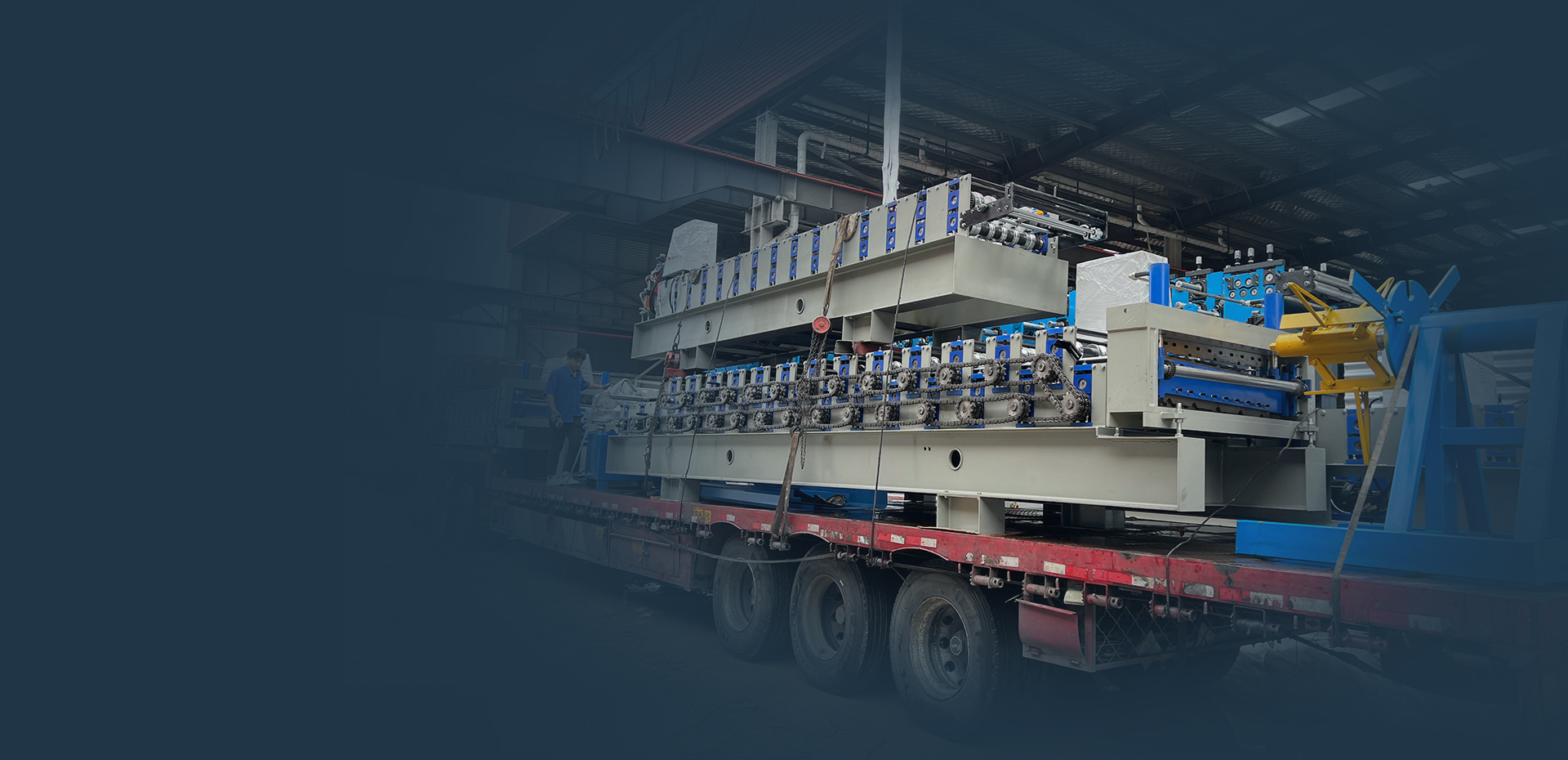
Planning Your Next Roofing Sheet Forming Line?
Send your profile drawing, sample photo, coil data and local voltage. Our engineers will review the roll pass, define the machine configuration and return a factory proposal with test-run criteria, lead time and support scope.