Roll Forming Machines for C/Z Purlin and Metal Building Production
Every model is configured to coil thickness, yield strength, profile drawing, output target and site power supply. Standard catalogues are a starting point, not a limitation.
 Custom Floor Deck roll forming machine Manufacturer, Factory
View product →
 China Metal C Stud Roll Forming Machine Manufacturer, Companies
View product →
 ODM Super Series Light Gauge Steel Roll Forming Machine (Stud & Track Roll Former) Manufacturers, Company
View product →
 China Nail Strip Standing Seam Panel machine Manufacturer, Factory
View product →
 China Industrial IBR Sheet Forming Machine for Metal Roofing Factories, Companies
View product →
 ODM U panel roofing roll former Factories, Company
View product →
 Custom C Z Interchangeable Purlin Machine Factories, Companies
View product →
 China Glazed Tile Roll Forming Machine Factory, Company
View product →
Why “Custom C And Z Purlin Machine Factory & Companies” Is a High-Intent Buyer Query
This is not a casual search. It usually comes from a steel structure fabricator, roofing supplier, building-material distributor or EPC procurement team comparing factory capability before a capital commitment.
The phrase combines three commercial signals: custom engineering, C and Z purlin profiles, and the supplier type—factory and companies. Buyers want a manufacturer that can form both C and Z sections, adapt to local steel grades and building standards, and support installation long after the machine leaves the factory.
For a typical pre-engineered steel building, purlins carry roof and wall loads into the main frame. A C purlin is commonly used for simple-span roof purlins, wall girts and framed openings. A Z purlin can be lapped and nested to create continuous runs, which is why it is often selected for long-span roofs and wall systems where continuity improves structural efficiency. The practical difference is not only the profile shape. It is the machine’s ability to change tooling, control hole positions, hold camber and deliver consistent length batch after batch.
An interchangeable C/Z line changes the economics of a fabricator’s production floor. Instead of dedicating capital to one profile family, the operator can respond to mixed project demand. That flexibility matters in export-oriented building suppliers, where one month may require C purlins for a warehouse and the next may require Z purlins for a logistics centre. The machine must be engineered around quick and repeatable changeover, not simply marketed as “interchangeable.”
XC XiongChang has supplied cold roll forming equipment to overseas buyers since 2010, with a team that brings more than 20 years of hands-on roll forming experience. Our factory covers 50,000 m² for machining and assembly, and more than 1,000 cooperative customers worldwide have used XC lines for roofing, purlin, floor deck and light gauge steel applications. The operative word is evidence: drawings, roll pass design, factory acceptance testing and documented support.
Information gain for procurement teams: ask every C/Z purlin machine supplier to identify the roll pass design source, the size-change method, the punching strategy, the cut-length control principle, the voltage configuration, and the exact spare-parts list. A factory that can answer these questions before price negotiation is usually a safer partner than one that only sends a catalogue.
Three tests of a real factory
- Can it show in-house machining, assembly and test-run capability?
- Can it explain the C/Z changeover method without vague claims?
- Can it align voltage, HMI language, documentation and spare parts to your site?
Years of roll forming industry experience across the engineering team
m² production base for machining and assembly
Cooperative customers worldwide, with remote and on-site commissioning
Lines test-run before dispatch, with sample panels and inspection evidence
Inside a Cold Roll Forming Line: The C/Z Purlin Perspective
A roll former is only as good as its weakest station. The sequence below is the practical anatomy of a line—whether it produces roofing sheets, purlins or floor deck.
The original XC engineering principle is simple: every stage must protect strip alignment, coating integrity and dimensional repeatability. In a C/Z purlin line, the challenge increases because the material is thicker, the section is structural, and the holes must line up with downstream steel erection. A few tenths of a millimetre in the wrong place can become a field problem.
Decoiler & Coil Feeding
A manual or hydraulic decoiler feeds coil under controlled tension. Stable unwinding prevents strip wander, which is the first cause of camber and twisted panels.
Entry Guiding
Adjustable entry guides square the strip to the roll centreline before the first pass. Correct alignment here largely decides the straightness of the finished panel.
Progressive Forming Stations
Each station bends the strip a few degrees at a time. XC’s roll pass design spreads strain evenly to protect zinc and paint coatings and to avoid edge waves on thin coils.
Hydraulic Post-Cutting
An encoder measures strip travel and the PLC triggers a profile-matched blade. The result is burr-free cuts within ±1 mm, without crushing ribs or seams.
PLC & HMI Control
A touch-screen HMI stores batch lengths and quantities, monitors faults and supports multi-language operation, so new operators get up to speed quickly.

Industry Solution: Turnkey Cold Roll Forming
XC supplies more than a machine. We deliver complete production lines, including the decoiler, forming mill, punching, cutting, stacking and control system, engineered as one integrated unit so your output starts on schedule.

Equipment Supply & After-Sales Support
Our customers range from residential roofing suppliers to large industrial and infrastructure contractors. Each line ships with English manuals, electrical diagrams, spare parts and remote or on-site commissioning, which supports long-term operational reliability.
Roll Forming Machines by Application
Choose a machine family below. Every model is configured to your coil thickness, yield strength, profile drawing and site power supply. The catalogue is a starting point, not a limit.
Roofing Sheet Roll Forming Machines
For trapezoidal (IBR), corrugated, glazed tile and dual-profile production from PPGI, GI and Galvalume coils. This is the most requested category for building-material distributors and roofing contractors.
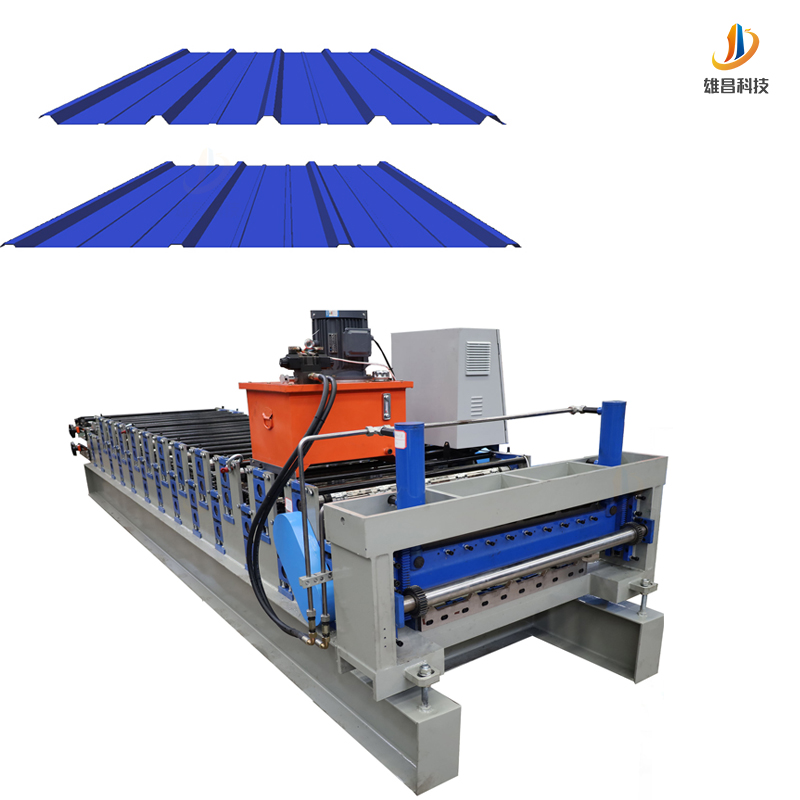
Double Layer Roll Forming Machine
Two roofing profiles on one frame, such as trapezoidal and corrugated. This cuts floor space and capital cost for suppliers serving mixed markets.
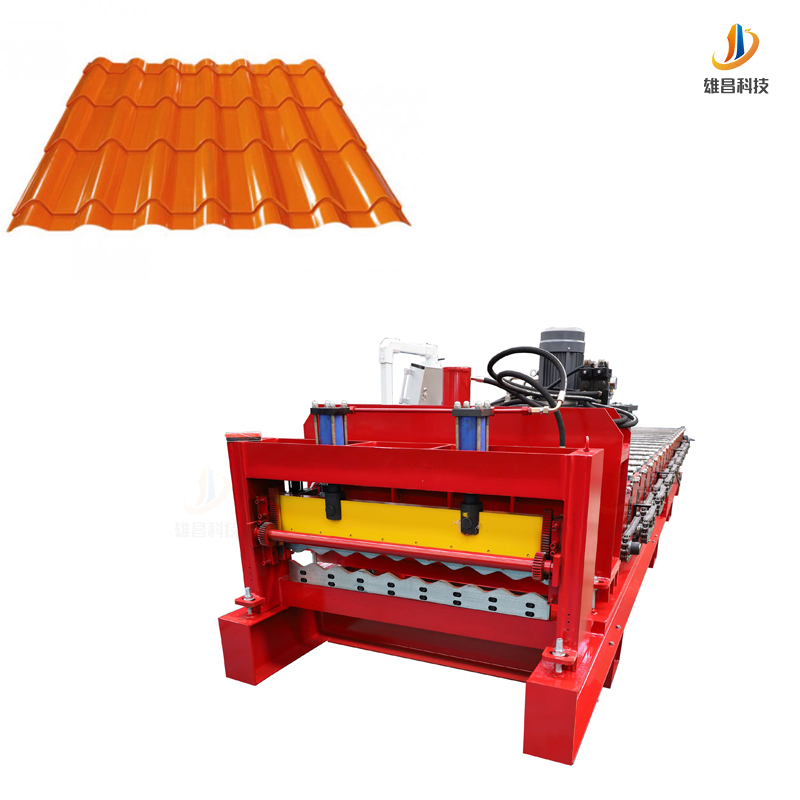
Glazed Tile Roll Forming Machine
Forms decorative step-tile panels. A hydraulic press station is synchronized with the PLC to give uniform step depth and clean tile lines.
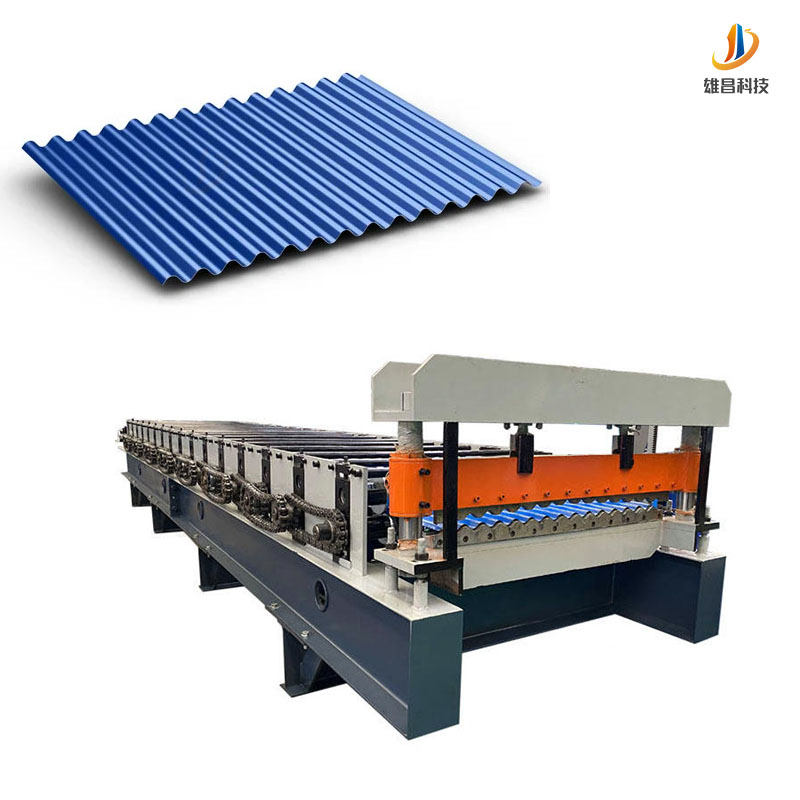
Corrugated Steel Roofing Roll Forming Machine
Rolls sinusoidal corrugated sheets. It is an economical, high-volume profile for agricultural, residential and warehouse roofs and walls.
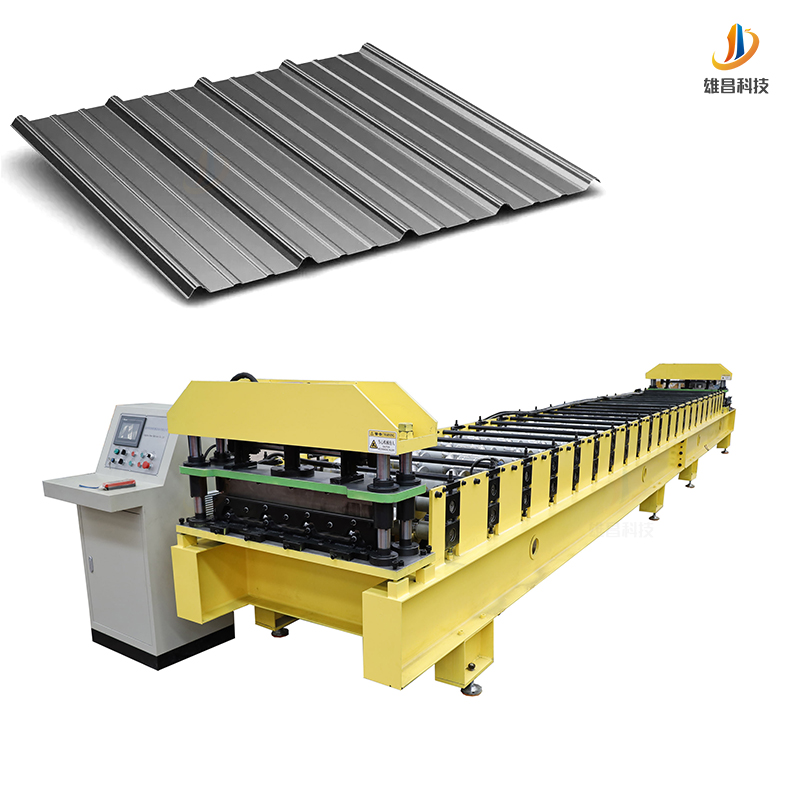
Tuff-Rib (AG Panel) Forming Machine
Produces AG and Tuff-Rib panels with consistent rib height and lap fit. It is built for post-frame and agricultural building suppliers.
Standing Seam Roll Formers
Concealed-fastener panel machines for architectural and commercial roofs. Each one is matched to a seam system so panels lock reliably on site, with no oil-canning from uneven forming.
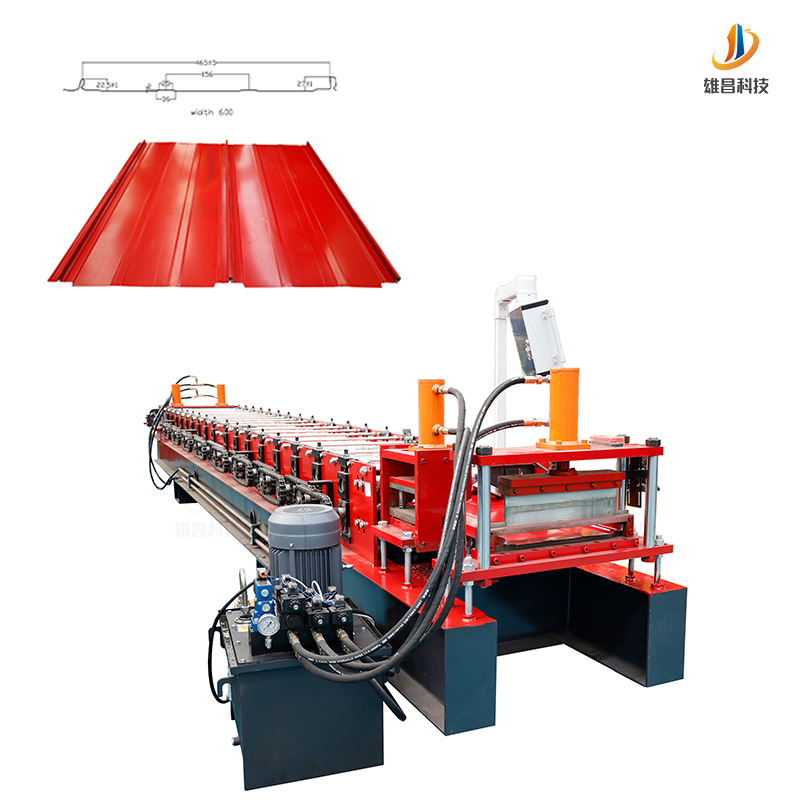
Nail Strip Standing Seam Panel Machine
Snap-lock panels with an integrated nailing flange. No separate clips are needed, which makes it ideal for residential and light commercial roofs.
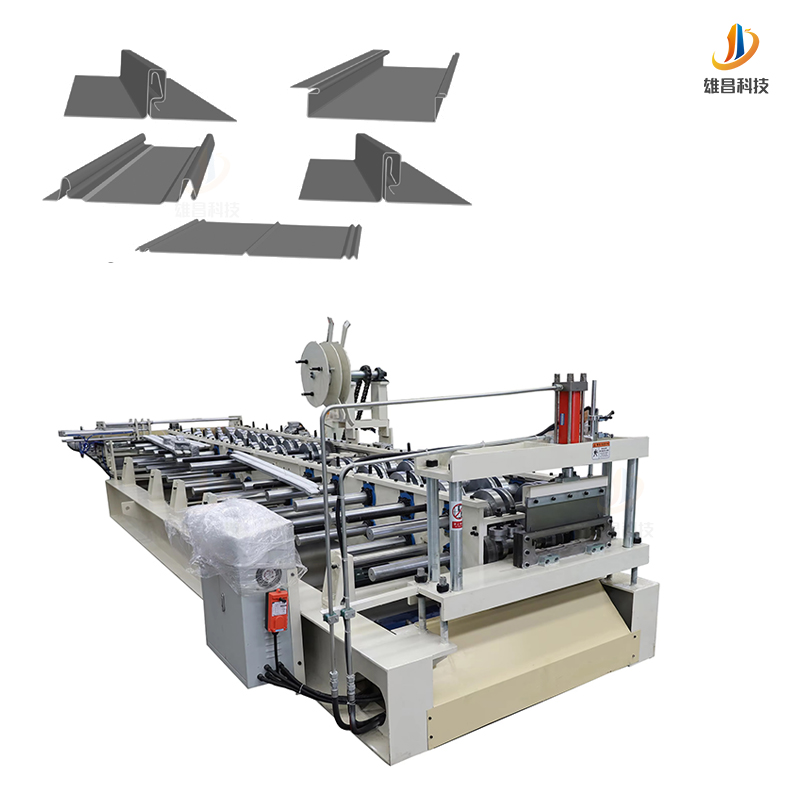
Snap Lock Standing Seam Panel Machine
Forms male and female seam legs that snap together by hand. The fit tolerance is controlled for watertight, field-friendly installation.
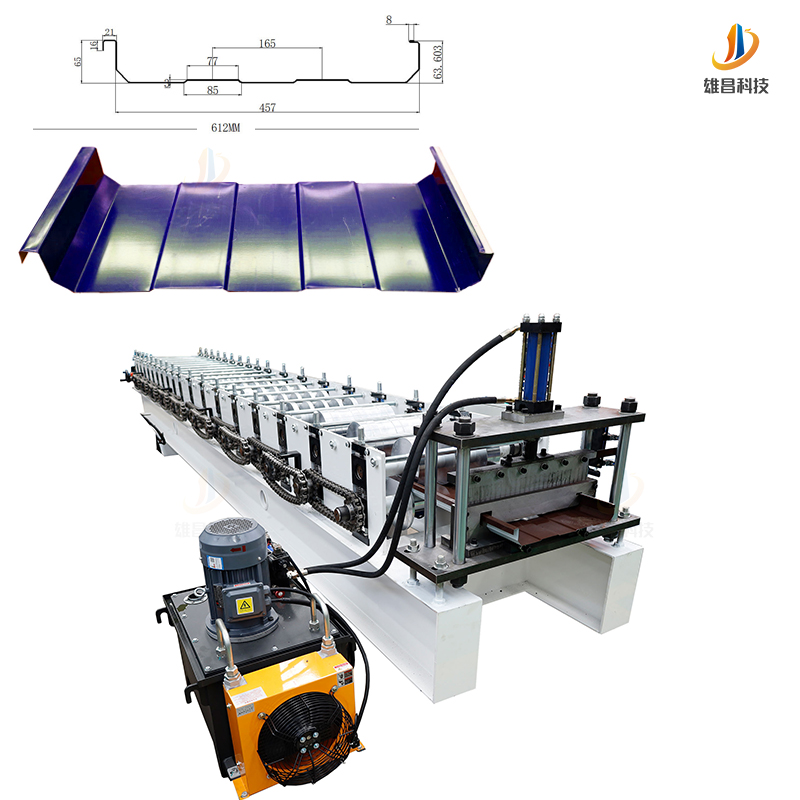
Mechanical Lock Standing Seam Panel Former
High-strength panels for field-seamed single or double lock systems. Wind-uplift resistance makes it suitable for large-span industrial roofs.
Purlin Roll Forming Machines
Heavy-gauge lines for C and Z purlins used in steel structure buildings. They include pre-punching and post-cutting options to deliver ready-to-erect members.
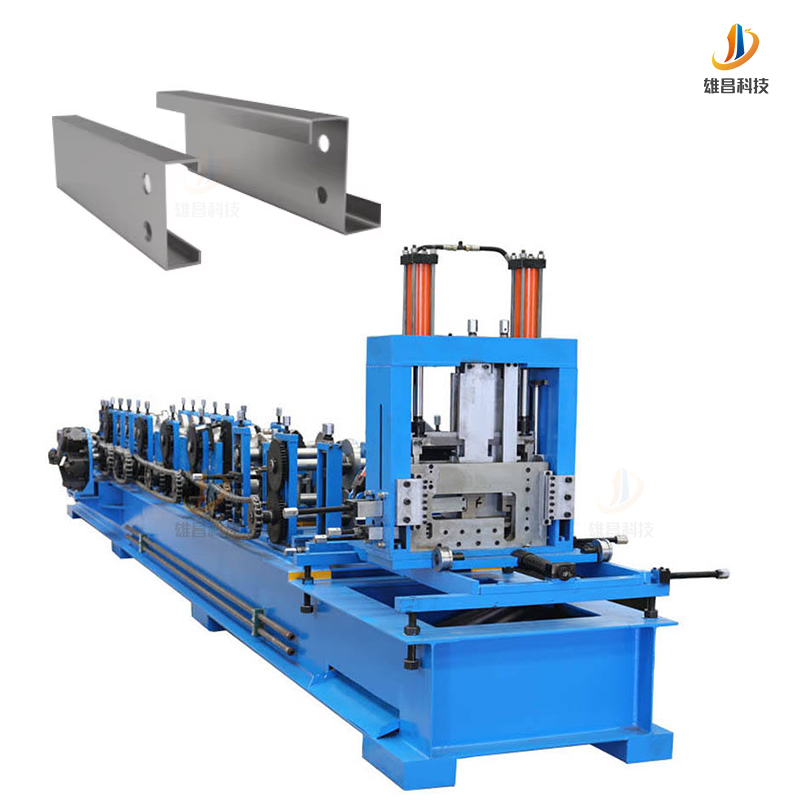
C/Z Interchangeable Purlin Machine
Produces both C and Z purlins on one line with fast size changeover. This keeps one investment flexible across many building projects.
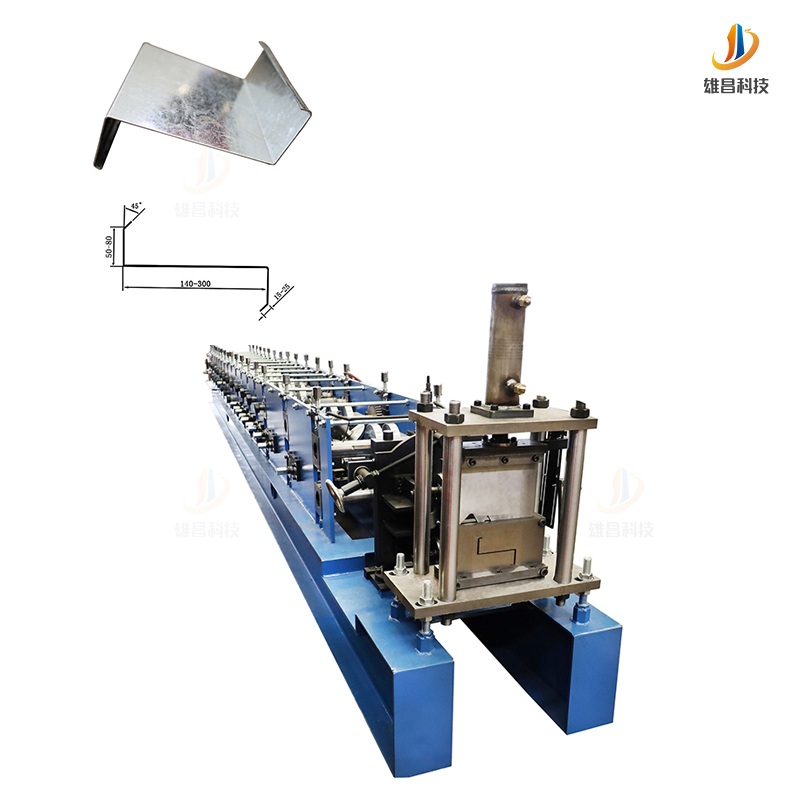
Z Purlin Cold Roll Forming Machine
A dedicated Z-section line with lapping capability for continuous purlin runs on long-span roofs and wall girts.
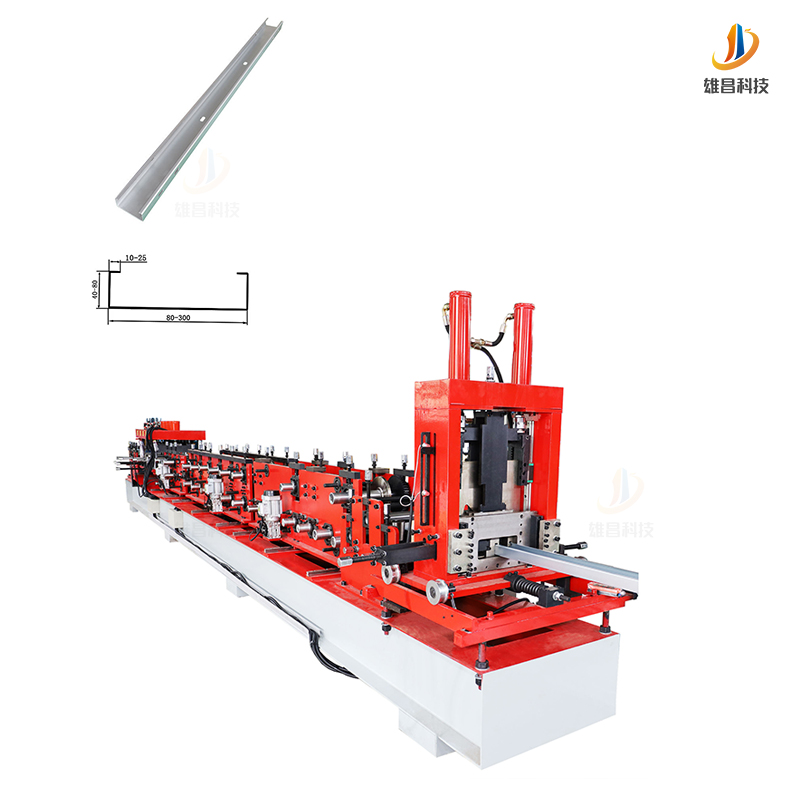
Metal C Purlin Roll Forming Machine
Continuous, fully automatic C-section production with PLC length control and hydraulic punching for bolt holes.
Floor Deck Roll Forming Machine
For composite steel decking in multi-storey concrete slabs, from commercial buildings to industrial mezzanines.
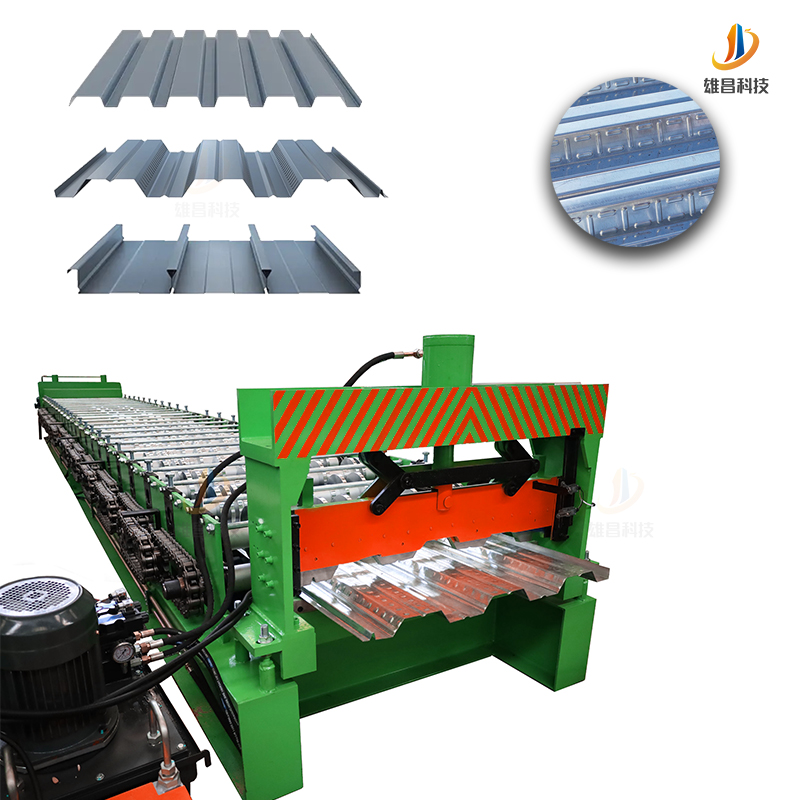
Steel Floor Deck Roll Forming Machine
This line converts galvanized coil into composite floor decking. Embossing rolls create the mechanical bond with concrete, and a heavy-duty frame holds deck depth and cover width over long production runs.
- Typical Material: Galvanized steel, 0.7–1.5 mm
- Key Feature: Embossing for concrete bond
- Frame: Heavy-duty welded or cast stands
- Cutting: Profile-matched hydraulic blade
C and Z Purlin Machine Engineering: What Buyers Should Verify
A C/Z interchangeable line is a production system, not a shape-shifting catalogue item. The engineering details determine changeover time, hole accuracy and total operating cost.
C and Z purlins are both cold-formed steel sections, but they solve different structural problems. The C section is symmetrical and straightforward to nest and handle. The Z section is asymmetrical and can be lapped at supports to behave as a continuous member. For a fabricator, the commercial value of an interchangeable machine is the ability to quote both profile families without tying up capital in two separate lines.
Yet interchangeability is often oversold. A credible factory will explain whether changeover is achieved through spacer adjustment, movable roll stations, cassette exchange or hydraulic positioning. It will also explain how the web height, flange width, lip dimension and punching pattern are adjusted, and which parameters remain fixed. Manual size change may be entirely appropriate for a fabricator with infrequent batch changes. A servo-assisted quick-change system may be justified for a distributor with many short runs. The right answer depends on the order book, not the brochure.
Pre-punching and post-punching also deserve scrutiny. Punching before forming can be fast, but if the strip is thick or the hole pattern is dense, the punching stress may affect flatness. Post-punching after forming can improve hole quality and is easier to align with the finished section, but it may constrain line speed. Many purlin lines combine both strategies: pre-punch for repetitive holes and post-cut or post-punch for selected features. The proposal should show exactly where each operation occurs.
Finally, verify the measuring chain. Encoder-controlled cut length, hydraulic blade clearance, roll shaft rigidity and bearing quality all influence field fit. A ±1 mm cut-length claim is meaningful only when it is tied to a specific material, speed range and profile. XC validates the line with coil that matches the buyer’s specification and shares sample measurements plus a trial-run video before packing.
Indicative C/Z Purlin Line Parameters
| Material | GI, PPGI, Galvalume, black steel |
| Thickness | Commonly 1.5–3.0 mm, project-specific |
| Profiles | C, Z, C/Z interchangeable |
| Punching | Pre-punch, post-punch or inline combination |
| Cutting | Hydraulic post-cut with encoder length control |
| Control | PLC + HMI, batch memory, fault display |
| Power | 220/380/415/440V, 50/60Hz on request |
Final parameters are engineered to your drawing, yield strength, hole pattern and output target.
Discuss Your ProfileLocalized Support and Compliance Safeguards for Overseas Projects
A roll forming line crosses borders. The electrical supply, operator language, documentation package, spare-parts plan and commissioning route must cross borders with it.
For global buyers, “local support” should be a documented process—not a promise. XC aligns each line to the site voltage and frequency, supplies English manuals and electrical diagrams, supports remote video commissioning and can arrange on-site engineer service on request. Compliance is handled as a project file: the buyer’s local authority remains responsible for final acceptance, while XC provides the technical evidence needed for review.
Electrical Fit
Motors, hydraulic stations and control cabinets configured for 220V, 380V, 415V or 440V at 50Hz or 60Hz. HMI language options help local operators work confidently.
Documentation Pack
English manuals, electrical diagrams, component lists, trial-run records and inspection photos. Additional project documentation can be prepared against the buyer’s compliance checklist.
Compliance Alignment
Local electrical and safety requirements vary by market. XC supports component selection, risk documentation and factory testing; final compliance review should be confirmed with the buyer’s local engineer or authority.
Remote & On-Site Support
Remote video guidance for installation and commissioning, plus on-site engineer service on request. Operator training covers start-up, size change, lubrication and fault diagnosis.
Spare-Parts Readiness
Critical spares such as blades, bearings, hydraulic seals and electrical components can be listed in the proposal. A recommended first-order kit reduces unplanned downtime.
Acceptance Evidence
Sample panels are measured against the drawing. A trial-run video and inspection photos are shared for approval before packing, supporting a transparent pre-shipment acceptance process.
China Factory Supply-Chain Advantage Without Sacrificing Accountability
The advantage is not simply a lower equipment price. It is the depth of machining, component sourcing, engineering iteration and export experience that surrounds the factory.
Sichuan Xiongchang Technology Co., Ltd. (XC) designs and manufactures cold roll forming equipment for roofing, flooring, door and structural components, together with the auxiliary line equipment each system needs to run efficiently.
Our team brings more than 20 years of hands-on roll forming experience. That experience shows in the details buyers notice after installation: rollers that hold tolerance, coatings that do not crack at the bend, and panels that fit on the roof the first time.
China’s manufacturing ecosystem supports fast access to steel, motors, gearboxes, PLCs, hydraulics, sensors and precision machining services. In a well-integrated factory, that ecosystem becomes shorter engineering loops: a profile issue can be reviewed, a roll pass adjusted, a part machined and a test sample produced without sending the project through multiple unrelated suppliers. The result is not automatic quality. It is a shorter path to verified quality.
- Design from drawing, sample or photo
- In-house machining & assembly
- Video acceptance before payment balance
- Lifetime technical support



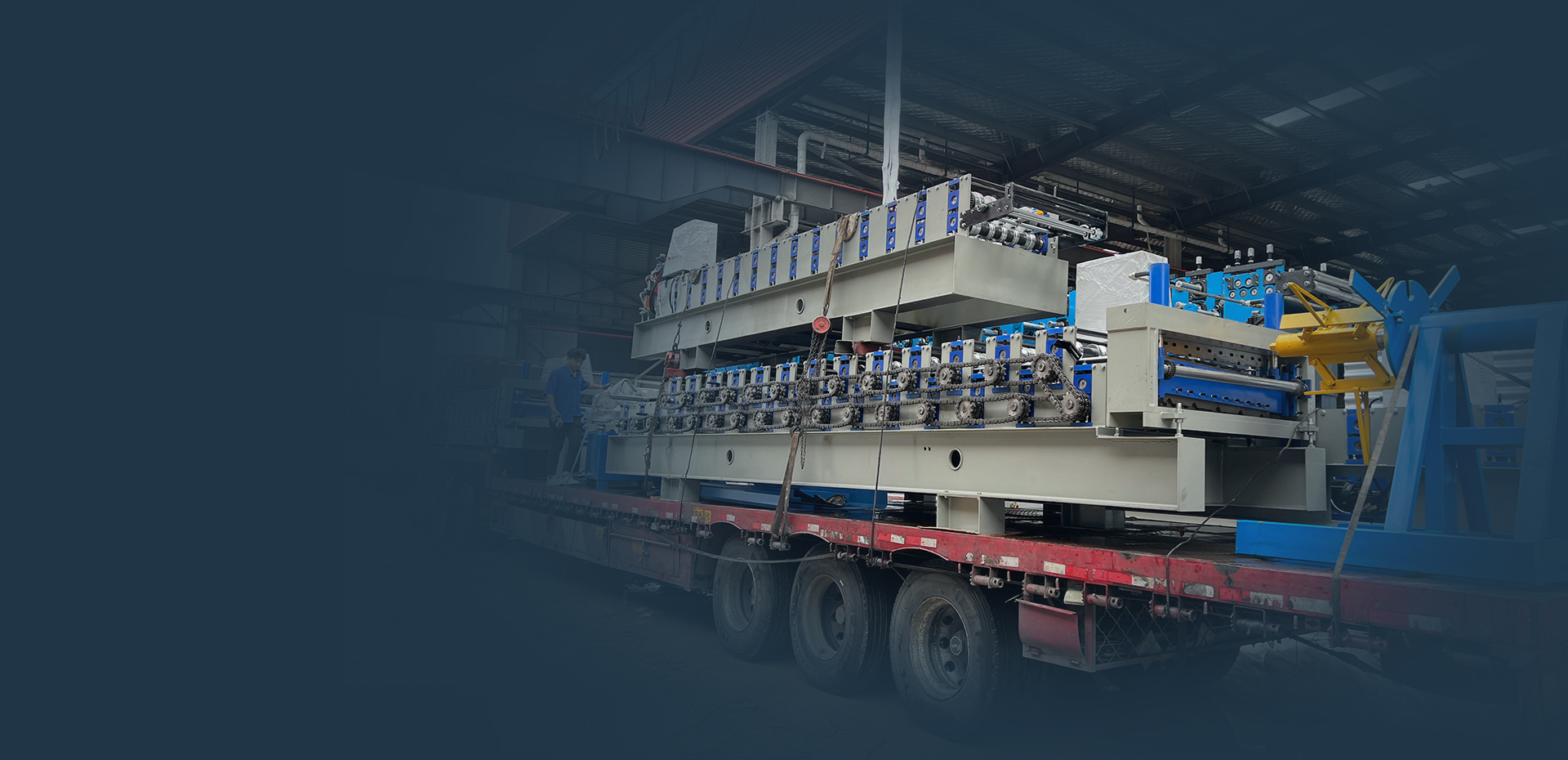
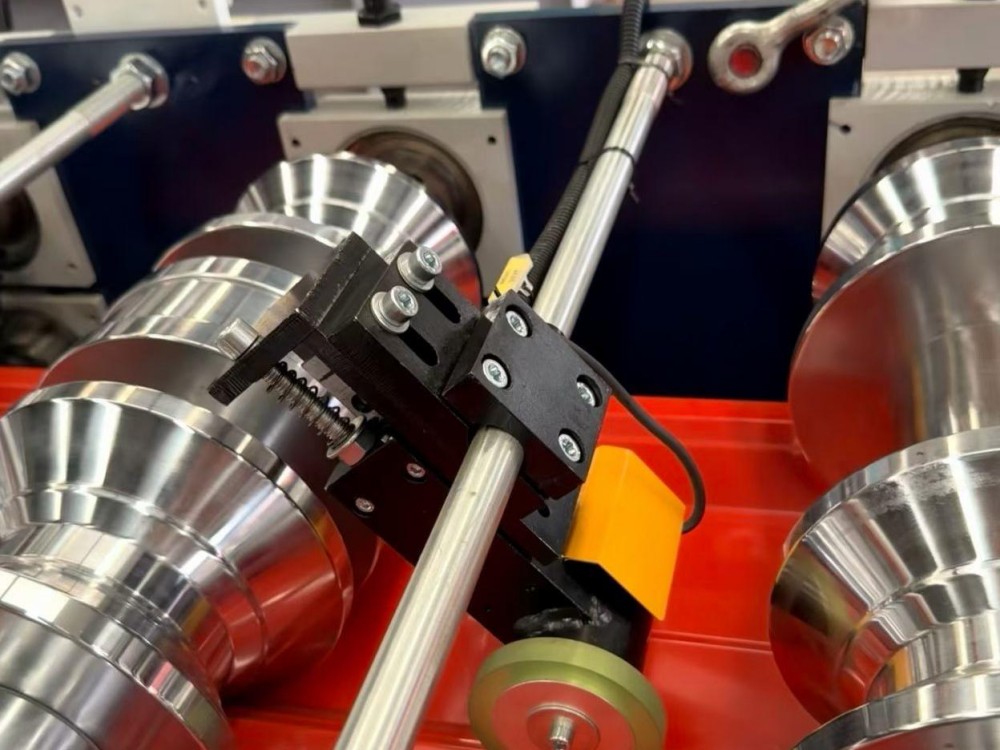
Proven Expertise & Innovation
Two decades of profile development across roofing, structural and decking applications. We have solved the edge waves, flare and coating cracks that cheaper machines leave to the buyer.
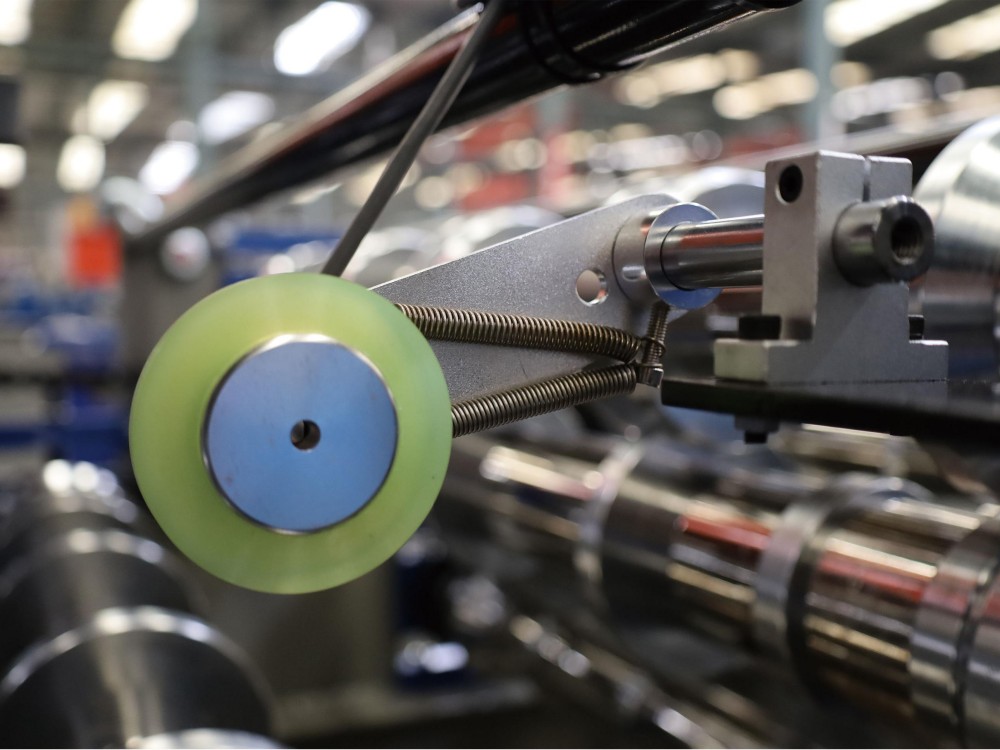
Built for Performance & Longevity
Rigid frames, precision-machined shafts and hard-chrome plated rollers keep profiles within tolerance shift after shift. That protects your margin and your reputation with contractors.
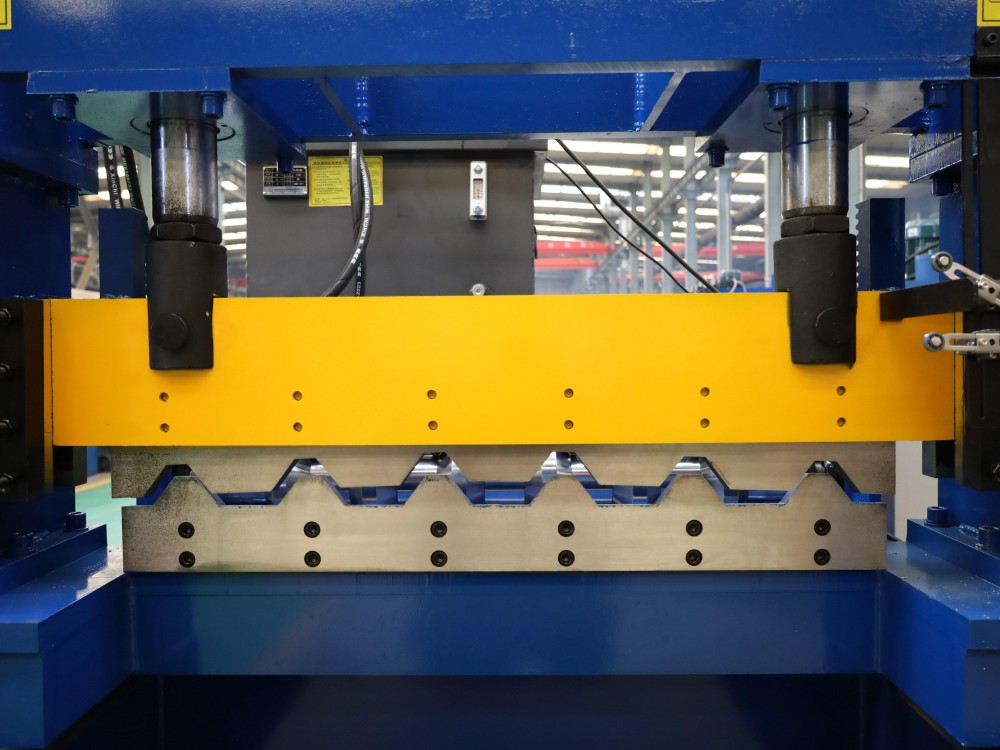
Commitment to Customer Success
Engineers answer technical questions directly, from pre-sale profile review to commissioning and spare parts. You get one accountable team for the full life of the machine.
Years of roll forming industry experience
m² factory area for machining & assembly
Cooperative customers worldwide
Team members across engineering & production
What Global Enterprise Buyers Expect from a Purlin Machine Supplier
Enterprise procurement teams rarely buy on price alone. They compare risk, total cost of ownership, commissioning support, spares and the supplier’s ability to produce evidence.
A C/Z purlin machine is a long-cycle asset. The purchase decision may be influenced by the initial quote, but the operating cost is shaped by changeover time, scrap rate, energy use, maintenance and spare-parts availability. A low-cost machine that cannot hold hole position will consume more money in field rework than it saves at the factory gate.
Global buyers also manage documentation risk. They need drawings, electrical diagrams, inspection records, packing lists and a clear commissioning plan. They may need the machine configured for a 415V/50Hz supply in one market and a 440V/60Hz supply in another. They may ask for operator manuals in English and HMI screens in a local language. These are not afterthoughts. They are part of the specification.
Use the bar chart as a discussion tool, not as a universal ranking. Every project weights these factors differently. A distributor with many small batches may prioritize quick changeover. An EPC supplier may prioritize factory acceptance testing and documentation. A remote contractor may prioritize remote commissioning and spare-parts lead time.
Typical procurement weighting
Illustrative weighting only. Actual priorities should be agreed with your engineering and procurement teams.
| Procurement Priority | Evidence to Request | Why It Matters |
|---|---|---|
| Factory capability | Factory video, machine list, in-house machining photos, QC flow | Separates a manufacturer from a trading intermediary |
| C/Z changeover | Changeover procedure, video, tooling list, estimated change time | Determines real production flexibility |
| Hole & length accuracy | Sample measurement report, encoder/cut system details | Prevents field rework during steel erection |
| Local power fit | Electrical diagram, component list, voltage/frequency confirmation | Reduces installation delay and safety risk |
| Documentation | Manuals, drawings, inspection records, packing list | Supports compliance review and maintenance |
| After-sales | Spare-parts list, remote support process, on-site service terms | Protects uptime over the machine lifecycle |
Industry Trends Shaping C/Z Purlin Machine Demand
The direction is clear: more flexibility, more documentation and more pressure to reduce total cost—not simply the lowest machine price.
Flexible C/Z Changeover
Fabricators want one capital asset to serve mixed project demand. Quick-change tooling, movable stations and servo-assisted positioning are becoming stronger buying criteria.
Inline Punching & Traceability
Hole patterns are part of the structural interface. Buyers increasingly ask for punch-sequence documentation, die-maintenance plans and first-article inspection records.
Coating-Safe Forming
Thin-gauge and pre-painted steels demand gentler roll pass design. Edge waves, coating cracks and roller marks are no longer acceptable at the project site.
Digital Documentation
Remote factory acceptance, video inspection and digital manuals reduce travel and speed up approval. Documentation quality is becoming part of machine quality.
Local Profile Adaptation
IBR, Tuff-Rib, AG panel, standing seam and regional purlin standards differ. A factory that can engineer from a drawing has an advantage over one that only sells fixed catalogues.
Sustainable Steel Construction
Steel structures continue to grow in warehouses, logistics centres and industrial facilities. Efficient purlin production supports faster erection and less material waste.
Six Industries, One Forming Expertise
From architecture and building materials to transportation and new energy, the same forming discipline applies: repeatable sections, accurate holes and a line that fits the local market.
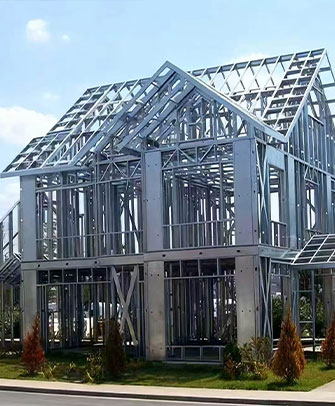
Architecture & Building Materials
Roofing sheets, wall cladding, standing seam panels, floor decking and C/Z purlins. These are the core profiles of modern steel buildings, warehouses and residential projects.
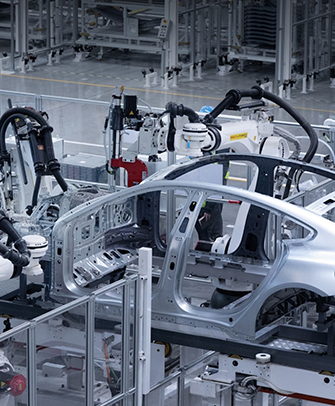
Automobile Manufacturing
Roll formed structural rails, door frame sections and reinforcement beams. Here, repeatable cross-sections and tight length tolerances feed directly into automated assembly.

Home Appliances, Kitchen & Bath
Appliance side panels, cabinet frames and trim profiles formed from pre-painted or stainless coil. Surface protection during forming matters as much as dimension.

Transportation
Container panels, truck body sections, railway car profiles and highway guardrails. These are long, heavy-gauge parts that need rigid stands and accurate cut-off.

New Energy
Solar PV mounting rails, strut channels and support brackets. These high-volume parts benefit from inline punching and fast size changeover.
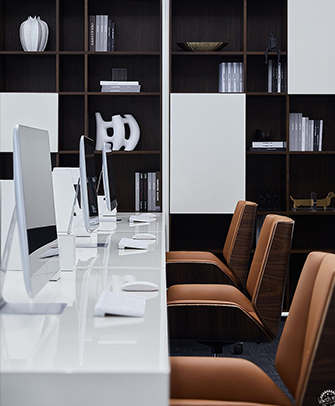
Furniture & Office Equipment
Shelving uprights, racking beams, cabinet frames and partition studs. Consistent hole pitch and straightness make on-site assembly fast and safe.
Localized C/Z Purlin Application Scenarios
Warehouses & Industrial Sheds
C and Z purlins support roof and wall systems in pre-engineered buildings. Local wind and snow loads influence section depth, thickness and hole spacing.
Agricultural Buildings
Post-frame and livestock buildings often use ribbed roof panels and purlins. Tuff-Rib and AG panel lines are common where North American profiles are specified.
Logistics & Cold Storage
Long-span roofs benefit from lapped Z purlins. Insulated panel systems require accurate purlin alignment to protect envelope performance.
Mezzanines & Solar Racking
C sections and cold-formed channels are used in mezzanine framing, solar mounting and support structures where hole repeatability and straightness matter.
Compare Roll Forming Machines Before You Request a Quote
Quotes are only comparable when the specifications are. Use these indicative ranges and the key check for each machine type to judge any supplier’s offer, including ours.
| Machine Type | Typical Coil Thickness | Forming Stations | Typical Line Speed | What to Verify in a Quote |
|---|---|---|---|---|
| Trapezoidal / IBR Roofing | 0.3–0.8 mm | 16–22 | 15–30 m/min | Roller material and chrome thickness; shaft diameter |
| Corrugated Roofing | 0.3–0.6 mm | 18–24 | 15–30 m/min | Wave pitch accuracy and edge waviness on thin coil |
| Glazed Step Tile | 0.3–0.7 mm | 12–18 | 3–6 m/min | Press-station cycle and step-depth consistency |
| Standing Seam | 0.4–0.8 mm | 12–20 | 10–20 m/min | Seam system compatibility and panel width adjustment |
| C/Z Purlin | 1.5–3.0 mm | 14–20 | 10–20 m/min | Size-change method (manual or automatic) and punching dies |
| Floor Deck | 0.7–1.5 mm | 20–30 | 10–15 m/min | Embossing pattern and frame rigidity for deck depth |
Ranges reflect typical XC configurations for reference only. Final parameters are engineered to your profile drawing, material yield strength, output target and site power supply.
From Profile Drawing to First Panel
A transparent five-step process, so overseas buyers know exactly what happens and when.
Profile & Coil Review
Send your drawing, sample or photo plus coil data. Engineers check that the profile can be formed and flag any risks.
Roll Pass Design & Proposal
You receive the station count, roller material, drive and cutting system, power configuration and a confirmed schedule.
Manufacturing & QC
Frames, shafts and rollers are machined and assembled in-house, with inspection at each critical stage.
Trial Run & Acceptance
The line runs with coil matching your specification. Samples are measured, and a video report is shared for approval.
Shipping & Commissioning
Export packing, documentation, then remote or on-site installation and operator training.
Field Knowledge from Our Engineers

Roll Forming Advantages and Applications
Why continuous roll forming beats press braking for long, consistent profiles, and which industries gain the most from it.

Bearing Damage in Multi-Stand Roll Forming Stations: The Hidden Cause of Roll Runout
Six root causes of bearing failure, the diagnostic checks to run first, and how they show up as strip tracking loss and coating defects.

Zinc & Color Coating Cracking at Bending Zones: Root Causes and Fixes
From bend radius to roll pass design, this article explains what makes coatings crack at the bend line and how coating-safe forming prevents it.
Questions Overseas Buyers Ask Us Most
Straight answers based on the projects we deliver every year. Need a detail not covered here? Our engineers reply directly.
What information do I need to send for an accurate roll forming machine proposal?
Can XC build a roll forming machine for a local or non-standard profile?
How is machine quality verified before shipment?
What is the typical lead time for a roll forming machine?
What after-sales support does XC provide to overseas buyers?
Can machines be configured for my local power supply?
What is the difference between a C purlin and a Z purlin?
Can one machine produce both C and Z purlins?
How do you control hole position and cut length?
What documentation supports local compliance?
How is local support delivered after the machine arrives?
How should I compare quotes from different C/Z purlin machine factories?
Planning Your Next Forming Line?
Get our full catalog with machine layouts, technical specifications and profile options. It is the fastest way to brief your team and compare suppliers.
Global Contact, Factory Links and Procurement Resources
Send your profile drawing, coil data, voltage and target output. Our engineers will review the forming risk and recommend the right line configuration.
Factory & Company
Sichuan Xiongchang Technology Co., Ltd.
Sichuan, China
Tel / WhatsApp / WeChat:
+86 180 3060 6697
Explore Additional Roll Forming Lines from the XC Factory
These machines support the broader metal building ecosystem—from double-layer roofing to light gauge steel framing, PBR panels and Z purlins.
 China Double Layer Roll Forming Machine Factory, Company
View product →
 ODM Tuff rib panel(AG Panel) forming machine Company, Companies
View product →
 China Snap lock Standing Seam Panel machine Manufacturers, Factory
View product →
 China LGS framing U track Roll Forming machine Company, Companies
View product →
 Custom Corrugated Steel Roofing Roll Forming Machine Manufacturer, Company
View product →
 ODM Metal C Purlin Roll Forming Machine Manufacturers, Factory
View product →
 China PBR Panel Metal Roofing forming machine Manufacturers, Company
View product →
 China Z Purlin Cold Roll Forming Machine Factory, Factories
View product →