Eight Product Links Below the Banner
These production lines illustrate the range surrounding a steel U channel roll forming machine factory: standing seam, corrugated roofing, light gauge steel framing, stud and track, purlin, and U track systems. Each image and product URL from the original product series is preserved.

Snap Lock Standing Seam Panel Machine
Hidden-fastener roofing panel line for architectural metal roofs.
China Snap lock Standing Seam Panel machine Manufacturers, Factory
Mechanical Lock Standing Seam Former
High-strength mechanical seam panels for long-span and uplift-sensitive roofs.
Custom Mechanical Lock Standing Seam Panel Former Manufacturers, Company
Corrugated Steel Roofing Line
High-volume sinusoidal corrugated panel production for roofs and walls.
Custom Corrugated Steel Roofing Roll Forming Machine Manufacturer, Company
Industrial IBR Sheet Forming Machine
Trapezoidal IBR roofing line configured for regional profiles and coil specifications.
China Industrial IBR Sheet Forming Machine for Metal Roofing Factories, Companies
Nail Strip Standing Seam Panel Machine
Integrated nailing flange for clip-free residential and light commercial roofs.
China Nail Strip Standing Seam Panel machine Manufacturer, Factory
Light Gauge Steel Stud & Track Roll Former
Super series LGS framing line for C studs, U tracks, and drywall systems.
ODM Super Series Light Gauge Steel Roll Forming Machine (Stud & Track Roll Former) Manufacturers, Company
Metal C Purlin Roll Forming Machine
Automatic C-section production with hydraulic punching and PLC length control.
ODM Metal C Purlin Roll Forming Machine Manufacturers, Factory
LGS Framing U Track Machine
A focused U channel line for light gauge steel framing tracks and edge channels.
China LGS framing U track Roll Forming machine Company, CompaniesOriginal product imagery is displayed with object-fit: contain so image proportions remain complete. Eight additional original product links are preserved in the bottom product section.
What Global Buyers Really Mean When They Search for a China Steel U Channel Roll Forming Machine Factory & Factories
A buyer searching for a China steel U channel roll forming machine factory & factories is rarely looking for a generic machine listing. The intent is usually a production capability: a reliable cold roll forming line that can produce U tracks for light gauge steel framing, edge channels for metal buildings, cable trays, solar mounting channels, industrial strut, appliance profiles, or OEM sections with consistent camber, twist, hole pitch, and cut length.
That intent explains why serious buyers compare factories by engineering evidence, not by banner claims. They ask for roll pass design experience, forming station count, shaft diameter, roller material, heat treatment, chrome plating, punching tolerance, hydraulic cutting quality, PLC architecture, voltage configuration, spare parts availability, and commissioning support. A factory that can answer those questions with drawings, inspection records, and trial-run video is more useful than a supplier that only publishes a price.
Sichuan Xiongchang Technology Co., Ltd. (XC) operates as an integrated roll forming specialist for roofing, flooring, door, and structural components. Its stated factory scale includes a 50,000 m² production base, more than 20 years of roll forming experience, and cooperation with more than 1,000 customers worldwide. For U channel buyers, the practical question is how those capabilities translate into repeatable forming, stable delivery, and local market compliance.
U Channel Forming: The Hidden Tolerances
U channel is a deceptively simple profile. The critical variables are not only web height and flange width. They include springback after each pass, inside bend radius, flange squareness, longitudinal camber, twist, side bow, hole position after punching, and the quality of the cut end.
A line that looks acceptable at low speed may show edge wave or twist when the coil yield strength varies. For that reason, engineering-led factories confirm material grade, thickness range, yield strength, coil width, and finished profile drawing before proposing station count and tooling.
Global Procurement Demand for Steel U Channel Roll Forming Machines
Demand is shaped by construction methods, energy transition, infrastructure spending, labor cost, and local profile standards. A China factory that understands these regional differences is better placed to supply a line that works on day one.
North America
Strong demand for light gauge steel framing, drywall studs and tracks, AG panels, PBR panels, standing seam, and structural purlins. Buyers often require 220V single-phase or 440V/480V three-phase configurations, inch-based dimensions, and documentation suitable for local electrical review.
Europe
Procurement is driven by energy-efficient buildings, prefabrication, solar mounting, and warehouse construction. Technical expectations include CE-relevant documentation where applicable, guard systems, emergency stop logic, traceable components, and stable profile quality for architectural metal.
Middle East & Africa
Industrial buildings, warehouses, cold storage, and infrastructure projects require heavy-duty lines with heat, dust, and voltage fluctuation tolerance. Buyers value robust frames, accessible maintenance points, spare roller sets, and fast commissioning support.
Southeast Asia
Rapid construction growth supports roofing, purlin, ceiling grid, and light steel framing demand. Humidity and coastal conditions make coating protection, electrical cabinet sealing, and corrosion-resistant machine finishes important evaluation points.
Latin America
Buyers often seek versatile machines that can serve multiple profiles, such as C/Z purlins, U channels, roofing sheets, and floor deck. Spanish-language HMI options, spare parts planning, and remote video commissioning reduce start-up risk.
Oceania
Architectural roofing, agricultural sheds, and light commercial structures require tight panel appearance and reliable lap fit. Buyers scrutinize coating protection during forming, cut quality, and long-term technical support.
From a Single U Channel Machine to an Integrated Production Cell
Steel U channel roll forming should be planned around the end product, not only the profile. The same U-shaped section can serve framing, racking, solar, cable management, transportation, appliance trim, or edge protection, but the line configuration changes with the application.
Light Gauge Steel Framing U Track
For prefabricated housing, modular buildings, internal partitions, and drywall systems. The line is usually configured for narrow coils, high-speed continuous forming, precise web width, clean flange edges, and optional servo-driven size change for different track widths.
Structural and Edge Channel
For metal building components, edge trims, fascia, and light structural members. Buyers should confirm yield strength, thickness range, camber control, and whether pre-punching or post-cutting gives better productivity for the target assembly process.
Solar Mounting Channel
PV mounting rails and support channels require consistent hole pitch, high output, and stable straightness. Inline punching, quick-change dies, and automated cut-length control can reduce downstream drilling and assembly labor.
Cable Tray and Strut Channel
Electrical and mechanical support systems need repeatable holes, slots, and cut ends. A well-integrated line combines forming, punching, cutting, and counting in one PLC sequence, reducing handling and improving batch accuracy.
Transportation and Equipment Frames
Heavy-gauge U channels for truck bodies, trailers, containers, guardrails, and equipment frames demand rigid stands, larger shaft diameters, powerful drives, and cut-off systems that maintain squareness on thick material.
OEM Custom Sections
For appliance frames, shelving, furniture, racking, and specialty profiles, the factory should develop the flower pattern from a drawing or sample, then verify the profile with trial coil before shipment. This is where engineering depth differentiates a factory from a trading company.
Technical Route Map for a High-Performance U Channel Roll Forming Line
A reliable line follows a disciplined engineering route. The sequence below reflects the practical decisions that determine output, tolerance, maintenance cost, and operator safety.
Coil and Profile Review
Confirm material type, thickness range, yield strength, coil width, profile drawing, hole pattern, and target output before selecting motors or station count.
Roll Pass Design
The flower pattern spreads bending strain across stations to control springback, edge wave, twist, and coating damage, especially on thin or pre-painted coil.
Forming and Straightening
Rigid frames, precision shafts, hard-chrome plated rollers, and guide alignment keep the strip centered and the finished U channel straight.
Punching and Cutting
Hydraulic or servo punching creates holes and slots; a profile-matched cut-off blade delivers clean ends within the agreed cut-length tolerance.
PLC, HMI and Stacking
Touch-screen batch control, fault monitoring, multi-language HMI, and optional stackers reduce operator fatigue and improve production consistency.
Indicative ranges only. Final parameters must be engineered to the confirmed drawing, material yield strength, output target, voltage, and local compliance requirements.
Factory-to-Market Future Outlook: Smart, Flexible, Low-Carbon Roll Forming
The next generation of U channel roll forming factories will compete on flexibility, data visibility, energy efficiency, and total cost of ownership — not only on initial machine price.
Servo-Electric Efficiency
Servo feed, servo punching, and energy-efficient drive systems reduce scrap, improve length accuracy, and lower power consumption in high-volume channel production.
IoT and Predictive Maintenance
Sensor data on bearing temperature, motor load, hydraulic pressure, and cut cycles can support remote diagnostics and planned maintenance before unplanned downtime occurs.
Digital Twin and Simulation
Roll pass simulation can shorten tooling development, reduce trial coil consumption, and help factories prove a profile before cutting steel.
Quick-Change Tooling
Multi-size U channel producers increasingly need faster changeover between web widths, flange heights, and hole patterns to serve smaller batches profitably.
Green Steel and Coating Protection
As galvanized and pre-painted coil standards evolve, coating-safe forming and controlled bend radii become more important for corrosion performance and architectural appearance.
ERP / MES Integration
Production orders, batch lengths, material traceability, and maintenance records can be connected to factory systems for better planning and quality documentation.
Global Business and Industrial Status: What Buyers Should Know About China Factories
China remains a major source of cold roll forming equipment because of a dense supply chain in steel coil, machining, hydraulic components, electrical controls, and shipping logistics. However, “made in China” is not a single quality level. Buyers encounter integrated manufacturers, assembly workshops, trading companies, and resellers with very different engineering capabilities.
A serious evaluation should therefore separate the factory from the catalogue. Ask who performs the roll pass design, who machines the shafts and rollers, who assembles the electrical cabinet, who runs the factory acceptance test, and who answers technical questions after shipment. For U channel production, the difference between a stable line and a troublesome line usually appears in details: roller finish, bearing selection, frame stiffness, guide adjustment, hydraulic cut-off alignment, and PLC logic.
XC’s public company profile describes an integrated roll forming specialist with in-house manufacturing, design from drawing or sample, factory testing before dispatch, and global service support. Those claims are useful only when they can be verified. Buyers should request trial-run video, sample panel measurements, electrical diagrams, lubrication charts, spare parts lists, and commissioning procedures before releasing final payment.
Practical Factory Verification
Use a structured acceptance process rather than a visual inspection alone. Verify the U channel sample with a caliper, angle gauge, straightness check, and hole-pitch measurement. Confirm the cut length over multiple cycles. Run the line with coil similar to your production material.
Localization Support & Compliance Assurance for Overseas Buyers
A roll forming machine crosses borders long before it reaches the production floor. Documentation, voltage, safety logic, packing, and after-sales response should be planned as part of the purchase, not after the machine arrives.
Voltage and Frequency
Motors, hydraulic stations, and control cabinets can be configured for common site supplies such as 220V, 380V, 415V, or 440V at 50Hz or 60Hz, with HMI language options for local operators.
Documentation Package
Request English manuals, electrical diagrams, lubrication schedules, safety instructions, and operation procedures. Clear documentation reduces commissioning time and supports long-term maintenance.
Standards and Certification Scope
Where required, suppliers can align documentation and components with customer-specified standards. The exact certification scope must be confirmed in the purchase order; buyers should never assume that every line is automatically certified for every market.
Spare Parts and Wear Items
Blades, bearings, hydraulic seals, switches, encoder components, and selected electrical parts should be listed with recommended spare quantities for the first year of operation.
Remote and On-Site Commissioning
Remote video guidance supports installation and commissioning; on-site engineer service can be arranged when project complexity or local labor conditions require a physical presence.
Export Packing and Handling
Long shafts, tooling, control cabinets, hydraulic units, and precision rollers require rust protection, shock protection, and clearly marked packages for port handling and inland transport.
How to Evaluate a China Steel U Channel Roll Forming Machine Factory
Use the same checklist for every supplier. A comparable quotation should contain engineering decisions, not only a machine price and delivery date.
Profile Drawing
Provide a dimensioned drawing, sample photo, or physical sample. Confirm web height, flange width, bend radius, material thickness, hole pattern, and allowable tolerance.
Material Specification
State GI, PPGI, Galvalume, black steel, stainless, or aluminum. Include yield strength and thickness range, because these determine springback and forming pressure.
Output per Shift
Define required pieces per hour, cut length, bundle handling, and whether inline punching is necessary. Output target affects line speed, motor power, and automation level.
Roll Tooling
Ask for roller material, hardness, chrome plating, shaft diameter, bearing brand or grade, and station count. These details influence profile stability and maintenance cost.
Punching and Cutting
Confirm whether punching is before or after forming, how dies are changed, and whether cutting is hydraulic or servo-driven. Verify burr, deformation, and length tolerance.
Electrical and Safety
Verify voltage, frequency, PLC brand, HMI language, emergency stop, guards, motor protection, and cabinet design. Obtain electrical drawings for local review.
Factory Acceptance Test
Request trial-run video, sample measurements, inspection photos, and test reports. A written acceptance checklist is more reliable than a verbal assurance.
After-Sales Plan
Confirm remote support, on-site service availability, warranty terms, spare parts lead time, operator training, and who will answer technical questions in English.
Engineering, Assembly and Quality Control Evidence
Visual evidence supports E-E-A-T: experience, expertise, authority, and trust. The original factory and application images below are preserved and displayed without cropping; each image is set to contain within its frame.
 Roll forming production line
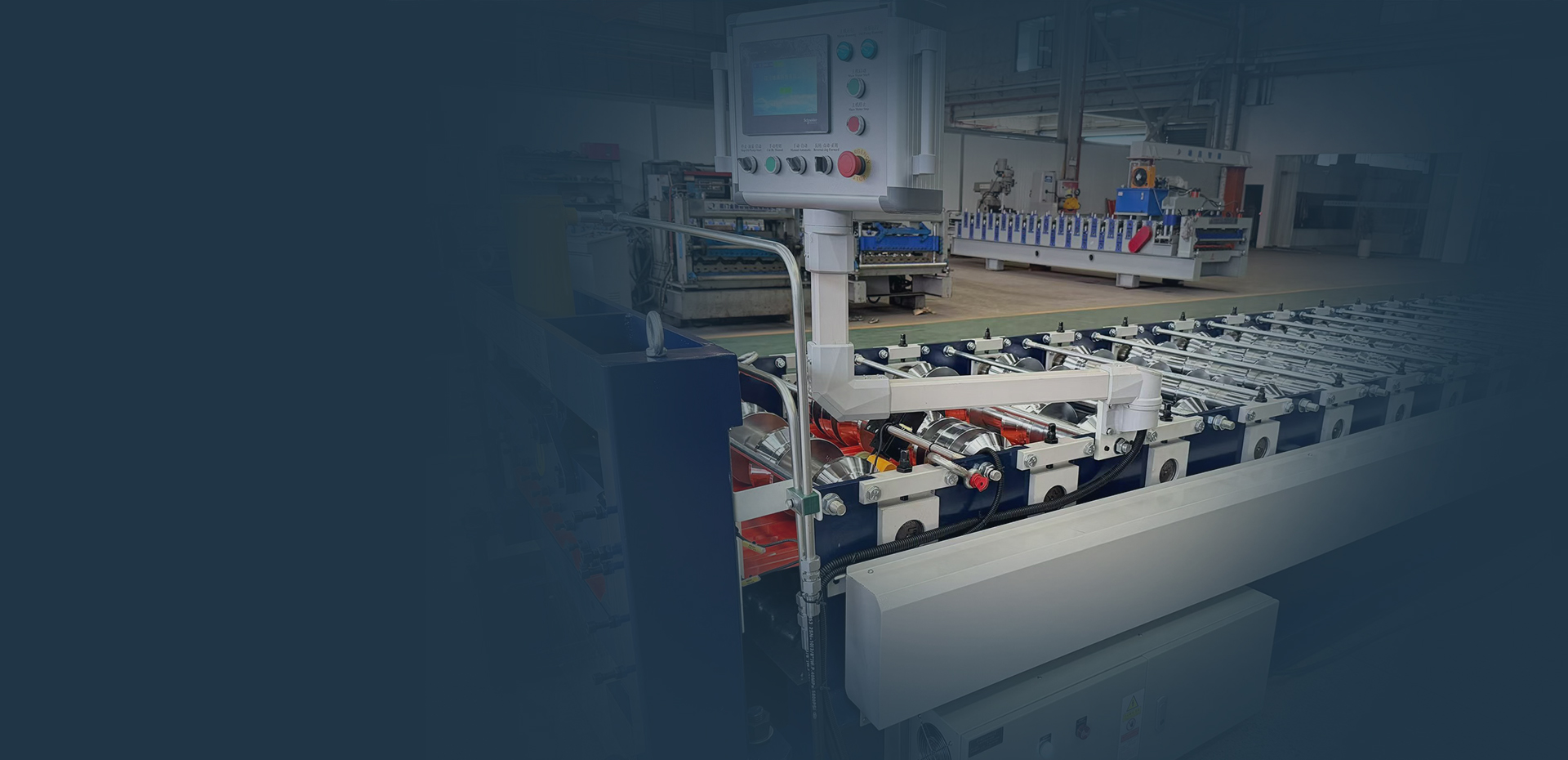 Multiple formed profiles
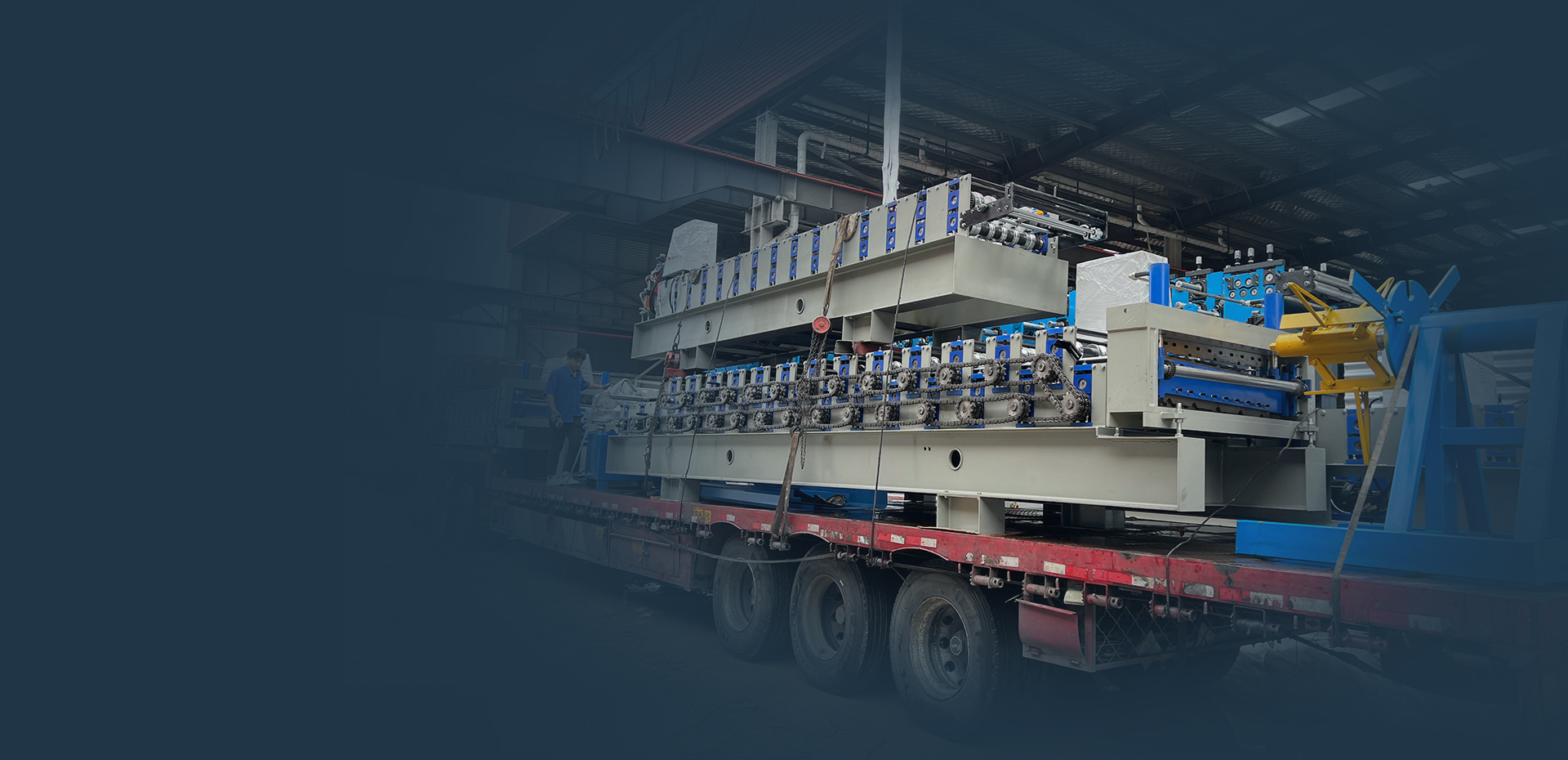 Export preparation
 In-house assembly
 Delivery readiness
 Manufacturing facility
 Profile development
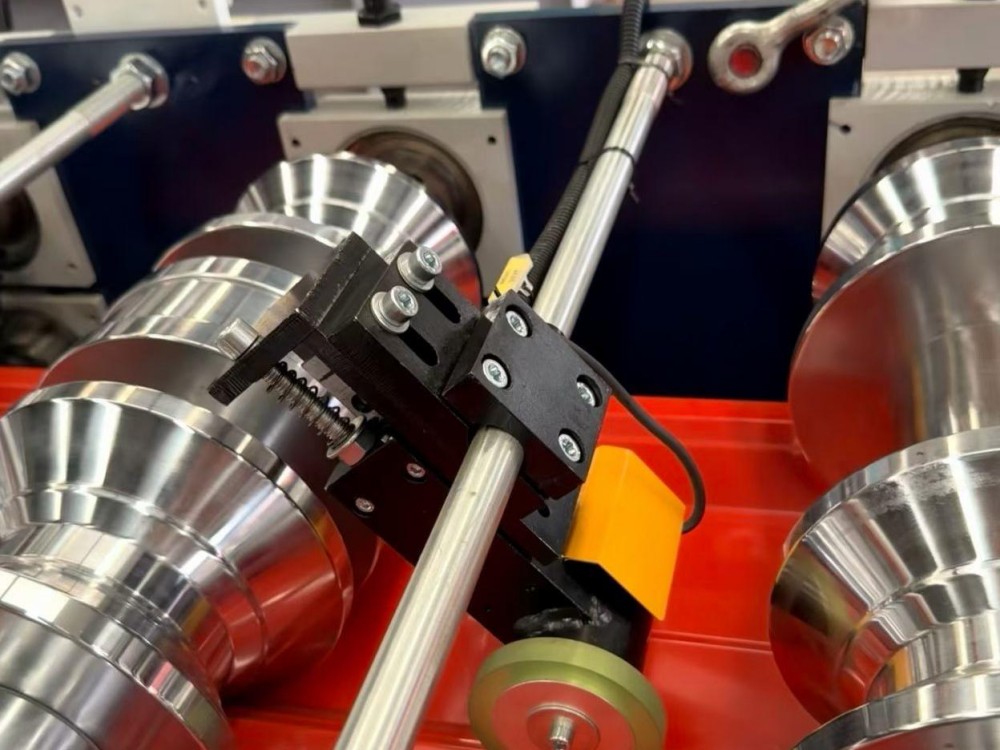 Engineering review
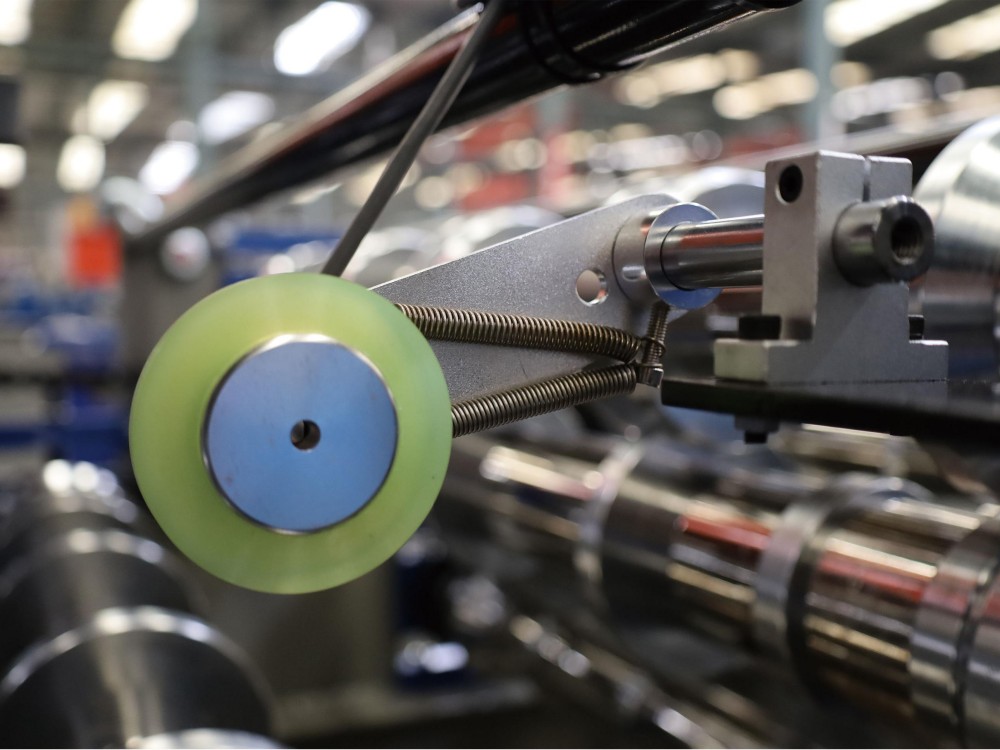 Durable forming structure
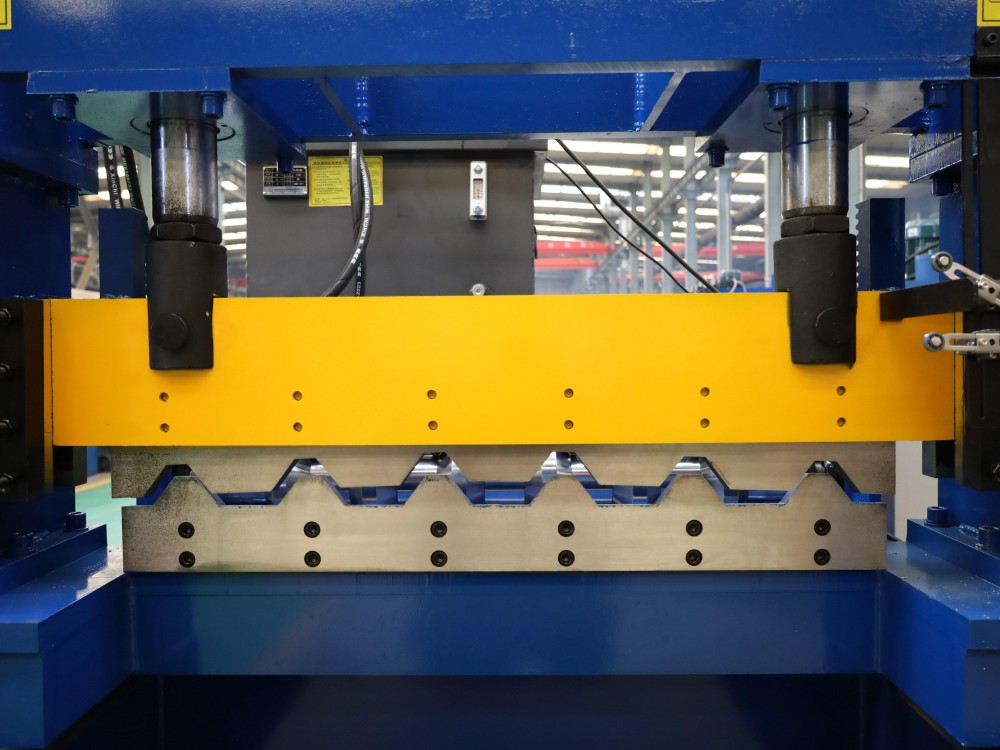 Customer machine
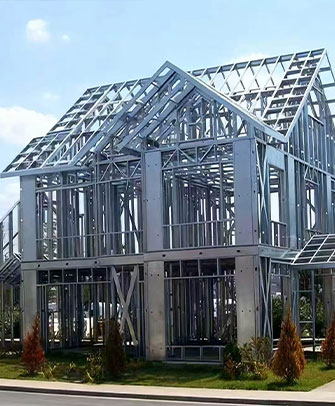 Building materials
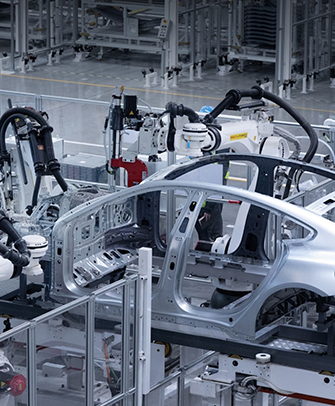 Automotive components
 Appliance profiles
 Transportation profiles
 New energy profiles
 Furniture profiles
 Application guide
 Maintenance insight
 Coating quality insight
 XC XiongChang
Q&A: Questions Overseas Buyers Ask Most
These answers are based on the technical and commercial questions that arise in roll forming projects for U channel, roofing, purlin, floor deck, and light gauge steel framing equipment.
What is a steel U channel roll forming machine?
It is a continuous cold roll forming line that converts steel coil into a U-shaped section. The line usually includes a decoiler, feeding guide, forming stations, optional punching, cutting unit, PLC control, and output table. U channels can be used for framing tracks, edge channels, solar rails, strut, cable trays, and OEM profiles.
What information do I need to send for an accurate proposal?
Send a profile drawing or sample photo, material type such as PPGI, GI, Galvalume, or black steel, thickness range, yield strength, coil width, required output per shift, and local voltage and frequency. These details allow engineers to define the number of forming stations, roller material, cutting system, and motor power.
Can a China factory build a non-standard U channel profile?
Yes. Most serious factories build to order. Engineers develop the roll pass design or flower pattern from your drawing or sample, then confirm the profile through trial forming. Regional profiles and custom hole patterns can be matched closely when the drawing and material specification are clear.
How is machine quality verified before shipment?
Every line should be assembled and test-run with coil matching the buyer’s specification. Sample panels are measured against the drawing, and a trial-run video plus inspection photos should be shared for approval before packing. For U channels, verify web height, flange width, straightness, twist, hole pitch, and cut length.
What is the typical lead time for a roll forming machine?
Standard roofing sheet lines are commonly ready within 30 to 45 working days after drawing confirmation. Purlin, floor deck, double layer, U channel, and fully customized lines may take longer. The confirmed schedule should be stated in each proposal.
What after-sales support is available to overseas buyers?
Support can include English manuals and electrical diagrams, remote video guidance for installation and commissioning, on-site engineer service on request, operator training, and spare parts supply such as blades, bearings, and electrical components.
Machine Families and Technical Resources
Explore the original product categories, global service resources, and technical blog pages. These links preserve the site’s core navigation and category paths.
Planning a Steel U Channel Roll Forming Line?
Send your profile drawing, material grade, thickness range, required output, and local voltage. The most useful quotation is the one that documents the forming strategy, tooling, cutting method, controls, acceptance test, and support plan.
XC XiongChangCold Roll Forming Systems
- Sichuan Xiongchang Technology Co., Ltd.
Sichuan, China - Tel / WhatsApp / WeChat: +86 180 3060 6697
- [email protected]
- Sitemap · Home
Eight Additional Product Links at the Bottom
The remaining original product links are displayed below. Together with the eight products below the banner, all sixteen original product URLs and images from the supplied product series are preserved.

Z Purlin Cold Roll Forming Machine
Dedicated Z-section line for long-span roof purlins and wall girts.
China Z Purlin Cold Roll Forming Machine Factory, Factories
Double Layer Roll Forming Machine
Two profiles on one frame for suppliers serving mixed roofing markets.
China Double Layer Roll Forming Machine Factory, Company
Metal C Stud Roll Forming Machine
Light gauge steel C stud line for drywall and framed construction.
China Metal C Stud Roll Forming Machine Manufacturer, Companies
C/Z Interchangeable Purlin Machine
One flexible line for C and Z purlins with fast size changeover.
Custom C Z Interchangeable Purlin Machine Factories, Companies
PBR Panel Metal Roofing Machine
PBR panel line for metal roofing factories and building material suppliers.
China PBR Panel Metal Roofing forming machine Manufacturers, Company
Tuff-Rib AG Panel Forming Machine
AG and Tuff-Rib panel line for post-frame and agricultural buildings.
ODM Tuff rib panel(AG Panel) forming machine Company, Companies
Floor Deck Roll Forming Machine
Composite steel decking line with embossing for concrete bond.
Custom Floor Deck roll forming machine Manufacturer, Factory
Glazed Tile Roll Forming Machine
Decorative step-tile roofing line with synchronized hydraulic pressing.
China Glazed Tile Roll Forming Machine Factory, Company