
China Snap Lock Standing Seam Panel Machine Factory & Factories
An authoritative 2026 guide to snap lock standing seam roll forming technology, localized applications, supply chain resilience, and sourcing excellence from Chinese factories — engineered to your profile, tested before shipment.
Featured Snap Lock & Roll Forming Machines
Eight factory-direct machine families from XC XiongChang — each configured to your coil, profile drawing, and local power supply.








Semantic Search, User Intent, and the Information Gain Advantage
Why a white-paper approach to snap lock standing seam panel machines satisfies Google’s Search Quality Rater Guidelines — and why buyers benefit.
Intent Mining: Beyond “Snap Lock Machine”
Procurement engineers, roofing contractors, and factory owners search with distinct intents: technical specification, lead time, factory audit, or total cost of ownership. This article aggregates all four, providing information gain that generic listings lack.
E-E-A-T Signals in Manufacturing
Experience is demonstrated through 20+ years of roll pass design. Expertise appears in seam geometry and coating-safe forming. Authoritativeness is reinforced by 1,000+ global clients. Trust is proven by factory acceptance tests and transparent documentation.
Localized Semantic Relevance
Search engines now reward content that answers region-specific questions: hurricane zones, snow loads, coastal salt spray, and local building codes. XC configures every snap lock line for the destination market — not just the factory floor.
Technical Anatomy of a Snap Lock Standing Seam Panel Machine
Four engineering pillars that determine panel quality, seam tightness, and long-term production economics.
Seam Geometry & Roll Pass Design
Male and female legs must snap together within ±0.2 mm to ensure watertight performance. XC’s in-house engineers develop the flower pattern from your profile drawing, spreading strain across 12–20 stations to avoid edge waves and oil-canning.
Roller Materials & Hard Chrome
Hard-chrome plated rollers and precision-machined shafts maintain tolerance shift after shift. For thin-gauge architectural panels, this prevents coating cracks and preserves the visual flatness that architects demand.
Drive, PLC & Cut-to-Length
A PLC-controlled hydraulic cutter delivers ±1 mm cut-length accuracy. HMI screens store batch lengths and quantities, while motors and hydraulic stations are configured for your local voltage and frequency (220V–440V, 50/60Hz).
Coating-Safe Forming
Progressive bending protects zinc and paint coatings. XC engineers verify yield strength, coil width, and surface finish before defining roller material and station count — ensuring your panels leave the line ready for installation.
Localized Application Scenarios Across Climates and Building Codes
A snap lock panel is not a commodity. The same machine must be tuned for salt spray, snow load, thermal cycling, and aesthetic expectations.
Coastal Hurricane Zones
Higher seam height and mechanical lock options for wind uplift. 3004/5052 aluminum and Galvalume coils with corrosion-resistant coatings.
Alpine Snow Load Regions
Heavy-gauge steel and tighter clip spacing. Machines configured for 0.6–0.8 mm coil with high yield strength and precise seam interlock.
Arid Desert Climates
UV-stable coatings and thermal expansion management. Snap lock panels accommodate daily temperature swings without fastener fatigue.
Urban Architectural Envelopes
Concealed fasteners and narrow seam profiles for high-end facades. Oil-canning control is critical; XC uses tension-leveled coil and low-strain roll passes.
Industrial Warehouse Roofs
Long-span panels with mechanical lock for wind uplift. Machines support coil widths up to 1250 mm and production speeds of 10–20 m/min.
Residential Retrofit & New Build
Nail strip and snap lock panels with integrated nailing flanges for fast, clip-free installation. Ideal for residential roofing contractors and post-frame buildings.
Technology Roadmap & Future Outlook (2026–2035)
Where snap lock standing seam machine technology is heading — and how XC is preparing factories for the next decade.
Smart Control & IoT
Remote diagnostics, OEE dashboards, and predictive maintenance alerts integrated into the PLC/HMI. Operators receive real-time guidance on roller wear and seam quality.
Servo-Driven Forming
Servo motors replace conventional drives for faster changeover and energy savings. Digital twin simulation reduces trial-run time and material waste.
Green Steel & Circularity
Machines optimized for low-carbon steel, recycled aluminum, and reduced coating thickness. Energy recovery systems cut kilowatt-hours per panel.
Autonomous Production Cells
Integration with robotic stacking, automated packaging, and AI-based quality inspection. The snap lock line becomes a self-optimizing production cell.
China Factory Supply Chain Resilience & Efficiency Advantages
Vertical integration, raw material access, and engineering depth — the structural reasons Chinese roll forming factories remain globally competitive.
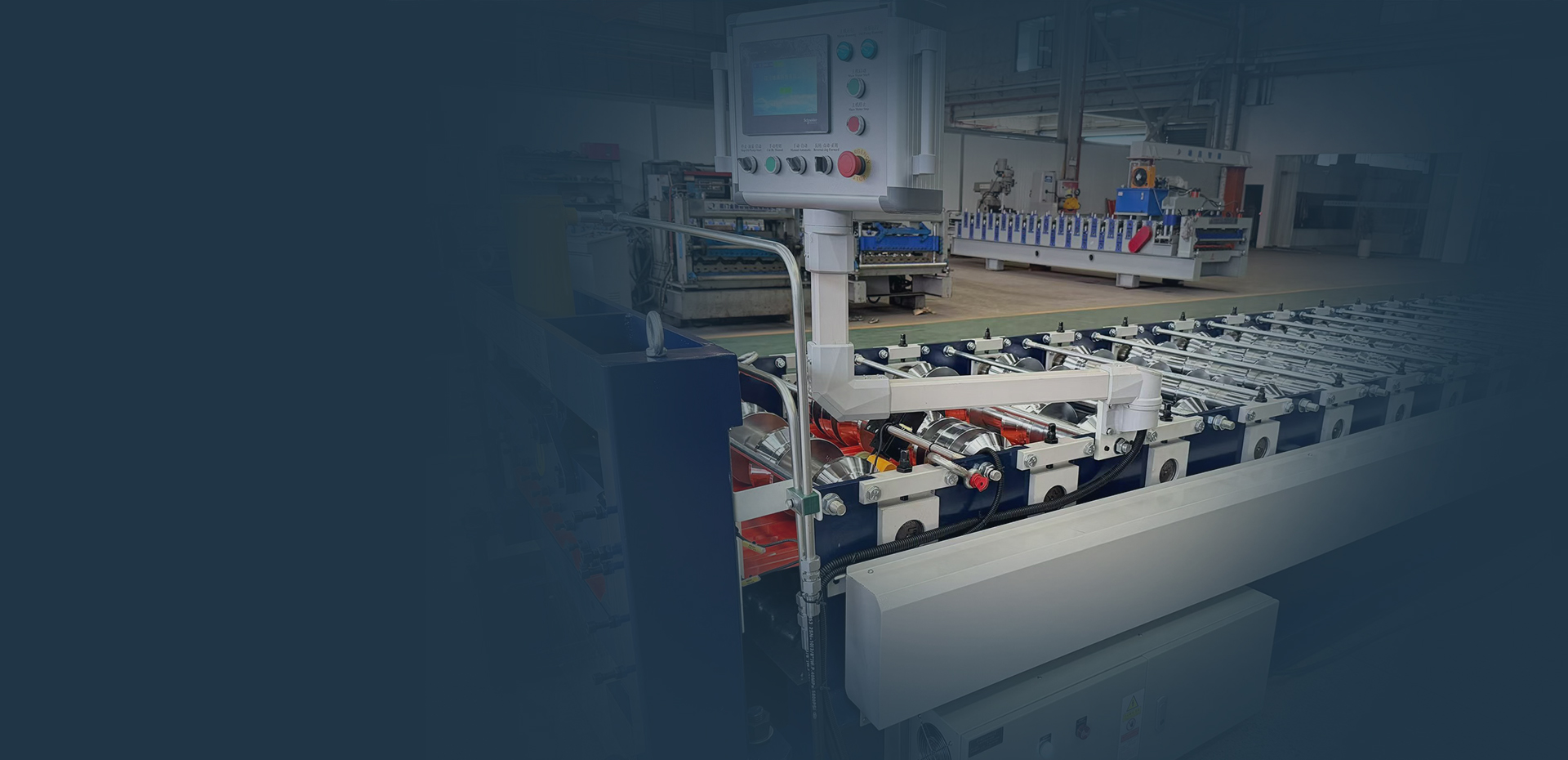
Sichuan Xiongchang Technology Co., Ltd. (XC) operates a 50,000 m² production base with in-house machining, assembly, and testing. This vertical integration shortens lead times, protects quality, and allows rapid customization — from a single snap lock machine to a complete turnkey line.
China’s steel and aluminum supply chain offers immediate access to PPGI, GI, Galvalume, and stainless coil. XC engineers can source trial coils matching your exact specification, run factory acceptance tests, and ship within 30–45 working days for standard roofing lines.
With 20+ years of roll forming experience, a team of 2,000+ employees, and 1,000+ cooperative customers worldwide, XC combines the agility of a specialist with the capacity of a large factory. Export logistics are managed end-to-end, including export packing, documentation, and remote or on-site commissioning.


Years of roll forming industry experience
Factory area for machining & assembly
Cooperative customers worldwide
Team members across engineering & production
Multi-Profile Capability
One partner for trapezoidal, corrugated, glazed tile, standing seam, C/Z purlin, floor deck, and light gauge steel profiles.
Global Export Readiness
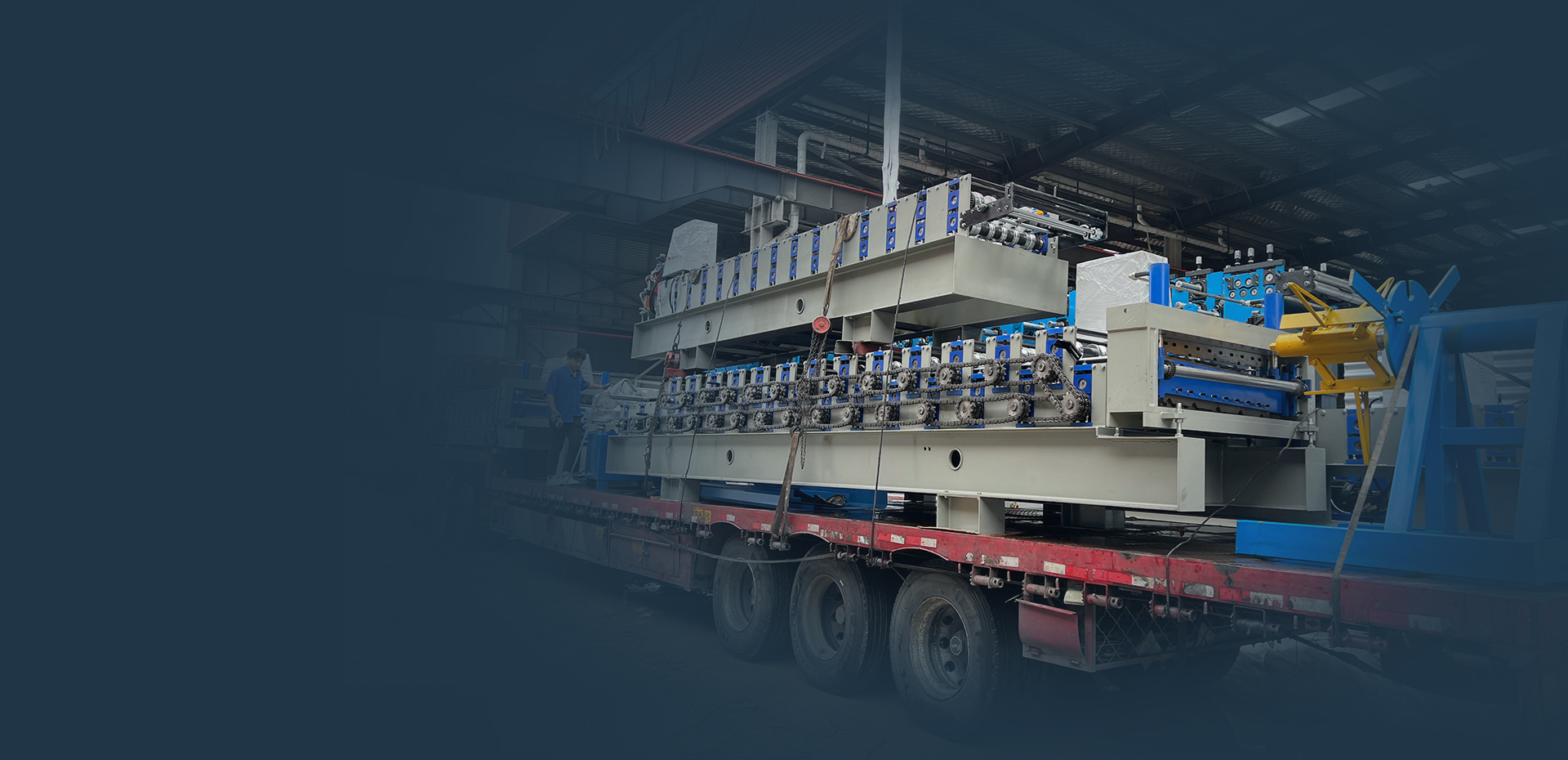
Machines are configured for destination voltage, frequency, and HMI language — with export packing and documentation handled by XC.

Factory Acceptance Test
Every line is assembled and test-run with coil matching your specification. Sample panels are measured and a video report is shared before shipment.
Global Commercial and Industrial Landscape
Demand for snap lock standing seam panels is rising across five major regions. Here is the data-driven outlook.
Market Drivers
Green building certifications, energy-efficient envelopes, and the shift from exposed-fastener roofing to concealed-fix systems. Standing seam panels offer superior weathertightness and architectural finish.
Regional Demand
North America and Europe lead in architectural standing seam. Southeast Asia and the Middle East show rapid growth in industrial and warehouse applications. Latin America is investing in residential retrofit.
Competitive Advantage
Chinese factories combine engineering depth with cost efficiency. XC’s machines are priced competitively yet configured for local compliance, with lifetime technical support and spare parts availability.
Indicative demand growth index (2025=100) based on XC customer inquiries. For reference only.
Localized Support & Compliance Assurance
Every machine is delivered with the documentation, configuration, and long-term support your operation requires.
Power Configuration
Motors, hydraulic stations, and control cabinets configured to 220V, 380V, 415V, or 440V at 50Hz or 60Hz. HMI language options available for operators.
Safety & Documentation
English manuals, electrical diagrams, and CE-relevant safety guarding. Machines are delivered with operation and maintenance guidance for safe long-term use.
Spare Parts Supply
Blades, bearings, hydraulic components, and electrical parts are available from stock or on short lead times — minimizing downtime for overseas operators.
Remote Commissioning
Video-guided installation and commissioning support. XC engineers answer technical questions directly, from pre-sale profile review to post-installation troubleshooting.
On-Site Engineering
On-site engineer service available on request. For complex lines, XC provides installation supervision, operator training, and production optimization.
Warranty & Reliability
Each line is factory-tested before shipment. XC provides a standard warranty and lifetime technical support to protect your investment.
Inside a Cold Roll Forming Line: From Profile Drawing to First Panel
A transparent five-step process — so overseas buyers know exactly what happens and when.

Industry Solution: Turnkey Cold Roll Forming
XC supplies more than a machine. We deliver complete production lines, including decoiler, forming mill, punching, cutting, stacking, and control system — engineered as one integrated unit so your output starts on schedule.

Equipment Supply & After-Sales Support
Our customers range from residential roofing suppliers to large industrial and infrastructure contractors. Each line ships with English manuals, electrical diagrams, spare parts, and remote or on-site commissioning.
Profile & Coil Review
Send your drawing, sample, or photo plus coil data. Engineers check formability and flag risks.
Roll Pass Design & Proposal
You receive station count, roller material, drive and cutting system, power configuration, and schedule.
Manufacturing & QC
Frames, shafts, and rollers are machined and assembled in-house, with inspection at each critical stage.
Trial Run & Acceptance
The line runs with matching coil. Samples are measured, and a video report is shared for approval.
Shipping & Commissioning
Export packing, documentation, then remote or on-site installation and operator training.
Profile Library: From Architectural Roofing to Structural Purlin
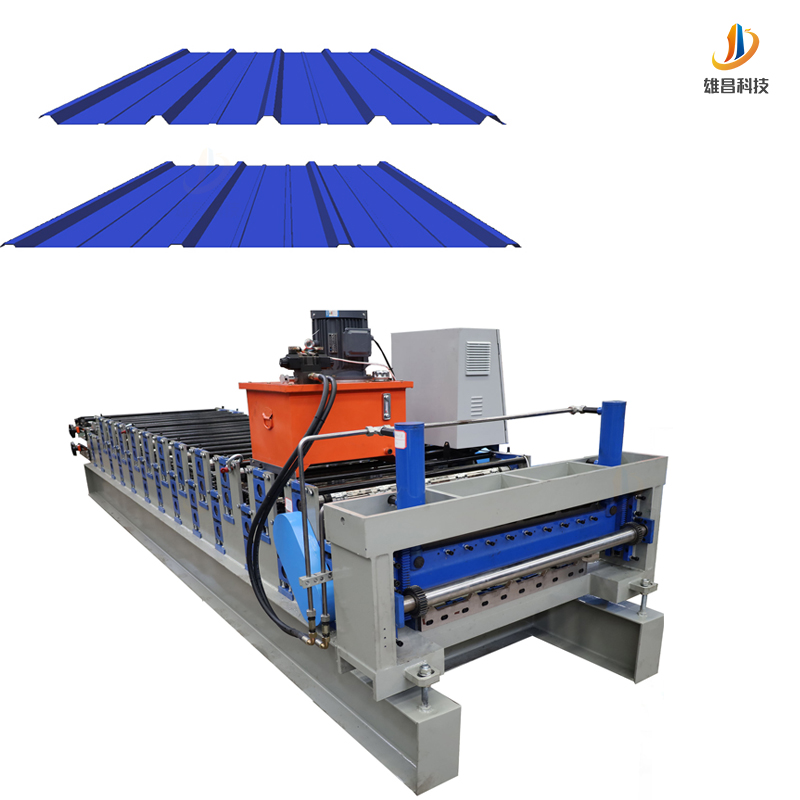
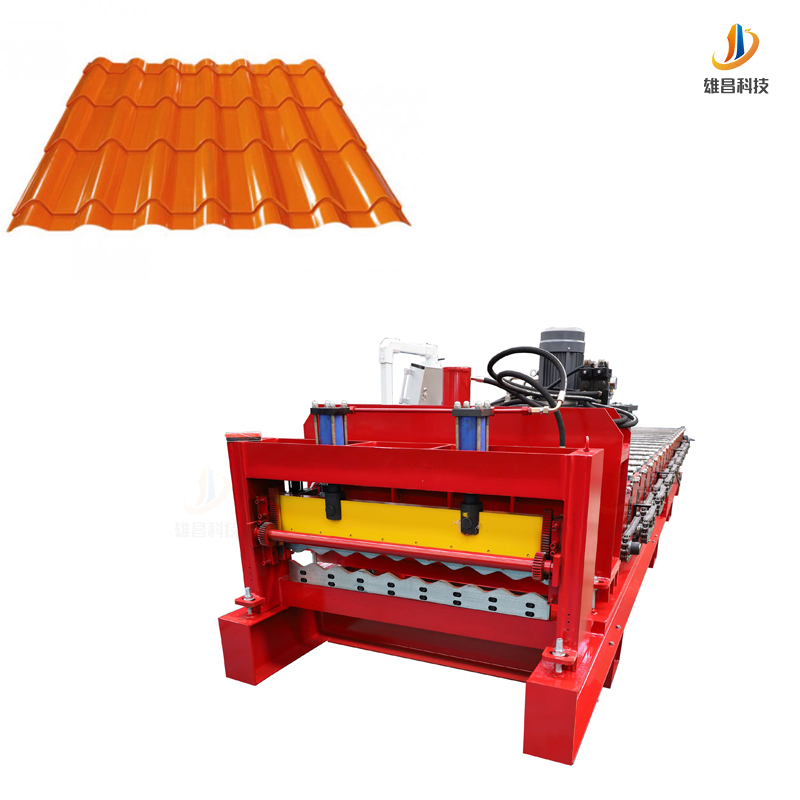
Twelve machine families built by XC — each linked to its detailed product page.
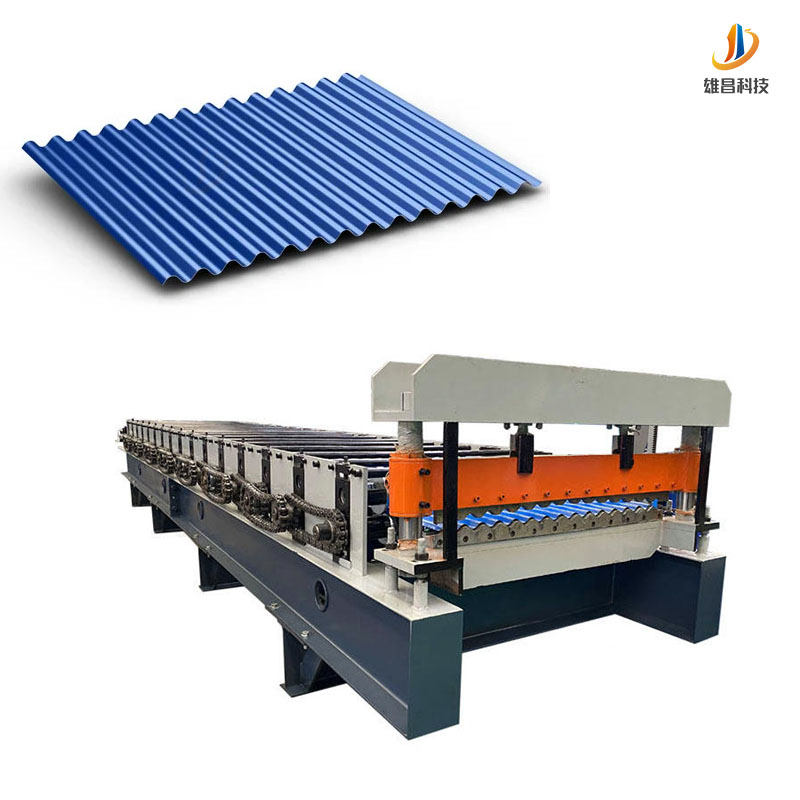
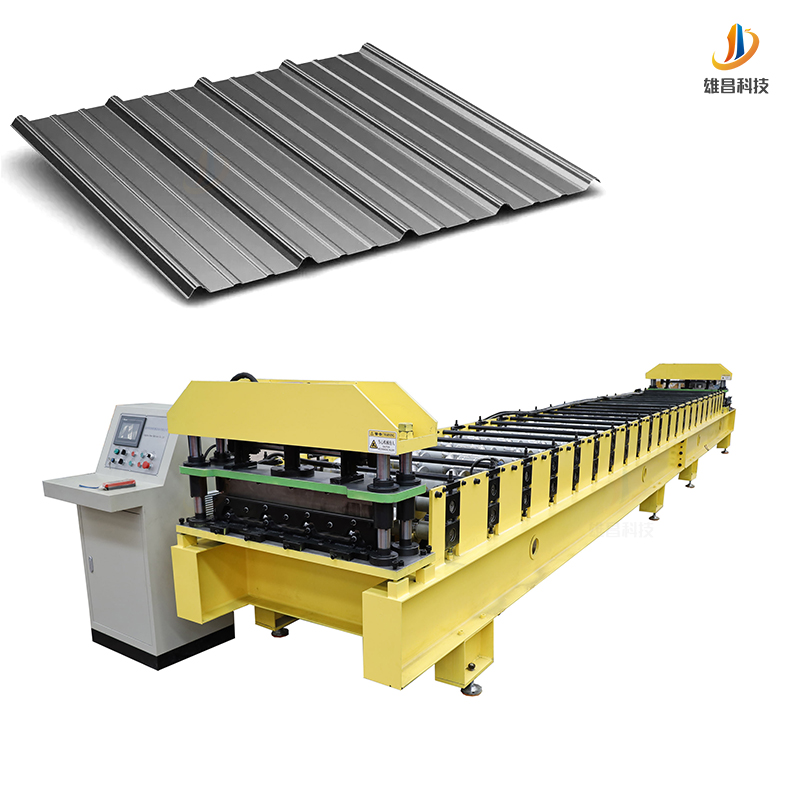
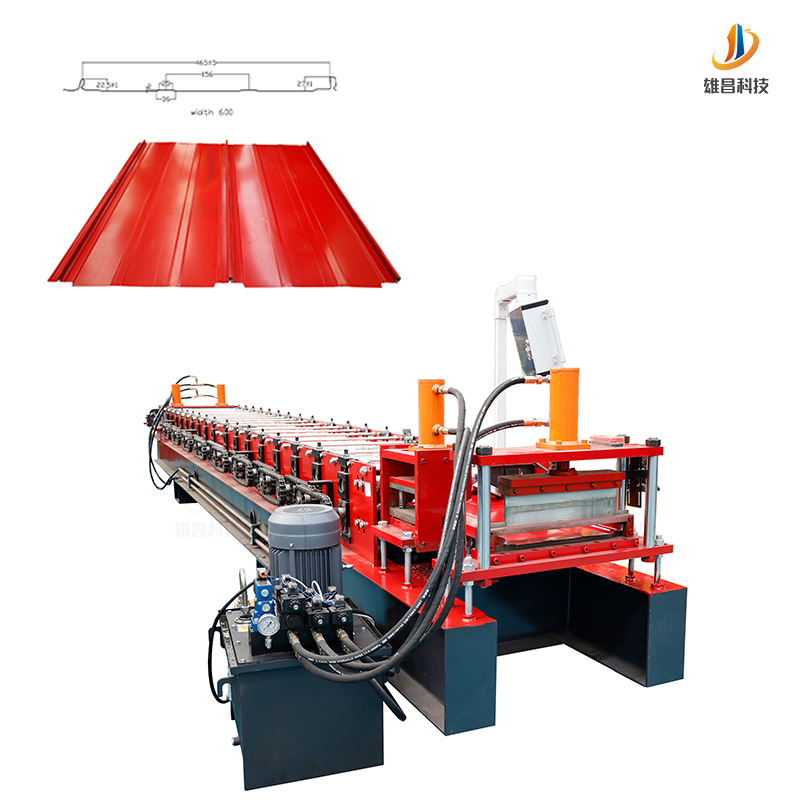
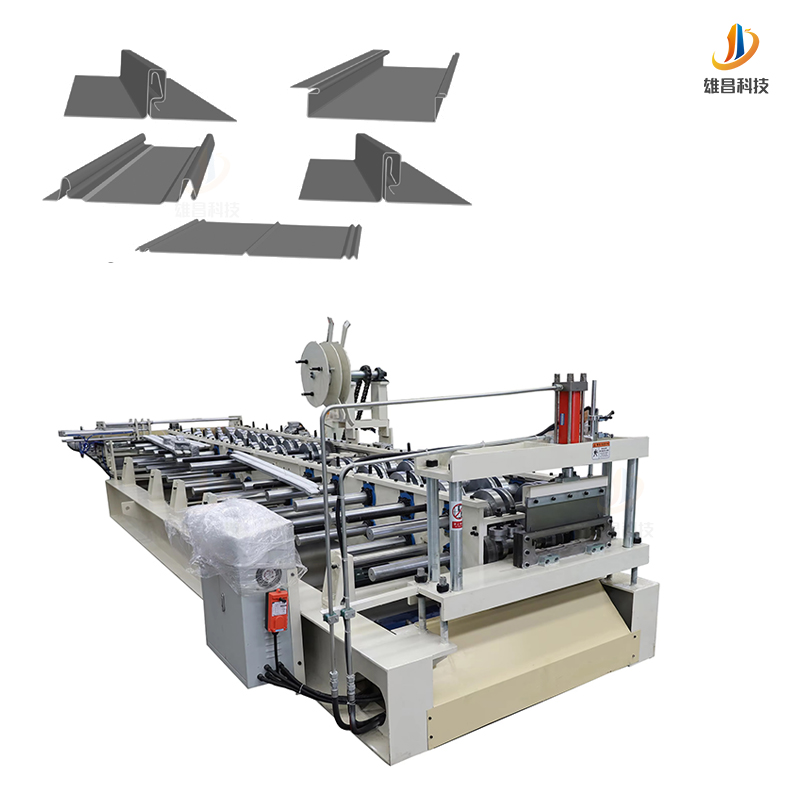
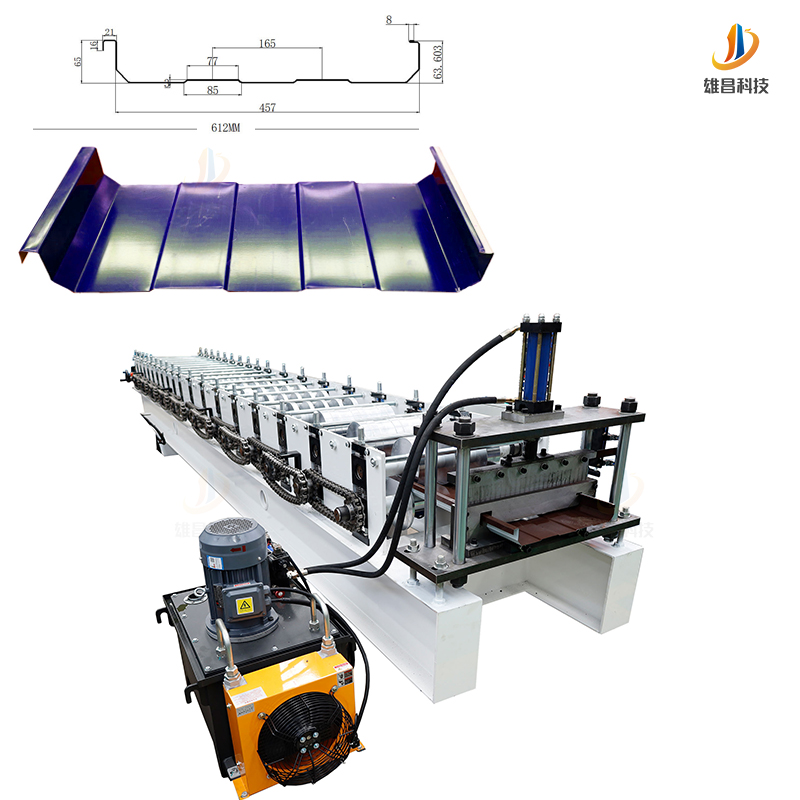
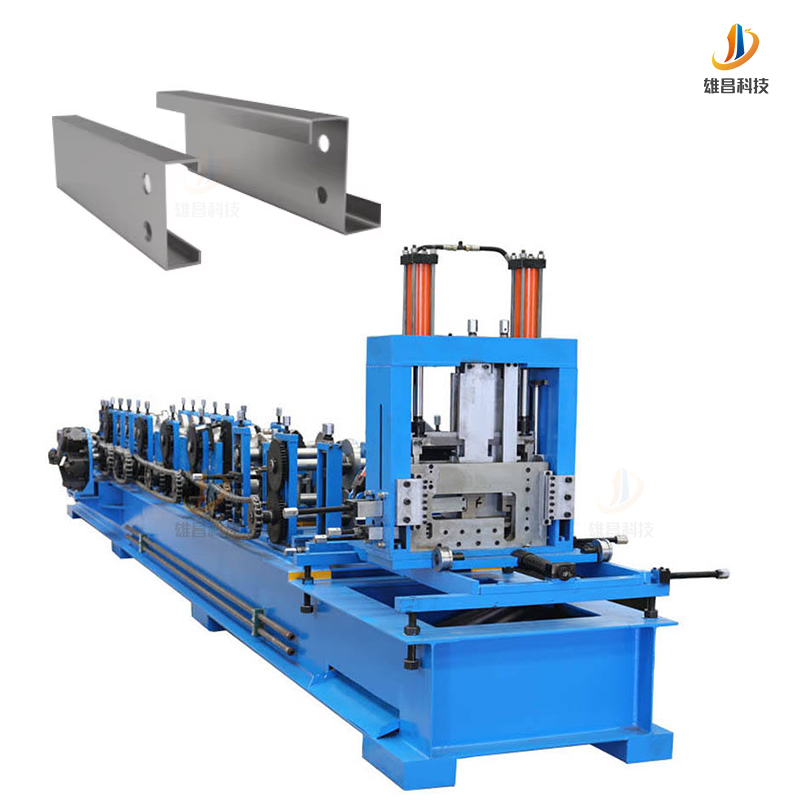
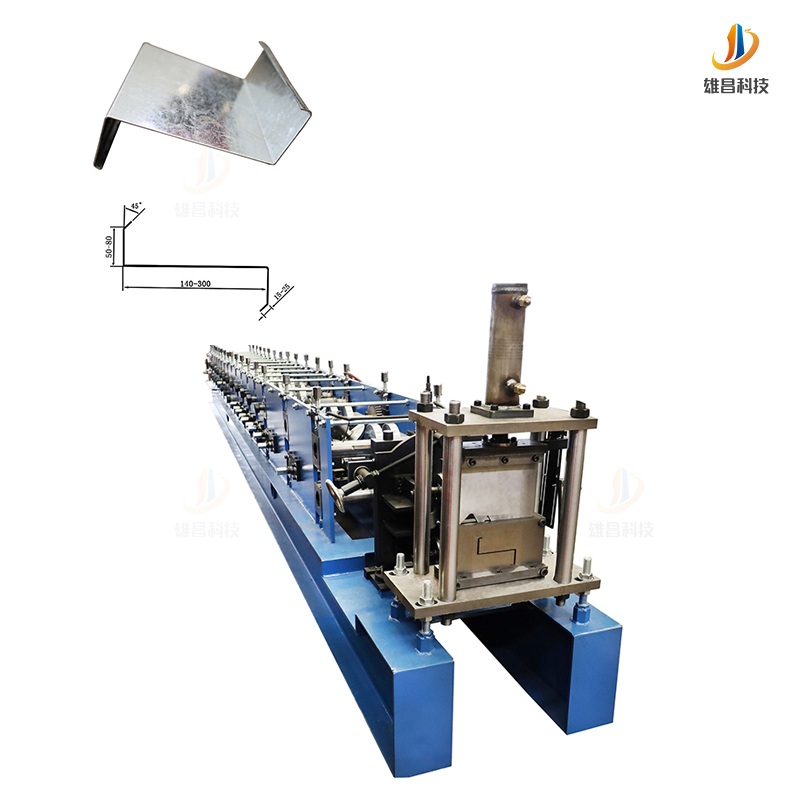
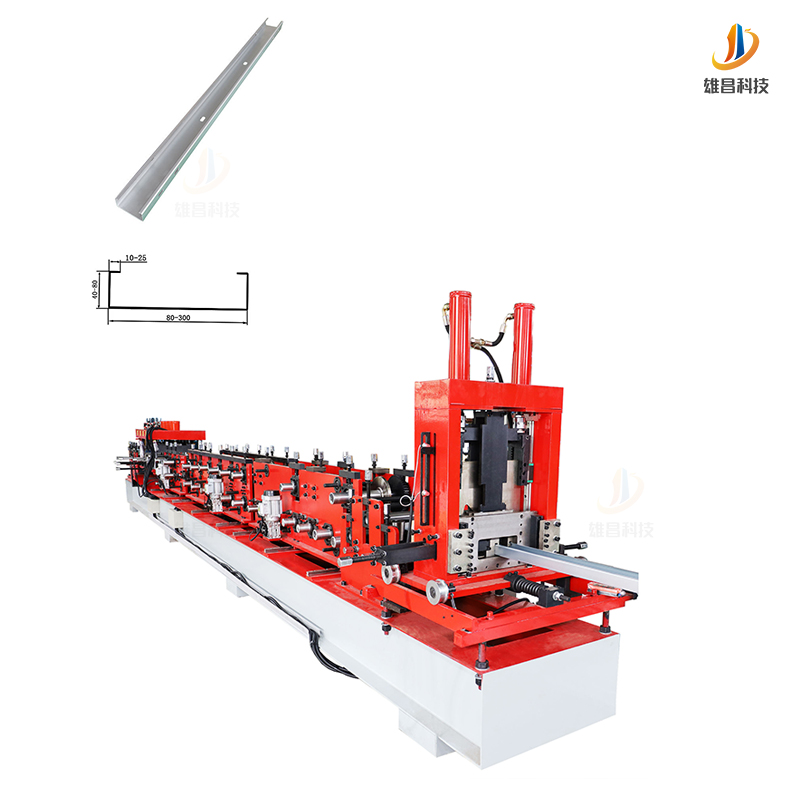
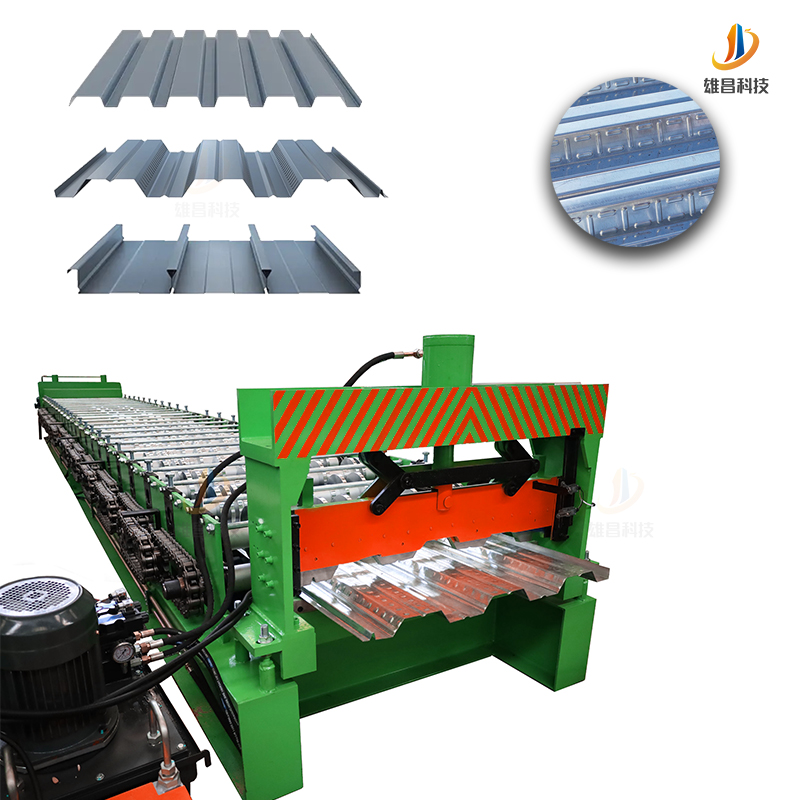

Explore the Full Machine Portfolio
Ten application-specific categories — each engineered to your profile drawing, coil specification, and output target.
Roofing Sheet Roll Forming Machine
Trapezoidal Roofing Sheet Machine
Corrugated Wave Roof Tile Machine
Glazed Tile Roll Forming Machine
Double Layer Roofing Sheet Machine
Standing Seam Roll Formers
Purlin Roll Forming Machines
Floor Deck Roll Forming Machine
Light Gauge Steel Roll Forming Machine
Hot Products
Buyer’s Specification Guide: Compare Roll Forming Machines
Quotes are only comparable when the specifications are. Use these indicative ranges to judge any supplier’s offer — including ours.
| Machine Type | Typical Coil Thickness | Forming Stations | Typical Line Speed | What to Verify in a Quote |
|---|---|---|---|---|
| Trapezoidal / IBR Roofing | 0.3–0.8 mm | 16–22 | 15–30 m/min | Roller material and chrome thickness; shaft diameter |
| Corrugated Roofing | 0.3–0.6 mm | 18–24 | 15–30 m/min | Wave pitch accuracy and edge waviness on thin coil |
| Glazed Step Tile | 0.3–0.7 mm | 12–18 | 3–6 m/min | Press-station cycle and step-depth consistency |
| Standing Seam | 0.4–0.8 mm | 12–20 | 10–20 m/min | Seam system compatibility and panel width adjustment |
| C/Z Purlin | 1.5–3.0 mm | 14–20 | 10–20 m/min | Size-change method (manual or automatic) and punching dies |
| Floor Deck | 0.7–1.5 mm | 20–30 | 10–15 m/min | Embossing pattern and frame rigidity for deck depth |
Ranges reflect typical XC configurations for reference only. Final parameters are engineered to your profile drawing, material yield strength, output target, and site power supply.
Engineering Insights & Field Knowledge
Practical knowledge from XC engineers — covering roll forming advantages, maintenance, and coating protection.

Roll Forming Advantages and Applications
Why continuous roll forming beats press braking for long, consistent profiles, and which industries gain the most from it.

Bearing Damage in Multi-Stand Roll Forming Stations: The Hidden Cause of Roll Runout
Six root causes of bearing failure, the diagnostic checks to run first, and how they show up as strip tracking loss and coating defects.

Zinc & Color Coating Cracking at Bending Zones: Root Causes and Fixes
From bend radius to roll pass design, this article explains what makes coatings crack at the bend line and how coating-safe forming prevents it.
An Integrated Roll Forming Specialist
Sichuan Xiongchang Technology Co., Ltd. (XC) designs and manufactures cold roll forming equipment for roofing, flooring, door and structural components — backed by 20+ years of hands-on experience.
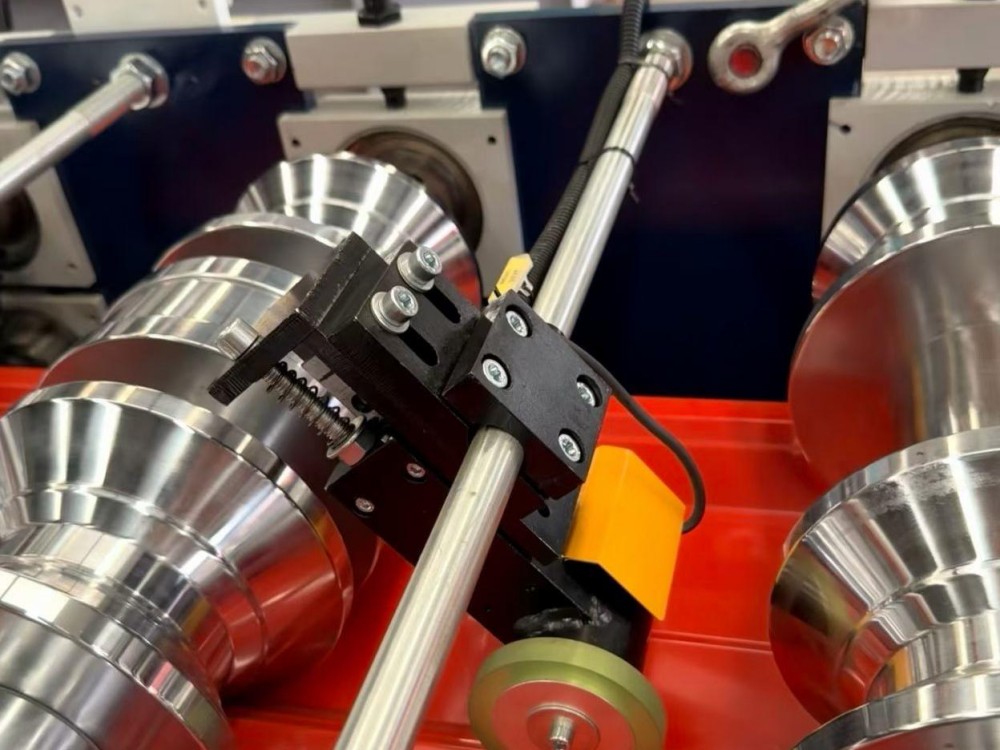
Proven Expertise & Innovation
Two decades of profile development across roofing, structural and decking applications. We have solved the edge waves, flare and coating cracks that cheaper machines leave to the buyer.
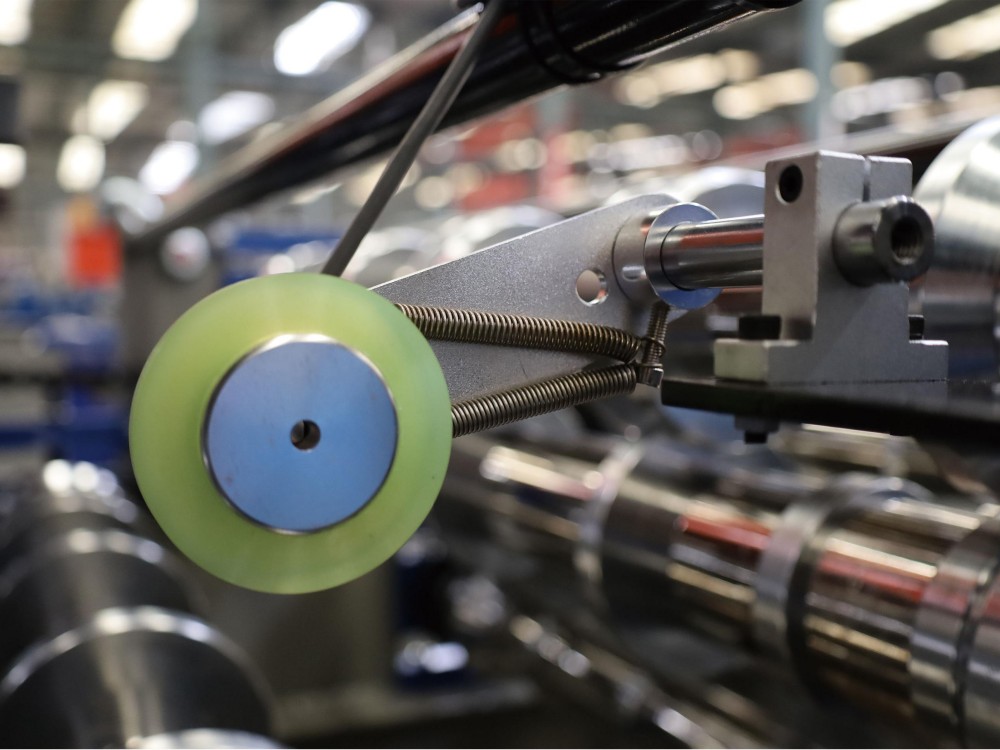
Built for Performance & Longevity
Rigid frames, precision-machined shafts and hard-chrome plated rollers keep profiles within tolerance shift after shift. That protects your margin and your reputation with contractors.
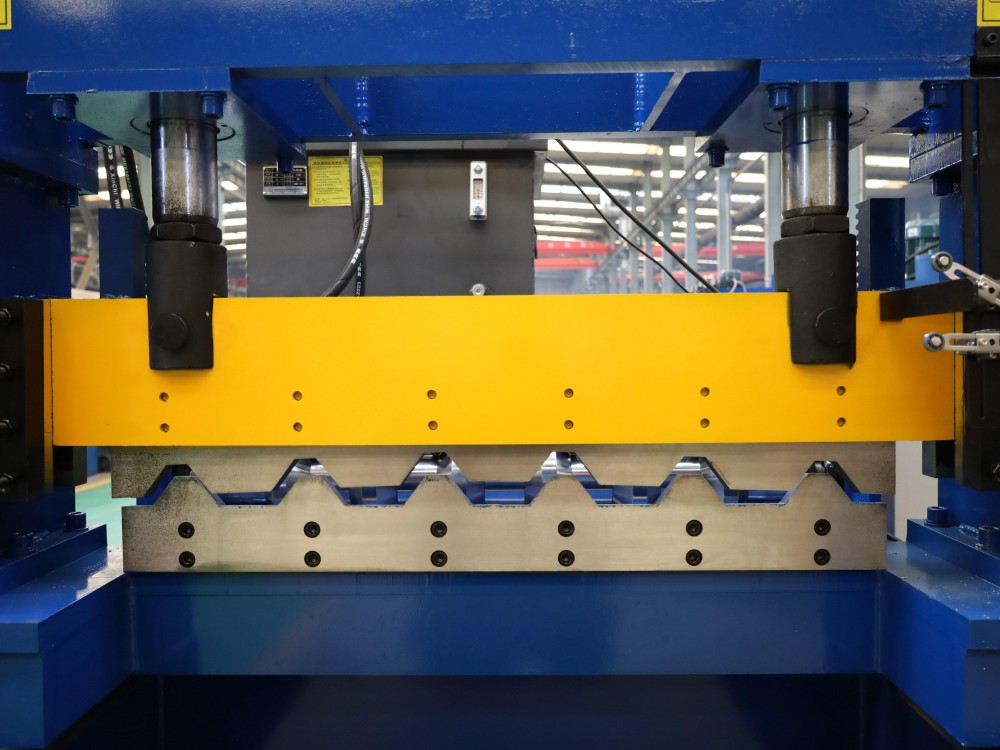
Commitment to Customer Success
Engineers answer technical questions directly, from pre-sale profile review to commissioning and spare parts. You get one accountable team for the full life of the machine.
Frequently Asked Questions (Q&A)
Straight answers based on the projects we deliver every year. Need a detail not covered here? Our engineers reply directly.
What information do I need to send for an accurate roll forming machine proposal?
Can XC build a roll forming machine for a local or non-standard profile?
How is machine quality verified before shipment?
What is the typical lead time for a roll forming machine?
What after-sales support does XC provide to overseas buyers?
Can machines be configured for my local power supply?
What is the difference between snap lock and mechanical lock standing seam?
How do you ensure seam tightness and weather resistance?
What coil materials can be formed on a snap lock machine?
Can I visit the factory or arrange a third-party inspection?
More Factory-Direct Machines from XC
Eight additional machine families — each with the same engineering rigor and after-sales commitment.







ODM Super Series Light Gauge Steel Roll Forming Machine (Stud & Track Roll Former) Manufacturers, Company
View DetailsPlanning Your Next Forming Line?
Get our full catalog with machine layouts, technical specifications, and profile options. It is the fastest way to brief your team and compare suppliers.
📞 +86 180 3060 6697 | ✉️ [email protected]
Sichuan Xiongchang Technology Co., Ltd. — Sichuan, China