2026 Best Roll Forming Machine Cost Guide for Buyers

Time:2026-11-26 Author:Madeline
0%

A roll forming machine can shape a steel coil into repeatable profiles, but its purchase price is only one part of the investment. Buyers also need to account for tooling, decoilers, controls, installation, operator training, and ongoing maintenance. A line built for simple roofing panels is not priced like a configured system with automatic stacking and tight tolerances.

The scale of the material market offers useful context. The World Steel Association’s World Steel in Figures 2024 reports global crude steel production of 1,882.6 million tonnes in 2023. That figure does not predict machine prices, but it shows the scale of the industry behind many roll-formed products. For U.S. buyers, Bureau of Labor Statistics Producer Price Index data can help track broader price movements in machinery and fabricated metal products. It cannot replace a current, itemized supplier quotation.

Details matter.

This 2026 guide explains the main factors behind Roll Forming Machine Cost, from machine capacity and station count to profile complexity and automation. It also shows how to compare quotations, estimate operating expenses, and identify items that may be excluded from the base price. Ask suppliers to specify the material range, line speed, tooling scope, warranty, and delivery terms. A low headline quote can look attractive beside a detailed one, yet leave important equipment unpriced. That is easy to miss. Buyers should treat estimates as planning tools, then verify every assumption against their actual production needs.
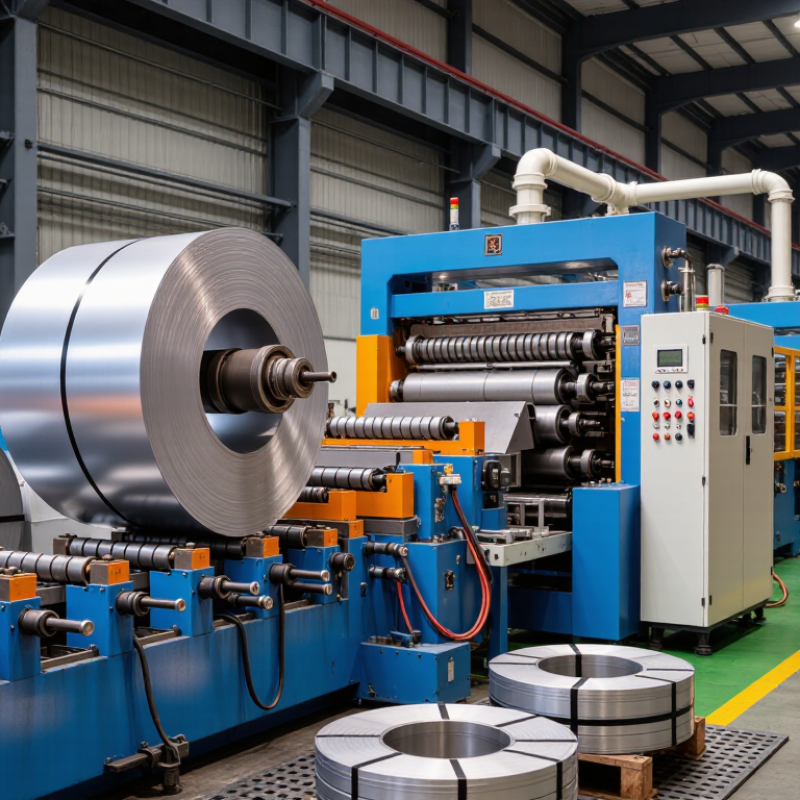
2026 Best Roll Forming Machine Cost Guide for Buyers

Roll Forming Machine Types and Their Typical Applications

2026 Best Roll Forming Machine Cost Guide for Buyers

Roll Forming Machine Types and Their Typical Applications

Roll forming lines shape coil steel through successive roller stations, producing consistent profiles at high volume. Roofing and wall-panel lines make long sheets with formed ribs, ready for buildings and warehouses. The World Steel Association’s 2024 steel-use breakdown attributes about 52% of global steel demand to buildings and infrastructure. That is substantial. It helps explain why construction profiles remain a common application.

Purlin machines form C-, Z-, or U-shaped sections for roof and wall framing. Stud-and-track lines make lighter sections for partition walls, while tube-forming systems create closed profiles used in furniture, frames, and equipment. These are not interchangeable setups: profile depth, metal thickness, punching needs, and cutoff method all affect tooling and line configuration. Buyers comparing 2026 costs should also account for decoilers, controls, and changeover time—not only the forming machine. A cheap line can become expensive when frequent profile changes slow production.

Tips: Match the machine to your actual profile drawings and monthly volume. Ask for a trial run using your material; inspect the cut ends and hole alignment. Test the profile. One detail is easy to miss: future product changes may require new tooling, and that cost deserves a place in the budget.

Typical Roll Forming Machine Cost Ranges in 2026

In 2026, a basic roll forming machine for a straightforward profile may cost around $15,000 to $50,000. This range often covers simpler configurations with modest production speeds and limited automation. Prices vary sharply. A standard automated line may fall between $50,000 and $150,000, depending on forming stations, controls, cutting equipment, and material capacity. High-speed or custom lines can exceed $150,000 and reach several hundred thousand dollars. These are planning ranges, not fixed quotations; regional pricing and machine specifications can shift them considerably.

The machine price may not include profile-specific tooling, setup, shipping, installation, or operator training. Tooling alone can add several thousand dollars, especially when a profile requires tight tolerances or multiple material thicknesses. Small details matter. Ask suppliers to list what is included, then compare line speed, sheet thickness, changeover time, and warranty terms on the same basis. A lower purchase price can look attractive, but a slow line or frequent adjustments may cost more over time. Even a careful estimate has blind spots: confirm the machine can form a sample of your actual material before setting a final budget.

2026 Best Roll Forming Machine Cost Guide for Buyers - Typical Roll Forming Machine Cost Ranges in 2026

Indicative 2026 budget ranges in USD for new equipment. Actual quotations depend on specifications, tooling, automation, delivery, and local market conditions.

Machine type Typical machine cost (USD) Typical configuration Common applications Main cost drivers
Basic single-profile machine $15,000–$50,000 Manual or basic powered decoiler, fixed profile, simple control system Light-gauge trim, simple channels, small production runs Roll-station count, material thickness, cutting method
Roofing panel machine $20,000–$80,000 One panel profile, powered feed, cutoff system, basic run-out support Corrugated and trapezoidal roofing or wall panels Panel width, thickness range, cut-to-length accuracy, line speed
Standing seam panel machine $25,000–$100,000 Profile-specific forming stations; optional adjustable-width design Architectural metal roofing panels Adjustable width, seam geometry, material flexibility, controls
Gutter and downspout machine $15,000–$60,000 Compact forming line, profile-specific tooling, manual or powered cutoff Residential and light-commercial rainwater systems Profile options, portable setup, coil handling, cutting automation
C/Z purlin machine $40,000–$150,000 Fixed or interchangeable C/Z profiles, often with punching and hydraulic cutting Steel-building purlins and structural framing components Profile-size range, gauge capacity, punching, quick-change features
Door-frame or shutter slat machine $30,000–$120,000 Dedicated profile tooling, powered feed, cutoff and optional punching Metal door frames, shutter slats, and related building components Profile complexity, tolerances, punching operations, production speed
Automated multi-profile or high-output line $100,000–$300,000+ Advanced controls, automated feeding and cutting, multiple profile or size settings Continuous, higher-volume production across several product specifications Changeover system, automation level, line speed, inspection and stacking
Complete line with stacking and material handling $150,000–$500,000+ Forming machine plus decoiler, leveling, cutoff, run-out table, and optional automatic stacker Integrated production lines for large or repeat orders Line completeness, coil capacity, stacking automation, installation requirements

Budget note: These ranges are planning estimates, not supplier quotations. Confirm whether tooling, decoiler, installation, training, freight, duties, and taxes are included; these items can materially change the delivered project cost.

Key Factors That Affect Roll Forming Machine Prices

A roll forming machine’s price depends on what it must produce, not just its size. More forming stations can create complex profiles, but they also add rolls, setup work, and alignment requirements. Coil width, material thickness, and steel grade affect frame strength, drive capacity, and tooling design. Small details matter. A line for thin trim is not comparable to one handling wide, heavy-gauge coil.

Automation can change the quote substantially. The International Federation of Robotics reported 541,302 industrial robot installations worldwide in 2023, down 2% from 2022. That figure does not set roll-former prices, but it reflects the wider use of automation. Adding robotic stacking, automatic length changes, or in-line inspection means more equipment, programming, and commissioning. Ask whether those items are included.

Material assumptions deserve a closer look. World Steel Association data put global crude steel production at 1,882.6 million tonnes in 2024, 0.9% below 2023. Production is not a direct measure of coil prices, so it cannot predict your machine quote. Request pricing against your actual grade, thickness, and coil width. Compare tooling, punching, cutoff systems, controls, installation, and spare parts line by line. A low base price can hide gaps. And estimates still need checking against real samples.

How to Compare Machine Specifications and Supplier Quotes

When comparing roll forming machine specifications, match them to the actual product, not just the advertised capacity. Check the material type, coil width, thickness range, and yield strength. A machine rated for thin steel may struggle with thicker stock, even if its listed speed looks impressive. Ask for the expected speed while forming your profile, including punching or cutting. Numbers without operating conditions are hard to trust.

Look closely at the forming stations, shaft dimensions, drive system, and control functions. These details affect profile consistency and changeover time. Request sample parts made from your material, then inspect dimensions and cut edges. Small differences matter. Compare supplier quotes line by line: tooling, decoiler, run-out table, installation, training, spare parts, and shipping may be included—or not. Ask what the acceptance test covers and how defects are handled. A lower quote can become costly if essential equipment is missing. Still, even a detailed checklist cannot predict every production issue; leave room in the budget for adjustments after installation.

Installation, Maintenance, and Long-Term Ownership Costs

Installation, Maintenance, and Long-Term Ownership Costs

The purchase price is only one part of a roll forming machine’s cost. Installation may require a level concrete floor, suitable electrical service, safe material handling, and space for long profiles. Measure the full production area before delivery. A machine that fits on paper may leave too little room for coil loading or routine adjustments. Setup can also involve leveling, alignment checks, and operator training, so confirm what the supplier’s installation estimate includes.

Maintenance costs depend on operating hours, material, and working conditions. Dust, metal shavings, and poor lubrication can accelerate wear on bearings and rollers. Keep a written schedule for cleaning, lubrication, fastener checks, and inspection of electrical connections. Record issues as they occur; small alignment changes can affect profile quality. One detail buyers sometimes underestimate is downtime while waiting for a replacement part. Keeping critical consumables on hand can help, though stocking too much ties up cash.

Tips: Ask for recommended service intervals and expected wear-part costs. Compare estimates using your planned shifts, not an optimistic production target. Leave room for surprises; even a careful budget can miss a repair or training need.

FAQS

What does a basic roll forming machine typically cost in 2026?

A basic machine for a straightforward profile may cost around $15,000 to $50,000. These are planning estimates, not fixed quotes.

How much can an automated roll forming line cost?

A standard automated line may range from $50,000 to $150,000. High-speed or custom lines can cost several hundred thousand dollars.

What costs might not be included in the machine price?

Tooling, setup, shipping, installation, and operator training may be extra. Tooling can add several thousand dollars.

How can I compare machine capacity with my product needs?

Check material type, coil width, thickness range, and yield strength. A machine rated for thin steel may struggle with thicker stock.

What production speed should I ask about?

Ask for the expected speed while forming your actual profile, including punching or cutting. Numbers without operating conditions are hard to trust.

How can I check whether a machine forms my profile accurately?

Request sample parts made from your material. Inspect their dimensions and cut edges.

What should I compare in supplier quotes?

Compare tooling, decoiler, run-out table, installation, training, spare parts, and shipping. A low quote may leave out essential equipment.

How can I reduce surprises after installation?

Ask what the acceptance test covers and how defects are handled. Leave budget room for adjustments; estimates still have blind spots.

Conclusion

This 2026 guide helps buyers understand Roll Forming Machine Cost by looking beyond the initial purchase price. It outlines common machine types and their typical applications, then presents general cost ranges to help set a realistic budget. Actual prices can vary depending on production capacity, material requirements, automation, tooling, and the level of customization needed.

To compare options effectively, buyers should review specifications, included features, warranty terms, and supplier quotes on an equal basis. The guide also considers installation, routine maintenance, and other long-term ownership expenses that can influence the total investment. By weighing upfront costs against machine capability, support, and expected operating needs, buyers can make a more informed choice for their production goals.

Madeline

Madeline

Madeline is a dedicated marketing professional with a wealth of expertise in our company's core offerings. With a keen understanding of the industry, she brings a unique perspective to her role, consistently delivering high-quality content that highlights the superior aspects of our products. As......